
Key Facts About Warehouse Release Orders
Author:XTransfer2025.09.04Warehouse Release Order
A warehouse release order authorizes the movement of goods from storage to their next destination. You rely on this document to ensure the correct items leave the warehouse at the right time. It plays a vital role in global trade by streamlining supply chain operations and minimizing delays. Bonded warehouses often use these orders to manage goods under customs supervision, making compliance easier for businesses involved in international shipping. Understanding its purpose is crucial for smooth logistics.
Understanding Warehouse Release Orders
Definition and Purpose
A warehouse release order is a document that authorizes the movement of goods from a warehouse to their next destination. It ensures that the correct items are released at the right time, reducing errors and delays. This document is especially important when dealing with imported goods stored in bonded warehouses. These facilities hold goods under customs supervision until duties are paid or other conditions are met.
The purpose of a warehouse release order goes beyond simple authorization. It acts as a control mechanism, ensuring compliance with trade regulations and maintaining accurate inventory records. According to industry standards, key roles like the importer of record, actual owner, and transferee are often involved in this process. The table below highlights their responsibilities:
|
Definition |
Description |
|
Importer of record |
The entity responsible for ensuring that goods are imported in compliance with laws and regulations. |
|
Actual owner |
The individual or entity that holds ownership of the merchandise, provided a declaration and bond are filed. |
|
Transferee |
The party to whom the right to withdraw merchandise from a bonded warehouse has been transferred, following specific regulations. |
By understanding these roles, you can see how a warehouse release order ensures smooth operations and regulatory compliance.
Key Stakeholders in the Process
Several stakeholders play critical roles in the warehouse release order process. Each has specific responsibilities that contribute to the efficient movement of goods. Here’s a breakdown of the key players:
|
Stakeholder Type |
Key Responsibilities |
|
Logistics and Warehousing Leadership |
Develops logistics strategies and makes decisions about warehouse locations, budgets, and partnerships. |
|
Warehouse Managers |
Oversees daily operations, assigns tasks, and ensures safety and productivity. |
|
Warehouse Associates |
Handles tasks like receiving, picking, packing, and managing inventory. |
|
Freight Companies and Carriers |
Manages transportation logistics for inbound and outbound goods, impacting inventory and delivery timelines. |
|
3PL Clients |
Requires visibility into inventory and orders, ensuring effective communication with third-party logistics providers. |
|
Consumers |
Influences warehousing strategies through expectations for fast delivery and accurate orders. |
You can see how each stakeholder contributes to the success of the warehouse release order process. For example, warehouse managers ensure that goods are ready for release, while freight companies handle their transportation. Collaboration among these stakeholders is essential for meeting customer expectations and maintaining supply chain efficiency.
Common Scenarios for Usage
Warehouse release orders are used in various scenarios to facilitate the movement of goods. Here are some common examples:
-
Import and Export Operations: When dealing with imported goods, a warehouse release order ensures that items are released only after customs requirements are met. This is especially important for goods stored in bonded warehouses.
-
E-commerce Fulfillment: Online retailers rely on these orders to manage inventory and ship products to customers quickly and accurately.
-
Seasonal Inventory Management: Businesses use warehouse release orders to move seasonal products to retail locations or distribution centers during peak demand periods.
-
Returns and Reverse Logistics: When customers return products, these orders help manage the process of moving items back into inventory or to a designated location.
Each scenario highlights the flexibility and importance of warehouse release orders in modern supply chains. By using them effectively, you can streamline operations and avoid unnecessary delays.
Key Components and Processes of a Warehouse Release Order
Essential Information Included
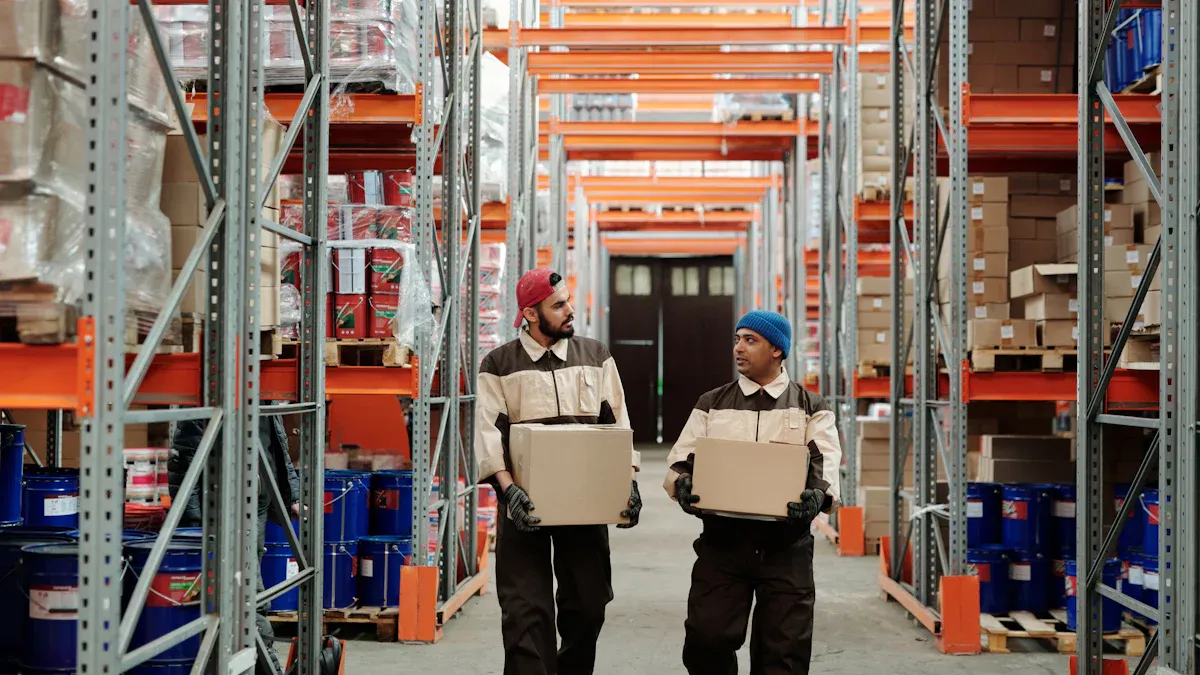
A warehouse release order contains critical details that ensure the smooth movement of goods. You’ll find information like the item description, quantity, and destination. It also includes the warehouse location and the date of release. These details help you track inventory and maintain accurate records.
For imported goods stored in bonded warehouses, the document specifies customs clearance status. This ensures compliance with regulations before goods leave storage. Including the consignee’s details and transportation method further streamlines logistics. By providing all essential information upfront, you reduce errors and delays in the supply chain.
Steps in the Release Process
The release process begins with verifying the warehouse release order. You check the document for accuracy, ensuring it matches the inventory records. Once verified, the warehouse staff prepares the goods for dispatch. This involves picking, packing, and labeling items according to the order.
Next, the goods move to the staging area for final inspection. You confirm that the items match the order and meet quality standards. After inspection, the goods are handed over to the carrier for transportation. Throughout this process, maintaining clear communication between stakeholders ensures efficiency.
Integration with Warehousing Systems
Modern warehousing systems integrate seamlessly with warehouse release orders to enhance operations. Automation and technology play a key role in this integration. For example:
-
Maersk uses autonomous robots in its warehouses to optimize logistics across 130 countries.
-
ID Logistics employs DexoryView technology to improve operational accuracy and efficiency.
-
GWC collaborates with QRDI to innovate inventory tracking solutions in the Middle East.
-
Menzies Aviation leverages AI and real-time data to transform air cargo warehouse operations.
These advancements demonstrate how technology simplifies goods storage and release processes. By adopting similar systems, you can improve accuracy, reduce manual errors, and streamline workflows.
The Role of Warehouse Release Orders in Global Trade
Enhancing Supply Chain Efficiency
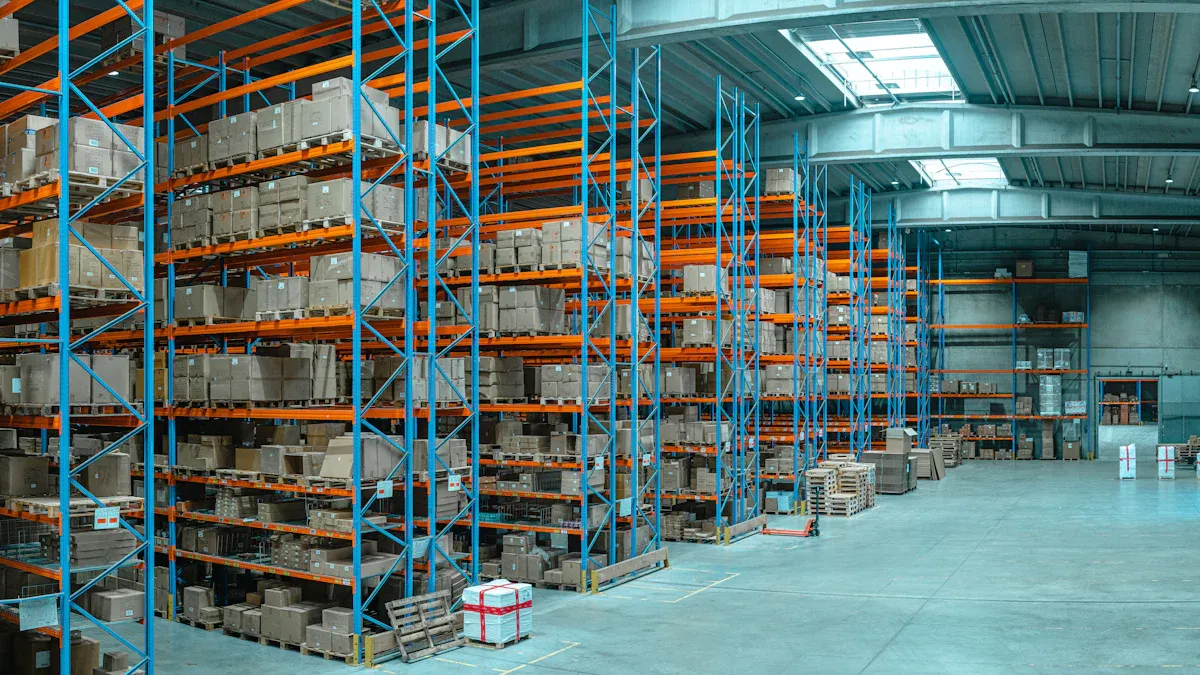
A warehouse release order plays a vital role in improving supply chain efficiency. It ensures that goods move seamlessly from storage to their next destination. By using this document, you can reduce errors and delays in your operations. For example, when you process orders quickly and accurately, you meet customer expectations and avoid disruptions.
Technology further enhances this efficiency. Automated systems help you track inventory and manage orders in real time. These tools allow you to identify bottlenecks and address them before they escalate. For instance, if a delay occurs in picking or packing, you can resolve it immediately. This proactive approach keeps your supply chain running smoothly.
Additionally, warehouse release orders help you optimize storage space. By releasing goods on time, you prevent overcrowding in your warehouse. This creates room for new inventory and improves overall productivity. When you streamline these processes, you save time and resources, which benefits your business in the long run.
Supporting Compliance with Trade Regulations
Warehouse release orders also ensure compliance with international trade regulations. They provide a clear record of goods leaving a warehouse, which helps you meet legal requirements. For imported goods, this document confirms that customs duties have been paid or necessary conditions have been met.
The U.S. Census Bureau recently proposed changes to trade regulations. These updates expand the definition of the U.S. principal party in interest (USPPI) and clarify their responsibilities. The table below outlines these changes:
|
Regulation Change |
Description |
|
Expansion of USPPI Definition |
The Census Bureau proposes to broaden the definition of who can be considered the U.S. principal party in interest for goods entering the U.S. for consumption or warehousing. |
|
Responsibilities of USPPI |
The U.S. principal party in interest must ensure compliance with regulations regarding goods stored in warehouses or foreign-trade zones. |
By understanding these regulations, you can avoid penalties and maintain smooth operations. A warehouse release order helps you document compliance, making it easier to address audits or inspections. This level of preparedness protects your business and builds trust with partners and customers.
The Importance of Bonded Warehouses
Bonded warehouses play a critical role in global trade. These facilities store imported goods under customs supervision until duties are paid or other conditions are met. When you use a bonded warehouse, you can defer payment of customs duties, which improves cash flow for your business.
A warehouse release order is essential in this process. It ensures that goods leave the bonded warehouse only after meeting all regulatory requirements. This prevents unauthorized movement of goods and helps you maintain compliance. For example, if you store goods in a bonded warehouse for re-export, the release order ensures they are shipped out without incurring unnecessary duties.
Bonded warehouses also offer flexibility. You can store goods for extended periods, which allows you to plan shipments based on market demand. This is especially useful for seasonal products or bulk imports. By using a bonded warehouse effectively, you can reduce costs and improve supply chain efficiency.
Benefits and Challenges of Warehouse Release Orders
Advantages for Businesses
Warehouse release orders offer several advantages that can significantly improve your operations. They enhance capacity and throughput, allowing you to process more orders without needing to expand your physical space. This becomes especially valuable during peak seasons when order volumes spike. By optimizing your warehouse operations, you can handle these fluctuations efficiently and support business growth.
Accurate inventory management and faster order processing also improve your service levels. Customers receive their orders on time, reducing out-of-stock situations and boosting satisfaction. These operational improvements give you a competitive edge by lowering costs and meeting service level agreements more effectively. Additionally, streamlined workflows reduce congestion in your warehouse, improving overall efficiency and creating a better work environment for your team.
Common Challenges in Implementation
While warehouse release orders bring many benefits, implementing them comes with challenges. Without proper planning, your warehouse may operate reactively, leading to inefficiencies. For example, a lack of strategic planning can result in delays and errors. Leadership and staff development also play a crucial role. Ineffective leadership or under-trained employees can lower morale and productivity.
Technology gaps often hinder warehouse management. Outdated systems make it difficult to track inventory or integrate release orders seamlessly. Poor space utilization is another common issue. Cluttered warehouses slow down operations and increase the risk of errors. Addressing these challenges requires a proactive approach. You can invest in staff training, conduct IT gap analyses, and redesign your warehouse layout to optimize space.
|
Challenge |
Description |
Actionable Steps |
|
Strategic & Succession Planning |
Reactive operations lead to inefficiencies. |
Develop a strategic plan and succession plan. |
|
Leadership & Staff Development |
Poor leadership lowers morale and productivity. |
Invest in coaching and staff development. |
|
IT Gap Analysis & System Selection |
Technology gaps hinder management. |
Perform IT gap analyses and research solutions. |
|
Warehouse Space Optimization |
Cluttered spaces slow operations. |
Redesign layouts and use vertical space. |
Examples of Mismanagement and Their Consequences
Mismanagement of warehouse release orders can lead to severe consequences. For instance, failing to verify orders before release can result in shipping incorrect items. This not only frustrates customers but also increases return rates and operational costs. Poor communication between stakeholders often causes delays. If your warehouse team and carriers are not aligned, goods may not reach their destination on time.
Another common issue is neglecting to update inventory records. Inaccurate data can lead to overstocking or stockouts, disrupting your supply chain. For example, a retailer that fails to track seasonal inventory may miss sales opportunities during peak demand. These mistakes highlight the importance of proper management. By addressing these issues, you can avoid costly errors and maintain smooth operations.
Best Practices for Managing Warehouse Release Orders
Leveraging Technology and Automation
Technology and automation transform how you manage warehouse release orders. Advanced systems like Automated Storage and Retrieval Systems (ASRS) and pick-to-light technology streamline operations. These tools reduce errors and improve efficiency by ensuring accurate inventory tracking and order fulfillment. For example, integrating barcode scanning with ASRS allows you to locate and release goods quickly.
Robotics and drones also revolutionize warehousing tasks. Robots handle repetitive jobs like picking and packing, while drones assist in inventory checks. Automatic packing and palletizing systems further enhance speed and accuracy. Case studies highlight the benefits of automation:
|
Case Study |
Description |
|
Bleker |
Reduced footprint by 70% with 85,000 parts in stock, enhancing efficiency. |
|
VARNER |
Achieved competitiveness through a highly automated central warehouse. |
|
Sandman Group |
Implemented AutoStore for rapid and scalable growth. |
By adopting these technologies, you can optimize warehousing services and improve overall productivity.
Training Staff and Establishing Clear Protocols
Effective staff training and clear protocols ensure smooth warehouse operations. Continuous training programs keep your team updated on equipment, processes, and safety measures. Techniques like questionnaires and focus groups help you gather feedback and improve training outcomes.
Models like Kirkpatrick and Phillips ROI guide training evaluations. For example:
|
Model |
Stages/Levels |
|
Kirkpatrick |
Reaction, Learning, Behavior, Results |
|
Phillips ROI |
Reaction, Learning, Application, Impact, ROI |
Establishing clear protocols minimizes confusion. You can use zone and shift patterns to prioritize order releases based on replenishment needs. Optimizing the putaway process ensures inventory is accessible, aligning with picking methods. These practices improve efficiency and reduce errors in your warehouse.
Conducting Regular Audits and Continuous Improvement
Regular audits identify inefficiencies and ensure compliance with industry standards. Focus on areas like inventory management, workflow efficiency, and employee performance. Use audit reports to pinpoint issues and implement changes. For example:
-
Identify inefficiencies in processes.
-
Ensure compliance with regulations.
-
Enhance productivity and reduce costs.
Tracking improvements and scheduling follow-up audits maintain progress. Reporting findings to senior management ensures accountability. Audits also help you refine onboarding processes and improve accuracy in inventory tracking. By conducting regular reviews, you create a culture of continuous improvement in your warehouse operations.
Warehouse release orders are essential for maintaining efficiency and compliance in the global supply chain. They ensure goods move accurately and on time, reducing errors and delays. Proper management of these orders improves inventory tracking, enhances customer satisfaction, and supports regulatory compliance. To optimize your processes, focus on integrating technology, training staff, and conducting regular audits. These steps will help you streamline operations and stay competitive in today’s fast-paced market.
FAQ
What is the main purpose of a warehouse release order?
A warehouse release order ensures goods leave storage accurately and on time. It helps you track inventory, reduce errors, and comply with trade regulations. This document also streamlines logistics by providing clear instructions for moving goods to their next destination.
How does a warehouse release order improve supply chain efficiency?
It reduces delays by ensuring accurate order fulfillment. You can optimize storage space, prevent overcrowding, and maintain smooth workflows. Technology integration, like automation, further enhances efficiency by tracking inventory and managing orders in real time.
Who are the key stakeholders involved in the process?
Key stakeholders include warehouse managers, associates, logistics teams, freight carriers, and 3PL clients. Each plays a role in ensuring goods are prepared, inspected, and transported efficiently. Collaboration among these groups ensures smooth operations and timely deliveries.
Can technology help manage warehouse release orders?
Yes, technology simplifies the process. Tools like barcode scanners, automated systems, and AI improve accuracy and speed. For example, robotics can handle repetitive tasks, while real-time data systems help you track inventory and resolve bottlenecks quickly.
What happens if a warehouse release order is mismanaged?
Mismanagement can lead to shipping errors, delays, and inventory inaccuracies. For example, failing to verify orders may result in incorrect shipments. This frustrates customers and increases costs. Proper management prevents these issues and ensures smooth operations.
Related content