
How to Ensure Compliance in International Trade Operations
Author:XTransfer2025.05.21REF (reference) in Global Trade
Compliance serves as a critical REF (reference) in Global Trade, safeguarding your international business operations from potential risks. Failure to adhere to trade compliance requirements can result in significant repercussions, including shipment delays, customs seizures, and financial penalties that can escalate into the millions. For example, in 2023, a global electronics company incurred a $15 million penalty due to compliance violations. Beyond monetary losses, non-compliance tarnishes reputations, disrupts cross-border transactions, and threatens access to essential markets. By establishing compliance measures and leveraging tools like real-time risk monitoring, you can rely on a strong REF in Global Trade to ensure seamless operations and effective risk management in your import/export activities.
Understanding Global Trade Compliance
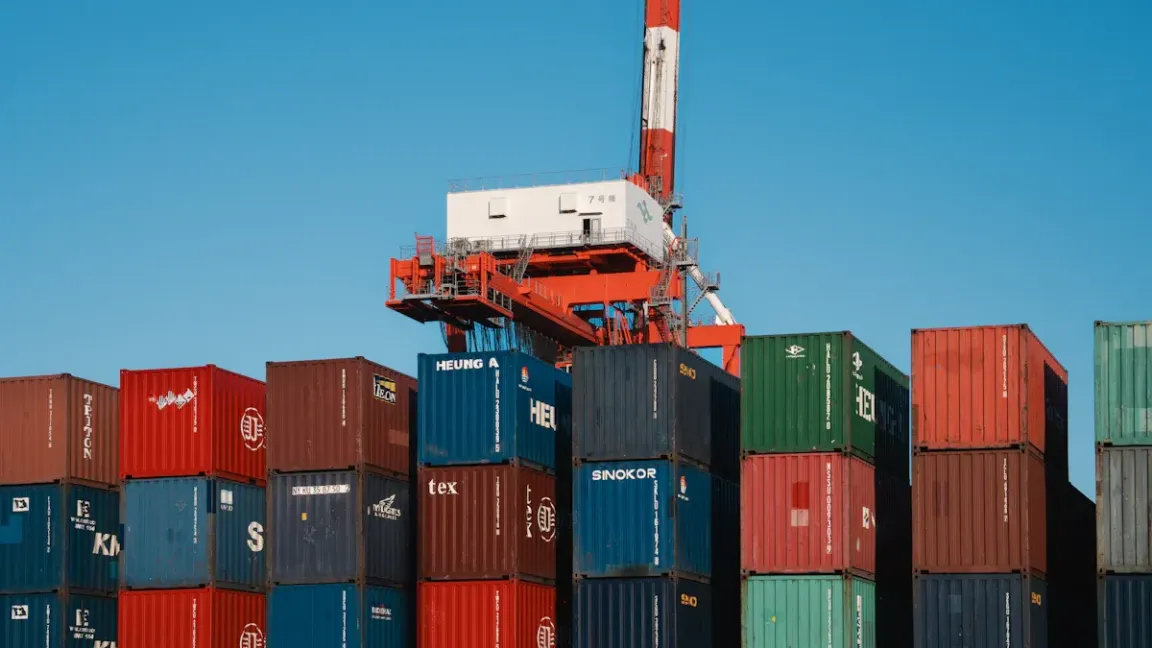
Defining Global Trade Compliance
Global trade compliance refers to the adherence to international trade laws, customs regulations, and trade regulations that govern the movement of goods across borders. It ensures that your business operates within the legal frameworks established by different countries. Compliance involves understanding and following rules related to tariffs, import/export restrictions, and sanctions. Non-compliance can lead to severe consequences, including fines, shipment delays, and loss of market access.
Recent trends highlight the growing importance of global trade compliance. For instance, between 2020 and 2024, the U.S. Department of the Treasury recorded $5.3 billion in trade penalties, with 70% linked to unintentional violations. Companies that prioritize compliance report up to a 30% reduction in supply chain bottlenecks and a 25% increase in global market accessibility. These statistics underscore the need for businesses to establish robust compliance measures.

Key Components of Compliance Programs
A strong compliance program forms the backbone of global trade compliance. It helps you navigate the complexities of international trade while minimizing risks. Key components include:
-
Internal Policies and Procedures: Establish clear guidelines for managing trade operations. These policies should address areas like export controls, sanctions, and customs regulations.
-
Training and Awareness: Educate employees about compliance requirements. Regular workshops and training sessions ensure that your team stays updated on changing trade regulations.
-
Risk Assessment and Monitoring: Identify potential risks in your supply chain. Use tools like trade compliance software to monitor transactions and flag potential issues.
-
Audits and Reviews: Conduct regular audits to evaluate the effectiveness of your compliance program. This helps you identify gaps and implement corrective actions.
Companies investing in compliance programs often outperform competitors. In 2024, firms with integrated compliance programs achieved 15% higher operational efficiency compared to those without such measures. This demonstrates the value of a well-structured compliance framework.
The Role of Documentation, Classification, and Export Controls
Documentation, classification, and export controls play a critical role in ensuring global trade compliance. Accurate and thorough documentation helps you avoid legal pitfalls and ensures smooth transactions. Misclassification of goods, on the other hand, can lead to customs disputes and penalties.
Developing robust compliance strategies for export control regulations is essential for navigating international trade complexities. This includes maintaining detailed records of all export transactions. Accurate recordkeeping serves as evidence of compliance with regulations, facilitates smoother transactions, and reduces errors. Additionally, up-to-date records help you track changes in export regulations, ensuring compliance and avoiding penalties.
Key Steps for Effective Documentation:
-
Follow the Export Administration Regulations (EAR) for recordkeeping obligations in the U.S.
-
Adhere to the International Traffic in Arms Regulations (ITAR) for military and defense-related exports.
-
Comply with the European Union's Export Control System (ECS) for EU member states.
By prioritizing documentation and classification, you can enhance operational efficiency and reduce risks. For example, HS code errors contribute to 15% of global customs disputes, highlighting the importance of precise classification. Companies that maintain compliance in these areas often experience fewer disruptions and greater competitiveness in international trade.
Challenges in Ensuring Compliance
Regulatory Complexity and Frequent Changes
Navigating global trade involves dealing with a maze of customs regulations and trade regulations. Each country enforces unique standards, making it challenging to maintain compliance. For example, some nations require specific documentation for customs clearance, while others impose strict import/export restrictions. These diverse legal requirements create compliance challenges for businesses operating across multiple regions.
Adding to the complexity, trade regulations frequently change. Governments revise policies due to geopolitical factors, economic shifts, or trade agreements. Staying updated on these changes is crucial. A report by the International Trade Administration revealed that nearly 60% of companies face delays caused by compliance-related issues. Ambiguities in legislation further complicate adherence, increasing the risk of accidental noncompliance.
Failing to address these challenges can lead to severe consequences. Financial penalties, operational delays, and reputational damage are common outcomes. To mitigate these risks, you must establish a robust compliance program that monitors regulatory updates and ensures adherence to customs regulations.
Managing Sanctions and Embargoes
Sanctions and embargoes present another layer of complexity in global trade compliance. These measures restrict trade with specific countries, industries, or entities. For instance, sanctions on oil-exporting nations often lead to price volatility and supply chain disruptions. Similarly, banking restrictions can hinder international transactions, affecting liquidity and capital flows.
Industries like energy, finance, and technology face unique challenges due to sanctions. A study by Harvard’s Belfer Center found that export volumes in affected regions dropped by up to 15% after sanctions were imposed. However, proactive measures, such as diversification strategies, helped some nations recover within two years. Businesses must stay informed about sanctions to avoid penalties and ensure smooth operations.
Avoiding Documentation Errors and Misclassification
Accurate documentation is essential for customs clearance. Errors in paperwork or misclassification of goods can lead to customs disputes, delays, and penalties. For example, HS code errors account for 15% of global customs disputes. These mistakes not only disrupt supply chains but also increase compliance challenges.
To avoid such issues, you should implement strict documentation practices. Ensure that all records meet the requirements of customs regulations. Regular audits can help identify and correct errors before they escalate. By prioritizing accuracy, you can reduce risks and improve operational efficiency.
Addressing cultural and language barriers in global trade
Cultural and language differences often create challenges in international trade. Misunderstandings can arise when you interact with partners, clients, or authorities from diverse cultural backgrounds. These barriers can lead to miscommunication, delays, or even failed transactions.
Understanding cultural norms is essential for building strong business relationships. For example, some cultures value formal communication, while others prefer a more casual approach. In Japan, exchanging business cards is a formal ritual, while in the United States, it is less emphasized. Adapting to these practices shows respect and fosters trust.
Language differences also pose significant challenges. Misinterpretation of contracts, shipping documents, or regulatory requirements can result in costly errors. Relying on automated translation tools may not always provide accurate results. Hiring professional translators or interpreters ensures clarity in communication.
To overcome these barriers, you should invest in cultural training for your team. This training helps employees understand the customs, values, and business etiquette of your target markets. Additionally, creating multilingual documentation for your trade operations can reduce misunderstandings.
By addressing cultural and language barriers, you can improve collaboration and avoid costly mistakes. These efforts not only enhance operational efficiency but also strengthen your global partnerships.
Tools and Resources as Ref in Global Trade
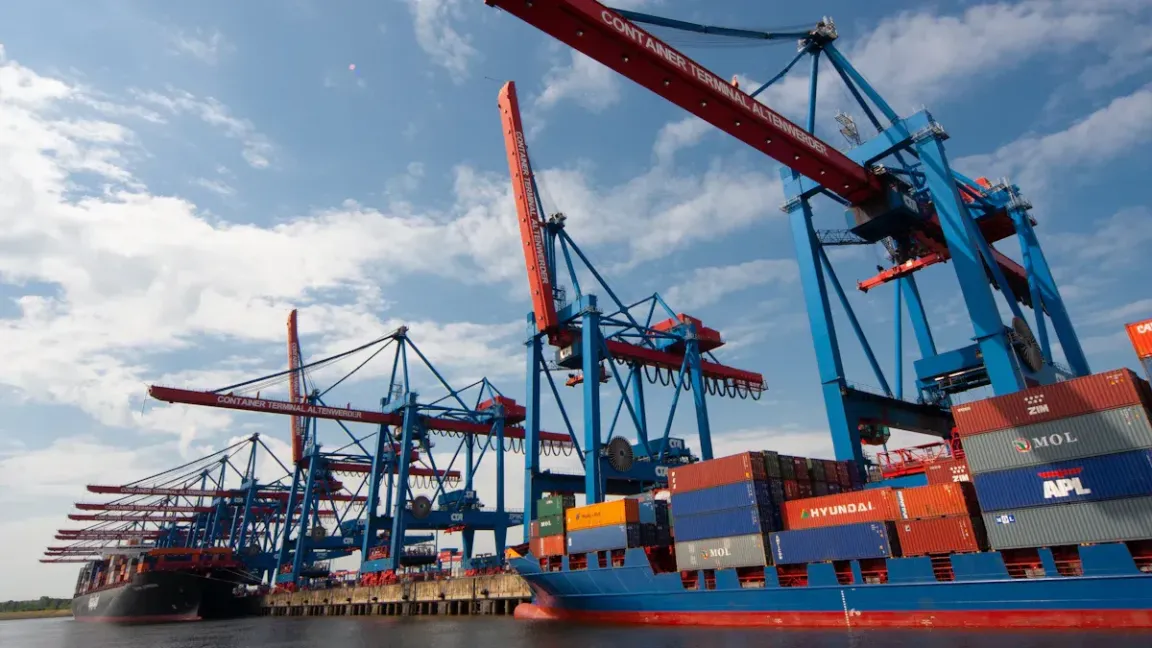
Trade compliance software (e.g., Amber Road, Descartes, SAP GTS)
Trade compliance software simplifies the complexities of global trade compliance. These tools help you manage import/export operations, monitor regulatory changes, and reduce risks. Popular platforms like Amber Road, Descartes, and SAP GTS offer features such as automated classification, real-time risk monitoring, and export control management. By using these tools, you can ensure your freight moves smoothly across borders while avoiding penalties and delays.
In 2023, trade compliance software gained significant traction due to increasing regulatory requirements and geopolitical uncertainties. Businesses adopted these tools to enhance due diligence and gain competitive advantages. The rise in international trade activities further fueled the demand for software solutions, enabling importers and exporters to streamline their operations. Key drivers for adoption include tightening regulations, higher penalties for non-compliance, and the need for enhanced risk management.
Government and industry resources (e.g., WCO guidelines)
Government and industry resources provide valuable guidance for navigating global trade compliance. The World Customs Organization (WCO) offers tools like data analytics frameworks and blockchain recommendations to improve customs coordination. These resources help you reduce clearance times, detect fraudulent activities, and lower operational costs.
Automation and real-time data analytics, encouraged by the WCO, have led to efficiency gains. For example, clearance times have decreased by over 30%, allowing you to move freight faster and more reliably. Additionally, adopting advanced technologies like cloud computing enhances data exchange between customs agencies, reducing compliance risks.
By leveraging these resources, you can stay updated on regulatory changes and improve your logistics processes. The WCO's guidelines serve as a reliable ref in global trade, helping businesses achieve compliance while minimizing costs.
Risk management tools for global trade compliance
Risk management tools play a crucial role in mitigating compliance risks in international trade. These tools help you identify potential issues, assess their impact, and implement preventive measures. For example, software solutions can analyze market trends, monitor IT systems, and evaluate compliance risks.
Quantitative data highlights the effectiveness of risk management tools. For instance:
These tools reduce compliance risks by identifying vulnerabilities and providing actionable insights. By integrating risk management solutions into your operations, you can protect your freight from disruptions and ensure smooth logistics.
Risk management tools not only safeguard your business but also enhance your global trade compliance efforts. They serve as a vital ref in global trade, helping you navigate challenges and maintain operational efficiency.
Employee training programs and workshops
Employee training programs and workshops play a vital role in ensuring compliance in global trade operations. These initiatives equip your team with the knowledge and skills needed to navigate complex trade regulations effectively. By investing in training, you can reduce the risk of non-compliance, avoid penalties, and enhance the efficiency of your freight operations.
Training programs tailored to trade compliance focus on real-world scenarios and practical applications. For example, a mid-sized finance company implemented a program that combined storytelling with hands-on exercises. Within six months, they saw a 40% drop in compliance-related incidents. This success highlights how well-trained employees can minimize delays in shipments and ensure smooth customs clearance processes.
Workshops also foster a culture of compliance within your organization. Interactive sessions encourage employees to engage with the material, ask questions, and share insights. A comprehensive program designed by Sarah’s company integrated real-life scenarios and interactive activities. This approach improved employee performance by 24%, as reported by the Society for Human Resource Management. Such improvements not only enhance operations but also strengthen your company’s reputation in global trade.
Organizations with robust training programs often experience significant returns on investment. Studies show that these programs can yield up to a 300% ROI through reduced fines and improved public perception. Additionally, they open doors to new business opportunities by demonstrating your commitment to compliance. A strong training program serves as a reliable ref in global trade, ensuring your freight moves seamlessly across borders.
To maximize the impact of training, consider the following strategies:
-
Customize Training Content: Tailor the material to address specific challenges in your operations, such as export controls or documentation accuracy.
-
Incorporate Technology: Use e-learning platforms and virtual simulations to make training accessible and engaging for employees across different locations.
-
Schedule Regular Updates: Keep your team informed about changes in trade regulations by conducting periodic workshops.
-
Measure Effectiveness: Track key performance indicators, such as compliance adherence rates and incident reductions, to evaluate the success of your training efforts.
By prioritizing employee training, you can build a knowledgeable workforce that supports your compliance goals. These programs not only improve operational efficiency but also ensure your freight reaches its destination without unnecessary delays or complications.
Best Practices for Global Trade Compliance
Establishing Internal Controls and Policies
Strong internal controls and policies form the foundation of effective global trade compliance. These measures help you identify and mitigate risks while ensuring adherence to international trade regulations. Start by conducting a thorough risk assessment to understand potential vulnerabilities in your operations. Use the results to develop policies that address specific compliance challenges, such as export controls or sanctions.
Your internal controls should include processes for identifying, escalating, and reporting potentially prohibited activities. For example, implementing a sanctions compliance program (SCP) can help you monitor transactions and avoid violations. Regularly review and update these controls to align with evolving regulations. Outsourcing due diligence to third-party tools can also enhance your compliance efforts, but you must ensure these tools align with your risk profile.
Conducting Regular Audits and Risk Assessments
Regular audits and risk assessments are essential for maintaining compliance. These practices help you evaluate the effectiveness of your compliance program and identify areas for improvement. Companies that conduct quarterly risk assessments experience 65% fewer compliance violations compared to those performing annual reviews. This proactive approach minimizes the likelihood of costly errors and penalties.
Audits should focus on key areas such as documentation accuracy, record-keeping, and adherence to trade regulations. Use the findings to address weaknesses and implement corrective actions. For instance, if your audit reveals frequent documentation errors, you can introduce stricter review processes to prevent future issues. By prioritizing regular assessments, you can achieve better risk management outcomes and enhance your compliance efforts.
Staying Updated on Regulatory Changes
The global trade landscape is constantly evolving, making it crucial for you to stay informed about regulatory changes. New laws, such as the Uyghur Forced Labor Prevention Act, impose strict requirements on importers, increasing the need for robust compliance strategies. Failing to adapt to these changes can result in operational disruptions and financial penalties.
To stay ahead, participate in industry events and workshops that focus on regulatory updates. These gatherings connect you with experts who can provide valuable insights into compliance strategies. Additionally, forming strategic partnerships with compliance professionals can help you navigate complex regulations and maintain competitiveness. Proactively monitoring changes ensures your operations remain compliant and resilient in a dynamic trade environment.
Fostering a culture of compliance within the organization
Creating a culture of compliance within your organization ensures that every team member understands and values adherence to trade regulations. This approach not only minimizes risks but also strengthens your operational efficiency. When compliance becomes a shared responsibility, your business can achieve smoother trade operations and avoid costly mistakes.
Start by engaging stakeholders at all levels. Gaining buy-in from leadership emphasizes the importance of compliance and sets the tone for the entire organization. Leaders who actively support compliance initiatives inspire employees to follow suit. By communicating compliance efforts and challenges effectively, you can build confidence among stakeholders and ensure long-term success.
To measure progress, use key performance indicators (KPIs) that align with your strategic goals. These metrics help you track compliance efforts and identify areas for improvement. For example:
A strong compliance culture also reduces risks such as financial loss, reputational damage, and decreased staff morale. Employees who understand the value of compliance feel more confident in their roles, leading to higher morale and better performance. This positive environment fosters collaboration and reduces the likelihood of errors.
By prioritizing compliance as a core value, you create a resilient organization capable of navigating the complexities of global trade. This cultural shift not only protects your business but also positions it for long-term success in international markets.
Consequences of Non-Compliance
Financial penalties and fines
Non-compliance with trade regulations often leads to costly financial penalties. These fines can cripple your business and reduce profitability. For example, Titan faced a $284,000 penalty for incorrect classification, while Data Storage paid $300 million for neglecting export controls. Track incurred $2.4 million in fines due to undeclared values. These cases highlight how even minor violations can result in significant financial losses.
In 2024, North America accounted for 95% of the $4.6 billion in global financial penalties. U.S. regulators issued over $4.3 billion in fines, with $1.06 billion targeting U.S.-based financial institutions. Penalties for transaction monitoring breaches exceeded $3.3 billion, marking a 100% increase from the previous year. These figures emphasize the importance of adhering to trade regulations to avoid financial repercussions.
Operational disruptions and delays
Non-compliance disrupts your freight operations and causes delays. Customs authorities may detain shipments due to incomplete documentation or violations of export laws. These delays affect supply chains and lead to missed deadlines. For instance, misclassification of goods often results in customs disputes, which can halt freight movement for weeks.
Operational disruptions also increase costs. You may need to pay storage fees for detained shipments or invest in expedited services to meet deadlines. These expenses reduce your profit margins and strain your resources. By prioritizing compliance, you can avoid these disruptions and ensure smooth freight operations.
Reputational damage and loss of trust
Non-compliance damages your reputation and erodes trust among stakeholders. Customers and partners expect you to follow trade regulations and maintain ethical practices. Violations signal negligence and harm your credibility. For example, companies fined for ESG-related breaches often face public backlash, which affects their market position.
Reputational damage also impacts your ability to form new partnerships. Potential collaborators may hesitate to work with you due to concerns about compliance risks. This limits your growth opportunities and reduces competitiveness in global trade. Building a strong compliance program protects your reputation and fosters trust, ensuring long-term success.
Legal implications and potential lawsuits
Non-compliance with trade regulations exposes your business to serious legal risks. Regulatory authorities often pursue legal action against companies that violate international trade laws. These lawsuits can result in significant financial losses, operational disruptions, and long-term reputational harm.
Trade violations often lead to investigations by government agencies. For example, customs authorities may audit your records to identify discrepancies in documentation or classification. If they find evidence of intentional violations, they may impose criminal charges. Even unintentional errors can result in civil lawsuits, which require time and resources to resolve.
Legal disputes also arise from breaches of export controls or sanctions. Violating these regulations can lead to lawsuits filed by affected parties or governments. For instance, exporting restricted goods to sanctioned countries may result in lawsuits under anti-terrorism or national security laws. These cases often involve hefty fines and, in some instances, imprisonment for responsible individuals.
To avoid legal implications, you must prioritize compliance. Establishing robust internal controls and conducting regular audits can help you identify and address potential risks. Staying informed about regulatory changes ensures that your operations remain within legal boundaries. By taking these steps, you protect your business from lawsuits and maintain a strong position in global trade.
Global trade compliance plays a vital role in reducing risks and ensuring smooth operations in international trade. By adhering to regulations, you can protect your reputation, enhance operational efficiency, and gain a competitive edge. Effective compliance programs also help you manage legal and financial risks while identifying cost-saving opportunities.
Leveraging tools like trade compliance software and risk management solutions simplifies complex processes. These resources, combined with best practices such as regular audits and employee training, ensure your business remains resilient in a dynamic trade environment. Prioritizing compliance not only safeguards your operations but also positions your organization as a trusted leader in global markets.
FAQ
What is the first step to ensure trade compliance?
Start by understanding the trade regulations of the countries you operate in. Research import/export laws, tariffs, and restrictions. Use government resources or consult trade compliance experts to gain clarity. This foundational knowledge helps you build a strong compliance framework.
How can you stay updated on changing trade regulations?
Subscribe to industry newsletters and government updates. Attend trade compliance workshops and webinars. Use trade compliance software with real-time regulatory alerts. Staying informed ensures you adapt quickly to new rules and avoid penalties.
Why is accurate documentation important in global trade?
Accurate documentation ensures smooth customs clearance and prevents delays. Errors in paperwork, like misclassification or incomplete records, can lead to fines or shipment detentions. Proper documentation also demonstrates your commitment to compliance and builds trust with partners.
What role does employee training play in compliance?
Employee training equips your team with the knowledge to navigate complex trade regulations. Well-trained employees reduce errors, improve efficiency, and ensure adherence to compliance policies. Regular workshops and updates keep your team informed about regulatory changes.
Can trade compliance software replace manual processes?
Trade compliance software enhances efficiency but doesn’t replace manual oversight. It automates tasks like classification and risk monitoring. However, human expertise remains essential for interpreting regulations and making strategic decisions. Combining both ensures robust compliance.
Related content