
How to Choose the Best Debit Card for Your Child
Author:XTransfer2025.05.16debit card
Teaching your kids how to manage money starts with the right tools, and a debit card can make all the difference. It gives them a hands-on way to learn about spending, saving, and budgeting. As parents, you get peace of mind with built-in security features and parental controls. Plus, it’s a great way to encourage independence while keeping an eye on their financial habits. With so many options out there, finding the perfect fit doesn’t have to feel overwhelming.
Why Debit Cards for Kids Matter
Teaching Financial Literacy Early
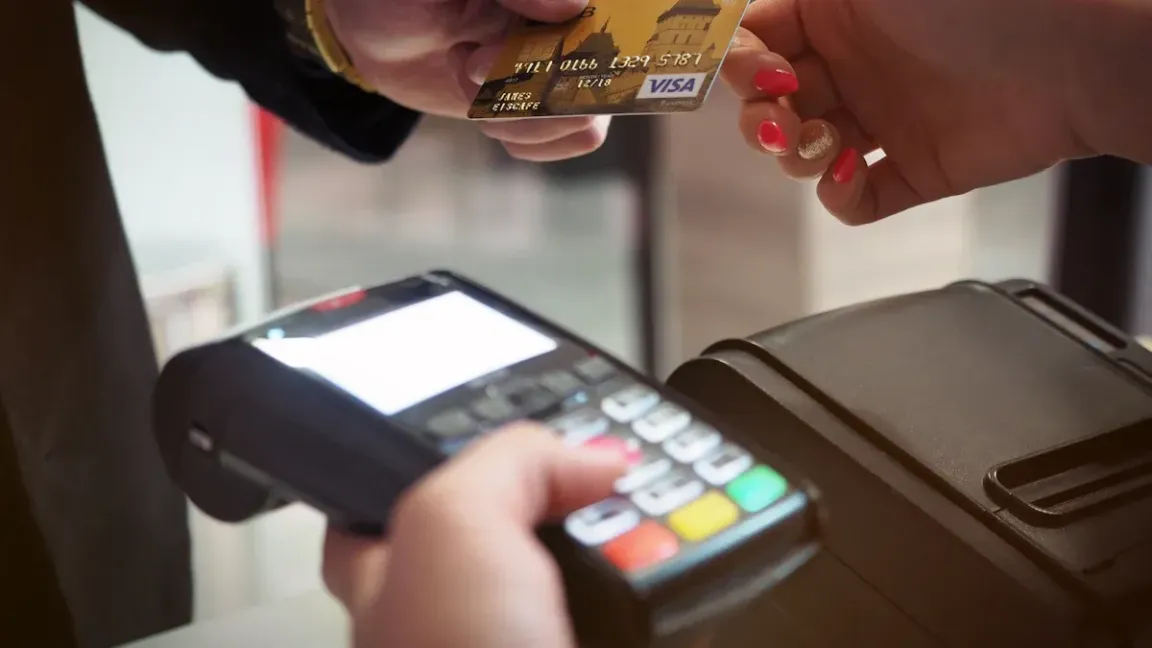
You want your kids to grow up understanding how money works, right? A debit card can be a great way to start. It gives them real-world experience with spending and saving. Instead of just handing them cash, you can teach them how to track their balance and make thoughtful decisions. For example, when they use their card to buy something, they’ll see how it affects their available funds. This hands-on approach makes financial lessons stick.
Teaching your kids how to manage money starts with the right tools, and a debit card can make all the difference. It gives them a hands-on way to learn about spending, saving, and budgeting. As parents, you get peace of mind with built-in security features and parental controls. Plus, it’s a great way to encourage independence while keeping an eye on their financial habits. With so many options out there, finding the perfect fit doesn’t have to feel overwhelming.
Encouraging Responsible Spending Habits
It’s easy for kids to think money grows on trees, especially if they’ve never had to manage it themselves. A debit card changes that. When they have their own card, they start to see the value of money. They’ll learn to prioritize what they want versus what they need. For instance, if they want to save for a new video game, they might think twice before spending on snacks or toys.
As a parent, you can guide them by setting spending limits or monitoring their transactions. This way, you’re still involved but giving them the freedom to make choices. Over time, they’ll develop habits that will help them as teens and even adults. Responsible spending starts with small, everyday decisions, and a debit card makes those lessons real.
Building Confidence in Money Management
Managing money can feel overwhelming, even for adults. But when kids start young, they build confidence over time. A debit card helps them take control of their finances in a safe environment. They’ll learn how to budget, save, and spend wisely. Each successful transaction boosts their self-esteem and shows them they’re capable of handling responsibility.
You’ll also notice how proud they feel when they pay for something themselves. It’s a small step, but it’s empowering. As they grow, these experiences will prepare them for bigger financial responsibilities. By giving them a debit card now, you’re setting them up for success in money management later.
Key Features to Look For

Security Measures (e.g., fraud protection, card locking)
When choosing a debit card for your child, security should be your top priority. You want to ensure their money stays safe, and modern debit cards offer excellent features to protect their funds. Many cards include fraud protection, like Mastercard’s Zero Liability Protection Policy, which ensures your child won’t be held responsible for unauthorized transactions. Some cards even allow you to lock the card instantly if it’s lost or stolen.
In 2023, individuals under 29 faced over $400 million in fraud losses. This highlights the importance of features like password protection, fingerprint recognition, and real-time notifications for suspicious activity. For example, Greenlight provides real-time notifications and lets parents block unsafe spending categories. These tools give you peace of mind while teaching your child about secure money management.
Parental Controls (e.g., spending limits, transaction monitoring)
Parental controls are a game-changer when it comes to managing your child’s debit card. They let you stay involved without micromanaging. You can set spending limits to ensure your child doesn’t overspend and monitor their transactions in real time. For instance, Modak’s debit card allows parents to block specific merchants and track purchases instantly.
Real-time notifications are another must-have feature. They keep you updated on every transaction, so you’ll know exactly where your child’s money is going. This level of parental oversight helps you guide your child’s spending habits while giving them the freedom to make their own choices. It’s all about finding the right balance between independence and accountability.
Educational Tools (e.g., savings goals, financial lessons)
A great debit card doesn’t just handle money—it teaches your child how to manage it. Many cards come with built-in educational tools that make learning about finances fun and interactive. For example, some apps let kids set savings goals or earn rewards for completing tasks. These features encourage them to think about their financial future while staying engaged.
Studies show that tools like self-paced learning and real-world applications, such as earning money through tasks, significantly improve financial literacy. For instance, cash rewards for completing tasks can boost engagement by 90%. By choosing a card with these features, you’re not just giving your child a way to spend money—you’re helping them build skills they’ll use for life.
Fees and Costs (e.g., monthly fees, transaction fees)
When picking a debit card for your child, understanding the fees and costs is crucial. Some cards come with monthly fees, while others charge for specific actions like ATM withdrawals or foreign transactions. These costs can add up quickly if you’re not careful. As a parent, you’ll want to choose a card that fits your budget without sacrificing essential features like parental controls or security.
Here’s a quick breakdown of common fees you might encounter:
-
Monthly Fees: Some cards charge a flat fee every month. For example, Greenlight’s plans start at $4.99 per month.
-
Transaction Fees: Certain cards may charge for purchases, especially international ones.
-
ATM Fees: If your child uses an out-of-network ATM, they might face additional charges.
-
Reload Fees: Prepaid debit cards sometimes require a fee to add money.
Age Requirements and Eligibility
Not all debit cards are available to every age group. Most cards for kids have specific age requirements, so it’s important to check eligibility before signing up. Typically, these cards are designed for children aged 6 to 18. Younger kids might need a card linked directly to a parent account, while teens often get more independence with their spending.
Here’s a quick guide to age-based options:
Some cards also require parents to open an account first. This ensures you can monitor spending and set limits as needed. By choosing a card that matches your child’s age and maturity, you’ll help them build financial skills at the right pace.
Best Debit Cards for Kids in 2025
Greenlight Debit Card: Features, Pros, and Cons
The Greenlight Debit Card is one of the most popular options for kids and families. It’s packed with features that make managing money easy and fun. Parents love it because it offers robust controls, while kids enjoy the independence it provides.
Features:
-
The Greenlight app allows you to set spending limits, track transactions, and even assign chores with rewards.
-
It includes investing tools, so your child can learn about growing their money.
-
Real-time notifications keep you updated on every purchase.
-
The card also has advanced security features like card locking and fraud protection.
Pros:
-
It’s highly rated, receiving a perfect 5.0 score from FinanceBuzz.
-
Compared to competitors like GoHenry, Greenlight offers better value. You get more features at a lower cost per child.
-
It supports savings goals, financial lessons, and even cashback on purchases.
Cons:
-
The monthly fee starts at $4.99, which can add up for larger families.
-
Some features, like investing, may feel overwhelming for younger kids.
If you’re looking for a well-rounded kids' debit card with educational tools and strong parental controls, Greenlight is a top choice. It’s perfect for teaching financial literacy while giving your child a sense of independence.
BusyKid Visa Prepaid Debit Card: Features, Pros, and Cons
The BusyKid Visa Prepaid Debit Card is another excellent option for teaching kids about money. It’s designed to help them earn, save, and spend responsibly. This card focuses on connecting chores and allowances with financial learning.
Features:
-
You can assign chores and pay allowances directly through the app.
-
Kids can save, spend, or even donate their money to charities.
-
The card includes basic parental controls, like spending limits and transaction monitoring.
Pros:
-
It’s affordable, with a flat annual fee of $19.99 for up to five cards.
-
The chore-based system makes it easy to teach kids the value of earning money.
-
It encourages generosity by allowing kids to donate to causes they care about.
Cons:
-
It lacks advanced features like investing tools or cashback rewards.
-
The app’s interface may feel a bit outdated compared to competitors.
BusyKid is a great choice if you want a simple, chore-based system to teach your child about earning and managing money. It’s especially useful for younger kids who are just starting to learn about finances.
Chase First Banking: Features, Pros, and Cons
Chase First Banking is a family debit card designed for kids as young as six. It’s a free option for parents who already have a Chase checking account. This card focuses on teaching basic money management skills in a safe environment.
Features:
-
You can set customizable withdrawal limits and track spending in real time.
-
The app includes tools for chores and allowance tracking.
-
There are no monthly fees or minimum balance requirements.
Pros and Cons:
Chase First Banking is ideal for younger kids and families already banking with Chase. It’s a simple, no-cost way to introduce your child to money management. However, it may not be the best fit for teens who need more advanced features.
Acorns Early: Features, Pros, and Cons
Acorns Early is a unique option for parents who want to introduce their kids to investing while teaching them about money management. This program focuses on building financial literacy and long-term savings habits, making it a standout choice among kids' debit card options.
Features:
-
Acorns Early allows you to set up an investment account for your child with as little as $5.
-
The app includes bite-sized lessons tailored for young users, helping them understand the basics of investing.
-
It offers a simple, automated approach to investing, with features like round-ups that invest spare change from everyday purchases.
-
Parents can monitor the account and guide their kids through the learning process.
Pros:
-
Acorns Early emphasizes financial education, addressing the gap in personal finance education in schools. Only 17 states currently require personal finance courses in high school, making this tool invaluable.
-
The program simplifies investing, even for beginners, by explaining processes and market history in an easy-to-understand way.
-
Behavioral tests conducted by Acorns show that users develop better financial habits over time.
-
It’s a great way to teach kids about long-term savings and the power of compounding.
Cons:
-
The monthly fee starts at $5, which might feel steep if you’re only using it for one child.
-
It’s more focused on investing than everyday spending, so it may not replace a traditional debit card for kids.
-
Younger children might find the concept of investing harder to grasp compared to simple budgeting or saving.
Acorns Early is perfect if you want to go beyond basic money management and introduce your child to the world of investing. It’s a great way to teach them about building wealth and planning for the future.
Copper Banking App: Features, Pros, and Cons
The Copper Banking App is designed specifically for teens, offering a modern and tech-savvy way to manage money. It combines the functionality of a prepaid debit card with tools that teach financial responsibility.
Features:
-
Copper provides a sleek app that lets teens track their spending, set savings goals, and learn about budgeting.
-
The app includes financial education resources, like lessons on credit, saving, and investing.
-
Parents can link their accounts to monitor transactions and transfer money instantly.
-
The card works anywhere Mastercard is accepted, making it versatile for both online and in-store purchases.
Pros:
-
Copper focuses on preparing teens for financial independence, with lessons that cover real-world topics like credit scores and interest rates.
-
The app’s user-friendly design makes it easy for teens to navigate and stay engaged.
-
There are no monthly fees or overdraft charges, which is a big plus for families on a budget.
-
Teens can use the app to set savings goals and track their progress, encouraging good financial habits.
Cons:
-
Copper is geared more toward teens, so younger kids might find it less suitable.
-
It doesn’t offer advanced investing features like Acorns Early, which could limit its appeal for families focused on long-term savings.
-
Some parents might prefer more robust parental controls, as Copper leans toward giving teens more independence.
If you’re looking for a prepaid debit card that helps your teen learn about money while giving them some freedom, Copper is an excellent choice. It’s a modern solution that bridges the gap between financial education and practical money management.
How to Make the Right Choice
Consider Your Child’s Age and Needs
Your child’s age plays a big role in choosing the right debit card. Younger kids might need more guidance, while teens often want more independence. For younger children, look for cards with strong parental controls. These features let you set spending limits and monitor transactions easily. Cards like Greenlight and BusyKid are great for kids under 12 because they focus on teaching basic money management skills.
Teens, on the other hand, may prefer cards that offer budgeting tools and financial education. Copper Banking is a solid choice for teens because it emphasizes independence and prepares them for real-world financial management. Think about your child’s maturity level and how much freedom they can handle. Matching the card’s features to their needs ensures they’ll get the most out of it.
Evaluate Your Family’s Budget
Budget matters when picking a debit card for your child. Some cards come with monthly fees, while others are free. For example, Chase First Banking doesn’t charge any fees, making it a great option for families who want to save money. On the other hand, cards like Greenlight and Acorns Early have monthly fees but offer extra features like investing tools and savings goals.
Take a close look at what you’re willing to spend. If you’re managing multiple kids, a card with a flat annual fee like BusyKid might be more affordable. Also, watch out for hidden costs like ATM fees or reload fees. Balancing affordability with features ensures you’re not overspending while still giving your child valuable tools for financial management.
Compare Features and Benefits
Not all debit cards are created equal. Comparing features side by side helps you find the best fit for your family. Here’s a quick breakdown of popular options:
If you want strong parental controls and educational tools, Greenlight and BusyKid stand out. For families on a budget, Chase First Banking offers a no-cost solution. Teens looking for independence might prefer Copper Banking, which focuses on preparing them for adulthood. Comparing these features ensures you’ll pick a card that aligns with your child’s needs and your family’s priorities.
Test the Card’s Usability and Support
When choosing a debit card for your child, usability and customer support can make or break the experience. A card might have all the bells and whistles, but if it’s hard to use or lacks reliable support, it could lead to frustration for both you and your child. Testing these aspects before committing can save you a lot of headaches down the road.
Ease of Use for Kids and Parents
A debit card should be simple enough for your child to use without constant help. The app or platform that comes with the card should have an intuitive design. Your child should be able to check their balance, set savings goals, or track spending with just a few taps. For you, managing parental controls and monitoring transactions should feel straightforward.
Here’s what to look for when testing usability:
-
App Interface: Is the app easy to navigate? Can your child find what they need without getting confused?
-
Transaction Speed: How quickly do transactions show up in the app? Real-time updates are ideal for teaching kids about money.
-
Parental Controls: Are the controls easy to set up and adjust? You don’t want to spend hours figuring out how to block a merchant or set a spending limit.
Availability and Quality of Customer Support
Even the best debit cards can run into issues. Maybe the card gets lost, or a transaction doesn’t go through. When that happens, you’ll want a support team that’s quick to respond and easy to reach. Before signing up, test the customer service options to see how they handle common problems.
Here are some questions to consider:
-
What Support Channels Are Available?
Does the company offer multiple ways to get help, like live chat, email, or phone support? Live chat is often the fastest option, but having a phone number for urgent issues is a big plus. -
How Responsive Is the Support Team?
Try reaching out with a simple question during their business hours. How long does it take to get a reply? A quick response time shows they value their customers. -
Is the Support Team Helpful?
When you contact them, do they provide clear and helpful answers? A good support team should make you feel confident that any issue will be resolved quickly.
Trial Periods and Refund Policies
Many debit card providers offer trial periods or money-back guarantees. Use this time to test both usability and support. Set up the card, explore the app, and even contact customer service with a question. If something doesn’t meet your expectations, you can cancel without losing money.
By testing usability and support, you’ll ensure the card you choose works smoothly for your family. A user-friendly app and reliable customer service can make managing your child’s finances a stress-free experience.
Choosing the right debit card for your kids can make a big difference in how they learn about money. It’s not just about the features—it’s about teaching them responsibility and independence. Involve your kids in the process. Let them explore options with you. This way, they’ll feel empowered and excited to manage their finances. For parents, finding a card that balances security, affordability, and usability ensures everyone benefits. Start today and help your kids build smart financial habits for life.
FAQ
What’s the best age to give my child a debit card?
Most experts recommend starting around 6–8 years old with a card that has strong parental controls. For teens, look for cards offering more independence and budgeting tools. Match the card to your child’s maturity level and financial understanding.
Are kids’ debit cards safe to use?
Yes, most kids’ debit cards come with robust security features like fraud protection, card locking, and real-time alerts. You can monitor transactions and set spending limits, ensuring your child’s money stays safe while they learn.
Can my child overspend with a debit card?
No, debit cards only allow spending up to the available balance. Many cards also let you set daily or transaction-specific limits. This helps teach your child to manage their money responsibly without the risk of overdraft fees.
Do kids’ debit cards work like regular debit cards?
Yes, but with added parental controls and educational tools. Kids can use them for online and in-store purchases, just like a regular card. Parents can monitor spending, set limits, and even block certain merchants for extra safety.
Are there free debit cards for kids?
Yes! Some options, like Chase First Banking, don’t charge monthly fees. However, others may have small fees for extra features like investing tools or savings goals. Always compare costs to find the best fit for your budget.
Related content