
How Export Declaration Forms Simplify Logistics Processes
Author:XTransfer2025.05.27Logistics Declaration Form
An export declaration form, also known as a Logistics Declaration Form, serves as a critical document in global trade. It provides customs authorities with detailed export declaration information, such as the type, quantity, and value of goods being shipped. You use this document to ensure that your shipments comply with U.S. foreign trade regulations and international trade laws.
This form plays an essential role in logistics. It helps customs officials assess the goods for compliance, calculate duties, and identify any potential security risks. Additionally, governments and trade organizations rely on the data from these Logistics Declaration Forms to analyze trade statistics and monitor economic trends. In the USA, for instance, export declaration in the USA ensures exporters meet their obligations, such as including export license details, while supporting efficient customs clearance.
Purpose of a Logistics Declaration Form
Ensuring compliance with customs regulations
You rely on the logistics declaration form to meet customs requirements and avoid penalties. This document provides detailed information about your exported goods, including their value, weight, and destination. Customs officials use this data to verify that your shipments adhere to trade regulations and taxation policies. For example, shipments valued over $2,500 or containing restricted items require a valid export license. By completing the export declaration accurately, you ensure compliance and prevent delays during customs clearance.
The U.S. Treasury Department mandates the use of export declarations for all exporters. This requirement highlights the importance of the form in maintaining compliance with export regulations. Without it, your goods may face rejection or additional scrutiny, disrupting your logistics processes.
Supporting trade statistics and economic analysis
Export declarations play a vital role in collecting accurate trade statistics. Governments and trade organizations analyze the data to monitor economic trends and assess trade flows. For example, the United Nations Commodity Trade Statistics Database uses export data to construct trade networks and identify missing information. Addressing these gaps ensures robust analysis and supports economic decision-making.
By filing your logistics declaration form correctly, you contribute to the accuracy of trade statistics. This data helps policymakers and economists understand global trade patterns and make informed decisions.
Preventing illegal trade and ensuring security
Export declarations also serve as a safeguard against illegal trade. Customs officials use the information in these forms to identify suspicious shipments and prevent unauthorized exports. For example, restricted items or goods without proper documentation may signal potential security risks. By providing accurate details about your goods, you help customs authorities maintain security and prevent illegal activities.
The logistics declaration form acts as a control document, ensuring that only authorized goods leave the country. This process protects national interests and supports international trade security. When you comply with export regulations, you contribute to a safer and more transparent global trade environment.
Key Information in an Export Declaration
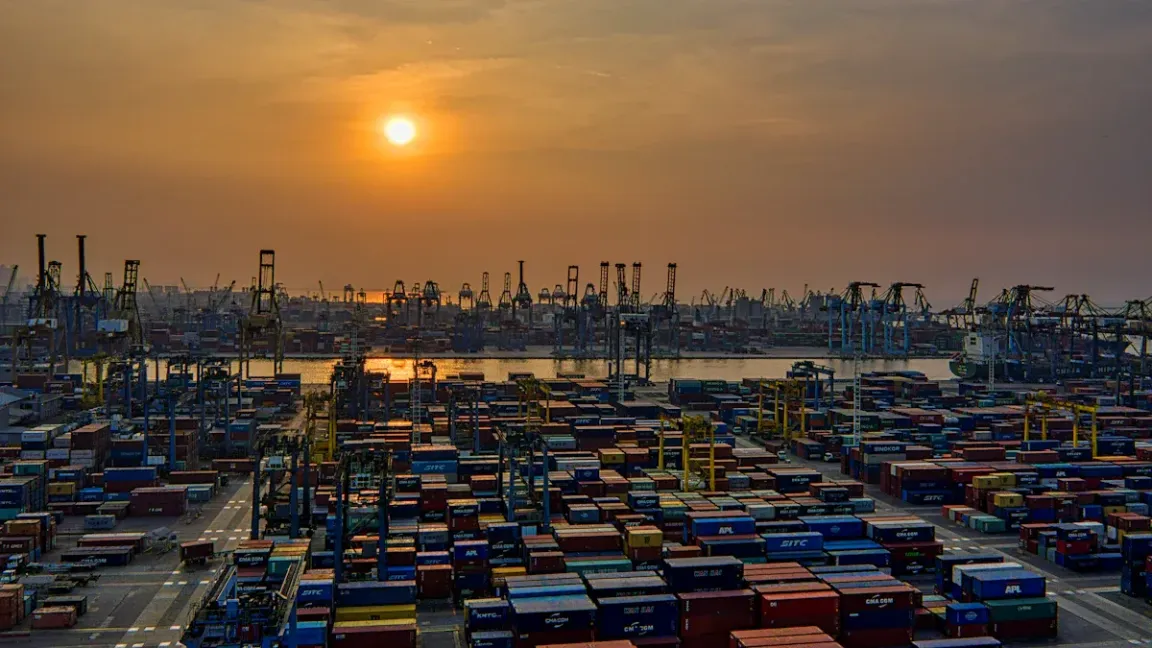
When preparing an export declaration, you must include specific details to ensure compliance and smooth processing. These details provide customs authorities with the necessary export information to assess your shipments accurately. Below are the key components you need to include.
Exporter and consignee details
The export declaration form requires accurate information about both the exporter and the consignee. Customs officials use this data to verify the parties involved in the transaction and ensure the shipment complies with international shipping regulations. Here's a breakdown of the essential details:
By providing these details, you help customs officials track and process your export shipments efficiently. Missing or incorrect information can lead to delays or penalties.
Description and classification of goods
Accurately describing and classifying your goods is another critical step in completing an export declaration. Customs authorities rely on this information to determine the applicable duties, taxes, and regulations for your shipment. You can use various documents to ensure accuracy, including:
-
Proforma Invoice
-
Commercial Invoice
-
Packing List
-
Certificates of Origin
-
Certificate of Free Sale
-
Shipper's Letter of Instruction
-
BIS-711 Form
-
Inland Bill of Lading
-
Ocean Bill of Lading
-
Air Waybill
-
Dangerous Goods Forms
-
Bank Draft
For example, a proforma invoice includes essential details such as the buyer and seller, a detailed description of the goods, the Harmonized System classification, pricing, payment terms, and delivery details. This document ensures that your export information is accurate and complete, reducing the risk of errors during customs clearance.
Export license numbers and regulatory information
Including export license numbers and regulatory details is mandatory for many international shipping transactions. These details ensure that your shipment complies with export administration regulations. Here are some key points to consider:
-
Export license numbers must appear on documents like the Commercial Invoice and the Electronic Export Filing in the Automated Export System (AES).
-
The Bureau of Industry and Security (BIS) requires electronic export information filing in AES for certain shipments, regardless of their value or destination.
-
For specific shipments under the Export Administration Regulations (EAR), you may need to include 'NLR' (No License Required) if no license is required.
-
Export classification and license numbers are essential for compliance with EAR.
By including these details, you demonstrate that your export shipments meet all regulatory requirements. This step not only ensures compliance but also helps avoid delays or fines during the customs process.
Value, quantity, and origin of goods
When completing an export declaration form, you must provide accurate details about the value, quantity, and origin of the goods being shipped. These details are essential for customs authorities to assess your shipment and ensure compliance with trade regulations.
Value of Goods
The value of your goods reflects their monetary worth and plays a critical role in determining duties and taxes. Customs officials use this information to calculate the total cost of your shipment, including tariffs. You should report the value based on the transaction price, which includes the cost of production, transportation, and insurance. Providing an accurate value ensures that your shipment complies with customs requirements and avoids unnecessary delays.
Quantity of Goods
The quantity of goods must be reported in specific units as outlined by the Harmonized Tariff Schedule of the United States (HTSUSA) or Schedule B classifications. For example, some goods may require you to report their weight in kilograms, while others may need to be measured in liters or pieces. Customs authorities rely on this data to verify the shipment's accuracy and ensure it aligns with the declared value. By documenting both the required units and their corresponding values, you help streamline the customs clearance process.
Origin of Goods
The origin of your goods refers to the country where they were produced or manufactured. This information is crucial for determining whether your shipment qualifies for preferential tariff treatments under trade agreements. Customs officials also use the origin data to monitor trade flows and enforce regulations. For instance, the country of origin helps identify goods subject to specific restrictions or embargoes. Including accurate origin details ensures your shipment adheres to international trade laws.
Export declaration forms serve as a vital tool for compiling trade statistics and economic reports. Customs authorities use the data to monitor trade patterns and assess economic trends. For example:
-
These forms include critical details such as the value, quantity, and origin of goods.
-
The country of origin determines where the goods were produced, while the country of destination identifies where they will be consumed or processed.
-
Quantity is reported in specific units, ensuring consistency with HTSUSA and Schedule B classifications.
By providing accurate information about the value, quantity, and origin of your goods, you contribute to a transparent and efficient global trade system. This step not only ensures compliance but also supports the development of reliable trade statistics.
Filing a Shipper's Export Declaration
Using electronic filing systems like AES
Electronic filing systems, such as the Automated Export System (AES), simplify the process of submitting a shipper's export declaration. AES allows you to file export documentation digitally, eliminating the need for paper forms. This system provides immediate feedback on errors or omissions, enabling you to correct mistakes before submission. By reducing manual processes, AES enhances efficiency and minimizes delays.
Using AES also improves compliance with export regulations. The system ensures that your filings meet legal requirements, reducing the risk of penalties. Additionally, AES performs automatic risk analysis, helping to prevent fraud and document forgery. These features make electronic filing a reliable and secure option for managing shipping documentation.
Common documentation and requirements
When filing a shipper's export declaration, you must include specific shipping documentation to ensure compliance. Essential documents include the Bill of Lading, Commercial Invoice, and Certificate of Origin. Each serves a unique purpose:
-
The Bill of Lading acts as a contract between you and the carrier, detailing shipment dates, freight descriptions, and shipper information.
-
The Commercial Invoice provides a detailed description of the goods, including their value and quantity.
-
The Certificate of Origin verifies the country where the goods were manufactured, which is crucial for determining tariffs and trade agreements.
You must also include consignee information, Harmonized Tariff System (HTS) codes, and export license numbers if applicable. These details ensure that customs authorities can process your shipment without delays.
Steps to ensure accuracy and avoid errors
Accurate filing of a shipper's export declaration is critical for smooth customs clearance. Follow these steps to minimize errors:
-
Gather all required information, including exporter and recipient details, product descriptions, and values.
-
Select the correct declaration type based on the goods and destination.
-
Complete the form, ensuring all fields are filled accurately.
-
Verify product classification by assigning the correct HS code.
-
Submit the declaration through the appropriate channel, such as AES.
-
Retain copies of all submitted documents for your records.
Avoid common mistakes like incorrect value declarations or incomplete documentation. Adopting electronic systems and automating documentation can further reduce errors. Regular compliance audits also help ensure adherence to export regulations.
How Export Declaration Forms Simplify Logistics
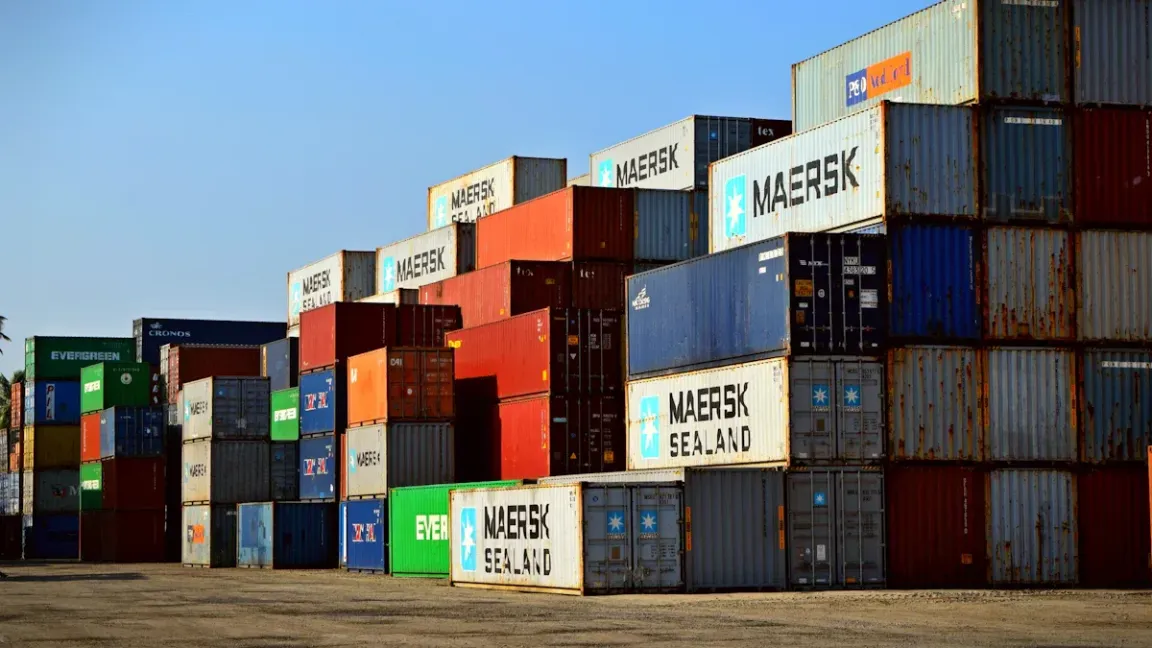
Streamlining customs clearance processes
Export declaration forms play a vital role in expediting customs clearance. By providing detailed information about your shipment, these forms help customs officials assess goods quickly and accurately. Electronic systems, such as the Automated Commercial Environment (ACE) in the U.S., allow you to file export declarations digitally. This automation speeds up the process by reducing errors and offering real-time updates on shipment status.
Customs automation programs also enhance efficiency by eliminating manual paperwork. You can track the progress of your shipment and address potential issues promptly. This streamlined approach ensures faster clearance times, saving you valuable time and resources. Utilizing electronic documentation not only simplifies the export process but also improves overall logistics operations.
Reducing delays and errors in documentation
Transitioning from paper-based systems to digital platforms significantly reduces delays and errors in export documentation. Export declaration forms, when filed electronically, ensure that all required information is accurate and complete. Digital systems can cut document processing time by up to 80%, allowing you to focus on other aspects of your logistics operations.
Automated tools also help you avoid common mistakes, such as incorrect product classifications or missing export license numbers. These errors can lead to costly delays during customs clearance. By using intelligent logistics management systems, you can generate essential export documents like commercial invoices and packing lists automatically. This integration with customs authorities ensures compliance and boosts operational efficiency.
Enhancing transparency and accountability
Export declaration forms improve transparency and accountability in trade operations. Electronic export manifests allow you to track shipments in real time, providing greater visibility into transportation stages. This transparency enhances customer satisfaction by keeping them informed about delivery progress.
Accurate documentation also supports compliance with customs regulations. Early identification of potential issues ensures that your shipment meets all requirements, avoiding delays or penalties. Federal regulations mandate the retention of trade documents, which helps you maintain accountability during audits or investigations. By transitioning to electronic systems, you facilitate better communication with customs officials and ensure smoother logistics processes.
Supporting efficient supply chain management
Efficient supply chain management depends on accurate and timely information. Export declaration forms play a key role in ensuring smooth operations by providing essential details about your shipments. These forms act as a central source of truth, helping you and your supply chain partners stay aligned throughout the shipping process.
One major benefit of using export declaration forms is their ability to enhance transparency. By including detailed information about the goods, their value, and their origin, these forms allow all stakeholders to track shipments more effectively. This visibility builds trust among supply chain partners and ensures that everyone has access to the same data.
Export declaration forms also streamline operations by reducing administrative burdens. Filing these forms electronically eliminates the need for excessive paperwork, saving you time and resources. Automated systems, such as the Automated Export System (AES), further simplify the process by validating your data and flagging potential errors before submission. This efficiency ensures that your shipments move through the supply chain without unnecessary delays.
The benefits of export declaration forms extend beyond logistics. They also support regulatory compliance and quality control, which are critical for maintaining the integrity of your supply chain. The table below highlights how these forms contribute to efficient supply chain management:
By leveraging export declaration forms, you can optimize your supply chain, improve collaboration, and ensure timely deliveries. These tools not only simplify logistics but also strengthen your overall trade operations.
Tips for Exporters to Ensure Compliance
Double-checking the accuracy of information
Accuracy is critical when completing export declaration forms. Even minor errors can lead to misunderstandings with customs officials, resulting in legal penalties or shipment delays. You should carefully verify all details, including exporter and consignee information, product descriptions, and values. For instance, ensure that the Harmonized System (HS) codes match the goods being shipped.
Thoroughly reviewing your forms minimizes the risk of complications. Customs officials rely on accurate data to assess shipments and calculate duties. By double-checking your information, you help prevent delays and maintain compliance with export regulations.
Submitting forms on time to avoid delays
Timely submission of export declaration forms is essential for smooth logistics operations. Late filings can disrupt customs processing, delay shipments, and even result in financial penalties. To avoid these issues, you should prioritize submitting your forms well before the shipment date.
By ensuring your export declaration must be filed on time, you maintain compliance and protect your reputation in the global market. Timely submissions also demonstrate professionalism and reliability to your trading partners.
Leveraging customs brokers or software tools
Navigating export regulations can be complex, especially for businesses handling large volumes of shipments. You can simplify the process by using customs brokers or specialized software tools. These resources help you manage documentation, ensure compliance, and reduce the risk of errors.
Customs brokers are experts in export regulations. They can guide you through the process, from classifying goods to filing the export declaration to be filed electronically. Alternatively, software tools offer automated solutions for generating and submitting forms. These tools validate your data, flag potential issues, and streamline the entire process.
A well-documented export compliance program further enhances efficiency. It helps you understand classification and reporting requirements, reducing the risk of violations. By leveraging these resources, you can focus on growing your business while ensuring compliance with export laws.
Staying updated on regulatory changes
Regulatory changes in export declarations happen frequently. Staying informed about these updates is essential for maintaining compliance and avoiding penalties. You must actively monitor changes in export control laws, licensing requirements, and customs procedures to ensure your shipments meet all legal standards.
Export regulations often become more complex over time. Governments introduce new rules to address emerging trade challenges, such as security concerns or economic shifts. For example, many countries now require exporters to use digital systems for filing export declarations. These systems simplify the process but also demand that you stay updated on how to use them effectively.
Global events can also impact export regulations. Supply chain disruptions, like those caused by the COVID-19 pandemic, have led to temporary changes in licensing processes and documentation requirements. By staying informed, you can adapt quickly to these shifts and avoid delays in your logistics operations.
The table below highlights key trends in regulatory changes that you should monitor:
To stay ahead, consider using tools like automated compliance software. These tools alert you to regulatory updates and help you adjust your processes accordingly. Additionally, attending trade seminars or consulting with customs brokers can provide valuable insights into evolving regulations. By staying proactive, you ensure your export operations remain compliant and efficient.
Export declaration forms simplify logistics by ensuring smooth customs clearance and compliance with trade regulations. These forms reduce delays, prevent errors, and enhance operational efficiency. Their role extends beyond logistics, supporting trade compliance and protecting businesses from fines or legal issues.
-
Proper documentation, such as commercial invoices and packing lists, ensures seamless customs processing.
-
Compliance with regulations avoids penalties and builds trust in global trade.
By adopting best practices for filing, you can streamline your operations and contribute to a transparent and efficient trade system.
FAQ
What is the purpose of an export declaration form?
An export declaration form ensures your shipment complies with customs regulations. It provides essential details like the type, value, and origin of goods. Customs officials use this information to assess duties, prevent illegal trade, and streamline the clearance process.
Do all shipments require an export declaration?
Not all shipments need an export declaration. For example, in the U.S., shipments valued under $2,500 or those exempt under specific trade agreements may not require one. Always check your country’s regulations to determine if your shipment qualifies for an exemption.
How can you avoid errors when filing export declarations?
You can avoid errors by double-checking all details, such as product descriptions, HS codes, and values. Use electronic systems like AES to validate your data. Automated tools or customs brokers can also help ensure accuracy and compliance.
What happens if you submit an incomplete export declaration?
Incomplete export declarations can delay customs clearance. Customs officials may reject your shipment or impose penalties. To avoid this, ensure all required fields are filled accurately and submit the form on time.
Can you file export declarations electronically?
Yes, you can file export declarations electronically using systems like the Automated Export System (AES). These platforms simplify the process, reduce paperwork, and provide real-time feedback on errors, ensuring faster and more efficient submissions.
Related content