
How a Certificate of Insurance Protects You and Your Business
Author:XTransfer2026.01.06Certificate of Insurance
A Certificate of Insurance (COI) is a standardized document that proves a business holds active insurance coverage. It plays a critical role in risk management, contract compliance, and trust-building between companies. Many commercial agreements require a COI because it clearly demonstrates that a business can handle potential liabilities and financial losses arising from unexpected events. Research shows that companies without adequate insurance face a significantly higher risk of financial loss, while proper insurance verification can substantially reduce liability claims. For small businesses in particular, maintaining an up-to-date COI is both a basic requirement and a practical safeguard.

What Is a Certificate of Insurance
A Certificate of Insurance is a concise summary of an insurance policy issued by an insurance company or broker. It confirms that coverage is in force and outlines the essential terms of the policy. In most markets, the ACORD 25 form is used as the industry standard, making COIs easy to recognize and understand across different sectors.
Businesses rely on a COI when entering contracts, onboarding new clients, or starting projects. In practice, a large majority of companies request a COI before work begins, as it reduces misunderstandings and clarifies risk allocation. It is important to note that a COI does not modify the insurance policy itself; instead, it reflects the status and scope of coverage at the time the certificate is issued.
Key Information Included in a COI
A COI contains several core data points that allow third parties to quickly assess insurance coverage. Each element serves a specific verification purpose.
Policyholder and Policy Identification
The certificate lists the name of the policyholder, clearly identifying who owns the insurance. It also includes a unique policy number, which allows insurers and counterparties to reference or verify the policy directly with the carrier.
Coverage Period
Effective and expiration dates indicate when coverage begins and ends. These dates are critical for contract compliance, as a policy that expires during a project can create significant exposure. A notable share of contract disputes stems from misunderstandings or gaps related to coverage dates.
Types of Coverage and Limits
The COI specifies the types of insurance in place, such as general liability, auto liability, workers’ compensation, or umbrella coverage. Alongside each coverage type, the certificate shows the coverage limits, representing the maximum amount the insurer will pay for claims.
Insurance Carrier and Cancellation Terms
The document identifies the insurance company providing coverage and outlines cancellation notice provisions. This section explains how much advance notice is given if a policy is canceled, which is essential for ongoing risk monitoring.
Certificate Holder and Additional Details
The certificate holder section names the party requesting proof of insurance. Additional fields may describe operations, locations, vehicles, or endorsements, offering context on how the coverage applies to specific activities or projects. An authorized representative’s signature confirms the certificate’s validity.
Certificate of Liability Insurance
A certificate of liability insurance is one of the most commonly requested forms of COI. It demonstrates that a business carries liability coverage to address claims related to bodily injury, property damage, or operational accidents. Clients, landlords, and vendors frequently require this certificate before entering into commercial relationships.
Common Liability Coverages Shown on a COI
General liability insurance covers third-party injuries or property damage linked to business operations. Auto liability applies to incidents involving business vehicles. Workers’ compensation protects employees injured on the job, while umbrella liability extends coverage beyond standard limits.
Practical Importance in Real Scenarios
Liability certificates have direct financial implications. For example, a retail business facing a customer injury claim or a contractor responsible for accidental property damage can rely on liability insurance to cover legal fees and settlements. In such cases, the COI serves as immediate proof that coverage exists, preventing disputes and delays.
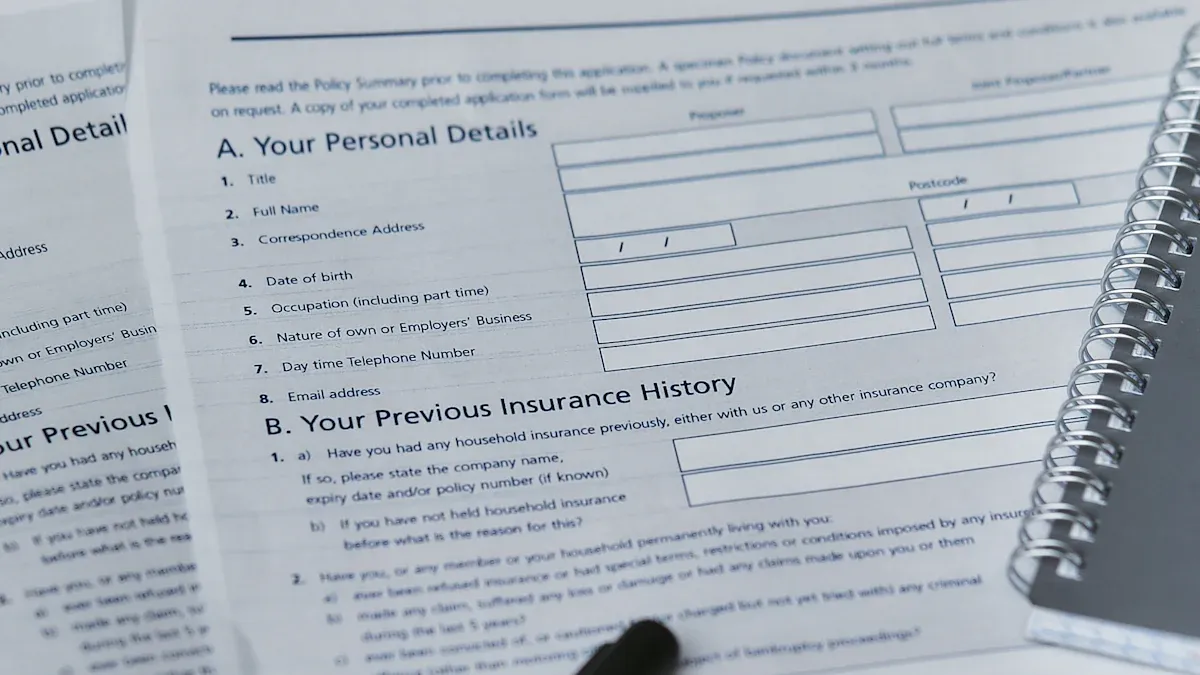
Benefits of a Certificate of Insurance
Proof of Coverage
A COI provides clear, standardized proof of insurance, which is essential for meeting legal, contractual, and industry requirements. Presenting a valid COI reassures counterparties that a business is financially responsible and prepared to handle risk. This transparency often facilitates faster contract approvals and smoother negotiations.
Risk Mitigation and Cost Control
Collecting and managing COIs from vendors, subcontractors, or partners helps businesses reduce exposure to uninsured risks. Poor COI management is linked to higher insurance premiums and increased claims disputes. Digital COI tracking tools are increasingly used to maintain accurate records, prevent lapses in coverage, and support audit readiness.
Trust and Professional Credibility
Providing a current COI signals professionalism and accountability. Clients and partners gain confidence when insurance details are readily available and verifiable. This trust reduces friction in commercial relationships and supports long-term cooperation, especially in regulated or high-risk industries.
Certificate of Insurance for Contractors
Who Typically Needs a COI
Contractors, subcontractors, vendors, and service providers are commonly required to present a COI. Construction firms, property managers, event organizers, and corporate clients often mandate proof of insurance before work begins. Without a COI, businesses may be excluded from projects due to unmanaged liability risks.
When a COI Is Required
A COI is usually required before contract execution, at project kickoff, during compliance audits, or upon contract renewal. Contractors who engage subcontractors should also collect and review their COIs to ensure adequate downstream coverage. Starting work without a valid COI can expose all parties to unnecessary financial risk.
Industry-Specific Examples
In construction, COIs confirm that contractors carry general liability and workers’ compensation insurance. Property management companies require COIs from tenants and vendors to protect building owners. Event organizers request COIs from exhibitors and service providers to cover on-site incidents. In each case, the COI verifies coverage limits, policy status, and additional insured requirements.
How to Get and Verify a COI
How to Get a Certificate of Insurance
Obtaining a COI is a straightforward process. Businesses begin by confirming they have active insurance coverage and are properly licensed and registered. An application is submitted through an insurance agent or provider, along with basic business and policy information. After any required fees are paid and documents reviewed, the insurer issues the COI, often within one business day. To remain valid, the certificate must be updated whenever policies renew or coverage changes.
How to Verify a COI
Verifying a COI is essential to prevent fraud and coverage gaps. Businesses should review the insurer’s name, policy number, coverage limits, and effective dates. It is important to confirm that required parties are listed as certificate holders or additional insureds. Many organizations use digital verification tools or contact insurers directly to confirm authenticity and ongoing validity.
Why COIs Matter for Ongoing Compliance
A Certificate of Insurance is a foundational tool for managing commercial risk. It protects businesses from lawsuits, financial losses, and compliance failures while reinforcing trust with clients and partners. Maintaining accurate, up-to-date COIs and verifying those received from others helps ensure contractual compliance and operational stability.
Frequently Asked Questions
What is the difference between a COI and an insurance policy
A COI is a summary document that provides proof of insurance. It does not replace or alter the full insurance policy, which contains detailed terms and conditions.
How long does it take to get a COI
In most cases, a COI can be issued within the same business day, and sometimes within a few hours, depending on the insurer.
Who should keep a copy of the COI
Both the insured business and the requesting party should retain copies of the COI for recordkeeping and future verification.
Can a COI expire
Yes. A COI reflects the policy’s effective and expiration dates. Once the underlying policy expires or changes, a new certificate is required.
Related content