
Facilitation Quota Simplifies Trade for Developing Nations
Author:XTransfer2025.12.04Facilitation Quota
Duty-free and quota-free market access is a trade policy designed to eliminate tariffs and quotas on goods from developing countries. By removing these barriers, it simplifies the process of exporting goods, allowing these nations to compete more effectively in the global market. This approach not only lowers trade costs but also opens up new opportunities for economic growth.
The impact of this policy is significant. Over 15 years, global free trade could lift an estimated 500 million people out of poverty, reducing poverty rates by 20 percent. Countries like India, Vietnam, and Uganda have already seen notable results. Between 1993 and 1998, these nations experienced faster economic growth and a 14 percent decline in poverty due to trade liberalization. By embracing the Facilitation Quota, developing countries can unlock sustainable growth and improve living standards.
Duty-Free and Quota-Free Market Access Explained
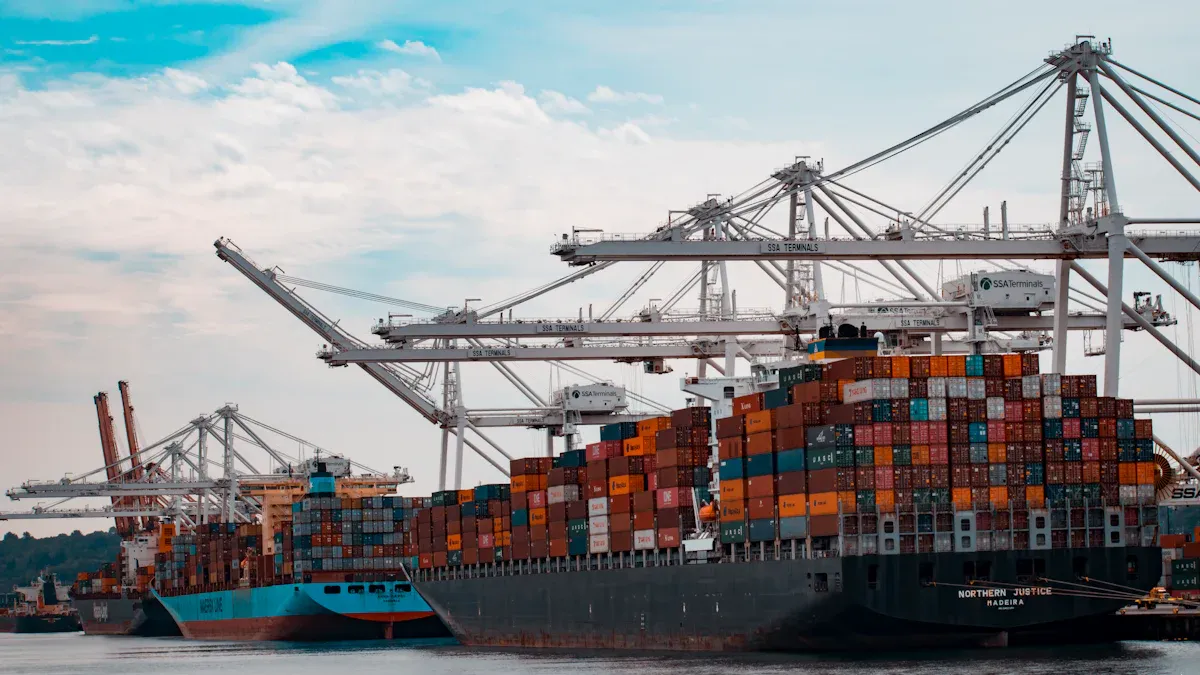
Definition and Purpose
Duty-free and quota-free market access policies aim to eliminate tariffs and quotas on goods exported by developing nations. These policies simplify trade by removing financial and administrative barriers, enabling you to export products more competitively. By reducing costs, they create opportunities for economic growth and development.
For example, U.S. trade preference programs have increased imports from developing countries, promoting their economic development. However, gaps in product coverage sometimes limit export options. These programs also balance the expansion of imports with the protection of domestic industries, which can lead to exclusions of certain products.
|
Evidence Type |
Description |
|---|---|
|
Economic Impact |
Benefits U.S. businesses and consumers through lower prices and foreign policy opportunities. |
|
Development Opportunities |
Promotes economic growth in developing countries, though some export options remain limited. |
|
Policy Trade-offs |
Balances import expansion with domestic industry protection, excluding some products. |
|
Administrative Conditions |
Rules like 'competitive need limits' affect how countries utilize trade preferences. |
Mechanisms Behind Facilitation Quota
Facilitation quotas are mechanisms that regulate the volume of goods eligible for duty-free and quota-free treatment. These quotas ensure fair trade practices while maintaining market stability. You benefit from these quotas by gaining predictable access to international markets.
Administrative conditions, such as rules of origin, determine whether goods qualify for preferential treatment. These rules require you to meet specific criteria, such as sourcing materials locally or adhering to production standards. While these conditions promote transparency, they can also pose challenges for smaller exporters.
Research studies, like those using the MIRAGE computable general equilibrium model, assess the costs and benefits of facilitation quotas. These studies examine how duty-free and quota-free access impacts least-developed countries and evaluate the political feasibility of such programs.
|
Aspect |
Details |
|---|---|
|
Study Title |
The costs and benefits of duty-free, quota-free market access for poor countries |
|
Methodology |
Utilizes the MIRAGE computable general equilibrium model |
|
Focus |
Examines the impact on least-developed countries |
|
Goals |
Assesses costs and benefits distribution, evaluates political feasibility |
Global Agreements Supporting Market Access
International agreements play a crucial role in promoting duty-free and quota-free market access. These agreements, such as the WTO Trade Facilitation Agreement, establish commitments to simplify trade procedures. They provide you with a framework to navigate global trade more efficiently.
The WTO Statistics database offers insights into market access indicators and trade statistics. It helps you analyze trends and identify opportunities for growth. Similarly, the Global Services Trade Data Hub allows you to customize trade analyses and create dynamic charts for better decision-making.
|
Source |
Description |
|---|---|
|
Trade Facilitation Agreement Database |
Tracks WTO Members’ commitments under the Trade Facilitation Agreement. |
|
Global Services Trade Data Hub |
Offers WTO data on services trade, enabling dynamic chart creation. |
|
WTO Statistics |
Provides market access indicators and trade statistics. |
|
Monitoring agri-trade policy |
Analyzes agri-food policy and trade in international environments. |
|
Deep Trade Agreements |
Assesses the content and impact of deep trade agreements. |
These agreements not only simplify trade but also foster collaboration among nations. By adhering to WTO commitments, you can unlock new opportunities for economic growth and development.
Benefits of Duty-Free and Quota-Free Market Access
Expanding Market Access for Developing Nations
Duty-free and quota-free policies open doors for developing nations to access global markets. By removing tariffs and quotas, these policies allow you to export goods more competitively. This creates opportunities to reach new customers and expand your trade footprint. For least developed countries, this access can be transformative, enabling them to integrate into the global economy.
Improved market access has shown significant benefits.
-
It drives rapid economic growth.
-
It reduces poverty by creating new trade opportunities.
-
It encourages a coherent approach to trade and development, helping you respond effectively to market demands.
|
Country/Region |
Case Study Example |
Outcome/Impact on Trade Policy |
|---|---|---|
|
Malawi |
Struggles with trade policy |
Lack of resources affects participation in WTO |
|
Costa Rica |
Successful textile trade |
High interaction between government and private sector |
|
India |
Coordination among agencies |
Successful trade policy development |
|
Thailand |
Middle-sized economy success |
Achieved significant wins in WTO |
These examples highlight how market access policies can either succeed or face challenges depending on the resources and coordination available. By leveraging duty-free and quota-free policies, you can overcome barriers and unlock new opportunities for growth.
Promoting Economic Growth and Job Creation
Duty-free and quota-free market access stimulates economic growth by reducing trade costs. When you can export goods without tariffs or quotas, your products become more competitive. This leads to increased demand, higher production, and ultimately, job creation. For least developed countries, this growth can be a game-changer.
Estimates show that eliminating all barriers to merchandise trade could generate welfare gains of up to $680 billion annually. One-third of these gains would benefit developing nations. This underscores the importance of coherent trade policies that prioritize market access.
|
Evidence Type |
Description |
|---|---|
|
Welfare Gains |
Estimates of the welfare gains from eliminating all barriers to merchandise trade range from US$250 billion to US$680 billion annually, with one-third accruing to developing countries. |
|
Market Access Impact |
Improved market access is linked to significant welfare gains, particularly for developing countries, emphasizing the need for coherent trade policies. |
By focusing on policies that enhance market access, you can drive economic growth and create jobs in sectors like agriculture, textiles, and manufacturing. These industries often employ large numbers of workers, making them critical for poverty reduction.
Reducing Poverty Through Trade Opportunities
Duty-free and quota-free policies play a vital role in reducing poverty. By lowering trade costs, these policies make it easier for you to export goods and access international markets. This creates opportunities for impoverished producers and consumers to benefit from global trade.
The Open Working Group emphasizes the importance of a rules-based, multilateral trading system. This includes improved Aid for Trade support and lowering tariff barriers for exports from least developed countries. By embracing these principles, you can create a pathway to long-term poverty alleviation.
Challenges in Utilizing Duty-Free and Quota-Free Market Access
Compliance with Trade Standards
Adhering to trade standards is essential for benefiting from duty-free and quota-free market access. You must meet specific requirements, such as product quality, safety regulations, and rules of origin. These standards ensure fair competition and protect consumers. However, compliance can be challenging, especially for smaller exporters in least-developed countries. Limited resources and technical expertise often hinder their ability to meet these requirements.
International trade monitors play a crucial role in ensuring compliance. For example:
-
The U.S. Government evaluates trade agreements before implementation to confirm adherence to obligations.
-
Continuous reviews of laws and regulations ensure ongoing compliance with duty-free and quota-free schemes.
These measures help maintain transparency and trust in global trade systems.
Risks of Dependency on Preferential Access
Relying heavily on preferential market access can create vulnerabilities. If your economy depends on a single trade partner or a limited range of products, any policy changes or economic disruptions could have severe consequences. Diversifying trade relationships and export portfolios is vital to reduce these risks.
Economic analyses highlight the dangers of dependency:
|
Aspect |
Evidence |
|---|---|
|
Dependency Risks |
Economies relying on specific partners face vulnerabilities, as seen in recent U.S. trade policies. |
|
Export Dependency |
70% of North America's exports and 85% of Africa's depend on external markets. |
|
Global Trade Dynamics |
The COVID-19 pandemic exposed risks in global supply chains, emphasizing the need for diversification. |
By reducing dependency, you can build resilience and adapt to changing global trade dynamics.
Addressing Unequal Benefits Among Nations
Duty-free and quota-free policies do not always benefit all nations equally. While some countries experience significant economic growth, others struggle to compete due to structural challenges. Small-scale farmers and urban consumers often face barriers that limit their ability to take full advantage of market access opportunities.
Empirical studies reveal that trade liberalization can drive growth but does not distribute benefits evenly. For example:
-
Food security and trade policies often favor larger economies, leaving smaller nations at a disadvantage.
-
Protectionist measures in some regions widen the gap between expected gains and actual outcomes.
To address these disparities, you need targeted support, such as capacity-building programs and infrastructure investments. These initiatives can help ensure that all nations, especially least-developed countries, benefit from global trade opportunities.
Successful Examples of Duty-Free and Quota-Free Market Access

African Growth and Opportunity Act (AGOA)
The African Growth and Opportunity Act (AGOA) has transformed trade relations between Africa and the United States. It provides duty-free access for eligible African products, helping you export goods more competitively. Since its inception, AGOA has driven remarkable growth in trade volumes and job creation across the continent.
-
Trade volumes surged from $17 billion in AGOA's first year to $80 billion by 2008.
-
African exports to the U.S. increased by 300% during the first decade of the program.
-
Between 300,000 and 1.3 million jobs were created by 2012 due to AGOA.
-
South Africa’s automotive exports to the U.S. grew from $150 million in 2000 to $2.2 billion in 2013, though they later declined to $1.48 billion in 2022.
-
AGOA exports reached $10.3 billion in 2022, marking a 26% increase compared to 2001.
AGOA has opened new market opportunities and strengthened U.S.-Africa economic ties. However, diversifying exports remains a challenge, as oil and apparel dominate trade under the program. By exploring non-oil sectors, you can unlock further growth potential.
European Union’s Everything But Arms (EBA) Initiative
The European Union’s Everything But Arms (EBA) initiative offers duty-free and quota-free access to all goods, except arms and ammunition, from least-developed countries. This program allows you to export products to the EU without facing trade barriers, fostering economic development and poverty reduction.
Countries participating in the EBA have seen significant benefits. For example, Cambodia leveraged the initiative to boost its garment exports, creating thousands of jobs and improving living standards. Similarly, Bangladesh expanded its textile industry, becoming one of the world’s leading exporters. These successes highlight how the EBA can help you integrate into global markets and achieve sustainable growth.
Despite its advantages, the EBA faces criticism for uneven benefits. Smaller economies often struggle to compete with larger exporters, and compliance with EU standards can be challenging. Addressing these issues through capacity-building programs can help you maximize the initiative’s potential.
Insights from Other Global Programs
Several other global programs have successfully promoted duty-free and quota-free market access. For instance, the Generalized System of Preferences (GSP) allows you to export goods to developed countries with reduced tariffs. This program has supported economic growth in nations like Indonesia and the Philippines by enhancing their trade competitiveness.
The Aid for Trade initiative, led by the World Trade Organization, focuses on building trade-related infrastructure and capacity. It helps you overcome barriers such as limited resources and technical expertise, enabling you to benefit from market access opportunities.
These programs demonstrate the importance of international collaboration in simplifying trade for developing nations. By participating in such initiatives, you can unlock new opportunities for growth and development.
Duty-free and quota-free market access simplifies trade for developing nations by removing barriers that hinder economic participation. This approach enables you to compete globally, fostering growth and reducing poverty. Collaboration among nations is essential to address challenges like unequal benefits and compliance issues. By working together, you can ensure fair opportunities for all.
The long-term potential of this policy lies in its ability to create sustainable economic growth and improve living standards. By embracing these opportunities, you can contribute to a more equitable global economy.
FAQ
What is the main purpose of duty-free and quota-free market access?
The main purpose is to help you export goods without paying tariffs or facing quantity restrictions. This policy reduces trade costs, making your products more competitive in global markets. It also promotes economic growth and poverty reduction in developing nations.
How can you qualify for duty-free and quota-free access?
To qualify, you must meet specific criteria like rules of origin. These rules require your products to be made locally or meet certain production standards. Compliance ensures fair trade and helps you benefit from preferential market access.
What are the challenges of using duty-free and quota-free policies?
You may face challenges like meeting trade standards, diversifying exports, or avoiding dependency on preferential access. Smaller exporters often struggle with limited resources and technical expertise, which can make compliance difficult.
Which industries benefit the most from these policies?
Industries like agriculture, textiles, and manufacturing benefit the most. These sectors often employ large numbers of workers, helping you create jobs and reduce poverty. Improved market access also boosts production and exports in these industries.
How do global agreements support duty-free and quota-free access?
Global agreements like the WTO Trade Facilitation Agreement simplify trade procedures. They provide you with a framework to navigate international markets efficiently. These agreements also encourage collaboration among nations to promote equitable trade opportunities.
Related content