
Everest Bank SWIFT Code Explained for International Use
Author:XTransfer2025.08.12Everest Bank SWIFT Code
The Everest Bank SWIFT code plays a crucial role in international banking. It ensures that your money reaches its destination safely and without errors. This unique identifier links banks worldwide, allowing you to send or receive funds securely. Whether you’re transferring money to family abroad or paying for services overseas, the SWIFT code guarantees precision in every transaction. By using this code, you can trust that your funds will arrive at the correct bank without unnecessary delays.
What Is a SWIFT Code?
Definition of a SWIFT Code
A SWIFT code is a unique identifier used by banks and financial institutions worldwide. It ensures that international transactions are routed to the correct bank. Think of it as a global banking address that helps your money find its way to the right destination. The term "SWIFT" stands for the Society for Worldwide Interbank Financial Telecommunication, the organization that developed this system. Each SWIFT code is a combination of letters and numbers, making it easy to identify specific banks and their branches.
Purpose in Global Banking
The SWIFT system plays a vital role in global banking. It allows banks to communicate securely and efficiently when processing international payments. Without SWIFT codes, transferring money across borders would be slower and prone to errors. For example, when you send money to a friend overseas, the SWIFT code ensures that your funds reach the correct bank. It eliminates confusion and reduces the risk of misdirected payments. This system also supports other financial activities, such as currency exchanges and trade financing.
Key Components of a SWIFT Code
A SWIFT code consists of 8 to 11 characters, each serving a specific purpose. Here’s a breakdown of its structure:
-
Bank Code (4 letters): Identifies the bank. For example, "EVBL" represents Everest Bank.
-
Country Code (2 letters): Indicates the country where the bank is located. For Nepal, the code is "NP".
-
Location Code (2 characters): Specifies the bank’s head office or a particular branch.
-
Branch Code (3 characters, optional): Points to a specific branch of the bank. If omitted, it refers to the main office.
Here’s an example of a SWIFT code: EVBLNPKA. In this case:
-
"EVBL" identifies Everest Bank.
-
"NP" shows the bank is in Nepal.
-
"KA" refers to the Kathmandu branch.
By understanding these components, you can easily interpret any SWIFT code and ensure accurate transactions.
Why Is the Everest Bank SWIFT Code Important?
Role in International Transactions
The Everest Bank SWIFT code acts as a bridge between banks across the globe. When you send or receive money internationally, this code ensures that your funds reach the correct destination. It eliminates confusion by identifying the exact bank and branch involved in the transaction. For example, if you are paying for goods from another country, the SWIFT code ensures that your payment reaches the seller’s bank without delays. This system simplifies international transactions and makes global banking more efficient.
Accuracy and Security in Cross-Border Payments
Accuracy is critical when dealing with international payments. The SWIFT code minimizes errors by providing precise details about the receiving bank. This accuracy reduces the chances of funds being sent to the wrong account. Additionally, the SWIFT network prioritizes security. It uses encrypted communication to protect sensitive financial information. When you use the Everest Bank SWIFT code, you can trust that your payments are secure and handled with care. This reliability makes it a preferred choice for cross-border transactions.
Benefits for Everest Bank Customers
As an Everest Bank customer, you enjoy several advantages when using the SWIFT code for international payments. The bank’s extensive network of 94 branches, 28 Revenue Collection Counters, and 119 ATMs ensures professional and efficient service. With over 1 million satisfied customers, Everest Bank has earned a reputation for reliability. It has also been recognized as the best-rated bank among commercial banks under the CAMELS rating. These factors make Everest Bank a trusted partner for your international banking needs.
How to Find Everest Bank's SWIFT Code
Everest Bank Website
The easiest way to find a SWIFT code is by visiting the official Everest Bank website. Banks often display their SWIFT codes on their "Contact Us" or "International Banking" pages. Navigate to these sections and look for the code listed alongside other banking details. If you cannot locate it immediately, use the search bar on the website to type "SWIFT code." This method ensures you get the most accurate and up-to-date information directly from the bank.
Customer Service Assistance
If you prefer speaking to someone, Everest Bank’s customer service team can help you find a SWIFT code. Call the bank’s helpline or visit your nearest branch to ask for assistance. The staff will provide the correct code and guide you on how to use it for international transactions. This option is especially helpful if you have additional questions about the process.
Bank Statements and Documents
Your bank statements and official documents from Everest Bank may also include the SWIFT code. Check the header or footer of your statement, as banks often print this information there. If you have received any correspondence from the bank regarding international banking, it might also contain the SWIFT code. Keeping these documents organized can save you time when you need to find a SWIFT code quickly.
How to Use the SWIFT Code for International Transactions
Sending Money Internationally
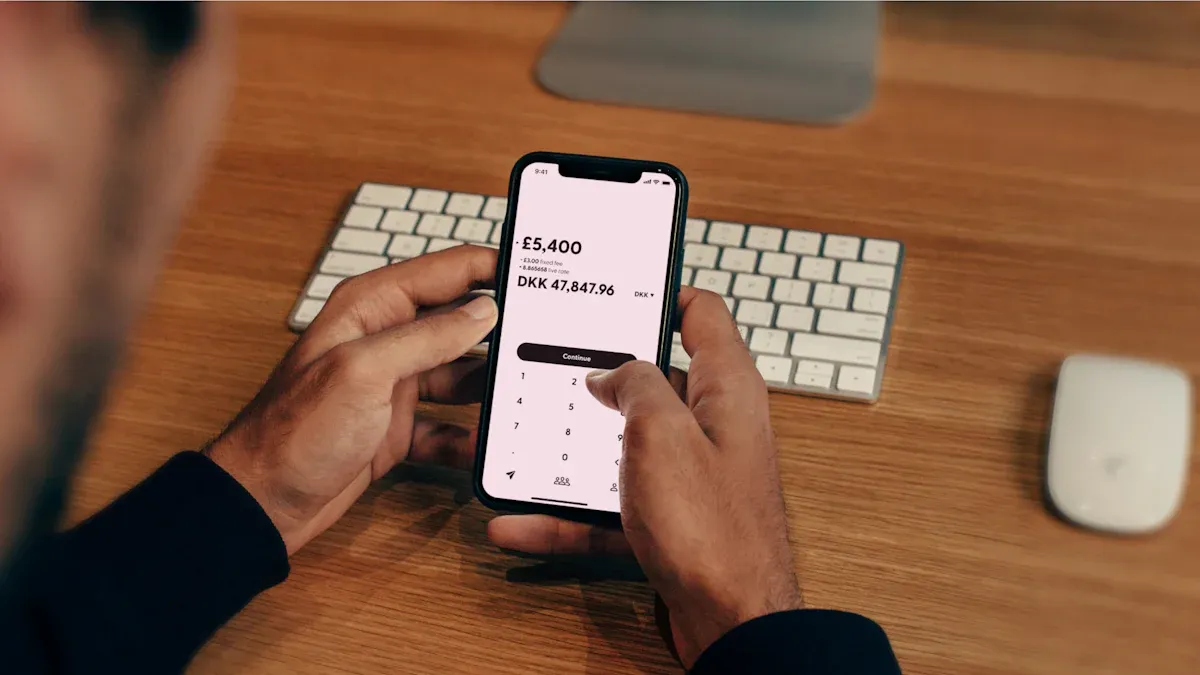
Using a SWIFT code simplifies the process of sending money internationally. You need to provide the recipient's bank details, including their SWIFT code, account number, and name. This ensures the funds reach the correct destination. Start by visiting your bank or using its online banking platform. Enter the recipient's information carefully. Double-check the SWIFT code to avoid errors. Once you confirm the details, initiate the transaction. The SWIFT system routes your payment securely to the recipient's bank.
Banks often charge fees for international money transfers. Check the fee structure before proceeding. Some banks offer lower fees for online transactions compared to in-person services. If you plan to transfer money internationally frequently, consider exploring options that minimize costs while maintaining security.
Receiving Money from Overseas
Receiving money from overseas requires you to share your bank details with the sender. Provide your SWIFT code, account number, and name. This information allows the sender's bank to route the payment accurately. If you’re unsure about your SWIFT code, refer to your bank statement or contact customer service.
Once the sender initiates the transfer, the SWIFT system processes the payment and delivers it to your account. Depending on the banks involved, the transaction may take a few days. Monitor your account to confirm the receipt of funds. If there’s a delay, contact your bank for assistance.
Additional Information Needed
When using a SWIFT code for international transactions, you may need additional details. Some banks require the recipient’s address or the purpose of the transfer. Providing complete information reduces the chances of delays or errors.
Here’s a table summarizing the key details you might need:
|
Required Information |
Purpose |
|
SWIFT Code |
Identifies the recipient’s bank |
|
Account Number |
Specifies the recipient’s account |
|
Recipient’s Name |
Ensures payment reaches the correct person |
|
Recipient’s Address (optional) |
Provides additional verification |
|
Transfer Purpose |
Explains the reason for the transaction |
Always verify the requirements with your bank before initiating a money transfer. This ensures a smooth and hassle-free process.
Common Questions About SWIFT Codes
Do All Banks Have SWIFT Codes?
Not all banks have SWIFT codes. Large banks and financial institutions that handle international transactions typically use SWIFT codes. Smaller banks or credit unions may not participate in the SWIFT network. If your bank doesn’t have a SWIFT code, it might rely on a correspondent bank to process international payments. In such cases, you’ll need to provide the correspondent bank’s SWIFT code for your transaction. Always confirm this information with your bank to avoid delays.
Differences Between SWIFT Codes and Routing Numbers
SWIFT codes and routing numbers serve different purposes in banking. While both identify financial institutions, their usage varies:
-
SWIFT Code: Used for international transactions to identify banks globally. It consists of 8 to 11 characters, detailing the bank and its location.
-
Routing Number: Used for domestic transactions within a country, especially in the United States. It consists of 9 digits and identifies the bank and its branch.
Other identifiers, like IBANs, also differ from SWIFT codes.
-
An IBAN identifies a specific bank account in international transactions, while a SWIFT code identifies the bank itself.
-
IBANs include up to 34 alphanumeric characters, encompassing a country code and a checksum. SWIFT codes are shorter, with 8 to 11 characters.
-
SWIFT codes are more widely used globally, especially outside Europe, while IBANs are primarily used in Europe.
Understanding these differences helps you choose the correct identifier for your transaction.
Security of SWIFT Transfers
SWIFT transfers are highly secure. The SWIFT network uses encrypted communication to protect sensitive financial data. Each transaction passes through multiple verification steps, ensuring accuracy and reducing the risk of fraud. When you use a SWIFT code for international payments, you can trust that your funds will reach the correct destination safely. However, always double-check the details you provide, as errors in the SWIFT code or account number can lead to delays or misdirected payments.
The everest bank swift code is essential for smooth international transactions. It ensures your money reaches the right destination securely and without delays. Accuracy plays a key role in avoiding errors that could disrupt your payments. Always double-check the details before proceeding. For quick and reliable SWIFT code queries, consider using XTransfer. This platform simplifies the process, helping you save time and effort while ensuring your transactions are accurate and efficient.
FAQ
What happens if you use the wrong SWIFT code?
Your transaction may fail or get delayed. Funds could be sent to the wrong bank, requiring additional steps to recover them. Always verify the SWIFT code before proceeding to avoid errors.
Can you use a SWIFT code for domestic transactions?
No, SWIFT codes are designed for international payments. Domestic transactions typically use routing numbers or other local identifiers. Check with your bank for the correct code when transferring money within your country.
How long does a SWIFT transfer take?
A SWIFT transfer usually takes 1 to 5 business days. The time depends on the banks involved and their processing speed. Monitor your account for updates and contact your bank if delays occur.
Is it safe to share your SWIFT code?
Yes, sharing your SWIFT code is safe. It only identifies your bank and branch for transactions. However, avoid sharing sensitive details like your account number with unauthorized individuals.
Can you find a SWIFT code online?
Yes, you can find SWIFT codes on official bank websites or platforms like XTransfer. Use trusted sources to ensure the code is accurate and up-to-date.
Related content