
Eco-Friendly Debit Cards: What You Need to Know
Author:XTransfer2025.12.08Eco-Friendly Debit Card
Have you ever thought about how your financial choices impact the environment? Eco-friendly debit cards make it easier for you to align your spending with your values. These cards are designed to reduce waste by using recycled or biodegradable materials. They also encourage sustainable habits by offering rewards for eco-friendly purchases.
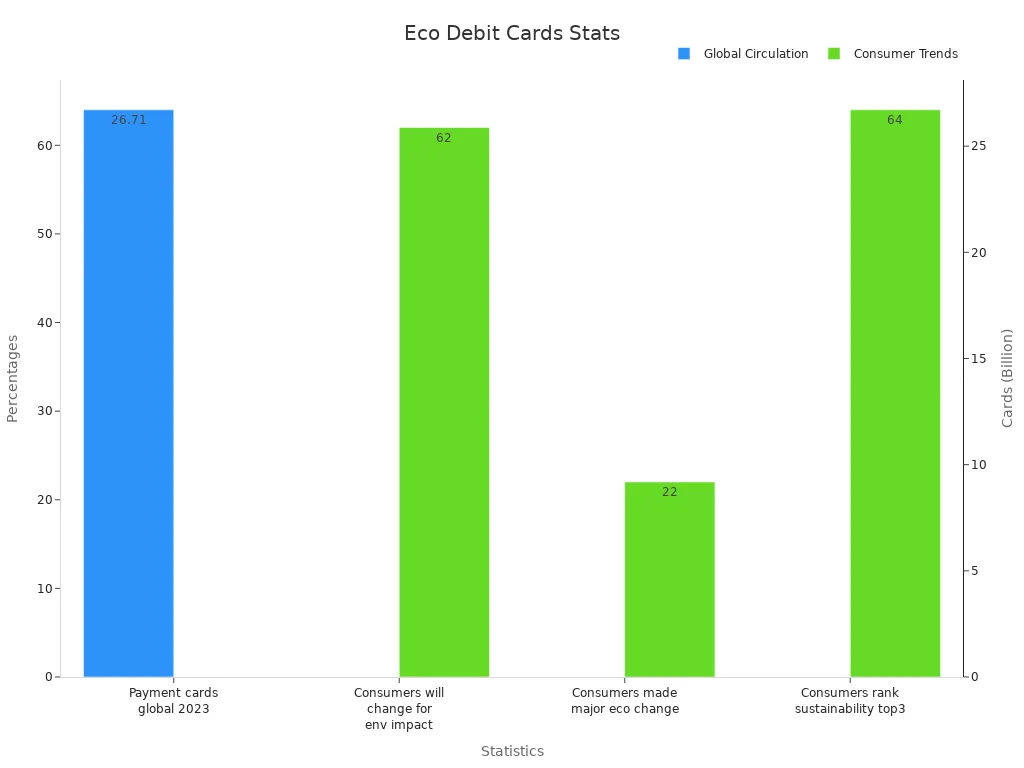
Why are these cards gaining popularity? It’s simple—consumer demand for sustainable products is at an all-time high. A recent Nielsen survey found that nearly three-quarters of global consumers are willing to change their habits to protect the planet. People like you are looking for financial tools that match their commitment to sustainability. Eco-friendly debit cards meet that need perfectly.
What Are Eco-Friendly Debit Cards?
Definition and Purpose
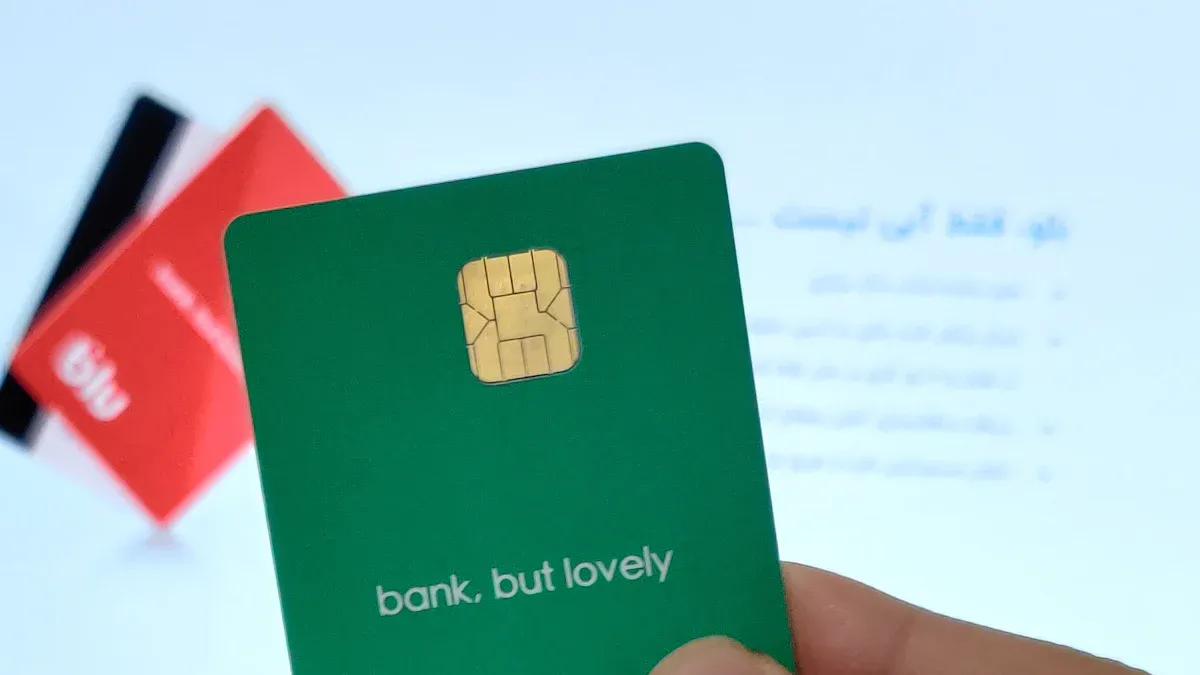
Eco-friendly debit cards are more than just a way to pay—they’re a step toward a greener future. These cards are designed with sustainability in mind, using materials and processes that minimize harm to the environment. For example, many are made from recycled PVC, reclaimed ocean plastics, or even renewable materials like wood. This reduces the need for virgin plastic, which is a major contributor to pollution.
But it’s not just about the materials. Eco-friendly debit cards often come with features that support environmental initiatives. Some providers partner with organizations to offset carbon emissions or fund reforestation projects. Others reward you for making eco-conscious purchases, like shopping at sustainable brands or using public transportation. These cards combine practicality with purpose, making it easier for you to align your financial habits with your values.
Here’s a quick look at how these cards are classified by their sustainability features:
|
Feature |
Description |
|---|---|
|
Material |
Made from ocean-bound plastic, using upcycled litter to prevent waste from entering oceans. |
|
Environmental Impact |
Aims to reduce plastic waste and partners with organizations for responsible sourcing. |
|
Life Cycle Strategy |
Involves a global approach to reduce energy consumption, carbon footprint, and plastic waste. |
|
Carbon Offset Programme |
Includes initiatives to compensate for carbon emissions associated with card production and use. |
By choosing an eco-friendly debit card, you’re not just making a payment—you’re making a statement about the kind of world you want to live in.
How They Differ from Traditional Debit Cards
At first glance, eco-friendly debit cards might look like any other debit card. But dig a little deeper, and you’ll see some key differences. Traditional cards are typically made from virgin plastic, which takes hundreds of years to decompose. In contrast, eco-friendly debit cards use sustainable materials like recycled PVC or biodegradable plastics. This simple switch can reduce environmental impact by 30-75%, depending on the material used.
Another major difference lies in the manufacturing process. Traditional cards often require energy-intensive production methods. Eco-friendly cards, on the other hand, focus on energy efficiency and reducing carbon emissions. Some providers even go a step further by implementing carbon offset programs to neutralize the environmental impact of production.
The benefits don’t stop there. Many eco-friendly debit cards offer perks that traditional cards don’t. For instance, you might earn rewards for shopping at eco-conscious retailers or donating to environmental causes. These incentives not only encourage sustainable behavior but also make it more rewarding for you to go green.
To put things into perspective, here’s a comparison of the environmental impact of different card materials:
|
Card Type |
Environmental Impact Reduction |
|---|---|
|
Recycled PVC (rPVC) |
30-75% |
|
Renewable PLA |
30-75% |
|
Reclaimed Ocean Plastics |
30-75% |
|
Wooden Cards |
30-75% |
Eco-friendly debit cards are more than just a payment tool—they’re a way to make a positive impact every time you spend. By switching to one, you’re not only reducing waste but also supporting a movement toward a more sustainable future.
Features of Sustainable Debit Cards
Use of Recycled and Biodegradable Materials
Sustainable debit cards are changing the game by using materials that are kinder to the planet. Instead of relying on virgin plastic, many providers now use recycled PVC, reclaimed ocean plastics, or biodegradable alternatives. For example, Deutsche Bank has shifted 99% of its new cards to recycled PVC, cutting CO2 emissions by 65%. Similarly, Länsförsäkringar Bank uses recycled PETG, which reduces emissions by 75%. These materials not only lower waste but also help reduce the carbon footprint of card production.
Here’s a quick breakdown of how different materials contribute to sustainability:
|
Source |
Material Used |
CO2 Reduction |
|---|---|---|
|
Deutsche Bank |
Recycled PVC |
65% |
|
Länsförsäkringar Bank |
Recycled PETG |
75% |
|
Visa, CPI Card Group |
rPETG (98% recycled) |
Lower than PVC |
By choosing a card made from these materials, you’re actively supporting efforts to reduce plastic waste and promote a circular economy.
Energy-Efficient Manufacturing Processes
The production of sustainable debit cards also focuses on energy efficiency. Traditional card manufacturing often wastes energy, with kinetic energy losses accounting for 62% of total demand. Sustainable processes aim to minimize this waste by using advanced technologies and renewable energy sources. For instance, the global warming potential (GWP) of traditional PVC card production is 1.88 kgCO2 per kilogram. By switching to recycled materials and optimizing production, manufacturers significantly lower this impact.
These improvements don’t just benefit the environment—they also reflect a commitment to innovation. From refining raw materials to printing and finishing, every step of the process is designed to use less energy and produce fewer emissions.
Green Perks and Rewards for Eco-Friendly Purchases
Sustainable debit cards don’t just help the planet—they reward you for making eco-friendly choices. Many providers offer perks like cashback or discounts when you shop at sustainable brands, use public transportation, or support renewable energy initiatives. Some cards even donate a portion of your spending to environmental causes, like reforestation or ocean cleanup projects.
Imagine earning rewards for buying from a zero-waste store or taking the train instead of driving. These incentives make it easier—and more rewarding—for you to live sustainably. With every swipe, you’re not just spending money; you’re contributing to a greener future.
Benefits of Using Eco-Friendly Debit Cards
Reducing Environmental Impact
Switching to eco-friendly debit cards is one of the easiest ways to reduce your environmental footprint. These cards are designed with sustainability in mind, using materials like recycled PVC or reclaimed ocean plastics. By choosing one, you’re helping to cut down on the demand for virgin plastic, which takes hundreds of years to decompose. Plus, the production process for these cards often uses less energy, further lowering their carbon footprint.
Did you know that using a debit card is significantly more environmentally friendly than cash? Studies show that the environmental cost of a debit-card payment is about one-fifth that of cash. This is because cash requires more resources for production, transportation, and disposal. Eco-friendly debit cards take this a step further by incorporating sustainable materials and energy-efficient manufacturing processes. Every time you use one, you’re making a small but meaningful contribution to environmental responsibility.
Supporting Sustainability Initiatives
When you choose eco-friendly debit cards, you’re not just reducing waste—you’re actively supporting sustainability initiatives. Many financial institutions partner with organizations to fund projects like tree planting initiatives, carbon offsetting, and ocean cleanup efforts. For example, some cards contribute a portion of your spending to reforestation programs, helping to restore ecosystems and combat climate change.
Consumers like you are driving this change. Research shows that 73% of people believe it’s important for their bank to be environmentally conscious. Additionally, 64% prioritize reducing plastic use, and 63% are deeply concerned about plastic waste. By choosing a card made from recycled materials, you’re aligning with these values and encouraging financial institutions to adopt more sustainable practices.
These cards also influence broader consumer behavior. They encourage you to shop at eco-conscious retailers and support brands that prioritize sustainability. This ripple effect not only reduces your carbon footprint but also helps shift market demand toward greener products and services. In fact, financial institutions that offer eco-friendly debit cards often gain a competitive edge by showcasing their commitment to environmental responsibility. It’s a win-win for you and the planet.
Financial Rewards and Incentives
Eco-friendly debit cards don’t just benefit the environment—they can also reward you financially. Many of these cards offer perks like cashback or discounts when you make sustainable choices. For instance, you might earn rewards for shopping at zero-waste stores, using public transportation, or supporting renewable energy initiatives. Some cards even let you track your carbon footprint, giving you insights into how your spending habits impact the planet.
Younger generations, like Gen Z and Millennials, are particularly drawn to these features. A recent survey found that 73% of Gen Z consumers are very interested in earning 3% cashback on climate-aligned purchases. Similarly, 69% of Millennials value tools like carbon footprint trackers. These incentives make it easier—and more rewarding—for you to adopt eco-friendly habits.
Here’s a quick look at how different age groups respond to these rewards:
|
Consumer Group |
Interest in Eco-Friendly Debit Card Rewards |
Percentage |
|---|---|---|
|
U.S. Gen Z (ages 21–25) |
Very interested in 3% cashback on climate-aligned purchases |
73% |
|
Gen Z and Millennials (ages 26–40) |
Interested in using a carbon footprint tracker |
73% (Gen Z), 69% (Millennials) |
By choosing an eco-friendly debit card, you’re not just saving money—you’re investing in a sustainable future. Every swipe becomes an opportunity to make a positive impact, both for your wallet and the planet.
How to Choose the Right Eco-Friendly Debit Card
Questions to Ask Before Applying
Choosing the right eco-friendly debit card starts with asking the right questions. What materials is the card made from? Look for options crafted from recycled PVC, reclaimed ocean plastics, or biodegradable materials. These choices reduce waste and align with your environmental goals. Next, ask about the card’s environmental initiatives. Does the provider support reforestation, carbon offset programs, or other sustainability projects? Knowing this helps you understand how your card contributes to a greener planet.
You should also consider how the card fits into your lifestyle. Does it reward eco-conscious spending, like shopping at sustainable brands or using public transportation? If you’re someone who values conscious financial choices, these perks can make a big difference. Finally, check if the card offers tools like carbon footprint trackers. These features can help you measure your impact and make more informed decisions.
Evaluating Fees, Perks, and Compatibility with Your Values
Not all eco-friendly debit cards are created equal. Some come with fees that might outweigh their benefits. Before applying, review the annual fees, transaction charges, and any hidden costs. Compare these with the perks offered. For example, does the card provide cashback for eco-friendly purchases? Are there discounts for supporting green businesses? These rewards can add up and make the card more valuable.
It’s also important to think about how the card aligns with your values. If you prioritize reducing plastic waste, choose a card made from sustainable materials. If you care about supporting environmental projects, pick a provider that actively funds these initiatives. The right card should reflect what matters most to you.
Comparing Popular Providers
Once you’ve narrowed down your options, compare providers to find the best fit. Some banks focus on using recycled materials, while others emphasize funding sustainability programs. For example, one provider might offer a debit card made from reclaimed ocean plastics, while another donates a percentage of your spending to reforestation efforts. Look at what each provider brings to the table.
You should also check reviews and ratings. What do other users say about the card’s features and customer service? A little research can go a long way in helping you make an informed choice. Remember, the goal is to find a card that supports your eco-friendly lifestyle while meeting your financial needs.
Overview of Popular Eco-Friendly Debit Card Providers
Leading Providers in the Market
Several banks and financial institutions are leading the charge in offering eco-friendly debit cards. These providers are not only reducing plastic waste but also supporting sustainability initiatives that make a real difference. For example, Bank of America has committed to using at least 80% recycled plastic in its cards, cutting greenhouse gas emissions and reducing over 235 tons of single-use plastics. Bank of New Hampshire takes it a step further by offering biodegradable debit cards made from corn starch, which decompose within six months instead of lingering for centuries.
Here’s a quick snapshot of their initiatives and impact:
|
Provider |
Initiative Description |
Impact Statistics |
|---|---|---|
|
Bank of America |
Committed to making all cards from at least 80% recycled plastic. |
Estimated to reduce over 235 tons of single-use plastics and cut greenhouse gas emissions. |
|
Bank of New Hampshire |
Offers biodegradable debit cards made from corn starch. |
Biodegradable within six months, compared to 400 years for traditional plastic cards. |
These providers are setting the standard for sustainability in the financial sector, proving that even small changes can lead to big environmental benefits.
Unique Features of Each Provider
Eco-friendly debit card providers offer unique features that cater to different sustainability goals. Aspiration, for instance, focuses on carbon offsets and tree planting, while Tomorrow protects rainforests with every euro spent. Flowe plants a tree for every €100 spent, and Bunq finances projects that reduce CO2 emissions. FutureCard stands out by offering 5% cashback on green spending, making it a great choice for those who want financial rewards for eco-friendly purchases.
Here’s a detailed comparison of their features:
|
Provider |
Sustainability Initiatives |
Fees |
APY |
Card Material |
Additional Benefits |
|---|---|---|---|---|---|
|
Aspiration |
Carbon offsets, no fossil fuel investments, tree planting |
$7.99/month |
Up to 3% |
80% pre-consumer recycled content (PVC) |
Cashback at socially responsible retailers, impacts tracking of spending on people and the planet |
|
Tomorrow |
Every euro protects 1m² rainforest |
Up to 17 Euro/month |
N/A |
80% wood, 20% plastic (PVC) |
Supports ecosystem protection and innovative technologies for CO2 storage |
|
Flowe |
Tree planted for every €100 spent |
Up to 10 Euro/month |
N/A |
Wood from certified sustainable forests |
Measures customer CO₂ production from expenses; mobile payments |
|
Bunq |
Tree planted for every €1000 spent |
1.5% of transaction amount |
N/A |
Metal Card – environmentally friendly |
Finances projects that reduce CO2, does not finance fossil fuel industries |
|
FutureCard |
5% cashback on green spending |
No monthly fees |
2.72% |
N/A |
Rewards from top brands |
Each provider brings something unique to the table, so you can choose one that aligns with your values and financial goals.
Steps to Get Started with a Sustainable Debit Card
Getting started with an eco-friendly debit card is simple. Most providers offer easy activation processes that you can complete online or over the phone. Here’s how you can activate your card:
-
Call the phone number on the sticker on the front of the new card.
-
Alternatively, contact the Debit Card Support Center at 1-833-660-0468.
-
Visit a branch of your provider for in-person activation.
If you prefer digital banking, follow these steps:
-
Select the card in your banking app or online interface.
-
Click "Activate New Card."
-
Enter the 3-digit code on the back of your card.
-
Click "Activate" to complete the process.
Once activated, you’re ready to start making sustainable choices with every purchase. Switching to an eco-friendly debit card is a small step that can lead to a big impact.
Switching to an eco-friendly debit card is more than just a financial decision—it’s a way to drive positive environmental change. These cards reduce plastic waste by using recycled or plant-based materials. Their production processes have a lower carbon footprint, making them a smarter choice for the planet. Some banks even reward you for shopping at sustainable businesses or donate to environmental causes, amplifying their impact.
Your financial choices matter. By choosing a sustainable debit card, you’re supporting clean energy projects and encouraging eco-friendly consumer behavior. Every swipe becomes a step toward a greener future. Explore your options today and make a difference with your wallet.
FAQ
What makes eco-friendly debit cards better for the environment?
Eco-friendly debit cards use recycled or biodegradable materials, reducing plastic waste. Their production processes consume less energy and emit fewer greenhouse gases. By choosing one, you’re helping to minimize environmental harm while supporting sustainability initiatives.
Can I use an eco-friendly debit card like a regular debit card?
Yes! Eco-friendly debit cards work just like traditional ones. You can use them for online and in-store purchases, ATM withdrawals, and more. The only difference is their sustainable materials and added perks for eco-conscious spending.
Are there any fees associated with eco-friendly debit cards?
Some eco-friendly debit cards may have fees, like monthly charges or transaction costs. Always check the provider’s terms to understand the fees and compare them with the rewards or benefits offered. Many cards balance fees with valuable perks.
How do I know if a provider supports sustainability initiatives?
Look for details on the provider’s website. Many highlight their partnerships with environmental organizations, carbon offset programs, or reforestation efforts. You can also check reviews or ask customer support for more information.
Can I track my environmental impact with these cards?
Yes, many eco-friendly debit cards offer tools to track your carbon footprint. These features let you see how your spending habits affect the planet, helping you make more informed and sustainable choices.
Related content