
Best Practices for Using Statements of Account Effectively
Author:XTransfer2025.05.27Statement of Account
A statement of account serves as a vital tool for improving transparency in financial dealings. It provides a clear overview of transactions, ensuring you and your clients stay informed about balances and payment statuses. By automating these statements, businesses save time and reduce errors. This process enhances productivity, speeds up decision-making, and improves collaboration across teams. When you use statements effectively, they simplify financial record keeping and help build stronger relationships with clients and vendors. With accurate data at hand, you can manage payments more efficiently and maintain trust in your financial operations.
Understanding Statements of Account

Definition and Purpose of a Statement of Account
A statement of account is a document that summarizes the financial transactions between you and another party, such as a customer or vendor, over a specific period. It provides a clear record of payments, outstanding balances, and due dates. This tool helps you track financial activity and ensures transparency in your dealings. By using statements of account effectively, you can avoid misunderstandings and maintain trust in your business relationships.
The primary purpose of a statement of account is to simplify financial record keeping. It allows you to monitor transactions without relying on scattered data or manual calculations. Whether you need to confirm payments or identify overdue invoices, this document serves as a reliable reference point. When you prepare financial statements regularly, you create a foundation for better financial management and decision-making.
Benefits of Reading Financial Statements for Business Success
Reading financial statements is essential for understanding the health of your business. These documents reveal patterns and trends that can guide your strategies. For example, analyzing your statement of account can help you identify customers who consistently pay late or vendors who offer favorable terms. This insight enables you to make informed decisions that improve cash flow and strengthen operations.
Research shows that reading financial statements offers several advantages:
-
It helps you calculate return on investment, ensuring your resources are allocated effectively.
-
Understanding financial data allows you to make decisions based on facts rather than assumptions.
-
Analyzing financial statements leads to better business strategies, helping you stay competitive.
Financial statement analysis involves techniques like vertical, horizontal, and ratio analyses. These methods uncover valuable information about your company's performance. By understanding the relationships within your financial data, you can enhance your decision-making and develop strategies that align with your goals.
The Role of Financial Statement Literacy in Business Operations
Financial statement literacy is the ability to read, interpret, and use financial documents effectively. This skill is crucial for managing your business operations. When you understand your statement of account, you can identify discrepancies, track payments, and ensure accuracy in your records. Financial statement literacy empowers you to take control of your finances and avoid costly mistakes.
Industry studies highlight the benefits of using accounting tools to improve financial management. For example:
By leveraging accounting systems and developing financial statement literacy, you can optimize your operations and achieve greater efficiency. This combination ensures that your business remains organized and prepared for future challenges.
Key Components of a Statement of Account
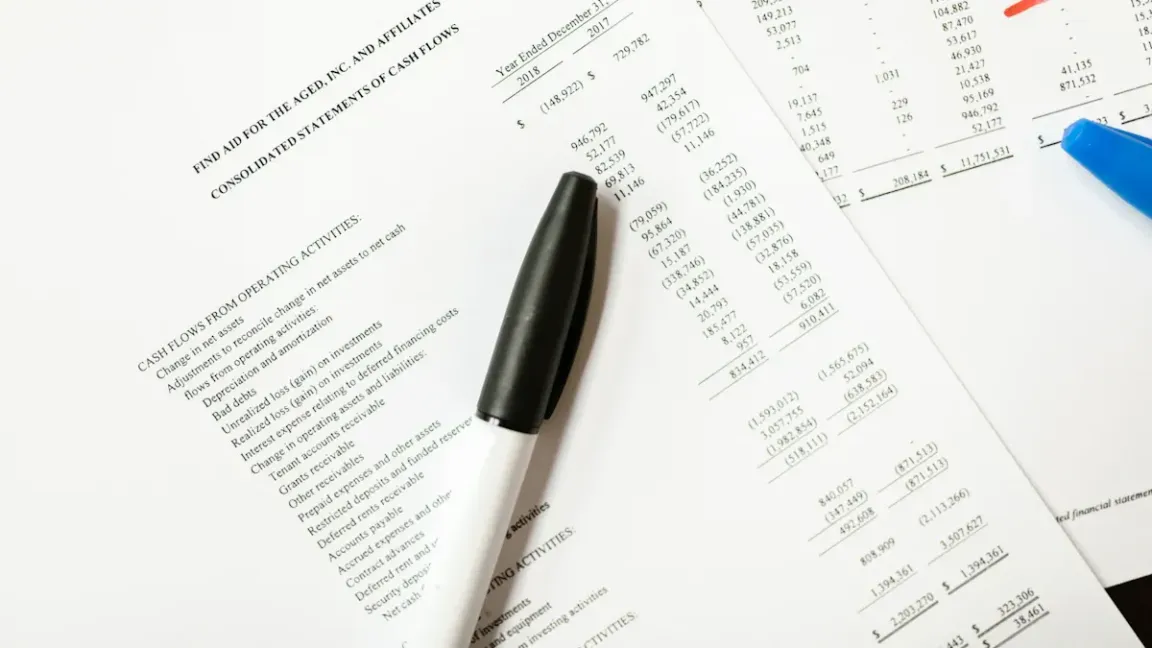
Essential Customer or Vendor Information
A statement of account begins with accurate customer or vendor details. This section typically includes names, addresses, and contact information. Adding unique identifiers like account numbers ensures clarity and prevents confusion. When you organize this information properly, it becomes easier to track transactions and maintain accurate records.
For example, if you manage multiple accounts, having precise details helps you avoid errors when reconciling payments. It also ensures that your clients or vendors receive the correct statements. This level of organization builds trust and strengthens professional relationships.
Detailed Transaction Records
Transaction records form the backbone of a statement of account. These records list all financial activities, including invoices, payments, and credits. Each entry should include the date, description, and amount. Maintaining detailed records allows you to monitor your accounts effectively and identify discrepancies quickly.
Metrics like the Accounts Receivable and Payable Health Index and Transaction Categorization Accuracy highlight the importance of detailed records. These metrics assess how well you manage receivables and payables and measure the accuracy of transaction categorization. Proper documentation ensures compliance and provides a clear picture of your financial health.
Outstanding Balances and Payment Deadlines
Prominently displaying outstanding balances and payment deadlines ensures transparency. This section helps you and your clients stay informed about overdue amounts and upcoming payments. Including key terms and deadlines reduces misunderstandings and encourages timely payments.
For instance, disclosures about supplier finance programs often require details about outstanding balances and their presentation on the balance sheet. These disclosures enhance transparency and help users understand the financial obligations. By clearly outlining this information, you improve communication and maintain trust with your clients.
When you combine detailed transaction records with clear balance and deadline information, you create a comprehensive financial document. This approach simplifies decision-making and ensures your income statement, cash flow statement, and balance sheet remain accurate and reliable.
Comprehensive Summary of Financial Activity
A comprehensive summary of financial activity provides a clear and complete picture of your financial transactions. This section consolidates all relevant details, making it easier for you to assess your financial health. By including a summary in your statement of account, you can quickly identify trends, track progress, and make informed decisions.
The summary typically includes key figures such as total income, expenses, outstanding balances, and payments received. These figures give you a snapshot of your financial position. For businesses with complex operations, this summary becomes even more critical. It ensures that no important detail is overlooked and helps you maintain accurate records.
The statement of comprehensive income, for example, highlights both net income and other comprehensive income (OCI). OCI includes unrealized gains and losses, which are essential for understanding the overall financial health of a business. This level of detail is particularly valuable for larger organizations with intricate financial activities that may not appear in a standard income statement.
Including a comprehensive summary in your statement of account ensures you stay organized and informed. It simplifies financial analysis and supports better decision-making, helping you achieve your business goals efficiently.
Best Practices for Using Statements of Account
Organizing Statements for Efficient Financial Record Keeping
Efficient organization of your statements of account is essential for maintaining accurate financial record keeping. When you categorize and store financial documents properly, you reduce the risk of errors and make it easier to retrieve information when needed. Start by creating a systematic filing system, whether digital or physical, that groups statements by client, vendor, or date. This approach ensures quick access to critical data during audits or financial reviews.
Many businesses have improved their operations by prioritizing organization. For example:
By learning from these examples, you can see how proper organization leads to better financial outcomes. Use accounting software to streamline your processes and reduce human error. These tools help you categorize transactions, generate reports, and maintain compliance with ease.
Regular Reconciliation to Ensure Accuracy
Reconciling your statements of account regularly is one of the most effective ways to ensure accuracy in your financial records. This process involves comparing your internal records with external statements, such as bank or vendor records, to identify discrepancies. Addressing these issues promptly helps you avoid larger problems down the line.
Industry benchmarks emphasize the importance of regular reconciliation:
-
Reconcile accounts regularly to identify discrepancies or errors promptly.
-
Implement internal controls to prevent fraud and maintain accuracy.
-
Conduct periodic financial reviews to detect unusual trends or inconsistencies.
For example, a construction company that struggled with project cost management partnered with a bookkeeping service to track expenses and provide reports. This effort reduced cost overruns by 30% and improved cash flow. Regular reconciliation played a key role in achieving these results.
Analyzing Financial Trends and Patterns
Analyzing financial trends and patterns through your statements of account provides valuable insights into your business's performance. By reviewing these documents over time, you can identify areas of growth, spot inefficiencies, and make informed decisions to improve your operations.
Studies validate the benefits of financial analysis:
For instance, trend analysis allows you to evaluate financial information over multiple periods. This method helps you detect patterns, such as seasonal fluctuations in revenue or recurring late payments from specific clients. By comparing data across periods, you can assess changes in profitability, liquidity, or efficiency.
Incorporating financial analysis into your routine ensures you stay proactive in managing your business. Use the insights gained to refine your strategies and achieve long-term success.
Automating Statement Generation and Distribution
Automating the generation and distribution of statements of account can transform how you manage your financial operations. This approach eliminates manual processes, saving time and reducing errors. With automation, you can ensure that your financial documents remain organized and accessible.
Automation tools, such as accounting software, allow you to schedule statement generation and delivery. These tools ensure that your clients and vendors receive accurate statements on time. By automating this process, you can focus on higher-value tasks, such as analyzing financial trends or improving customer relationships.
The benefits of automation extend beyond efficiency. It enhances customer engagement by tailoring communications to individual preferences. For example, some clients may prefer email delivery, while others may require printed copies. Automation ensures that these preferences are met without additional effort.
Here are some key performance metrics that highlight the advantages of automating statement generation and distribution:
By adopting automation, you can also improve security and compliance. Automated systems often include robust security features that protect sensitive financial data. These systems help you meet privacy regulations and maintain trust with your clients.
Clear Communication with Clients and Vendors
Clear communication is essential for maintaining strong relationships with your clients and vendors. Statements of account play a crucial role in this process. They provide a transparent record of financial transactions, ensuring that all parties stay informed.
When communicating with clients and vendors, use simple and direct language. Avoid technical jargon that may confuse your audience. Instead, focus on presenting the information in a way that is easy to understand. For example, include clear descriptions of transactions, payment deadlines, and outstanding balances.
Personalizing your communication can also make a significant difference. Address your clients and vendors by name and include details specific to their accounts. This approach shows that you value their business and are attentive to their needs.
Using accounting software can further enhance your communication efforts. These tools allow you to generate customized statements that align with your clients' preferences. For instance, you can create detailed reports for vendors who require in-depth financial information or simplified summaries for clients who prefer a quick overview.
Effective communication builds trust and fosters long-term partnerships. By keeping your clients and vendors informed, you can strengthen your professional relationships and improve your financial operations.
Common Mistakes to Avoid
Neglecting Regular Reconciliation
Failing to reconcile your financial records regularly can lead to significant risks. When you skip this step, errors in your records may go unnoticed, causing problems for your business. Regular reconciliation ensures that your internal records match external statements, such as bank or vendor records. This process helps you identify and correct discrepancies before they escalate.
Neglecting reconciliation can result in several risks, as shown below:
By reconciling your records regularly, you can avoid these risks and maintain accurate financial data. This habit also helps you track all expenses effectively, ensuring your business stays on the right path.
Overlooking Discrepancies in Financial Records
Ignoring discrepancies in your financial records can harm your business. Even small errors can grow into larger issues if left unresolved. For example, an unrecorded payment might lead to incorrect balances, which could confuse clients or vendors. These mistakes can damage trust and create unnecessary disputes.
To prevent this, review your records frequently. Look for mismatched amounts, missing entries, or duplicate transactions. Addressing these issues promptly ensures your accounting remains accurate. This practice also helps you manage expenses better and avoid financial losses. Staying vigilant about discrepancies protects your business from costly errors.
Failing to Utilize Automation Tools
Relying solely on manual processes for managing financial records can slow down your operations. Manual methods increase the chances of errors and consume valuable time. Automation tools, such as accounting software, simplify tasks like generating statements and tracking expenses. These tools improve efficiency and reduce the risk of mistakes.
Automation also enhances your ability to manage financial data. For instance, you can schedule automatic updates, generate reports, and send reminders for payments. This approach saves time and allows you to focus on growing your business. By adopting automation tools, you can streamline your processes and maintain accurate records effortlessly.
Using Incomplete or Incorrect Data
Incomplete or incorrect data can harm your financial operations. Missing information disrupts workflows and creates confusion. For example, inaccurate customer data can frustrate clients and damage your reputation. Poor data quality also affects compliance, risk management, and decision-making. These issues reduce operational efficiency and hinder your ability to meet business goals.
Studies reveal the negative consequences of using flawed data:
-
Missing or incomplete data leads to regulatory penalties and prevents informed decision-making.
-
Financial institutions lose an average of $15 million annually due to data quality issues.
-
Inaccurate data results in missed marketing opportunities and incorrect risk assessments.
When your financial records contain errors, you risk compliance violations. Insufficient documentation can lead to legal repercussions, such as fines or audits. Incomplete data also affects risk assessment. For example, if you lack accurate information about a client’s payment history, you might approve loans with high default risks. These mistakes can cost your business time and money.
To avoid these problems, prioritize data accuracy. Review your statements regularly and address discrepancies immediately. Use accounting software to automate data entry and reduce human error. This approach ensures your records remain reliable and helps you make better financial decisions.
Ignoring the Importance of Customization
Customization in statements of account enhances your ability to meet diverse financial management needs. Tailored statements improve communication and strengthen relationships with clients and vendors. For example, some clients may prefer detailed transaction records, while others may need simplified summaries. Customization ensures you deliver information in a format that suits their preferences.
Data highlights the impact of customization:
When you customize statements, you show clients and vendors that you value their needs. This effort builds trust and encourages long-term partnerships. For example, tailoring statements for vendors who require in-depth financial details can improve collaboration. Similarly, providing clear and concise summaries for clients simplifies their understanding of payment statuses.
Automation tools can help you achieve customization effortlessly. These tools allow you to create templates for different types of statements. You can adjust formats, include specific details, and personalize communication. This flexibility ensures your statements align with the unique requirements of each recipient.
Using statements of account effectively strengthens your financial health and improves communication with clients and vendors. These documents provide transparency, helping you trace expenditures and assess your financial position. They also support budget management by offering accurate data for setting goals and maintaining discipline. By adopting best practices like regular reconciliation and automation, you can streamline operations and foster trust. Avoiding common mistakes ensures your records remain accurate and reliable. A clear understanding of your financial status empowers you to make informed decisions and allocate resources wisely.
FAQ
What is the best way to store statements of account?
You should store statements digitally using accounting software or cloud storage. This method ensures easy access, better organization, and data security. If you prefer physical copies, use labeled folders and keep them in a secure location.
How often should you reconcile statements of account?
You should reconcile statements monthly or weekly, depending on your transaction volume. Frequent reconciliation helps you catch errors early and maintain accurate financial records. It also ensures that your accounts align with external records like bank statements.
Can automation tools handle statement customization?
Yes, most automation tools allow you to customize statements. You can adjust formats, include specific details, and tailor them to client or vendor preferences. This feature saves time and improves communication by delivering personalized financial documents.
What should you do if you find discrepancies in a statement?
If you find discrepancies, review the original transaction records. Compare them with the statement to identify the issue. Contact the client, vendor, or financial institution if necessary. Resolving discrepancies quickly prevents misunderstandings and ensures accurate records.
Why is financial trend analysis important?
Analyzing financial trends helps you spot patterns in revenue, expenses, and cash flow. This insight allows you to make informed decisions, improve efficiency, and plan for growth. Regular analysis ensures you stay proactive in managing your business finances.
Related content