
Barcodes as Symbols in Contemporary Art
Author:XTransfer2025.06.11Barcode
Have you ever thought of a barcode as more than just a series of black and white lines? These patterns, once confined to store shelves, are now breaking into the world of art and fashion. Designers and artists are transforming barcode design into a creative force. For instance, a luxury scarf featuring barcode patterns isn’t just stylish—it tells a story. Everyday items like T-shirts and sneakers now carry barcode-inspired designs, sparking conversations and connecting people. Barcodes go beyond their practical roots. They’ve become a bridge between technology and creativity, reshaping how you see the ordinary.
The Evolution of Barcodes as Cultural Symbols
From commerce to creativity: The journey of barcodes
Barcodes started as simple tools for tracking products, but their journey didn’t stop there. Over time, they’ve evolved into symbols that connect technology with creativity. You’ve probably seen QR codes on menus or advertisements. These modern barcodes do more than store data—they create interactive experiences. For example, Snapchat uses QR-like Snapcodes to link users to profiles or filters instantly. Even restaurants have gotten creative, embedding QR codes in menus to share nutritional details or chef recommendations.
Barcodes have also stepped into the world of augmented reality (AR). Imagine scanning a barcode on a makeup product and seeing how it looks on your skin before buying it. L’Oreal’s AR-enabled packaging does exactly that. These innovations show how barcodes have transformed from practical tools into gateways for creativity and personalization.
|
Aspect |
Insight |
Example |
|
2D Barcodes |
Can hold URLs, contact details, product specifications, and encrypted messages. Their versatility opens doors to interactive marketing, personalized experiences, and secure authentication. |
Snapchat's Snapcodes use QR-like patterns to instantly connect users to profiles, filters, or branded content. |
|
Augmented Reality (AR) Overlays |
AR-enhanced barcodes merge the physical and digital realms, triggering immersive experiences. |
L'Oreal's AR-enabled cosmetics packaging lets users virtually try on makeup shades by scanning the barcode. |
|
Customization and Aesthetics |
2D barcodes allow for creative customization, incorporating logos, colors, and patterns without compromising functionality. |
A restaurant menu might feature QR codes that reveal nutritional information, allergens, or chef's recommendations. |
Barcodes as reflections of consumerism and modern life
Barcodes are everywhere—on groceries, electronics, and even your favorite sneakers. They’ve become symbols of consumerism, representing the fast-paced, transactional nature of modern life. When you see a barcode, you might think of shopping aisles or checkout counters. But artists have flipped this narrative, using barcodes to critique capitalism and mass consumption.
In art installations, oversized barcodes often highlight society’s obsession with material goods. They remind you of the invisible systems that drive consumer culture. By turning barcodes into creative statements, artists challenge you to rethink your relationship with consumption and technology.
The aesthetic allure of barcode patterns in art and design
There’s something mesmerizing about the clean, geometric lines of a barcode. Designers and artists have tapped into this aesthetic, using barcode patterns to create striking visuals. You’ll find barcode-inspired designs on everything from clothing to digital art. These patterns aren’t just functional—they’re beautiful.
Barcode designs often play with symmetry and contrast, making them perfect for modern art pieces. Some artists even incorporate barcodes into portraits, blending technology with human expression. This fusion of art and design shows how barcodes can be more than practical—they can be a source of inspiration.
Barcode Art: Transforming Utility into Creativity
Installations and sculptures inspired by barcodes
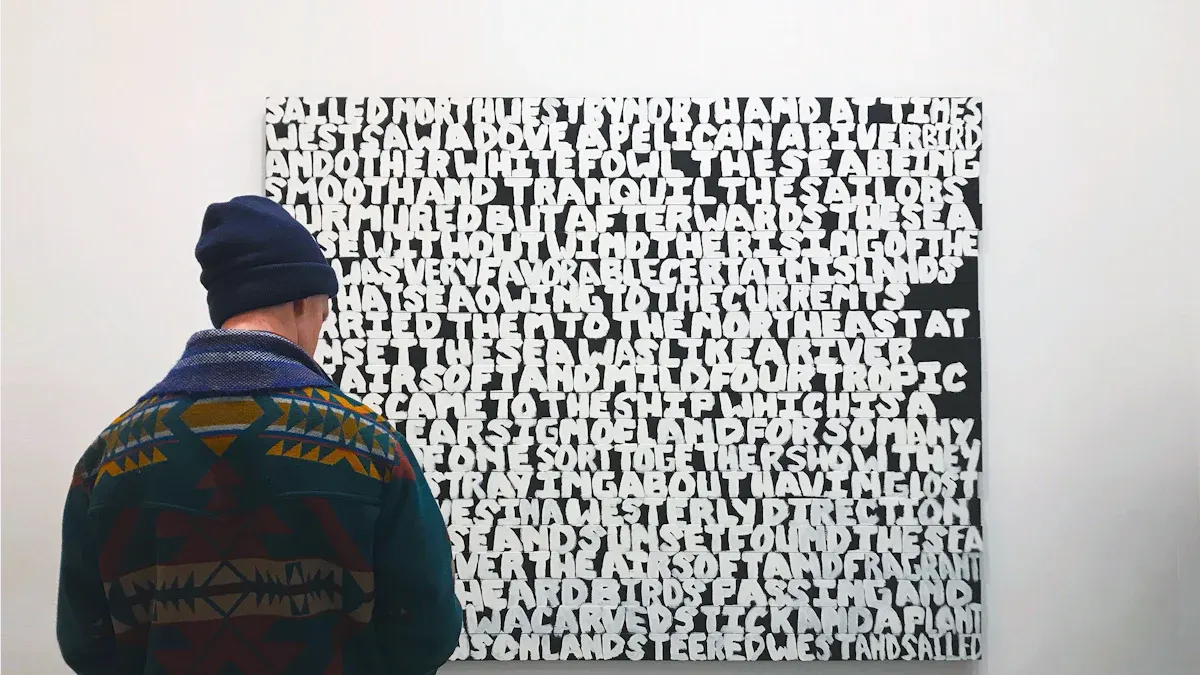
Have you ever seen a barcode turned into a piece of art? Artists are taking these everyday patterns and transforming them into something extraordinary. Imagine walking into a gallery and seeing a mural filled with QR codes. When you scan them, they reveal hidden messages, videos, or even local stories. It’s like the artwork is talking to you! These creative installations show how barcodes can go beyond their practical use and become interactive experiences.
Some sculptures also use barcodes in fascinating ways. Artists embed QR codes into their designs, blending technology with traditional art forms. These pieces invite you to engage with them, making you part of the story. By turning barcodes into art, creators are showing us how something so ordinary can spark curiosity and connection.
Barcode patterns in portraits and digital art
Barcodes aren’t just for scanning—they’re inspiring digital art and portraits too. Have you heard of QR code portraits? Artists have created stunning pieces, like a QR code version of the Mona Lisa. These portraits combine technology and creativity, turning simple patterns into masterpieces. The best part? You can scan the codes to unlock hidden content, adding another layer to the experience.
What makes these designs so special is their versatility. QR codes have error correction capabilities, which means artists can tweak the patterns without losing functionality. This allows for unique and intricate designs that still work as scannable codes. It’s a perfect example of how technology and art can come together to create something truly innovative.
The rise of barcode tattoos as personal and artistic statements
Have you ever thought about getting a barcode tattoo? These designs are becoming a popular way to express individuality and identity. People are using barcode tattoos to encode personal information, like names, dates, or even secret messages. It’s like carrying a piece of your story with you wherever you go.
For some, barcode tattoos are more than just personal—they’re a form of social commentary. They can symbolize resistance to consumerism or a sense of belonging for marginalized groups. The artistic possibilities are endless. You can choose a simple design or integrate the barcode into a larger tattoo. Either way, it’s a bold and meaningful statement.
Barcode Fashion: Where Art Meets Wearable Design
Barcodes as design elements in clothing and accessories
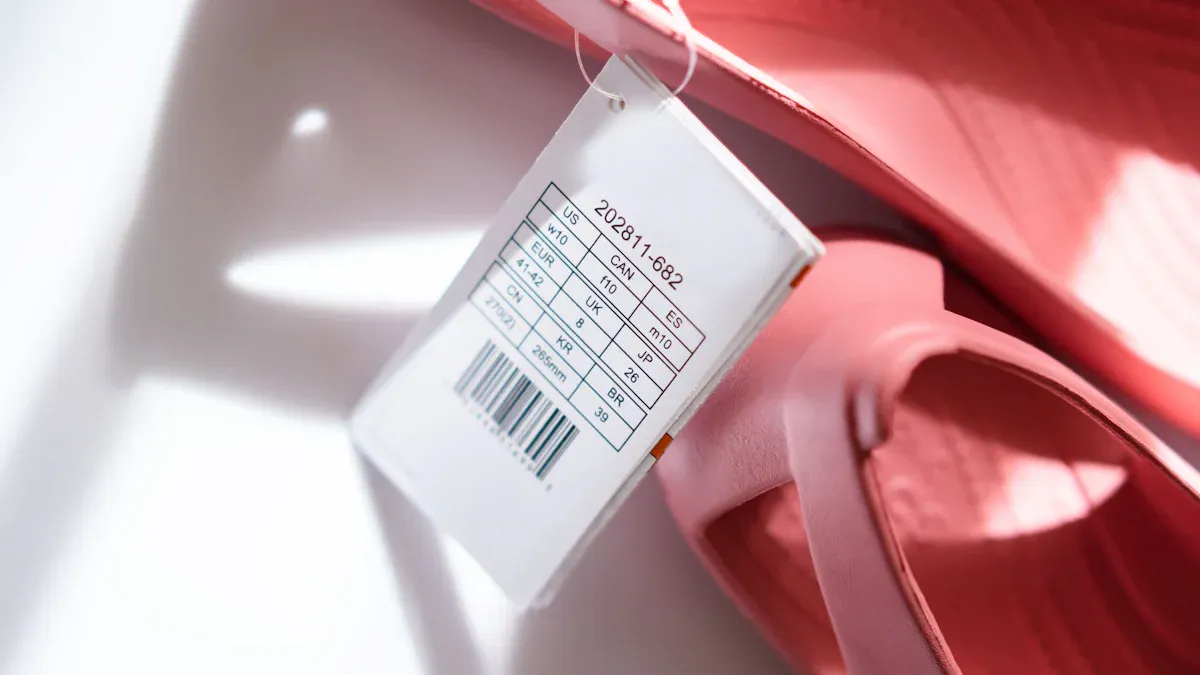
Barcodes are no longer confined to product packaging. They’ve made their way into clothing and accessories, turning everyday items into wearable art. You’ve probably seen barcode-inspired designs on T-shirts, handbags, or even sneakers. These patterns add a modern, tech-savvy vibe to fashion, making them stand out in a crowd.
Brands are taking this concept even further. Zara and H&M use barcodes to personalize your shopping experience. When you scan an item, you get tailored recommendations based on your preferences. Patagonia uses barcodes to let you trace the ethical sourcing of their clothing, giving you a peek into their sustainability efforts. Luxury brands like Gucci embed barcodes in their products to verify authenticity, ensuring you’re getting the real deal.
Barcodes also help brands stay efficient. Uniqlo uses them for inventory management, reducing waste and keeping shelves stocked with what you need. Nike analyzes barcode data to predict trends and design future collections. These examples show how barcode fashion isn’t just stylish—it’s smart, too.
Fashion statements with embedded sustainability information
Fashion is evolving, and sustainability is at the heart of this change. Barcode fashion is stepping up to meet the demand for transparency. Imagine scanning a QR code on a jacket and learning about its environmental impact or the working conditions of the people who made it. This isn’t just a dream—it’s happening now.
Consumers want to know the story behind their clothes. QR codes connect you to this information, helping you make informed choices. The Sustainable Apparel Coalition is working with brands to use QR codes for transparency across the industry. H&M’s CEO believes that showing customers the environmental footprint of products can influence buying decisions.
|
Evidence |
Description |
|
Consumer Interest |
QR codes in fashion link you to the environmental and social impacts of your purchases, reflecting growing demand for sustainability. |
|
Industry Collaboration |
The Sustainable Apparel Coalition uses QR codes to enhance transparency, showing a collective effort to address sustainability. |
|
CEO Insights |
H&M’s CEO emphasizes the importance of informing customers about product footprints, suggesting transparency can shape purchasing habits. |
This shift isn’t just good for the planet—it’s good for brands, too. Companies that embrace sustainable fashion practices are building loyal customer bases. You’re not just buying clothes; you’re supporting a movement toward a better future.
Interactive barcode fashion: Bridging aesthetics and technology
Barcode fashion is taking creativity to the next level with interactive designs. Imagine wearing a dress with a barcode pattern that you can scan to unlock a playlist or a story. These designs blend aesthetics with technology, creating a unique experience for you and those around you.
Some brands are experimenting with augmented reality (AR) in barcode fashion. You could scan a barcode on a jacket and see a virtual animation or a behind-the-scenes look at its creation. These interactive elements make fashion more engaging and personal.
It’s not just about looking good—it’s about connecting with your clothes in new ways. Barcode fashion is turning wearable design into a conversation starter, bridging the gap between art, technology, and self-expression.
The Deeper Meanings Behind Barcode Art
Critiquing consumerism and capitalism through barcodes
Barcodes aren’t just tools for tracking products. They’ve become symbols of consumerism and capitalism, reflecting the systems that shape modern life. Introduced in the 1970s, barcodes standardized products to make purchasing more efficient. While this innovation streamlined commerce, it also highlighted the commodification of goods—and even nature.
Artists like Banksy have used barcode-inspired art to critique these systems. His Barcode Leopard shows a leopard escaping from a cage made of barcode lines. It’s a powerful image that questions how capitalism turns nature into something to be bought and sold. When you look at this piece, you can’t help but think about the impact of consumer culture on the world around you.
Barcodes in art challenge you to see beyond their practical use. They ask you to consider the hidden costs of convenience and efficiency. By turning these everyday patterns into creative statements, artists invite you to reflect on the systems that drive consumption.
Exploring identity and individuality with barcode symbolism
Barcodes might seem impersonal, but they’ve become a surprising way to explore identity. Each barcode is unique, representing a specific product or item. This individuality has inspired artists to use barcode designs to symbolize personal stories and experiences.
You’ve probably seen barcode tattoos that encode names, dates, or secret messages. These designs turn a simple pattern into something deeply personal. They’re not just tattoos—they’re statements about who you are. Some people use barcode art to express their individuality in a world that often feels standardized.
Barcodes also raise questions about authenticity. In a society driven by mass production, how do you stand out? Artists use barcode-inspired pieces to explore this tension, blending technology with human expression. These works remind you that even in a world of uniformity, there’s room for uniqueness.
The interplay of technology and humanity in barcode-inspired art
Barcodes sit at the intersection of technology and humanity. They’re created by machines but used by people, making them a fascinating subject for art. When you see barcode-inspired pieces, you’re looking at more than just patterns. You’re seeing how technology shapes the way we live, work, and connect.
Some artists use barcodes to explore this relationship. They create portraits that blend barcode patterns with human faces, showing how technology is woven into our identities. These works highlight the balance between innovation and authenticity, reminding you that technology isn’t just a tool—it’s part of who we are.
Barcodes also bring transparency to art. QR codes embedded in sculptures or paintings let you unlock hidden layers, like videos or stories. This fusion of art and technology creates interactive experiences, making you part of the narrative. It’s a reminder that art isn’t static—it evolves with the tools we use.
The Future of Barcodes in Art and Fashion
Integrating barcodes with AR and VR for immersive experiences
Barcodes are stepping into the future with augmented reality (AR) and virtual reality (VR). Imagine scanning a barcode on a painting and watching it come alive with animations or hidden stories. This blend of technology and creativity is transforming how you experience art and fashion. AR overlays can superimpose digital content onto the real world, making your interaction with barcodes more engaging than ever.
In fashion, AR is already creating immersive shopping experiences. Virtual try-ons let you see how clothes or accessories look on you without stepping into a fitting room. This not only saves time but also reduces the need for physical samples, promoting sustainability.
|
Application Area |
Description |
|
User Engagement |
AR enhances user engagement by superimposing digital content onto the real world, creating interactive experiences. |
|
Product Packaging |
Incorporating AR into packaging allows manufacturers to provide valuable content that enhances purchasing decisions. |
|
Fashion and Cosmetics |
Virtual try-ons in retail offer immersive shopping experiences, reducing the need for physical product interaction. |
This integration of barcodes with AR and VR is more than just cool tech—it’s a way to make your experiences richer and more personalized.
Barcodes as tools for storytelling in digital and physical art
Barcodes are becoming storytellers in both digital and physical spaces. Artists are embedding QR codes into their work, allowing you to unlock hidden layers of meaning. For example, scanning a barcode on a sculpture might reveal the artist’s inspiration or a behind-the-scenes video of its creation. This adds depth to your experience, making the art feel more personal and interactive.
In fashion, barcodes are doing something similar. They’re turning garments into storytellers. A simple scan can reveal the journey of a piece of clothing—from the materials used to the hands that crafted it. This level of transparency transformation connects you to the story behind what you wear, making your choices more meaningful.
Barcodes are no longer just about data storage. They’re tools for creating connections, blending technology with creativity to bring stories to life.
The potential of barcodes in promoting ethical and sustainable fashion
Barcodes are playing a big role in ethical and sustainable fashion. QR codes on clothing tags are replacing traditional labels, reducing paper waste and making garment tracking easier. Some brands even use blockchain technology to provide secure information about sourcing and production. This helps you make informed choices while supporting sustainability tracking.
-
A clothing brand uses QR codes for garment tracking, which helps minimize paper waste associated with traditional barcodes.
-
The Ethical Apparel Index compiles audit data to help you identify brands with fair labor practices by scanning barcodes.
-
Scanning a QR code enables you to access blockchain technology, providing secure information about the sourcing and production of fashion items.
Barcodes also combat counterfeit combat by verifying the authenticity of products. This ensures you’re buying ethically made items while supporting brands that prioritize transparency and fair practices. With barcodes leading the way, fashion is becoming smarter, more ethical, and better for the planet.
Barcodes have come a long way from their humble beginnings. Today, they’re more than just tools for tracking products—they’re symbols that connect technology, art, and fashion in exciting ways. You’ve probably noticed how QR codes on storefront windows can draw you in with exclusive discounts. This simple strategy boosted foot traffic by 30% for one high-end brand, proving how barcodes can enhance storytelling and customer engagement.
Barcodes also promote sustainability. They can show you the carbon footprint of a garment or the recyclability of a product. Even restaurant menus use them to share nutritional details, blending convenience with mindful choices. These examples highlight how barcodes inspire creativity while making your everyday experiences richer and more meaningful. As technology evolves, the possibilities for barcodes in art and fashion are endless.
FAQ
What makes barcode chic a popular trend in fashion?
Barcode chic stands out because it combines modern aesthetics with functionality. Its clean lines and tech-inspired patterns appeal to those who love minimalist designs. Plus, it’s versatile—you’ll find it on everything from casual wear to high-end accessories.
Can barcode chic be sustainable?
Absolutely! Many brands use barcode chic designs to promote sustainability. QR codes on clothing tags provide details about ethical sourcing and environmental impact. This transparency helps you make informed choices while supporting eco-friendly practices.
How does barcode chic connect art and technology?
Barcode chic bridges art and technology by turning functional patterns into creative statements. Designers use barcodes to create interactive experiences, like scannable clothing that reveals playlists or stories. It’s a perfect blend of innovation and self-expression.
Is barcode chic limited to clothing?
Not at all! Barcode chic extends to accessories like handbags, sneakers, and even jewelry. You’ll also see it in home décor and digital art. Its adaptability makes it a favorite for creative minds across industries.
Why do artists use barcode chic in their work?
Artists love barcode chic for its symbolism and aesthetic appeal. It critiques consumerism while celebrating individuality. The geometric patterns offer endless possibilities for creative expression, making it a powerful tool in contemporary art.
Related content