
Amazon FBA Explained: Advantages and Disadvantages
Author:XTransfer2025.05.21FBA
If you’ve ever dreamed of running an online store without dealing with the hassle of packing and shipping, Amazon FBA might be the solution you’re looking for. This program takes care of the heavy lifting—literally—by managing storage, shipping, and even customer service for your products. It’s no wonder 66% of the top 10,000 Amazon sellers rely on it for fulfillment.
The advantages are clear. FBA offers convenience, scalability, and access to millions of Prime customers, who spend an average of $1,400 annually. But it’s not all smooth sailing. High fees and limited control over your inventory can make you think twice. That’s why understanding the pros and cons of Amazon FBA is crucial before diving in.
What is Fulfillment by Amazon?
Fulfillment by Amazon (FBA) is a service that takes the hassle out of managing your online store. Instead of worrying about storage, packing, and shipping, you can let Amazon handle it all. When you use FBA, your products are stored in Amazon fulfillment centers. From there, Amazon takes care of picking, packing, and shipping your orders. They even handle customer service and returns. This makes the order fulfillment process much smoother for you.
How the Amazon FBA Program Works
Getting started with the Amazon FBA program is straightforward. Here’s how it works:
-
Send Your Products to Amazon: Ship your inventory to Amazon fulfillment centers. They’ll store your products until they’re sold.
-
Amazon Handles Orders: When a customer places an order, Amazon picks, packs, and ships the product directly to them.
-
Customer Service and Returns: Amazon manages customer inquiries, refunds, and returns, saving you time and effort.
-
Monitor Performance: Use tools like the FBA calculator to track fees and sales performance. You can also test your strategy with a small pilot launch to gather feedback.
This step-by-step process ensures that you can focus on growing your business while Amazon takes care of the logistics.
Key Features of the Amazon FBA Model
The Amazon FBA model offers several standout features that make it appealing to sellers:
-
Prime Badge: Your products become eligible for Amazon Prime, giving customers access to fast shipping. This can boost your sales significantly.
-
Global Reach: FBA supports international shipping, allowing you to expand your business to new markets.
-
Inventory Management: Amazon’s system tracks your stock levels and alerts you when it’s time to restock.
-
Performance Metrics: Tools like sales growth reports and inventory turnover ratios help you measure your success and make data-driven decisions.
These features make FBA a powerful tool for scaling your business.
Who Benefits from Using FBA?
FBA is ideal for businesses of all sizes, but it’s especially helpful for those looking to grow quickly. Here’s why:
-
Small Businesses: If you’re just starting, FBA can save you from investing in warehouses or hiring staff for logistics.
-
High-Volume Sellers: Managing large orders becomes easier when Amazon handles fulfillment.
-
International Sellers: FBA simplifies shipping to customers worldwide, opening up new opportunities for growth.
Interestingly, 82% of Amazon sellers use FBA, and those who do are 5.2 times more likely to earn $100,000 in their first year. Plus, FBA users generate 6.3 times more sales on average compared to non-FBA sellers. Whether you’re a solo entrepreneur or a growing brand, FBA can help you reach your goals faster.
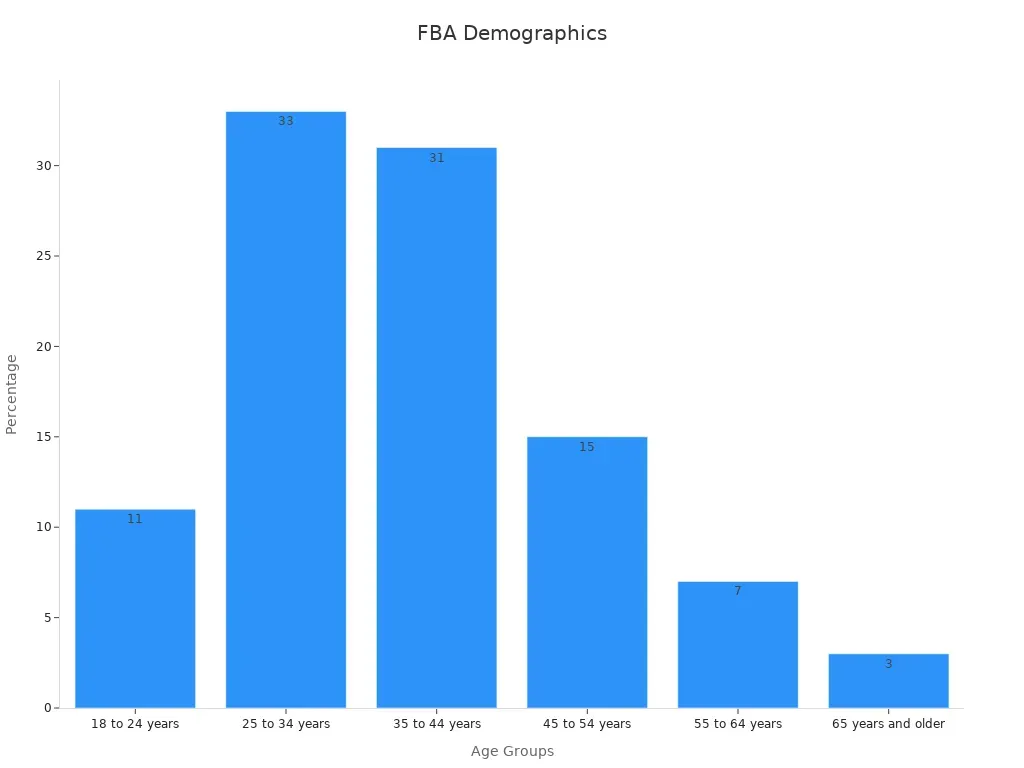
Advantages of the Amazon FBA Program

Simplified Logistics and Storage
Managing logistics can be one of the most time-consuming parts of running an online business. With Amazon FBA, you don’t have to worry about storing inventory, packing orders, or handling customer service. Amazon takes care of all of it for you. This means you can focus on growing your business instead of dealing with the nitty-gritty of fulfillment.
Here’s why sellers love the logistical ease of FBA:
-
86% of Amazon’s third-party sellers use FBA for order fulfillment.
-
64% of sellers report profitability within their first year.
-
Products using FBA are eligible for Prime shipping, which boosts delivery speed and customer satisfaction.
Amazon’s fulfillment centers are equipped with advanced systems to store, pick, pack, and ship your products efficiently. Plus, they handle customer inquiries and returns, saving you even more time. According to recent studies, sellers using FBA experience a success rate of 11% to 25% on average. That’s a big deal when you’re trying to scale your operations.
Access to Amazon Prime Customers
One of the biggest perks of using FBA is gaining access to Amazon Prime customers. These shoppers are loyal, spend more, and love fast shipping. When your products are eligible for Prime shipping, they become more appealing to millions of buyers who prioritize convenience.
Here’s how FBA helps you tap into this lucrative market:
-
FBA sellers experience a sales increase of 20% to 25% compared to non-FBA sellers.
-
Access to Amazon’s loyal customer base contributes to higher profit margins.
-
Prime shipping enhances delivery speed, leading to higher sales and customer satisfaction.
Prime customers spend an average of $1,400 annually, and they’re more likely to choose products with the Prime badge. By using FBA, your products automatically qualify for this badge, giving you a competitive edge. This increased visibility can translate into higher sales and long-term growth for your business.
Scalability for Growing Businesses
Scaling a business can be tricky, especially when you’re juggling logistics, inventory management, and customer service. Amazon FBA simplifies this process, making it easier for you to expand without the usual headaches. Whether you’re a small business or a high-volume seller, FBA provides the infrastructure to support your growth.
Take a look at the numbers:
-
The average TTM sales multiple for FBA businesses in 2021 was 42.6X.
-
FBA asset values increased by 82.8% over three years and 41.7% in just one year.
-
Total sales volume from FBA businesses reached over $122 million in 2021.
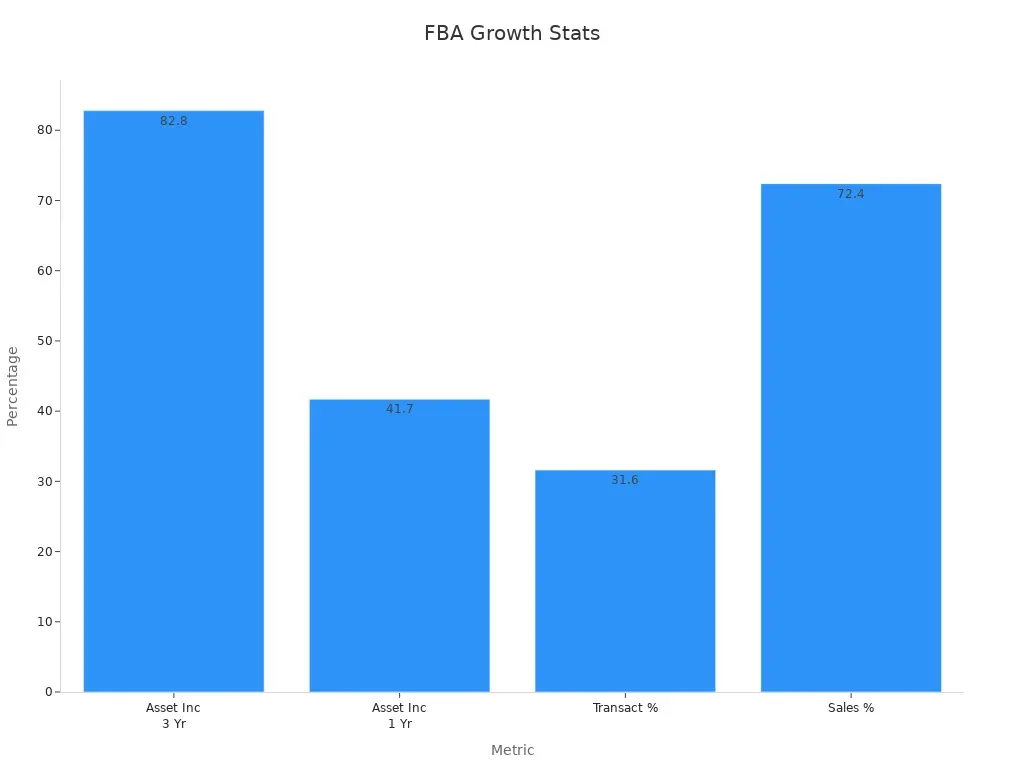
By outsourcing fulfillment to Amazon, you can focus on marketing, product development, and other areas that drive growth. FBA’s scalability ensures that as your business grows, you won’t be held back by logistical challenges. It’s a win-win for sellers looking to expand their reach and maximize profits.
Professional Customer Service and Returns Handling
When you run an online business, handling customer service and returns can quickly become overwhelming. That’s where Amazon FBA steps in to save the day. With FBA, Amazon takes care of customer inquiries, refunds, and returns, so you don’t have to. This means you can focus on growing your business instead of dealing with the stress of unhappy customers or complicated return processes.
Amazon’s professional customer service team is available 24/7 to assist your buyers. They handle everything from answering questions to resolving complaints. This level of support not only keeps your customers happy but also builds trust in your brand. Plus, Amazon’s streamlined returns process makes it easy for customers to send back items, which can encourage them to shop with you again.
To make the most of this feature, you should regularly analyze your return data. Amazon provides a Returns Report that shows why items are being returned and their condition upon return. By addressing common issues, you can improve your product listings and reduce return rates. For example, if customers frequently return an item because it doesn’t match the description, updating your product details can solve the problem.
Here’s a quick look at strategies to optimize returns handling:
By using these strategies, you can turn returns into an opportunity to improve your business. FBA’s professional customer service and returns handling not only save you time but also help you build a loyal customer base.
Increased Visibility and Trust on Amazon Marketplace
Selling on Amazon is all about standing out in a crowded marketplace. With FBA, your products gain increased visibility and trust, giving you a competitive edge. One of the biggest perks of FBA is that your items become eligible for Prime status. This means they’ll carry the Prime badge, which is a huge trust signal for customers. Shoppers love Prime because it guarantees fast and reliable shipping, and they’re more likely to choose products with this badge.
FBA also helps you win the Buy Box, which is the section on a product page where customers can click “Add to Cart.” Winning the Buy Box significantly boosts your product’s visibility and sales. High seller ratings, fast shipping, and excellent customer service—all of which FBA supports—improve your chances of securing this coveted spot.
Here’s how FBA enhances visibility and trust:
When customers see that your product is fulfilled by Amazon, they feel more confident about their purchase. They know they’ll get reliable shipping and easy returns, which makes them more likely to buy from you. This trust translates into higher conversion rates and repeat customers.
By leveraging FBA, you’re not just selling products—you’re building a reputation. The increased visibility and trust that come with FBA can take your business to the next level. Whether you’re a new seller or an established brand, this program gives you the tools to succeed in a competitive marketplace.
Disadvantages of the Amazon FBA Model
While Amazon FBA offers plenty of benefits, it’s not without its drawbacks. Before jumping in, you need to weigh the pros and cons carefully. Let’s take a closer look at some of the challenges you might face with the Amazon FBA model.
High Fees and Costs
One of the biggest hurdles with FBA is the cost. Amazon charges various fees for fulfillment and shipping costs, inventory storage costs, and even long-term storage. These fees can add up quickly, especially if you’re selling low-margin products.
For example, here’s how some of the fees have changed over the years:
Since 2020, fees for small and light inventory have increased by 30%. In 2022, sellers paid $5.06 per item for a 1lb product, compared to $3.48 in 2021. These rising costs can eat into your profits, making it harder to stay competitive.
If you’re not careful, long-term storage fees can also catch you off guard. Amazon charges extra for items that sit in their warehouses for too long. This means you’ll need to manage your inventory carefully to avoid unnecessary expenses.
Limited Branding Opportunities
When you use FBA, you give up some control over how your products are presented to customers. Amazon uses standardized packaging, which means your products arrive in Amazon-branded boxes. While this is convenient, it limits your ability to create a unique brand experience.
Here are some common challenges sellers face with branding under FBA:
Without custom packaging or direct communication with your customers, it’s harder to build a loyal customer base. This can be especially frustrating if you’re trying to establish your brand in a competitive market. You might also find it challenging to stand out from competitors who sell similar products.
Loss of Control Over Inventory
When you hand over your inventory to Amazon, you lose some control over how it’s managed. While FBA takes care of storage and shipping, you might encounter issues like stranded inventory or excess stock. These problems can lead to additional fees and lost sales opportunities.
Amazon uses an Inventory Performance Index (IPI) to measure how well you’re managing your stock. If your IPI score drops below 450, you could face penalties. Here are some key metrics to keep in mind:
Managing your inventory effectively requires constant monitoring. If you’re not careful, you could end up paying for storage fees on items that aren’t selling. Stranded inventory is another common issue. This happens when products become unsellable due to listing errors or other problems. Fixing these issues can take time and effort, which might distract you from growing your business.
Risk of Long-Term Storage Fees
Long-term storage fees can sneak up on you if you’re not actively managing your inventory. Amazon charges extra for items that sit in their warehouses for extended periods, and these costs can quickly eat into your profits. If your products aren’t selling fast enough, you’ll not only face higher fees but also risk tying up capital that could be used elsewhere.
Here’s what happens when inventory overstays its welcome:
-
Valuable warehouse space gets occupied by slow-moving items, leaving less room for faster-selling products.
-
Unsold inventory can become outdated or irrelevant, especially in industries with rapidly changing trends.
-
You might need to pay additional costs for removing or disposing of unsold items, further impacting your bottom line.
Amazon’s long-term storage fees are designed to encourage sellers to keep their inventory moving. But if you’re not careful, these fees can become a major obstacle to profitability. Take a look at how long-term storage impacts your business:
To avoid these pitfalls, you need a solid inventory management strategy. Regularly analyze your sales data to identify slow-moving products and consider running promotions to clear out older stock. By keeping your inventory fresh and relevant, you can minimize long-term storage fees and maximize your profits.
Increased Competition from Other Sellers (Including Amazon)
Selling on Amazon FBA means stepping into a highly competitive marketplace. You’re not just competing with other active sellers; you’re also up against Amazon itself. The platform’s vast reach attracts millions of sellers, making it harder to stand out. If you’re not prepared for this level of competition, it can be tough to maintain your sales momentum.
Here’s what you’re up against:
-
Seller Counts: Many listings have dozens of sellers vying for the same customers. This increases competition intensity and can drive prices down.
-
Buy Box Dominance: Winning the Buy Box is crucial for visibility, but it’s highly competitive. Sellers with better ratings, lower prices, and faster shipping often dominate this space.
-
Stock Availability: Competitors with higher inventory levels can meet demand more effectively, giving them an edge in sales.
Amazon itself can also be a formidable competitor. When the company sells its own branded products, it often prioritizes them in search results, making it harder for third-party sellers to gain visibility. Additionally, Amazon’s pricing strategies can undercut other sellers, forcing you to lower your prices to stay competitive.
To thrive in this environment, you need to focus on differentiation. Offer unique products, optimize your listings, and provide excellent customer service to build trust and loyalty. Here’s a closer look at the competitive landscape:
Navigating the pros and cons of Amazon FBA requires a clear strategy. By understanding the competitive dynamics and staying proactive, you can carve out your niche and succeed in this crowded marketplace.
Is Amazon FBA Right for Your Business?
Factors to Consider Before Choosing Fulfillment by Amazon
Deciding whether Amazon FBA is the right fit for your business requires careful thought. You’ll need to evaluate several factors to make an informed choice. Start by analyzing your revenue potential. If your products have healthy profit margins, FBA’s fees might be manageable. On the other hand, low-margin items could struggle to stay profitable due to fulfillment and storage costs.
Competition is another key consideration. Are you entering a crowded market? If so, you’ll need to assess whether FBA’s benefits, like Prime eligibility, can give you an edge. Customer satisfaction metrics also play a role. FBA ensures fast shipping and professional service, which can boost your ratings and repeat sales.
Here are some questions to guide your decision:
-
How much inventory do you plan to sell monthly?
-
Can you afford FBA’s fees, including long-term storage costs?
-
Does your target audience value fast shipping and Prime benefits?
Effective logistics management is also crucial. Slow deliveries or damaged items can hurt your reputation. FBA’s infrastructure helps you avoid these pitfalls, but it comes at a cost. Weighing these factors will help you decide if FBA aligns with your goals.
Types of Businesses That Benefit Most from the Amazon FBA Program
FBA isn’t a one-size-fits-all solution, but it works wonders for certain types of businesses. High-volume sellers, for instance, thrive with FBA because it simplifies logistics and scales easily. If you’re selling hundreds or thousands of items monthly, outsourcing fulfillment can save you time and headaches.
Small businesses also benefit from FBA, especially those without the resources to manage their own warehouses or shipping. By leveraging Amazon’s Prime program, you can reach loyal customers who spend more and shop frequently. This is particularly valuable if you’re targeting Prime members, who are known for their higher engagement and spending habits.
Here’s a quick breakdown of who benefits most:
If you’re looking to scale quickly or tap into Amazon’s vast customer base, FBA could be the perfect match for your business.
Alternatives to the Amazon FBA Model
If FBA doesn’t seem like the right fit, don’t worry—there are alternatives. Fulfillment by Merchant (FBM) allows you to handle shipping and inventory yourself. This option gives you more control and reduces fees, but it requires more effort on your part. Another option is Seller Fulfilled Prime (SFP), which lets you offer Prime benefits while managing fulfillment. However, SFP has strict requirements and can be challenging to maintain.
Here’s a comparison of these alternatives:
These options are ideal if you want greater flexibility or need to cut costs. However, they require more hands-on management. Consider your resources and goals before choosing the best fulfillment strategy for your business.
Amazon FBA offers a mix of benefits and challenges. It simplifies logistics, boosts visibility, and provides access to Prime customers. However, it comes with high fees, limited branding opportunities, and inventory control issues. Here’s a quick look at the pros and cons:
Before deciding, consider your budget, goals, and how much control you want over your operations. Weighing these factors will help you determine if FBA aligns with your business needs.
FAQ
What types of products work best with Amazon FBA?
Products that are lightweight, durable, and in high demand perform best with FBA. Items like electronics, books, and small household goods are ideal. Avoid fragile or oversized products since they can increase storage and shipping costs.
How do I calculate Amazon FBA fees?
You can use Amazon’s FBA Revenue Calculator. Enter your product details, and it’ll estimate fees like fulfillment, storage, and shipping. This tool helps you understand your costs and plan your pricing strategy.
Can I use FBA for international sales?
Yes, FBA supports international shipping. Amazon’s Global Selling program allows you to reach customers worldwide. However, you’ll need to consider customs, taxes, and additional fees when selling internationally.
What happens if my inventory doesn’t sell?
Amazon charges long-term storage fees for unsold inventory. To avoid this, monitor your stock regularly and run promotions to clear slow-moving items. You can also remove or dispose of unsold products through Amazon’s inventory removal service.
Is Amazon FBA suitable for beginners?
Absolutely! FBA simplifies logistics, making it easier for new sellers to focus on growing their business. You don’t need to worry about storage, shipping, or customer service. Just ensure you understand the fees and have a solid product strategy.
Related content