
A Beginner's Guide to the Electronic House Bill of Lading
Author:XTransfer2025.05.29House Bill of Lading (HBL)
The electronic house bill of lading (HBL) is a digital version of the traditional document used in shipping to track goods and establish ownership. It replaces paper-based processes, making transactions faster and more secure. You can use it to streamline logistics operations, reducing errors caused by manual handling. With its ability to safeguard sensitive information through encryption, the electronic HBL plays a vital role in modernizing global trade. By adopting this tool, you ensure smoother workflows and better protection against fraud.
Understanding the House Bill of Lading
What is a House Bill of Lading?
The house bill of lading (HBL) is a critical document in the shipping industry. It is issued by a freight forwarder or a Non-Vessel Operating Common Carrier (NVOCC) to the shipper. This document provides details about the shipment, including the type, quantity, and destination of the goods. Unlike the master bill of lading, which covers the entire shipment, the house bill of lading focuses on individual shipments.
Historically, the concept of a bill of lading has evolved over centuries. Its origins can be traced back to Roman times when receipts were used for goods transported by ships. During the medieval period, the rise of international trade led to the development of the modern bill of lading. As global commerce expanded, the bill of lading became a vital tool for establishing ownership and ensuring the safe transport of goods. Today, it serves as a contract, a receipt, and a document of title, making it indispensable in maritime trade.
Challenges with traditional paper-based HBLs
Traditional paper-based house bills of lading come with several challenges. One major issue is inefficiency. For example, in January 2023, cargo traffic at major Indian ports reached 70.12 million tonnes, a 12.2% increase from the previous year. Managing such high volumes with paper documents can lead to delays and errors. Additionally, paper-based systems often lack transparency. Information is siloed, making it difficult for stakeholders to access real-time updates.
Another challenge is the lack of standardization. Different parties may use varying formats, complicating the exchange of information. Tracking shipments also becomes labor-intensive and costly. Furthermore, paper documents are vulnerable to fraud and loss, posing significant risks to the supply chain. These inefficiencies highlight the need for a more streamlined and secure solution, such as the electronic house bill of lading.
What is an Electronic House Bill of Lading (HBL)?
Definition and key features of the electronic HBL
An electronic House Bill of Lading (HBL) is a digital version of the traditional house bill of lading. It serves the same purpose as its paper counterpart: acknowledging receipt of goods, acting as a contract of carriage, and providing shipment details. However, it operates through secure digital platforms, offering enhanced functionality and accessibility.
Key features of the electronic HBL include:
-
Secure authentication and digital signatures: These ensure that only authorized parties can access or modify the document.
-
Real-time sharing and tracking: You can instantly share shipment details with stakeholders and monitor the progress of goods in transit.
-
Integration with logistics software: The electronic HBL seamlessly connects with supply chain management systems, automating processes and reducing manual errors.
-
Compliance with international standards: It adheres to frameworks like the Digital Container Shipping Association (DCSA) and the UNCITRAL Model Law on Electronic Transferable Records (MLETR), ensuring global compatibility.
A comparison of document types highlights the advantages of the electronic HBL:
How it improves upon the traditional HBL
The electronic HBL addresses many of the challenges associated with paper-based systems. It eliminates inefficiencies, reduces costs, and enhances security.
-
Faster processing: Traditional HBLs often require weeks to transmit documents between parties. With electronic HBLs, you can complete this process in minutes, saving valuable time.
-
Lower costs: Paper-based systems involve administrative overheads, such as printing, storage, and courier services. Digital formats eliminate these expenses, reducing operational costs significantly.
-
Enhanced security: Paper documents are prone to theft, fraud, and loss. Electronic HBLs use encryption and blockchain technology to protect sensitive information and ensure data integrity.
-
Improved accuracy: Manual data entry in traditional systems increases the risk of errors. Electronic HBLs automate processes, minimizing mistakes and ensuring accurate information.
Industry studies further validate these improvements:
-
A survey revealed that eBL adoption increased from 33.0% to 49.2% between 2022 and 2024.
-
94.2% of respondents noted faster processing as a key advantage of electronic HBLs.
-
87.3% reported improved data accuracy due to digital formats.
By transitioning to electronic HBLs, you can streamline operations, reduce delays, and enhance the overall efficiency of your shipping processes.
How the Electronic HBL Works
The digital process explained
The electronic House Bill of Lading (HBL) simplifies shipping operations by replacing paper-based workflows with digital processes. Platforms like CargoX offer a streamlined approach to generating and managing electronic HBLs. These platforms integrate seamlessly into existing workflows, allowing you to access real-time updates and communicate efficiently with stakeholders.
-
Blockchain technology ensures the security and verifiability of electronic HBLs. It creates immutable records, reducing risks of fraud and document loss.
-
Customizable templates help you meet specific shipping requirements while complying with international trade regulations.
-
Cost savings are achieved by eliminating courier fees and speeding up documentation processes.
To implement the digital process effectively, follow these steps:
-
Ensure accurate documentation of shipment details, including goods and contact information.
-
Use electronic formats to reduce paperwork and improve efficiency.
-
Collaborate with trusted partners and carriers to enhance communication.
-
Leverage digital tools to optimize workflows and minimize errors.
By adopting these practices, you can streamline operations and reduce delays in your shipping processes.
Role of encryption and digital signatures
Encryption and digital signatures play a vital role in securing electronic HBL transactions. Blockchain technology uses military-grade encryption to protect sensitive information, such as shipment details and ownership records. This ensures that only authorized parties can access the data.
Digital signatures validate the authenticity of the document and confirm the identity of the sender. They prevent unauthorized modifications, ensuring the integrity of the electronic HBL. The secure, distributed nature of blockchain technology further enhances trust in digital transactions. You can rely on these features to safeguard your shipping operations against fraud and data breaches.
Key stakeholders in the electronic HBL process
Several stakeholders contribute to the successful implementation of electronic HBLs. Each plays a unique role in ensuring smooth operations:
These stakeholders collaborate to ensure the electronic HBL process runs efficiently. Their roles help maintain transparency, security, and accuracy in shipping operations.
Advantages of the Electronic House Bill of Lading

Faster processing and improved efficiency
Switching to an electronic house bill of lading (HBL) significantly speeds up shipping operations. Traditional paper-based systems often require days or even weeks to process and exchange documents. With electronic HBLs, you can share and access shipment details instantly. This eliminates delays caused by manual handling and courier services.
Real-time updates allow you to track shipments more efficiently. For example, electronic platforms provide instant notifications about the status of goods, helping you make quicker decisions. This streamlined process reduces bottlenecks and ensures that your supply chain operates smoothly.
Surveys confirm these benefits. About 86% of respondents noted that electronic bills of lading increased the speed of their operations. Additionally, 78% reported improved process efficiencies, while 73% highlighted better customer experiences. These statistics demonstrate how electronic HBLs can transform your logistics processes.
Enhanced security and fraud prevention
Electronic HBLs offer robust security features that protect your shipping documents from fraud and unauthorized access. Encryption technology ensures that sensitive information remains secure. Only authorized parties can view or modify the document, reducing the risk of tampering.
Digital signatures add another layer of protection. They verify the authenticity of the document and confirm the identity of the sender. This prevents unauthorized changes and ensures the integrity of your transactions. Blockchain technology further enhances security by creating an immutable record of all document exchanges.
These advanced security measures address the vulnerabilities of paper-based systems. Traditional documents can be lost, stolen, or forged, leading to significant risks for your business. By adopting electronic HBLs, you safeguard your operations and build trust with your partners.
Cost savings and reduced operational expenses
Using electronic HBLs can lead to substantial cost savings for your business. Paper-based systems involve expenses such as printing, storage, and courier services. Electronic formats eliminate these costs, reducing your overall operational expenses.
A financial analysis highlights the potential savings:
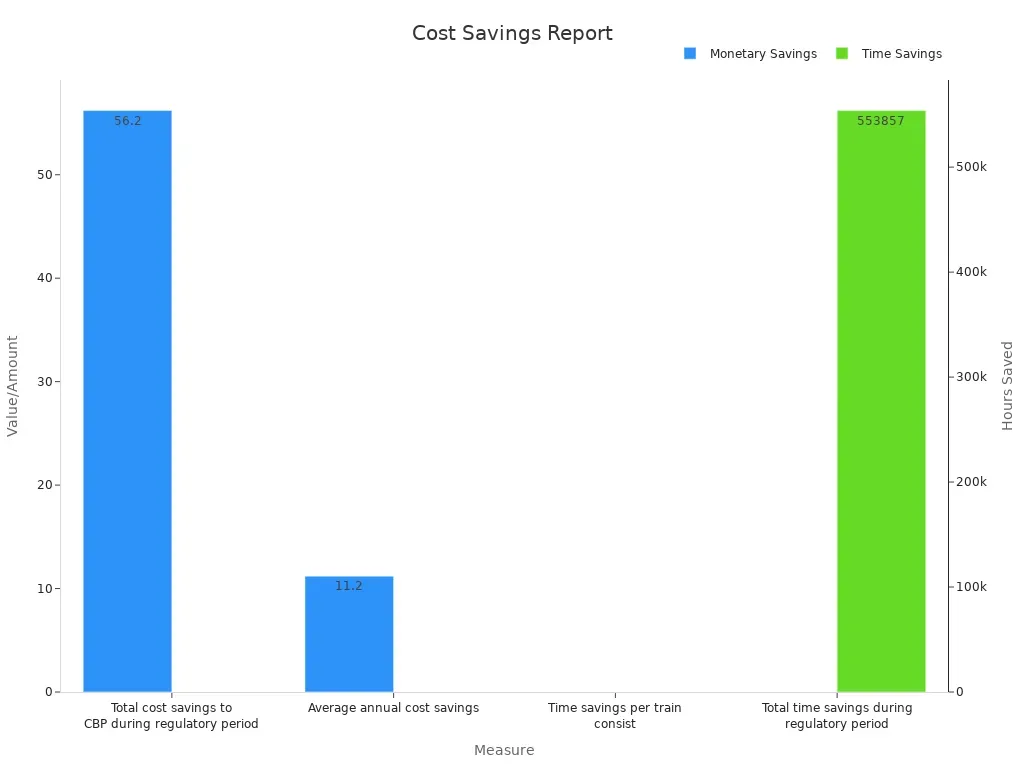
The Digital Container Shipping Association (DCSA) estimates that if 50% of the container shipping industry adopts electronic bills of lading, annual savings could exceed $4 billion. These savings come from reduced administrative overheads and faster processing times.
By transitioning to electronic HBLs, you not only cut costs but also improve the efficiency of your operations. This makes it a smart investment for businesses looking to optimize their supply chains.
Environmental benefits of going paperless
Switching to electronic House Bills of Lading (HBLs) offers significant environmental benefits. By eliminating the need for paper-based processes, you can help reduce deforestation, lower carbon emissions, and minimize waste. These changes contribute to a more sustainable shipping industry and a healthier planet.
1. Reducing paper consumption
Traditional HBLs rely heavily on paper. Each shipment requires multiple copies of documents, which adds up to millions of sheets annually. By adopting electronic HBLs, you can drastically cut down on paper usage. This helps preserve forests, which play a crucial role in absorbing carbon dioxide and maintaining biodiversity.
2. Lowering carbon emissions
Paper production and transportation generate significant carbon emissions. From cutting trees to processing and shipping documents, the traditional system leaves a large carbon footprint. Electronic HBLs eliminate these steps, reducing greenhouse gas emissions. This shift supports global efforts to combat climate change.
3. Minimizing waste
Paper documents often end up in landfills, contributing to waste and pollution. Electronic HBLs eliminate this problem by storing information digitally. You can access and share documents without creating physical waste, making your operations more eco-friendly.
4. Promoting energy efficiency
Digital platforms require less energy compared to the processes involved in producing and distributing paper documents. For example, electronic systems streamline workflows, reducing the need for energy-intensive tasks like printing and courier services. This efficiency benefits both your business and the environment.
By adopting electronic HBLs, you not only improve your shipping operations but also contribute to a greener future. Every step you take toward reducing paper usage helps protect natural resources and combat environmental challenges.
Comparing Electronic and Traditional HBLs
Key differences in functionality and accessibility
Electronic and traditional house bills of lading differ significantly in how they function and how accessible they are. Traditional bills rely on paper-based processes, which often take days or weeks to complete. Electronic bills, on the other hand, enable instant transmission, speeding up operations.
Security is another key difference. Electronic house bills of lading use encryption and tracking features to protect sensitive information. Paper bills are vulnerable to loss, damage, and fraud. While electronic systems require higher initial costs for technology, they save money in the long run by reducing operational expenses.
Acceptance varies between the two formats. Traditional bills are widely accepted due to their long-standing use, but they lack efficiency. Electronic bills are gaining traction, though some stakeholders remain hesitant to adopt them.
Benefits of transitioning to electronic HBLs
Switching to electronic house bills of lading offers several advantages. Faster processing reduces delays, allowing you to complete transactions in minutes instead of weeks. This improves supply chain efficiency and enhances customer satisfaction.
Electronic systems also provide better security. Encryption and digital signatures protect your documents from unauthorized access and fraud. Blockchain technology ensures that records remain tamper-proof, giving you peace of mind.
Cost savings are another benefit. By eliminating paper-based processes, you reduce expenses related to printing, storage, and courier services. These savings can be reinvested into other areas of your business.
Finally, electronic bills align with environmental goals. Going paperless reduces waste and lowers carbon emissions, contributing to a greener shipping industry. Transitioning to electronic systems helps you stay competitive while supporting sustainability.
Addressing concerns about adopting digital solutions
Adopting electronic house bills of lading comes with challenges, but understanding these concerns can help you overcome them. Many stakeholders worry about technology and interoperability. Nearly 73% of respondents cited these issues as reasons for not using electronic bills more.
Cybersecurity risks are another concern. Digital systems can face threats like hacking and data breaches. About 40% of shipping companies reported incidents related to cybersecurity. However, encryption and blockchain technology mitigate these risks effectively.
Resistance to change also slows adoption. Paper-based bills have been used for decades, making some stakeholders hesitant to switch. Lack of standardization further complicates integration between trade partners and regulatory bodies.
Despite these challenges, strong interest in electronic bills continues to grow. Surveys show that education and broader adoption across the ecosystem can address these obstacles effectively. By working with trusted partners and investing in secure platforms, you can transition smoothly to electronic systems.
The electronic house bill of lading (HBL) revolutionizes shipping by offering faster processing, enhanced security, and significant cost savings. It eliminates inefficiencies tied to paper-based systems, reduces manual errors, and provides real-time cargo tracking. Industry reports highlight its potential to save up to $4 billion annually and boost global trade by $1 trillion. With benefits like easy electronic storage and greater transparency, adopting electronic HBLs positions your business for growth and sustainability. Transitioning to this digital solution ensures streamlined operations and strengthens your role in modern global trade.
FAQ
What is the main purpose of an electronic House Bill of Lading (HBL)?
The electronic HBL serves as a digital document that confirms receipt of goods, acts as a contract of carriage, and provides shipment details. It simplifies logistics by enabling faster processing, secure transactions, and real-time tracking.
Is the electronic HBL legally recognized?
Yes, electronic HBLs comply with international standards like the UNCITRAL Model Law on Electronic Transferable Records (MLETR). These standards ensure legal validity and global acceptance, making them a reliable alternative to paper-based bills.
How can electronic HBLs improve security?
Electronic HBLs use encryption and digital signatures to protect sensitive information. Blockchain technology ensures data integrity by creating tamper-proof records, reducing risks like fraud and unauthorized access.
Do electronic HBLs require special software?
You need access to secure digital platforms like CargoX or similar systems. These platforms integrate with logistics software, allowing you to create, share, and track electronic HBLs efficiently.
Are electronic HBLs environmentally friendly?
Yes, electronic HBLs eliminate paper usage, reducing deforestation and waste. They also lower carbon emissions by minimizing the need for printing and transportation, supporting sustainable shipping practices.
Related content