
What is Consignment? Consignment Definition & Application in International Trade
Author:XTransfer2026.01.07Consignment Definition & Application
What Is Consignment in International Trade?
Q: What does “consignment” mean in global trade?
A: Consignment is an international trade arrangement in which goods are shipped to a foreign distributor or agent, but ownership remains with the exporter until the goods are sold to the end customer. Payment is made only after the sale occurs, not at the time of shipment.
In simple terms, consignment allows exporters to place products closer to overseas buyers without immediately transferring ownership or receiving payment.
How Does a Consignment Transaction Work?
Step-by-Step Consignment Process
Q: How does a typical consignment transaction operate?
A: A standard consignment flow includes the following stages:
-
Shipment of Goods
The exporter (consignor) ships goods to a foreign distributor or agent (consignee). -
Storage and Sales by the Consignee
The consignee stores the goods locally and sells them to end customers. -
Ownership Retention
Legal title remains with the exporter until a sale is completed. -
Post-Sale Payment
The exporter receives payment only after the consignee sells the goods. -
Return of Unsold Inventory
Unsold goods may be returned after a pre-agreed period.
This structure makes consignment a variation of open account terms, typically used when trust between trading partners is high.
Who Are the Key Parties in a Consignment Arrangement?
Core Roles Explained
Q: Who is involved in consignment trade?
A: A consignment model involves clearly defined roles:
Exporter (Consignor)
-
Ships goods internationally
-
Retains ownership until sale
-
Bears inventory and payment risk
Distributor or Agent (Consignee)
-
Receives and stores goods
-
Markets and sells locally
-
Pays only for goods sold
Title Retention
-
Ownership does not transfer at delivery
-
Legal control stays with the exporter
When Is Consignment Commonly Used?
Practical B2B Applications
Q: In which industries is consignment most common?
A: Consignment is widely used in B2B cross-border trade, particularly for:
-
Heavy machinery and industrial equipment
-
Spare parts and components
-
Fast-moving consumer goods (FMCG)
-
Medical devices and technical products
Exporters use consignment to improve local availability, reduce delivery time, and strengthen competitiveness in foreign markets.
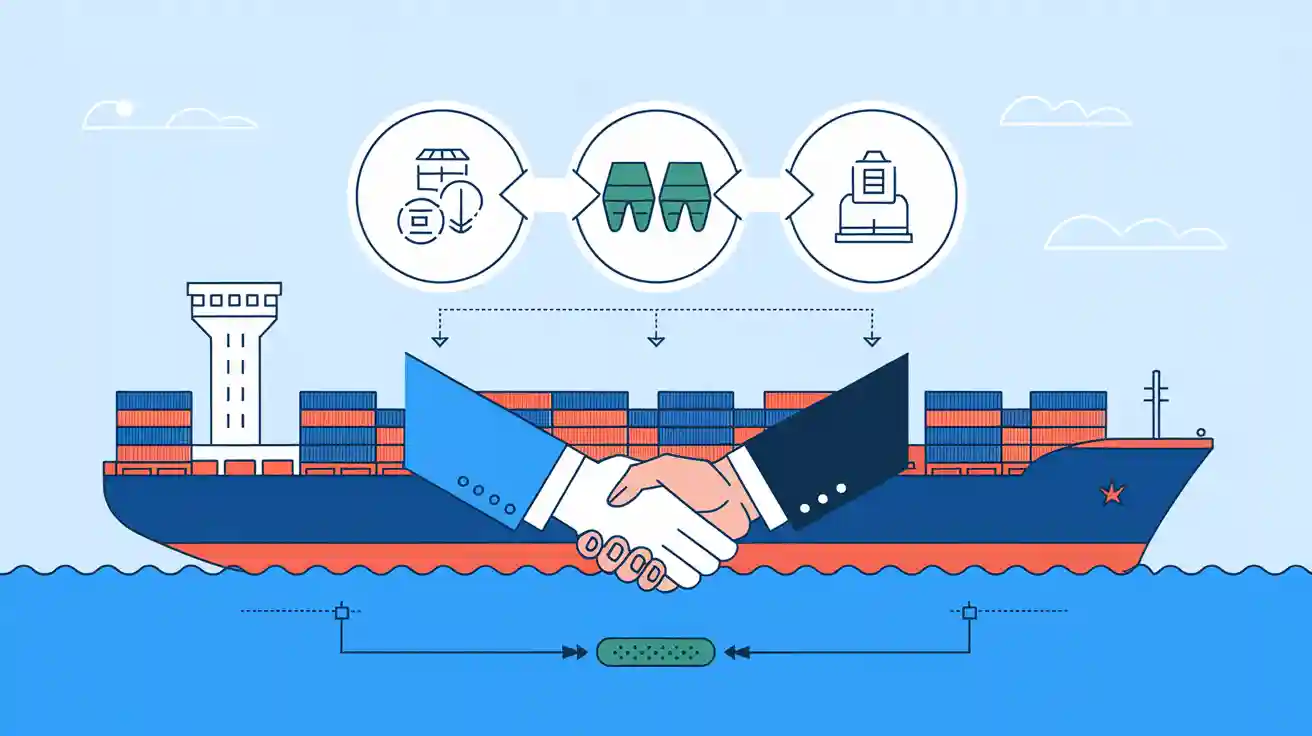
Why Do Exporters Use Consignment?
Strategic Advantages
Q: Why would an exporter choose consignment despite the risks?
A: Consignment offers several strategic benefits:
-
Faster delivery to end customers
-
Stronger local market presence
-
Lower upfront cost for distributors
-
Increased sales potential in new markets
For buyers and distributors, consignment is highly attractive because it minimizes cash flow pressure and inventory risk.
What Are the Risks of Consignment for Exporters?
Key Risk Factors
Q: Why is consignment considered high risk for exporters?
A: Consignment exposes exporters to multiple risks:
-
Non-payment risk if goods are sold but funds are delayed or withheld
-
Inventory loss or damage while goods are held overseas
-
Slow inventory turnover, tying up working capital
-
Legal and compliance risks across different jurisdictions
For this reason, consignment sits at the highest-risk end of the international payment spectrum for exporters, while being most favorable for importers.
How Can Exporters Manage Consignment Risk?
Risk Mitigation Strategies
Q: How can exporters reduce consignment-related risks?
A: Best practices include:
-
Detailed consignment agreements with clear return and payment terms
-
Trade credit insurance and inventory insurance
-
Working only with reputable, vetted distributors
-
Using transparent, compliant cross-border payment platforms
Risk management is essential to make consignment commercially sustainable.
How Does Consignment Compare to Other Payment Methods?
Consignment vs. Common Trade Terms
Q: How does consignment differ from other international payment methods?
Open Account
-
Buyer owns goods upon delivery
-
Payment is deferred but ownership transfers earlier
Letter of Credit (L/C)
-
Bank guarantees payment upon document compliance
-
Lower risk for exporters, higher cost
Advance Payment
-
Buyer pays before shipment
-
Lowest risk for exporters
Documentary Collection
-
Banks handle documents but do not guarantee payment
Consignment offers the least protection for exporters, but the greatest flexibility for buyers.
How Does Consignment Affect Cross-Border Payments?
Payment Timing and Currency Management
Q: Why are payment solutions critical in consignment trade?
A: Because payment occurs after sale, exporters must manage:
-
Delayed cash flow
-
Multi-currency settlement
-
Regulatory and compliance requirements
-
Reconciliation between sold and unsold inventory
Efficient cross-border payment infrastructure is therefore a core enabler of successful consignment operations.
Consignment and XTransfer: A Practical Example
Q: How can platforms like XTransfer support consignment trade?
A: For exporters using consignment models, platforms such as XTransfer provide:
-
Multi-currency business accounts for global collections
-
Secure, compliant cross-border payment processing
-
Faster settlement once goods are sold
-
Compliance support aligned with international regulations
These capabilities help exporters reduce payment friction, improve cash visibility, and manage consignment risk more effectively.
Key Terms Related to Consignment
Important Concepts to Know
Q: What related terms are commonly used in consignment trade?
-
Consignor: The exporter retaining ownership
-
Consignee: The distributor selling on behalf of the exporter
-
Bill of Lading: Transport document acknowledging receipt of goods
-
Title Retention: Legal ownership remains with exporter until sale
Understanding these terms is essential for structuring compliant and enforceable consignment agreements.
Final Takeaway: Is Consignment Right for Your Business?
Q: Should global exporters use consignment?
A: Consignment can be a powerful market-entry and expansion strategy when:
-
Trust between exporter and distributor is strong
-
Products benefit from local availability
-
Risk mitigation and payment controls are in place
For global procurement and sourcing professionals, understanding consignment helps evaluate supplier terms, pricing flexibility, and supply chain resilience in international trade.
Ready to simplify your cross-border consignment payments? Discover XTransfer's global B2B payment solutions:https://www.xtransfer.com.
Related content