
What is an Authorized Economic Operator (AEO)?
Author:XTransfer2026.01.04AEO
One-Sentence Definition
An Authorized Economic Operator (AEO) is a company approved by customs authorities as compliant, reliable, and secure, and therefore eligible for trade facilitation benefits in international supply chains.
Detailed Explanation
The Authorized Economic Operator concept was developed by the World Customs Organization (WCO) under its SAFE Framework of Standards, which aims to balance global trade security with efficiency. An AEO can be any participant in the international movement of goods, including manufacturers, exporters, importers, customs brokers, logistics providers, carriers, and warehouse operators. To obtain AEO status, a business must demonstrate a strong compliance history, sound internal controls, and effective supply chain security measures.
While the core principles are defined by the WCO, AEO programs are implemented at the national or regional level. As a result, requirements and benefits may vary across jurisdictions. For instance, the United States operates the Customs Trade Partnership Against Terrorism (C-TPAT), which focuses heavily on supply chain security, whereas the European Union’s AEO program covers both security and broader customs compliance. Through Mutual Recognition Arrangements (MRAs), AEO-certified companies can enjoy similar facilitation benefits when trading with partner countries, extending the value of certification beyond domestic borders.
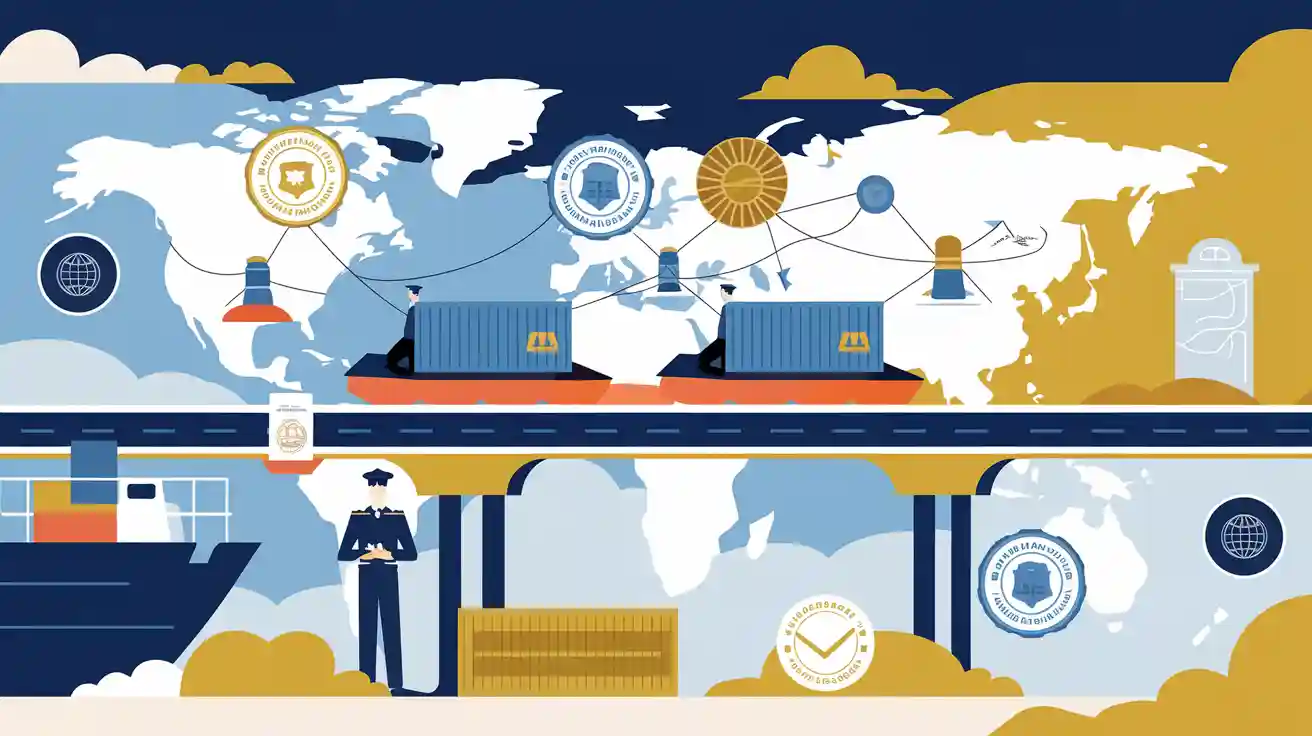
In today’s fast-paced global marketplace, security and efficiency are crucial for businesses moving goods across borders. One way companies demonstrate trustworthiness and gain operational advantages is through the Authorized Economic Operator (AEO) program.
How AEO Programs Work Worldwide
AEO programs vary by country or region, but they share common principles.
United States: C-TPAT
The Customs Trade Partnership Against Terrorism (C-TPAT) focuses heavily on supply chain security, requiring companies to implement robust measures to protect goods and personnel.
European Union: AEO Program
The EU AEO program evaluates both security and broader customs compliance standards, covering a wide range of operators. Certification under this program helps companies simplify trade procedures across multiple countries.
Mutual Recognition Arrangements (MRAs)
Many countries have agreements to recognize each other’s AEO certifications. Through MRAs, companies can benefit from expedited customs procedures and reduced inspections internationally, extending the advantages of AEO beyond a single jurisdiction.
Key Components of AEO Certification
Achieving and maintaining AEO status requires attention to several critical areas:
Customs Compliance
Companies must maintain a proven record of following customs laws and regulations consistently.
Supply Chain Security
Robust security measures, including personnel controls and protection of goods in transit, are essential.
Risk Management
Companies should continually assess potential threats and implement mitigation strategies across their supply chains.
Internal Controls
Transparent documentation, secure information systems, and regular audits ensure accountability and reliability.
Mutual Recognition
International recognition through MRAs allows certified companies to enjoy customs facilitation benefits across multiple countries.
Benefits for Businesses
AEO certification provides concrete advantages:
-
Faster Customs Clearance: Priority treatment at borders reduces delays.
-
Lower Operational Costs: Less time at customs means lower logistics and inventory costs.
-
Enhanced Security: Stronger supply chain security reduces risks of theft, tampering, or fraud.
-
Global Credibility: International recognition makes certified businesses more attractive to trading partners.
In practice, programs like C-TPAT (US), Partners in Protection (Canada), and Mexico’s AEO program have helped companies reduce border delays, improve inventory management, and strengthen relationships with customs authorities. Similar benefits are observed across Europe and Asia, where AEO certification is increasingly viewed as a mark of trust and professionalism.
Integration with Cross-Border Payment Platforms
AEO compliance also involves transparent financial operations. Secure cross-border payment platforms support companies by ensuring clear audit trails, real-time transaction tracking, and regulatory compliance.
Platforms like XTransfer provide multi-currency accounts and compliance support, helping AEO-certified businesses maintain financial transparency while streamlining international settlements. By integrating AEO practices with reliable payment solutions, companies can reinforce both operational and financial compliance.
Why AEO Certification Matters
In a global trade environment filled with uncertainties, AEO certification offers companies a competitive edge. It enables faster customs processing, reduces operational risks, and signals reliability to partners. When combined with secure cross-border payments, AEO certification helps businesses operate efficiently, safely, and confidently worldwide.
Related content