
What is a Manifest? Manifest Definition, Key Elements, and Applications in International Trade
Author:XTransfer2026.01.12A Manifest
What Is a Cargo Manifest
What exactly is a manifest and why does it matter for your shipments
A manifest is a comprehensive document listing all cargo details for a shipment, serving as a key compliance and tracking record in international trade and logistics. In 2026, manifests remain essential documents that bridge the physical movement of goods with regulatory requirements, customs clearance, and financial settlement.
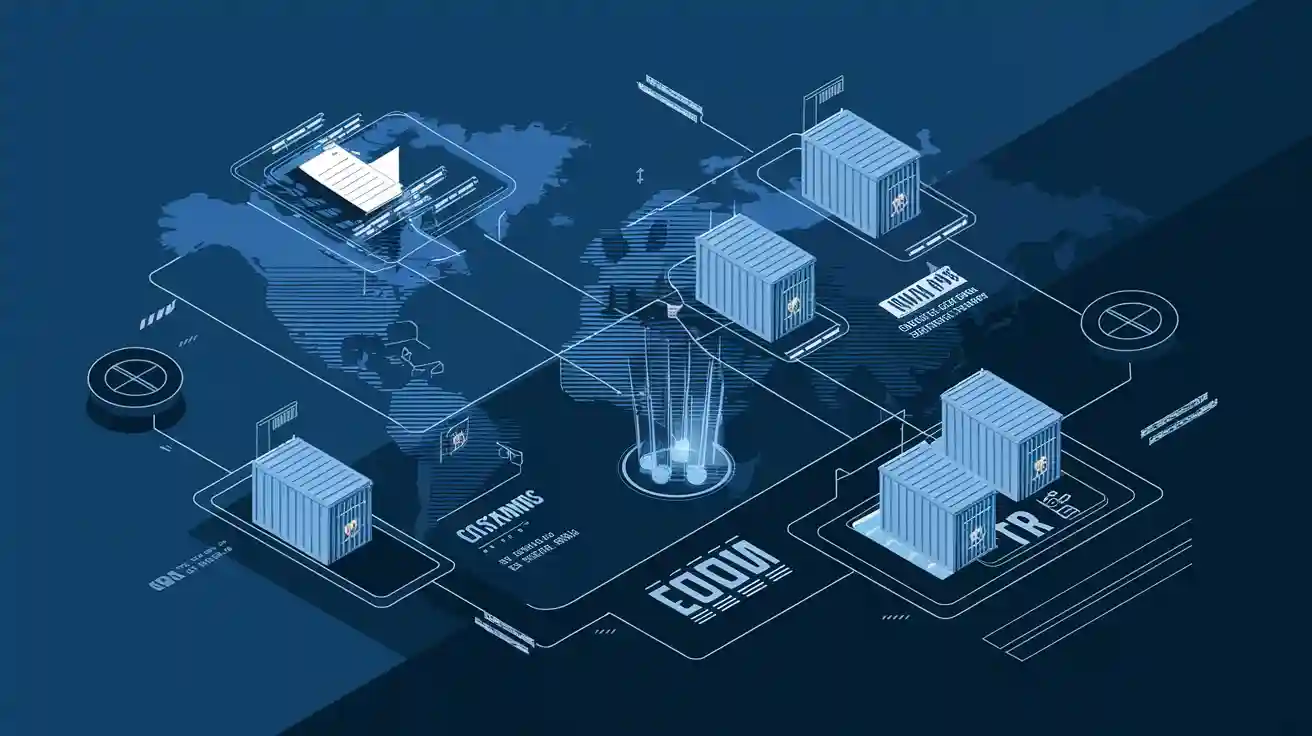
In the context of international trade and logistics, a manifest, also known as a cargo manifest or customs manifest, is an official document that records detailed information about all goods loaded onto a transport vehicle such as a ship, aircraft, or truck. The manifest includes descriptions of goods, quantities, weights, consignor and consignee details, transportation mode, and relevant classification codes like HS codes used for customs purposes.
The primary purpose of a manifest is to ensure regulatory compliance, facilitate customs clearance, and enable accurate tracking and risk management throughout the supply chain. Unlike a bill of lading, which serves as a legal contract and document of title for specific shipments, the manifest provides a high-level overview of all cargo on board, supporting customs authorities, port operators, and logistics providers in verifying, inspecting, and managing shipments efficiently.
How Has Digital Transformation Changed Manifests
Are paper manifests still used in 2026
With the rise of digital trade, electronic manifests, commonly called e-Manifests, have become the standard in international shipping. These digital documents enable real-time data sharing, process automation, and enhanced security that paper manifests could never provide. In 2026, most major ports and customs authorities worldwide require or strongly prefer electronic submission.
E-Manifests integrate with customs systems, allowing automated risk assessment and faster clearance. They connect with payment platforms, enabling verification of trade authenticity before funds are released. They provide real-time tracking, giving all stakeholders visibility into cargo location and status. They reduce errors by eliminating manual data entry and transcription mistakes.
This digital transformation has fundamentally changed how manifests function, converting them from static compliance documents into dynamic data sources that drive automation throughout the supply chain.
What Information Does a Manifest Contain
Shipper and Consignee Information
Every manifest must identify who is sending the goods and who will receive them. This includes complete names, full addresses, contact phone numbers and email addresses, and tax identification or business registration numbers. This information enables customs authorities to verify the legitimacy of trade partners and helps logistics providers coordinate delivery.
Detailed Cargo Description
The manifest must describe what is being shipped with sufficient detail for customs classification and risk assessment. This includes the type of goods and their specifications, brand names and model numbers when applicable, materials and composition, intended use or purpose, and country of origin or manufacture.
Accurate descriptions are critical because customs officials use this information to determine applicable duties, assess security risks, and verify compliance with import restrictions or licensing requirements.
Quantity and Weight Information
Manifests must precisely state how much is being shipped. This includes the number of packages or containers, total gross weight and net weight, volume or cubic measurement, and unit of measure for bulk commodities. This data helps customs calculate duties, enables carriers to plan loading and weight distribution, and allows consignees to verify they received complete shipments.
Transportation Details
The manifest documents how goods are moving and when they should arrive. This includes the mode of transport whether sea, air, road, or rail, vessel or flight number and name, departure and destination ports or terminals, route and any transshipment points, and estimated time of arrival at destination.
These details enable tracking and help customs authorities focus inspection resources on higher-risk routes or carriers.
Customs Classification Information
For international shipments, manifests must include information customs authorities need for clearance. This primarily involves HS codes, the standardized Harmonized System codes that classify goods for tariff purposes, tariff classification codes specific to the importing country, declared customs value for duty calculation, and any special requirements for hazardous, refrigerated, or controlled goods.
Proper classification is essential because errors can result in delays, incorrect duty payments, or compliance violations.
Container and Security Information
For containerized shipments, manifests include unique identifiers for tracking and security purposes. This includes container numbers for each container in the shipment, seal numbers that verify containers haven't been tampered with, and sometimes tracking device IDs for real-time location monitoring.
This information helps detect security breaches and prevents unauthorized access to cargo.
Why Are Manifests Critical for Customs Compliance
What happens if your manifest is inaccurate or incomplete
Manifests are essential documents for customs authorities to verify cargo, assess duties and taxes, and ensure compliance with import and export regulations. Customs officials compare manifest data against other shipping documents and their risk assessment systems to identify potential issues before goods enter the country.
Inaccurate or incomplete manifests can lead to serious consequences. Shipment delays occur when customs requires additional documentation or physical inspection to resolve discrepancies. Financial penalties or fines are imposed for missing or incorrect information. In severe cases, goods may be seized if authorities suspect fraud or smuggling. Your company may be flagged for increased scrutiny on future shipments.
In 2026, with advanced data analytics and AI-driven risk assessment, customs authorities can quickly identify anomalies in manifest data. The cost of errors has increased as automated systems immediately flag discrepancies that might have been overlooked in manual reviews.
How Do Manifests Support Cross-Border Payments
Why do payment platforms require manifests?
When businesses use cross-border payment platforms such as XTransfer to receive or send international payments, they may be required to submit a manifest as supporting documentation. This requirement serves multiple important purposes for financial compliance and fraud prevention.
Payment providers and banks use manifests to verify the authenticity of the trade transaction, ensuring funds are tied to legitimate commercial activity rather than money laundering or fraud. They confirm that the payment amount aligns with the value of goods being shipped, detecting potential over or under-invoicing schemes. They comply with anti-money laundering regulations that require documentation of the underlying commercial purpose for fund transfers. They assess the legitimacy of fund flows by checking that trading partners and goods are consistent with the business's normal activities.
This integration of manifests with payment systems creates a more secure and transparent cross-border trade environment, protecting both businesses and financial institutions from illicit activities.
How Do Manifests Differ From Other Shipping Documents
Manifest vs Bill of Lading
The manifest and bill of lading serve different but complementary purposes. A manifest covers all cargo on a vessel or vehicle, providing customs with a complete inventory, while a bill of lading covers a specific shipment for one customer. The manifest is primarily informational and used for compliance and tracking, while the bill of lading is a legally binding contract, receipt, and document of title. Manifests are typically used by customs, ports, and carriers for regulatory purposes, while bills of lading are used by shippers, consignees, and banks for ownership transfer and payment.
Manifest vs Packing List
A packing list provides detailed information about the contents of each package or container in a shipment, listing items box by box. A manifest summarizes all cargo on the transport vehicle without this level of detail. Packing lists are used primarily for verification during loading, unloading, and receiving, while manifests are used for regulatory compliance and high-level tracking.
Manifest vs Customs Declaration
A customs declaration is the official document submitted to customs authorities for import or export clearance, containing detailed product information, valuation, and classification for duty assessment. While manifests provide an overview of all cargo for preliminary risk assessment and tracking, customs declarations provide the detailed information needed for final clearance and duty calculation. Both documents are required but serve different stages of the customs process.
What Role Do Manifests Play in Supply Chain Visibility
How do logistics companies use manifests for tracking?
Logistics companies and shippers use manifests extensively to track cargo movement, prevent loss or misplacement, and resolve disputes quickly. Manifests create a documented record of what was loaded onto each transport vehicle, enabling accountability at every stage.
Modern digital manifests integrate with global tracking systems, providing stakeholders with real-time visibility. A buyer in Europe can see that their container from China was loaded onto a specific vessel, track the vessel's progress across the ocean, receive notifications when the container arrives at the destination port, and monitor customs clearance status.
This transparency reduces uncertainty, enables proactive problem-solving when delays occur, improves inventory planning by providing accurate arrival predictions, and strengthens trust between trading partners through shared, verified information.
How Are Manifests Used in Dispute Resolution
What happens when cargo is lost or damaged?
In the event of cargo loss, damage, or disputes about what was shipped, the manifest serves as a key reference document for determining liability and processing insurance or compensation claims. The manifest provides evidence of what goods were supposed to be on the transport vehicle, when they were loaded, who was responsible for them at each stage, and what condition they should have been in.
Insurance companies review manifests when processing claims to verify that claimed goods were actually shipped and that the declared value aligns with manifest data. Carriers use manifests to defend against or validate damage claims by showing what condition cargo was in when they took possession. Buyers and sellers reference manifests to resolve disputes about quantity or specifications of delivered goods.
This evidentiary function makes accurate, complete manifests essential not just for compliance but for protecting your financial interests when things go wrong.
What Are the Future Trends for Manifests
How is technology changing manifest management?
The adoption of advanced technologies is transforming how manifests are created, submitted, and verified in 2026. Electronic manifests have become universal, with nearly all major trade lanes requiring digital submission. Blockchain technology is being piloted to create tamper-proof manifest records that all stakeholders can trust without central verification. AI-driven compliance tools automatically check manifests against customs requirements and flag potential errors before submission. Smart contracts trigger automatic customs clearance and payment release when manifest data meets predefined criteria.
These technologies collectively reduce paperwork, speed up customs clearance sometimes to mere minutes rather than hours or days, enhance data security and reduce fraud through cryptographic verification, and improve transparency by giving all authorized parties access to the same trusted information.
For businesses engaged in international trade, staying current with these technological advances provides competitive advantages through faster processing, lower costs, and reduced compliance risk.
Key Takeaways for International Traders
Manifests are foundational documents in international trade, connecting physical cargo movement with regulatory compliance and financial settlement. Understanding manifests and ensuring accuracy protects your business from costly delays, penalties, and disputes.
In 2026, digital manifests have become the standard, requiring businesses to adopt or integrate with electronic systems for submission and tracking. The integration of manifests with customs automation and payment platforms creates opportunities for faster, more secure transactions but also increases the consequences of errors as automated systems immediately detect discrepancies.
For businesses engaged in cross-border trade, investing in proper manifest management through accurate data collection, electronic system integration, and compliance verification delivers significant returns through smoother operations, better supply chain visibility, and stronger trading partner relationships.
Frequently Asked Questions
Who is responsible for creating the manifest?
Typically, the carrier or freight forwarder creates the manifest based on information provided by all shippers whose cargo is on the transport vehicle. However, each shipper is responsible for providing accurate, complete information about their specific cargo. Errors in the information you provide can affect not just your shipment but the entire manifest, potentially delaying all cargo on board.
Can a manifest be amended after submission?
Yes, but amendment procedures vary by country and must be done before cargo arrives or customs begins processing. Some jurisdictions allow electronic amendments up until a certain point, while others have strict deadlines. Late amendments may incur penalties. It's always better to ensure accuracy before initial submission rather than relying on amendments.
Do I need a separate manifest for each container?
No, a single vessel or vehicle manifest covers all cargo on board, including multiple containers. However, each container will have its own detailed information section within the master manifest. For consolidated shipments where one container holds cargo from multiple shippers, the manifest will list each shipper's goods separately.
How long should manifests be retained?
Retention requirements vary by jurisdiction, but most countries require keeping manifests for at least five years for tax and audit purposes. Some industries or trade agreements may have longer requirements. Electronic manifests make long-term retention easier, but ensure your systems have proper backup and retrieval capabilities.
Are manifest requirements different for air vs ocean shipments?
While the core information is similar, format and submission timing requirements differ between modes. Air cargo manifests typically must be submitted before the flight departs, while ocean manifests may be submitted while the vessel is en route. Air waybills and sea waybills also complement manifests differently. Always verify the specific requirements for your transport mode and destination country.
How do manifests relate to the Automated Commercial Environment?
The ACE is the U.S. Customs and Border Protection's electronic system for processing imports and exports. Manifests submitted to ACE must follow specific formats and contain required data elements. The system uses manifest data for risk assessment and targeting before cargo arrives, enabling faster clearance for low-risk shipments. If you ship to or from the United States, ensuring your manifests are ACE-compliant is essential for smooth customs processing.
Related content