
What is a General Rate Increase (GRI)? Definition, Mechanism, and Impact
Author:XTransfer2026.01.04General Rate Increase
Shipping costs are rarely static. In the dynamic world of international trade, ocean carriers often adjust their pricing to reflect changing market conditions. One of the most important tools they use is the General Rate Increase (GRI). For exporters, importers, and freight forwarders, understanding GRIs is crucial for controlling costs, optimizing cash flow, and maintaining competitiveness in global markets.
What is a General Rate Increase?
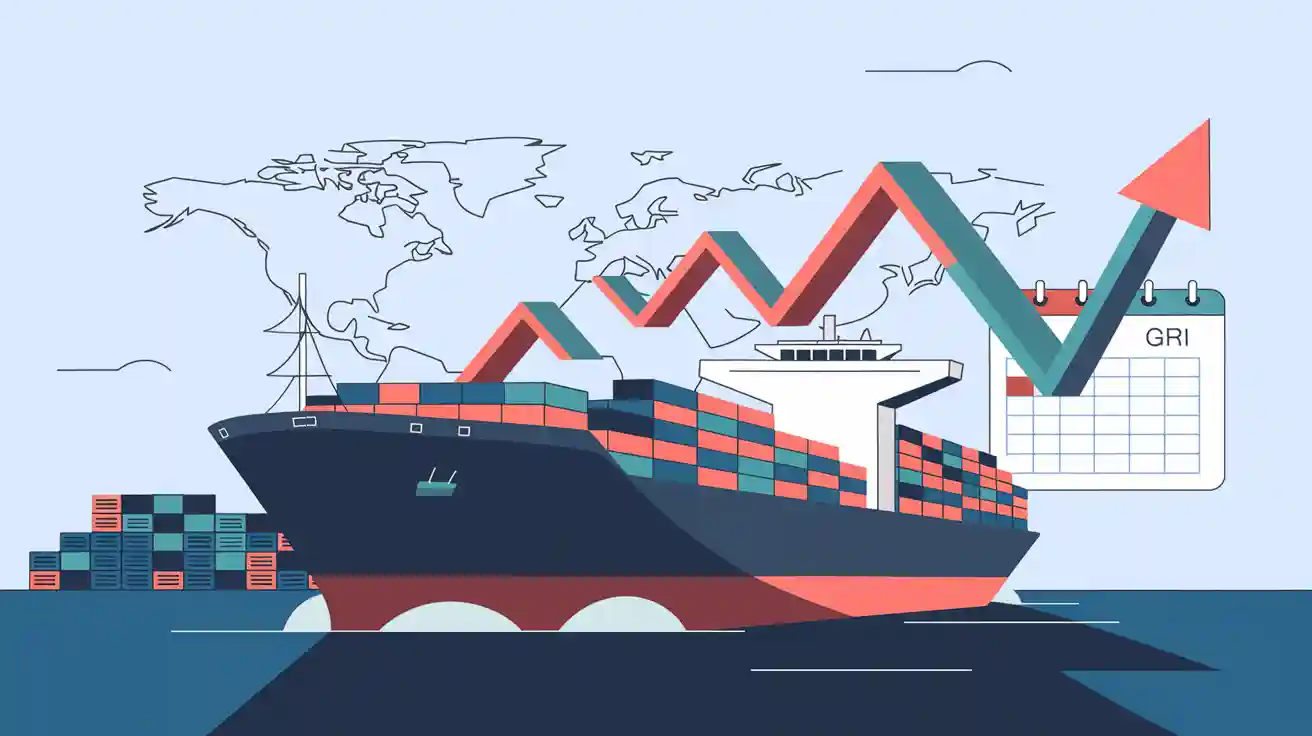
A General Rate Increase (GRI) is a periodic adjustment—typically an increase—applied to base freight rates by ocean carriers across specific trade routes. GRIs are not arbitrary; they are implemented to address rising operational costs, supply-demand imbalances, or other market fluctuations. Carriers usually announce GRIs in advance, often 30 days before they take effect, giving shippers some time to adjust their logistics strategies.
GRIs are standard practice across the shipping industry. Any company involved in moving goods internationally—whether a manufacturer, exporter, importer, or freight forwarder—can be affected. The timing and impact of GRIs vary: in highly volatile markets, multiple GRIs may occur in a single year, while in more stable conditions, increases may happen annually or semi-annually.
Understanding GRIs is not just about knowing the new rates. It’s about planning shipments, managing budgets, and negotiating effectively with carriers to minimize costs.
Why GRIs Happen
Several factors drive carriers to implement GRIs:
Supply and Demand Imbalances
When trade volumes surge on key routes, carriers may face higher operational demands, such as additional vessels or equipment. GRIs help balance these market pressures while maintaining service quality.
Rising Operational Costs
Fuel prices, labor costs, port fees, and insurance premiums all influence carrier profitability. GRIs allow carriers to pass some of these costs on to shippers without disrupting their overall service.
Regulatory and Seasonal Factors
Changes in shipping regulations, customs requirements, or environmental rules can increase costs. Additionally, high-demand periods, such as pre-holiday seasons, often trigger peak season adjustments that coincide with GRIs.
Market Volatility
Unforeseen events like port congestion, geopolitical tensions, or global supply chain crises can force carriers to adjust rates multiple times within a year.
How GRIs Work
Announcement and Scope
Carriers typically announce GRIs several weeks in advance, specifying the effective date and the amount per container—for example, $250 per 20-foot container. GRIs can apply to all trade routes or selected lanes, and they may impact both FCL (Full Container Load) and LCL (Less than Container Load) shipments.
Regulatory Oversight
In the United States, carriers are required to file GRIs with the Federal Maritime Commission (FMC) at least 30 days before they take effect. This regulatory framework ensures transparency and gives shippers time to adjust their shipping plans or negotiate contracts.
Practical Implications
A GRI directly increases the cost of shipping, affecting the landed cost of goods and overall trade settlement. Companies with flexible shipping schedules or strong relationships with carriers may be able to time shipments strategically to reduce exposure. Those using cross-border payment platforms, such as XTransfer, can manage cash flow more effectively and maintain predictable trade settlements.
Related Concepts: Beyond the Base Rate
GRIs adjust the base freight rate, but businesses also need to consider other charges that influence overall shipping costs:
-
Freight Rate: The base price charged for transporting goods.
-
Surcharge: Additional fees covering specific costs, such as fuel or congestion.
-
BAF (Bunker Adjustment Factor): A fuel-related surcharge reflecting fluctuations in oil prices.
-
CAF (Currency Adjustment Factor): Applied to offset currency exchange volatility.
-
PSS (Peak Season Surcharge): An extra charge during high-demand periods.
By understanding GRIs alongside surcharges like BAF, CAF, and PSS, businesses can forecast shipping costs more accurately and make informed decisions about pricing, contracts, and trade schedules.
Managing GRIs in Practice
For B2B businesses, planning around GRIs is essential:
-
Negotiate with Carriers: Companies with strong partnerships may secure favorable terms or timing arrangements to minimize rate increases.
-
Plan Shipments Strategically: Timing shipments before a GRI takes effect can save significant costs.
-
Use Data and Forecasting: Monitoring market trends helps anticipate potential GRIs and avoid surprises.
-
Integrate Financial Management: Cross-border payment platforms, like XTransfer, allow companies to maintain real-time visibility into transactions, track payments across currencies, and ensure compliance, supporting better financial planning in the face of fluctuating shipping costs.
Why GRIs Matter for Global Trade
GRIs are more than just a cost adjustment—they are a reflection of market realities in global shipping. For businesses operating internationally, staying ahead of GRIs can mean the difference between maintaining competitive pricing and facing unexpected cost overruns. By combining strategic shipment planning with reliable cross-border payment solutions, companies can reduce risk, optimize cash flow, and strengthen their supply chain resilience.
Conclusion
In the complex world of global logistics, General Rate Increases are a predictable yet critical factor influencing shipping costs. Understanding how GRIs work, what drives them, and how to manage their impact is essential for any B2B enterprise engaged in international trade. Tools like XTransfer provide the visibility, flexibility, and compliance support that businesses need to navigate these fluctuations, making it possible to plan smarter, pay securely, and maintain a competitive edge in global markets.
Related content