
What is a Distributor? Definition, Key Roles, and Applications
Author:XTransfer2026.01.07Distributor Definition, Key Roles, and Applications
What Is a Distributor?
Q: What does a distributor do in the supply chain?
A: A distributor is a key intermediary who purchases products from manufacturers and resells them to retailers, wholesalers, or end customers. Unlike agents, distributors take ownership of goods, manage inventory, assume market risk, and often provide additional services such as after-sales support, marketing, and compliance management.
In international trade, distributors act as crucial partners for manufacturers seeking to enter new markets, navigate local regulations, and handle logistics efficiently.
How Does a Distributor Operate?
Procurement and Inventory Management
Q: How do distributors handle procurement and inventory?
A: Distributors purchase goods in bulk and maintain stock to meet market demand. They track inventory levels, forecast sales, and replenish stock proactively to avoid shortages or overstock situations.
Logistics and Delivery
Q: How do distributors manage transportation and delivery?
A: Distributors coordinate shipping from manufacturers to warehouses, retailers, or directly to end customers. They optimize routes, consolidate shipments, and often use automation or warehouse management systems to improve efficiency and reduce costs.
Market Penetration
Q: How do distributors help manufacturers enter new markets?
A: By leveraging local networks, knowledge, and customer relationships, distributors can introduce products to new regions or customer segments faster than manufacturers could alone. They often provide marketing support, product training, and after-sales service, which strengthens brand presence.
Compliance and Risk Management
Q: How do distributors ensure regulatory compliance?
A: In cross-border trade, distributors verify that products meet local legal and safety standards, such as the EU MDR for medical devices. They also manage risks related to import/export regulations, warehousing, and distribution.
Real-World Applications
Q: Where are distributors most important?
A: Distributors are critical in industries such as automotive, electronics, pharmaceuticals, food & beverage, and IT. For example, a Chinese manufacturer may ship electronics to a U.S.-based distributor. The distributor imports the products, stores them locally, supplies them to retailers, manages compliance, and provides after-sales service.
Case Example: Payment for these transactions can be efficiently managed using platforms like XTransfer, which support multi-currency accounts, secure cross-border payments, and regulatory compliance.
Types of Trade Intermediaries
Q: How do distributors differ from other intermediaries?
A:
-
Wholesalers purchase products in bulk from manufacturers and resell to retailers. They generally do not provide marketing or after-sales support.
-
Agents act as sales representatives for manufacturers but do not take ownership of the goods.
-
Retailers sell products directly to end consumers rather than managing B2B transactions.
-
Resellers buy products to resell, often without exclusivity or added services.
-
Suppliers provide raw materials or finished goods to manufacturers or distributors, upstream in the supply chain.
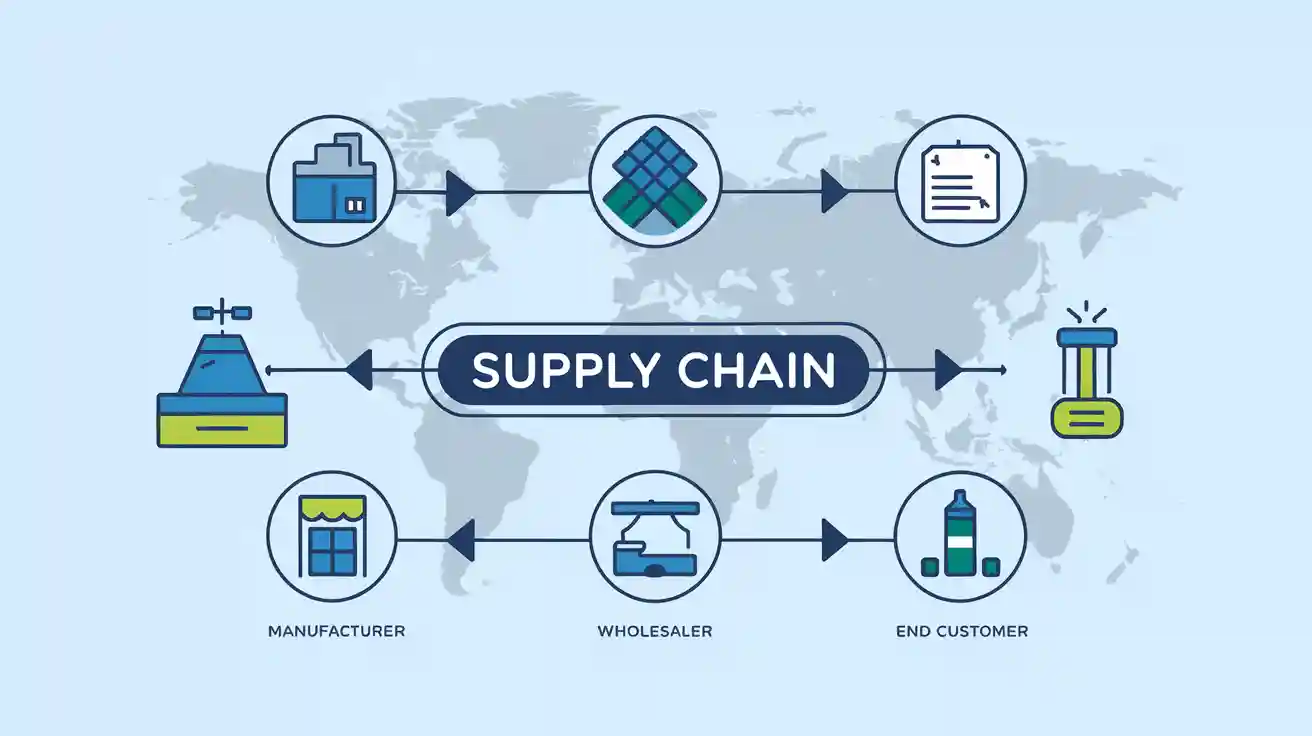
Distributors occupy a central position between manufacturers and the market, holding inventory, managing sales, and ensuring smooth operations.
Legal and Compliance Considerations
Q: What legal responsibilities do distributors have?
A: Distributor responsibilities vary by region and industry:
-
Medical device distributors in the EU must comply with MDR Article 14, verifying CE marking and maintaining records.
-
Cross-border distributors must adhere to AML (Anti-Money Laundering) and KYC (Know Your Customer) regulations.
-
Distributor agreements with manufacturers should clearly define rights, obligations, and liability to reduce legal risk.
Maintaining strong compliance ensures smooth operations, minimizes legal exposure, and protects both exporter and distributor.
Why Are Distributors Important in Global Trade?
Q: What value do distributors provide?
A: Distributors accelerate market entry, reduce operational burden, and add value in several ways:
-
Efficient logistics and inventory management: Prevent stockouts, manage warehouse operations, and optimize delivery.
-
Local market knowledge and networks: Identify opportunities, engage customers, and introduce products to new segments.
-
Compliance and risk mitigation: Ensure legal and regulatory requirements are met and reduce exposure to fines or shipment issues.
-
Value-added services: Provide product training, after-sales support, warranties, and marketing assistance.
By handling these responsibilities, distributors help manufacturers and exporters expand globally with reduced risk, increase sales, and strengthen supply chains.
Conclusion
Distributors are indispensable partners in global supply chains. They bridge the gap between production and market, manage inventory and logistics, ensure compliance, and provide value-added services.
For international exporters, collaborating with distributors and using cross-border payment platforms like XTransfer ensures secure, compliant, and efficient operations across markets and currencies.
Looking to streamline your cross-border payments and manage distributor relationships more efficiently? Discover XTransfer’s global B2B payment solutions:https://www.xtransfer.com.
Related content