
Warehouse Release Order in 2025: Trends and Insights
Author:XTransfer2025.12.04Warehouse Release Order in 2025
You play a critical role in shaping how goods move across borders. A warehouse release order ensures efficient coordination between warehouses and the broader supply chain. In 2025, these orders hold even greater importance as global trade continues to expand. Warehouses now rely on advanced systems to streamline operations, reduce delays, and meet growing demands. Supply chain optimization depends on your ability to adapt to these changes. By understanding how warehouses manage each order, you can stay ahead in an increasingly competitive market.
Understanding Warehouse Release Orders
Definition and Purpose
A warehouse release order is a document that authorizes the movement of goods from a warehouse to their next destination. It plays a vital role in ensuring smooth operations within the supply chain. You use this order to coordinate the release of inventory for delivery, export, or transfer. Its purpose extends beyond logistics; it ensures compliance with regulations and proper documentation for customs clearance. Warehouses rely on these orders to manage inventory efficiently and avoid delays. Whether you release sales orders to warehouse or transfer orders, the process ensures goods reach their intended destination without complications.
Importance in International Trade
Warehouse release orders are critical to international trade operations. They ensure goods move legally and efficiently across borders. Without proper documentation, shipments face delays or detention. For example:
-
Goods suspected of being produced using forced labor are detained under Withhold Release Orders, highlighting the importance of customs compliance.
-
The warehouse bond release process ensures the legal release of goods stored in bonded warehouses, emphasizing the need for accurate documentation.
You must prioritize the release to warehouse process to meet global trade standards. Proper documentation and compliance reduce risks and improve the flow of goods. This process supports export activities and strengthens trade relationships.
Key Components of the Process
The warehouse release order process involves several key components that ensure smooth operations. Recent industry research highlights the following:
|
Component |
Description |
|---|---|
|
Shipment |
A group of order lines for the same customer/receiver or delivery address. |
|
Load |
A group of order lines typically going out on a single transport mode, which can consist of multiple shipments. |
|
Warehouse Work |
Operations performed by warehouse workers, typically involving picking and putting away inventory. |
|
Load Lines |
Created when orders are released to the warehouse, grouped into shipments. |
|
Waves |
Used to create picking work and loads for shipment, requiring a wave template for the specific order type. |
These components ensure the release outbound shipment orders to warehouse and transfer orders are handled efficiently. You must understand each step involved in the warehouse bond release process to optimize operations. Accurate documentation and coordination between warehouses and logistics partners are essential for success.
Trends Impacting Warehouse Release Orders in 2025

Automation and Digitalization
Automation and digitalization are transforming how you manage the release to warehouse process. Advanced technologies like artificial intelligence (AI) and machine learning are reshaping warehouse operations. These tools allow warehouses to adapt to changing conditions and optimize workflows in real-time.
-
AI-powered robots now perform a wider range of tasks, improving flexibility in warehouse operations.
-
E-commerce growth drives the demand for automation, especially for ultrafast delivery services.
-
Autonomous mobile robots are becoming essential, with the market projected to grow from $4.5 billion in 2023 to over $14 billion by 2027.
Digitalization also enhances warehouse management systems. Real-time tracking and predictive analytics improve order accuracy and speed. As same-day shipping becomes the norm, automation ensures you can meet customer expectations. By integrating these technologies, you can streamline the release outbound shipment orders to warehouse and improve supply chain optimization.
Sustainability in Logistics
Sustainability is no longer optional in logistics. You must consider environmental impacts when managing warehouse release orders. Customers and regulators demand greener practices, pushing warehouses to adopt eco-friendly solutions.
Energy-efficient equipment and renewable energy sources are becoming standard in bonded warehouse operations. Electric vehicles and alternative fuels reduce emissions during transportation. Sustainable packaging minimizes waste, aligning with global trade efficiency goals.
You can also use digital tools to reduce paper-based documentation. Electronic records not only save resources but also improve accuracy and compliance. By prioritizing sustainability, you contribute to a cleaner environment while enhancing your reputation in international trade.
Regulatory Compliance in Global Trade
Regulatory compliance remains a critical factor in the warehouse bond release process. The dynamic global trade environment introduces complex regulations that vary by country. Non-compliance can lead to costly penalties and shipment delays.
|
Evidence |
Description |
|---|---|
|
Automation in Compliance |
Automating compliance processes helps you adapt to changing regulatory frameworks. |
|
Complexity of Regulations |
Managing country-specific requirements demands effective solutions. |
|
Demand for GTM Solutions |
Global Trade Management (GTM) platforms provide visibility and control over compliance. |
|
Increasing Penalties |
Rising penalties for non-compliance make accurate documentation essential. |
|
Integrated Solutions |
Streamlined platforms enhance efficiency in global supply chains. |
To navigate these challenges, you should invest in integrated systems that simplify compliance. These tools ensure accurate documentation for customs clearance and support the release transfer orders to warehouse. By staying ahead of regulatory changes, you can maintain smooth operations and strengthen cross-border trade relationships.
Blockchain and IoT Integration
Blockchain and the Internet of Things (IoT) are revolutionizing how you manage warehouse operations. These technologies bring transparency, efficiency, and security to the warehouse release order process. By integrating blockchain and IoT, you can streamline workflows and improve decision-making.
How Blockchain Enhances Warehouse Operations
Blockchain technology creates a secure and transparent ledger for tracking goods. Each transaction gets recorded as a block, forming a chain that cannot be altered. This ensures data integrity and builds trust among supply chain partners.
Here’s how blockchain benefits your warehouse:
-
Improved Traceability: You can track goods from their origin to their final destination. This ensures accountability at every step.
-
Faster Dispute Resolution: Blockchain provides a single source of truth. You can resolve disputes quickly by accessing accurate records.
-
Enhanced Security: Data stored on a blockchain is encrypted and tamper-proof. This protects sensitive information from cyber threats.
For example, when you release goods from a bonded warehouse, blockchain ensures all documentation is accurate and accessible. This reduces delays and enhances compliance with trade regulations.
IoT’s Role in Modern Warehouses
IoT devices connect physical assets to digital systems, enabling real-time monitoring and control. Sensors, RFID tags, and GPS trackers collect data that helps you optimize warehouse operations.
Key applications of IoT in your warehouse include:
-
Inventory Management: IoT sensors monitor stock levels and alert you when replenishment is needed.
-
Condition Monitoring: Temperature and humidity sensors ensure goods are stored under optimal conditions.
-
Asset Tracking: GPS-enabled devices track shipments, providing real-time updates on their location.
IoT also supports predictive maintenance. For instance, sensors on warehouse equipment can detect issues before they lead to breakdowns. This minimizes downtime and keeps operations running smoothly.
The Power of Blockchain and IoT Together
When combined, blockchain and IoT create a powerful ecosystem for managing warehouse release orders. IoT devices collect data, while blockchain ensures this data is secure and accessible.
Consider this scenario:
This integration enhances transparency and builds trust with customers and partners. It also helps you comply with regulations by providing detailed records of each shipment.
Preparing for the Future
To stay competitive, you must embrace these technologies. Start by investing in IoT devices and exploring blockchain platforms. Train your team to use these tools effectively. Collaboration with technology providers can also help you implement these solutions seamlessly.
By integrating blockchain and IoT, you can transform your warehouse into a hub of innovation. This not only improves efficiency but also positions you as a leader in global trade.
Challenges in the Warehouse Bond Release Process
Regulatory Complexity
Navigating the regulatory landscape in the warehouse bond release process can be daunting. Each country enforces unique rules, making it essential for you to stay updated on international trade requirements. These regulations often change, adding another layer of complexity. For instance, customs compliance demands precise documentation for every order. Missing or incorrect details can lead to delays, fines, or even shipment rejections.
You must also consider the purpose of a warehouse bond release process when dealing with bonded warehouses. These facilities store goods under customs control until duties are paid. Releasing goods from a bonded warehouse requires strict adherence to customs regulations. Failure to comply can disrupt the release to warehouse process and harm your reputation in global trade.
To overcome these challenges, you should invest in tools that simplify regulatory compliance. Global Trade Management (GTM) platforms, for example, provide real-time updates on changing regulations. These systems ensure your documentation meets the latest standards, reducing the risk of errors. By staying proactive, you can navigate regulatory complexity and maintain smooth operations.
Technology Adoption Barriers
Technology plays a crucial role in optimizing the warehouse bond release process. However, adopting new systems often presents challenges. Many warehouses still rely on outdated methods, such as manual documentation and paper-based records. These practices slow down the release to warehouse process and increase the likelihood of errors.
The cost of implementing advanced technologies can also be a barrier. Small and medium-sized businesses may struggle to afford modern warehouse management systems. Additionally, training employees to use these tools effectively requires time and resources. Without proper training, even the most advanced systems can fail to deliver results.
Resistance to change is another obstacle. Employees accustomed to traditional methods may hesitate to adopt new technologies. This resistance can hinder the steps involved in the warehouse bond release process, affecting overall efficiency.
To address these barriers, you should focus on gradual implementation. Start by introducing user-friendly tools that simplify specific tasks, such as inventory tracking or documentation management. Provide comprehensive training to ensure your team understands the benefits of a warehouse bond release process. Collaboration with technology providers can also help you choose solutions tailored to your needs.
Cost Management
Managing costs is a significant challenge in the warehouse bond release process. Expenses related to storage, transportation, and compliance can quickly add up. For example, bonded warehouses charge fees for storing goods under customs control. If you fail to release goods promptly, these fees can escalate, impacting your bottom line.
Documentation errors further contribute to costs. A single mistake, such as a misspelled name on a bill of lading, can delay the release to warehouse process. This not only incurs additional fees but also disrupts your supply chain. The importance of accurate documentation cannot be overstated.
The table below highlights common cost-related challenges and their solutions:
|
Challenge |
Solution |
Example |
|---|---|---|
|
Documentation Errors and Incomplete Information |
Implement a rigorous review process or use electronic documentation systems. Train staff to double-check documents. |
An importer's name misspelled on the bill of lading could result in delays or rejection. |
|
Storage and Compliance Issues |
Invest in proper warehousing infrastructure and conduct regular compliance checks. |
Perishable goods require specific storage conditions; failure can lead to costly spoilage. |
|
Communication Gaps |
Establish clear communication protocols and use secure messaging systems. |
Customs brokers need to provide timely updates to importers to prevent misunderstandings. |
|
Inadequate Technology and Software |
Invest in modern warehouse management systems to streamline processes. |
A robust inventory management system can track goods and ensure timely release. |
To manage costs effectively, you should prioritize optimization. Invest in technologies that streamline the release to warehouse process and reduce errors. Regularly review your operations to identify areas for improvement. By focusing on cost management, you can enhance global trade efficiency and strengthen your position in international trade.
Data Security Concerns
Data security plays a crucial role in the warehouse bond release process. As warehouses increasingly rely on digital systems, protecting sensitive information becomes more challenging. Cyber threats target your operations, aiming to exploit vulnerabilities in documentation and inventory management systems. You must prioritize robust security measures to safeguard your data and maintain trust with your partners.
Common Data Security Risks
Several risks threaten the integrity of your warehouse operations. Understanding these risks helps you take proactive steps to mitigate them:
-
Unauthorized Access: Hackers may attempt to access your warehouse management systems to steal or manipulate data.
-
Data Breaches: Sensitive information, such as customer details and shipment records, can be exposed if your systems lack proper encryption.
-
Ransomware Attacks: Cybercriminals may lock your data and demand payment for its release, disrupting the warehouse bond release process.
-
Human Error: Employees may accidentally compromise security by mishandling documentation or clicking on phishing links.
Tips for Enhancing Data Security
You can implement several strategies to protect your warehouse systems and ensure a smooth and successful warehouse bond release process:
-
Use Strong Passwords: Require employees to create complex passwords and update them regularly.
-
Implement Multi-Factor Authentication (MFA): Add an extra layer of security by requiring multiple forms of verification.
-
Encrypt Sensitive Data: Use encryption tools to secure documentation and prevent unauthorized access.
-
Conduct Regular Security Audits: Identify vulnerabilities in your systems and address them promptly.
-
Train Employees: Educate your team about cybersecurity best practices and the importance of safeguarding documentation.
The Role of Technology in Data Security
Modern technology offers powerful tools to enhance data security in your warehouse. Cloud-based systems provide secure storage for documentation, reducing the risk of physical theft or damage. Artificial intelligence (AI) can detect unusual activity in real-time, alerting you to potential threats. Blockchain technology ensures the integrity of your records, making them tamper-proof and transparent.
For example, when releasing goods from a bonded warehouse, blockchain can verify the accuracy of your documentation. This reduces errors and strengthens compliance with trade regulations. IoT devices also contribute to security by monitoring warehouse conditions and alerting you to unauthorized access.
Balancing Security and Efficiency
While prioritizing data security, you must also ensure the warehouse bond release process remains efficient. Overly complex security measures can slow down operations and frustrate employees. Strive for a balance by choosing user-friendly tools that integrate seamlessly with your existing systems.
Preparing for Future Challenges
Cyber threats evolve rapidly, requiring you to stay ahead of potential risks. Invest in advanced technologies and collaborate with cybersecurity experts to strengthen your defenses. Regularly update your systems to address emerging vulnerabilities. By taking these steps, you can protect your warehouse operations and ensure a smooth and successful warehouse bond release process.
Optimizing the Release to Warehouse Process
Real-Time Tracking Solutions
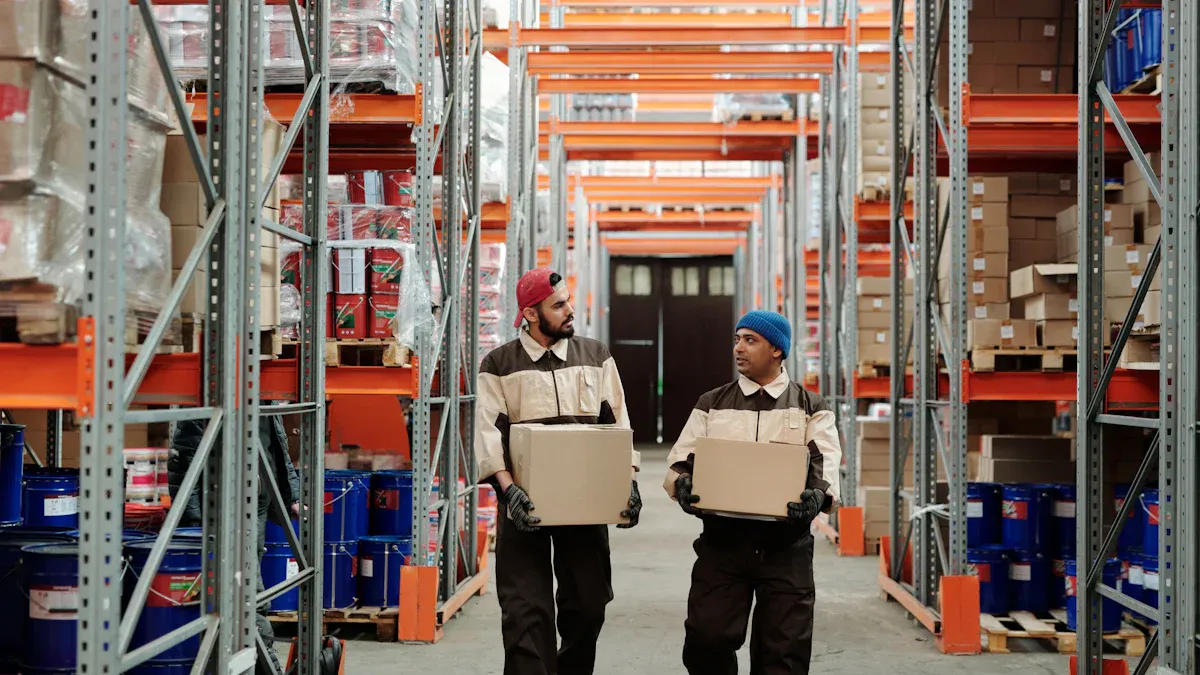
Real-time tracking solutions transform how you manage the release to warehouse process. These technologies provide instant visibility into inventory and shipment locations, reducing delays and improving decision-making. Tools like RFID and Real-Time Location Systems (RTLS) eliminate manual data entry, ensuring accuracy in every step of order fulfillment.
-
Implementing advanced RTLS solutions boosts efficiency in warehouse operations.
-
Real-time data enhances visibility, allowing you to track each stage of the process.
-
Businesses adopting these technologies report significant cost savings.
Precise tracking ensures goods move seamlessly through warehouses, minimizing errors and delays. For example, when releasing outbound shipment orders to warehouse, real-time tracking helps you monitor inventory levels and optimize workflows. By integrating these solutions, you can streamline operations and meet customer expectations.
Collaboration with Logistics Partners
Strong collaboration with logistics partners is essential for optimizing the release to warehouse process. Effective partnerships improve inventory forecasting, order fulfillment, and customer satisfaction. When you work closely with logistics providers, you can align operations and reduce inefficiencies.
|
Benefits |
Impact |
|---|---|
|
Improved accuracy in inventory forecasting |
Reduction in stockouts and overstocking |
|
Optimized order fulfillment processes |
Increased order accuracy and faster turnaround times |
|
Enhanced customer satisfaction |
Improved on-time deliveries and order tracking |
|
Increased operational efficiency |
Reduced labor costs and optimized resource allocation |
Collaborating with logistics partners ensures smooth coordination between warehouses and transportation networks. This reduces bottlenecks and enhances the release to warehouse process. By fostering strong relationships, you can achieve better results and maintain a competitive edge in global trade.
Employee Training Initiatives
Employee training plays a vital role in improving the release to warehouse process. Well-trained staff handle documentation accurately, manage inventory efficiently, and ensure compliance with regulations. Training programs equip employees with the skills needed to adapt to modern warehouse technologies.
|
Metric |
Description |
|---|---|
|
Learning Outcomes |
Specific knowledge, skills, and abilities acquired by trainees post-training. |
|
Employee Retention Rates |
Measures how many employees remain with the company after training, indicating satisfaction. |
|
Productivity Levels |
Assesses the output of employees before and after training to gauge efficiency improvements. |
|
Inventory Accuracy |
Evaluates the correctness of inventory records, which can improve with better-trained staff. |
|
Safety Incident Rates |
Tracks the frequency of safety incidents, which should decrease with effective training. |
|
Employee Feedback |
Collects trainee opinions on the training program's effectiveness and relevance. |
Training initiatives improve productivity and reduce errors in the release to warehouse process. For example, employees trained in using RTLS systems can track inventory more effectively, ensuring smooth operations. By investing in training, you empower your team to handle challenges and optimize warehouse performance.
Data-Driven Decision Making
Data-driven decision-making transforms how you handle the warehouse bond release process. By leveraging data insights, you can optimize operations, reduce inefficiencies, and improve overall performance. Modern tools like predictive analytics and AI-driven platforms allow you to make informed choices based on real-time data.
Warehouses that adopt data-driven strategies experience significant improvements in efficiency. For example, analyzing historical data helps you predict demand patterns, ensuring inventory levels align with customer needs. This minimizes overstocking and stockouts, which directly impacts the release to warehouse process. Additionally, data insights enable you to identify bottlenecks and streamline workflows, reducing delays in the warehouse bond release process.
Case studies highlight the tangible benefits of data-driven decision-making in warehouse operations. The table below showcases real-world examples of how data optimization enhances performance:
|
Case Study |
Results |
|---|---|
|
Retail distribution center |
65-70% reduction in distance traveled, Aisle visits decreased from 139 to 56 (60% reduction), Processing capacity increased significantly. |
|
eCommerce with automated picking |
50% reduction in congestion compared to the previous peak season, 30% improvement in Units Per Hour. |
|
Multi-channel retail distribution |
Batches reduced from 350 to 257 (26.6% reduction), Aisle visits reduced from 6,805 to 1,240 (81.8% reduction), 30% improvement in Units Per Hour. |
These results demonstrate how data-driven approaches enhance the release to warehouse process. By analyzing metrics like aisle visits and processing capacity, you can identify areas for improvement and implement targeted solutions.
To fully embrace data-driven decision-making, you should invest in advanced warehouse management systems. These tools collect and analyze data from every stage of the warehouse bond release process. For instance, real-time tracking systems provide visibility into inventory movement, enabling you to make quick adjustments when needed. Predictive analytics also helps you anticipate future challenges, ensuring your warehouse remains agile and efficient.
Incorporating data into your decision-making process not only improves operational efficiency but also strengthens your position in global trade. By relying on accurate insights, you can navigate the complexities of the warehouse bond release process with confidence.
The future of warehouse release processes depends on your ability to embrace innovation and adapt to change. Trends like automation, sustainability, and blockchain integration are reshaping how you handle each order. Challenges such as regulatory complexity and cost management require proactive strategies. By leveraging technology, digitizing customs, and fostering collaboration, you can streamline operations and strengthen your role in global trade.
|
Strategy |
Effectiveness |
|---|---|
|
Use of Technology |
Essential for resilience; streamlines operations and enhances transparency and efficiency. |
|
Automation |
Improves operations, reduces manual reliance, and contributes to sustainability efforts. |
|
Digitization of Customs |
Facilitates faster customs processes and reduces processing times through digital solutions. |
|
Collaboration |
Key for creating a resilient trade ecosystem; involves governments, businesses, and logistics. |
Prepare for the future by adopting these strategies. Your commitment to innovation ensures your warehouse remains competitive in the evolving landscape of global trade.
FAQ
What is the main purpose of a warehouse release order?
A warehouse release order authorizes the movement of goods from storage to their next destination. It ensures proper documentation, compliance with regulations, and smooth coordination between warehouses and logistics partners. This process helps you avoid delays and maintain efficient supply chain operations.
How does automation improve the release to warehouse process?
Automation reduces manual tasks, speeds up workflows, and minimizes errors. Tools like AI and robotics optimize inventory management and order fulfillment. By adopting automation, you can enhance accuracy, save time, and meet growing customer demands in a competitive market.
Why is sustainability important in warehouse operations?
Sustainability reduces environmental impact and aligns with customer expectations. Practices like using energy-efficient equipment, renewable energy, and eco-friendly packaging help you lower emissions and waste. These efforts improve your reputation and contribute to global trade efficiency.
How can blockchain enhance warehouse release orders?
Blockchain ensures transparency and security by creating tamper-proof records of transactions. It improves traceability, speeds up dispute resolution, and protects sensitive data. By integrating blockchain, you can build trust with partners and streamline compliance with trade regulations.
What are the benefits of real-time tracking in warehouses?
Real-time tracking provides instant visibility into inventory and shipments. It eliminates manual errors, improves decision-making, and reduces delays. With tools like RFID and GPS, you can monitor goods at every stage, ensuring smooth operations and timely deliveries.
Related content