
How to File Your Taxes Online in 2025
Author:XTransfer2025.12.08File Your Taxes
Filing your taxes can feel overwhelming, but online tools make the process easier than ever. In 2025, you can follow simple steps to file your federal tax return quickly and accurately. Start by gathering your documents and choosing the right method. Platforms like getyourrefund.org can guide you or help you check the status of your tax refund. If you need to make a tax payment online, secure payment options are available. Filing online ensures efficiency and helps you meet deadlines.
Gather Documents for Online Tax Filing
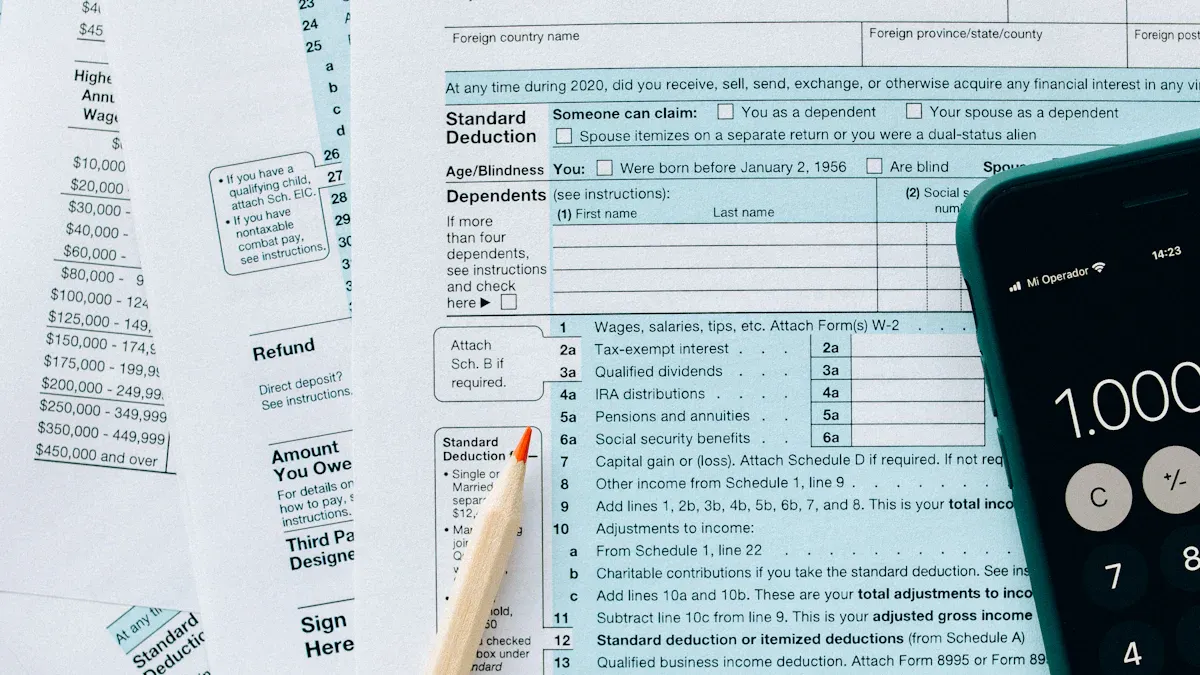
Before you start filing your taxes online, gather all the necessary documents to ensure a smooth process. Having everything ready will save time and reduce errors.
Personal Information You’ll Need
You’ll need to provide accurate personal details to complete your tax return. Common mistakes, such as incorrect Social Security numbers or mismatched addresses, can delay processing. Here’s what to have on hand:
-
Your Social Security number (and those of your dependents, if applicable)
-
A valid government-issued ID
-
Your current address
Income Records (W-2s, 1099s)
Income records are essential for reporting your earnings accurately. Missing or incomplete records can result in incorrect tax calculations. Collect the following:
-
W-2 forms from employers
-
1099 forms for freelance or gig work
-
Bank statements showing interest or dividend income
|
Error Type |
Description |
|---|---|
|
Incorrect Reporting of Income |
Omitting income, especially from gig economy sources, is a frequent mistake. |
|
Wrong Tax Filing Status |
Choosing an incorrect filing status can lead to missing valuable deductions or credits. |
|
Inaccurate or Incomplete Information |
Common mistakes include incorrect Social Security numbers and address mismatches. |
Deduction and Credit Documentation
Proper documentation for deductions and credits can maximize your refund or reduce your tax liability. Gather these records:
-
Receipts for deductible expenses, such as medical bills or charitable donations
-
Mileage logs for business or medical travel
-
Statements from banks, payment apps, or online marketplaces
-
Records of estimated tax payments
The IRS provides free tools to help you with tax preparation. Visit the Let Us Help You page on IRS.gov for resources like refund status checks and answers to tax law questions. If you qualify, free tax filing options like IRS Free File can simplify the process.
Last Year’s Tax Return
Your previous year’s tax return is a valuable resource when filing your taxes online in 2025. It contains essential information that can save you time and help you avoid errors.
Why You Need Last Year’s Tax Return
Reviewing last year’s return helps you identify key details that may apply again this year. It provides a snapshot of your financial situation, including income sources, deductions, and credits. You can also use it to confirm your filing status and ensure consistency in your records.
What to Look For
Here are the main items to extract from your prior return:
-
Adjusted Gross Income (AGI): The IRS often requires your AGI from the previous year to verify your identity when e-filing.
-
Filing Status: Check if your filing status has changed. For example, if you got married or divorced, you may need to update this information.
-
Deductions and Credits: Review deductions or credits you claimed last year. Some, like education credits or retirement contributions, may still apply.
-
Carryovers: Look for any unused credits or deductions, such as capital losses, that you can carry over to this year.
How It Simplifies Filing
Using last year’s return as a reference ensures accuracy and consistency. It helps you avoid missing important details, like income from a side job or a deduction you claimed previously. Keeping a copy of your return also makes it easier to answer questions if the IRS contacts you.
By reviewing your prior tax return, you can streamline the filing process and feel confident that your information is complete and accurate.
Choose the Best Method to File Your Federal Income Tax Return
When it comes to filing your federal income tax return, you have several options to choose from. Each method offers unique benefits depending on your financial situation and preferences. Understanding these options will help you decide the best way to file your taxes efficiently and accurately.
IRS Free File for Eligible Taxpayers
The IRS Free File program is a great option if you meet the eligibility requirements. This program allows you to file taxes for free using online tools provided by the IRS and its partners. Here’s what you need to know about eligibility in 2025:
-
The IRS Direct File option is available if you live and work in one of the 25 participating states.
-
You qualify if your income, credits, and deductions meet specific criteria.
-
You can use this method if you report income types like W-2 wages, SSA-1099 Social Security benefits, or 1099-G unemployment compensation.
Using IRS Free File ensures that you don’t pay unnecessary fees for tax preparation. It’s an excellent choice for straightforward returns, especially if you’re comfortable navigating the IRS website.
Direct File Through the IRS
The IRS Direct File system is another free option for taxpayers who prefer to file directly with the IRS. This method eliminates the need for third-party software, making it a simple and secure way to file your federal income tax return. Direct File is particularly useful if you have a basic tax situation and want to avoid additional costs.
To use this option, you’ll need to create an account on the IRS website. Once logged in, you can input your tax information, calculate your return, and submit it electronically. The system also provides tools to check the status of your return after filing. If you qualify for free federal filing, this method is worth considering.
Free Online Tax Software Options
If you’re looking for user-friendly tools to guide you through the tax preparation process, free online tax software can be a great solution. These platforms offer step-by-step instructions, making it easy to file your taxes accurately. Here’s a comparison of some popular options in 2025:
|
Software |
Best For |
User Satisfaction Highlights |
|---|---|---|
|
TurboTax |
Comprehensive features |
Renowned for robust tools and user-friendly design, ideal for complex tax situations. |
|
H&R Block |
In-person filing options |
Combines online convenience with in-person support, offering flexibility for users. |
|
EasyTaxReturns.com |
Fast and hassle-free tax filing |
Streamlined experience, perfect for quick and accurate filings. |
|
FreeTaxUSA |
Budget-conscious filers |
Excellent choice for straightforward filings at minimal cost. |
|
eFile.com |
Simple filing needs |
Easy-to-use platform for basic returns, quick tax refund status checks. |
|
Credit Karma Tax |
Free advanced features |
Provides excellent tools at zero cost, maximizing deductions and refunds. |
|
TaxSlayer |
Value for small businesses |
Balances affordability with professional features for small business owners. |
|
Jackson Hewitt Online |
Flat-rate pricing |
Simple pricing structure, ideal for those preferring predictable costs. |
|
1040.com |
Charity-minded filers |
User-friendly interface with a philanthropic aspect, appealing to charitable users. |
|
IRS Free File |
Basic free filing |
Ideal for taxpayers seeking no-cost options with essential filing tools. |
These free online tax software options cater to a variety of needs, from basic returns to more complex tax situations. For example, TurboTax is perfect if you need comprehensive features, while FreeTaxUSA is ideal for budget-conscious filers. Platforms like Credit Karma Tax even offer advanced tools at no cost, helping you maximize deductions and refunds.
By exploring these options, you can find the best free online tax software to suit your needs. Whether you’re filing a simple return or managing a more complicated tax situation, these tools make the process easier and more efficient.
Paid Tax Software or Professional Help
When filing your taxes online, you might find that free options don’t meet your needs. Paid tax software or professional help can offer advanced features and personalized assistance. These options are ideal if your tax situation is complex or if you want extra peace of mind.
Benefits of Paid Tax Software
Paid tax software provides robust tools and features that simplify the filing process. These platforms are designed to handle more complicated tax scenarios, such as self-employment income, rental properties, or investments. Here’s why you might consider using paid software:
-
Advanced Features: Many paid platforms include tools for tracking deductions, calculating capital gains, and managing multiple income streams.
-
Guided Assistance: Step-by-step instructions help you navigate complex tax laws and ensure accuracy.
-
Audit Support: Some software offers audit protection, giving you access to experts if the IRS reviews your return.
-
Time-Saving Tools: Paid software often allows you to import data from previous returns or financial accounts, saving time and reducing errors.
|
Software |
Best For |
Key Features |
|---|---|---|
|
TurboTax Premium |
Self-employed individuals |
Includes expense tracking, industry-specific deductions, and live CPA support. |
|
H&R Block Deluxe |
Homeowners and investors |
Offers tools for real estate deductions and investment income reporting. |
|
TaxAct Self-Employed |
Freelancers and contractors |
Provides guidance on 1099 income, business expenses, and quarterly tax payments. |
|
TaxSlayer Premium |
Budget-conscious filers |
Combines affordability with features like priority support and audit assistance. |
Paid tax software is a great choice if you want convenience and advanced tools. These platforms cater to a wide range of needs, from basic returns to highly detailed filings.
When to Hire a Tax Professional
Sometimes, even the best software isn’t enough. If your taxes involve unique or complicated situations, hiring a tax professional might be the best option. Tax professionals, such as Certified Public Accountants (CPAs) or Enrolled Agents (EAs), bring expertise and personalized service to the table.
Here are some scenarios where professional help is beneficial:
-
Major Life Changes: Events like marriage, divorce, or starting a business can significantly impact your taxes. A professional can guide you through these changes.
-
Complex Income Sources: If you earn income from multiple states, foreign investments, or rental properties, a tax expert can ensure compliance with all regulations.
-
IRS Issues: If you face an audit or owe back taxes, a professional can represent you and negotiate on your behalf.
-
Estate or Trust Taxes: Managing taxes for an estate or trust requires specialized knowledge that professionals can provide.
Comparing Paid Software and Professional Help
Choosing between paid software and professional help depends on your specific needs. Use the table below to compare these options:
|
Option |
Best For |
Cost Range |
Key Advantage |
|---|---|---|---|
|
Paid Tax Software |
Most taxpayers |
$20–$200+ |
Affordable and user-friendly with advanced features. |
|
Tax Professional |
Complex or unique situations |
$200–$1,000+ |
Personalized service and expertise for complicated tax scenarios. |
Paid software works well for most taxpayers, especially those with straightforward or moderately complex returns. Professional help is better suited for individuals with unique tax situations or those who prefer a hands-off approach.
By understanding the benefits of each option, you can choose the one that best fits your needs. Whether you opt for paid software or professional help, both can make filing your taxes in 2025 a smoother experience.
Understand Free Online Tax Filing Options
Free online tax filing options make it easier for you to file taxes for free in 2025. These tools are designed to help you save money while ensuring accuracy in your tax preparation. Below, you’ll find details about eligibility, state-specific programs, and other resources available for low-income taxpayers.
Eligibility for IRS Free File
IRS Free File is a valuable option if you meet the eligibility criteria. In 2025, individuals with an adjusted gross income (AGI) of $84,000 or less can access free tax filing software through this program. The IRS has also expanded its Direct File program to include 25 participating states. This service is ideal for those with simple tax returns, such as W-2 wages or Social Security benefits.
To use IRS Free File, you need to visit the IRS website and select a partner software provider that matches your financial situation. These tools guide you step-by-step, ensuring you complete your tax return accurately. If you qualify, this program is one of the easiest ways to file taxes for free.
State-Specific Free Filing Programs
Many states offer their own free online tax software to help residents file state returns. These programs often integrate with federal filing tools, making the process seamless. For example, some states allow you to pre-populate your tax data, reducing manual input and minimizing errors. This feature is especially helpful if you have straightforward income sources like W-2s.
Check your state’s tax department website to see if you qualify for free filing. These programs often cater to low-income taxpayers or those with simple tax situations. By using state-specific tools, you can save time and avoid unnecessary fees.
Other Free Resources for Low-Income Taxpayers
Low-income taxpayers have access to additional free resources for tax preparation. Many of these tools now include expanded features, such as support for new income sources and deductions. For example, you can import large portions of your W-2 data directly into the system, simplifying the filing process.
|
Feature |
Description |
|---|---|
|
Pre-population of data |
Allows you to import basic information and W-2s, reducing manual input. |
|
Expansion of tax scope |
Supports new income types, deductions, and credits for better functionality. |
|
Improved user experience |
Enhances data sharing between federal and state tools, with better support. |
Websites like getyourrefund.org also provide free assistance for eligible taxpayers. These platforms connect you with certified volunteers who can help you complete your return. By exploring these resources, you can ensure accurate filing without spending money on paid services.
Decide Between Standard Deduction and Itemizing
When filing your taxes in 2025, you’ll need to decide whether to take the standard deduction or itemize your deductions. This choice can significantly impact your taxable income and the amount of taxes you owe. Understanding the benefits of each option will help you make the best decision for your financial situation.
When to Take the Standard Deduction
The standard deduction is a fixed amount that reduces your taxable income. It’s the simplest option and works well for most taxpayers. In 2025, the standard deduction amounts have increased slightly:
|
Filing Status |
Standard Deduction Amount |
Increase from 2024 |
|---|---|---|
|
Single / Married Filing Separately |
$15,000 |
$400 |
|
Married Filing Jointly |
$30,000 |
$800 |
|
Head of Household |
$22,500 |
$600 |
You should take the standard deduction if your total itemized deductions are less than these amounts. For example, if you’re single and your itemized deductions total $14,000, the standard deduction of $15,000 would save you more money.
Benefits of Itemizing Deductions
Itemizing deductions allows you to list specific expenses that reduce your taxable income. This option is beneficial if your itemized deductions exceed the standard deduction. To determine if itemizing is right for you, follow these steps:
-
Calculate your total itemized deductions.
-
Compare this amount to the standard deduction for your filing status.
-
Choose itemizing if your deductions are higher.
For instance, if you’re single with $14,000 in itemized deductions, the standard deduction of $15,000 would be more advantageous. However, if your itemized deductions total $16,000, itemizing would lower your taxable income further.
Common Itemized Deductions to Consider
Certain expenses qualify as itemized deductions and can help you maximize your tax savings. Here are some common ones:
|
Deduction Type |
Description |
|---|---|
|
Mortgage Interest |
Deductible for loans up to $1 million (or $750,000 for homes purchased after 2017). |
|
Property Taxes |
Limited to $10,000 for state and local taxes. |
|
Home Office Expenses |
Deductible for homeowners using part of their home for business purposes. |
If you own a home, itemizing can provide significant tax benefits. Keeping detailed records of deductible expenses ensures you don’t miss out on potential savings.
By weighing the standard deduction against itemizing, you can choose the option that minimizes your tax liability and maximizes your refund.
Submit Your Tax Return Online and Meet Deadlines
Double-Check for Accuracy Before Filing
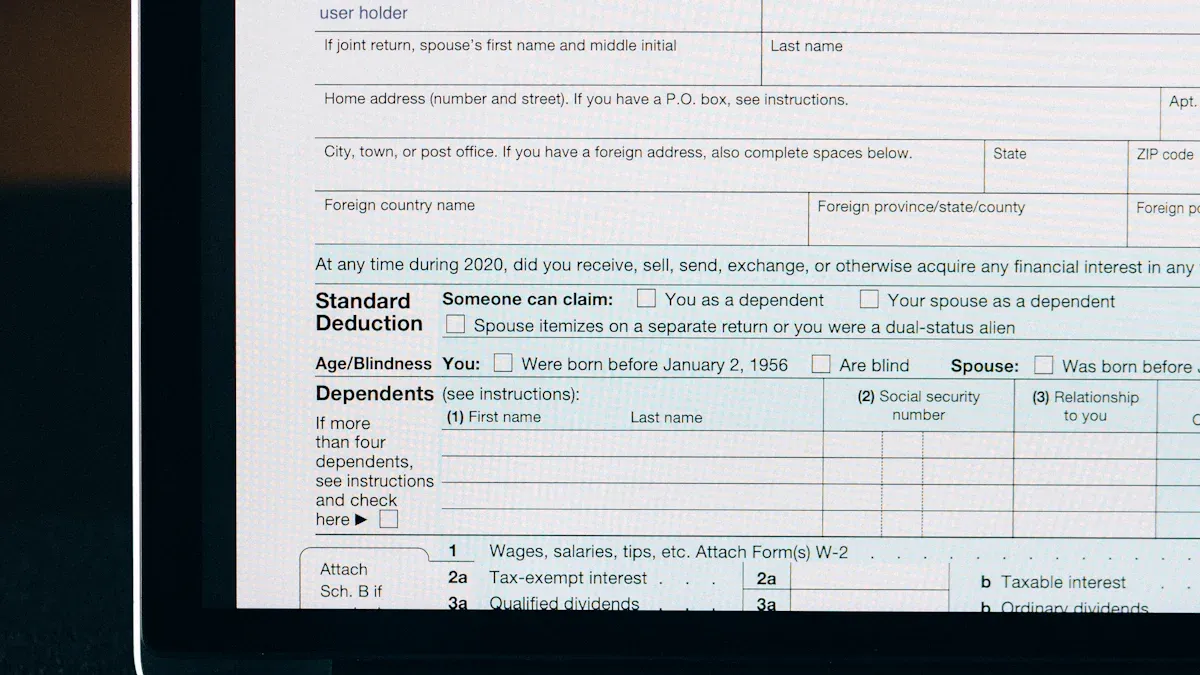
Before you file your tax return, take a moment to review all the information you’ve entered. Accuracy is critical when filing online, as even small mistakes can lead to delays or rejections. Start by verifying your personal details, such as your Social Security number and address. Ensure that all income figures match the amounts reported on your W-2s, 1099s, or other income records.
Next, confirm that you’ve claimed all eligible deductions and credits. Missing out on these can increase your tax liability or reduce your refund. If you’re using tax software, take advantage of its built-in error-checking tools. These features can flag inconsistencies or missing information, helping you avoid common mistakes.
Finally, review your bank account details if you’re expecting a refund via direct deposit. Incorrect account numbers can delay your refund or cause it to be sent to the wrong account. A thorough review ensures your return is accurate and ready for submission.
E-File Federal and State Returns
E-filing your federal and state returns offers several advantages over traditional paper filing. It’s faster, more secure, and reduces the likelihood of errors. In 2025, e-filing has become the preferred method for millions of taxpayers due to its convenience and efficiency. Here’s a breakdown of the benefits:
|
Advantage |
Description |
|---|---|
|
Fewer Mistakes |
E-filing reduces the likelihood of errors, making it 20 times less likely to have mistakes compared to manual filing. |
|
Faster Refunds |
E-filing with direct deposit typically results in refunds within 21 days, much quicker than paper filing. |
|
Enhanced Security |
E-filing is more secure, with encrypted transmission of data, reducing the risk of identity theft. |
|
More Payment Options |
Taxpayers can choose flexible payment options if they owe taxes, allowing for easier financial management. |
|
Digital Records |
E-filing provides automatic digital records, simplifying future tax preparations and storage. |
When you e-file, you can submit both your federal and state returns simultaneously. Many online platforms, including getyourrefund.org, allow you to file both returns in one seamless process. This integration saves time and ensures consistency between your federal and state filings. If you owe taxes, e-filing also gives you the flexibility to schedule payments or set up installment plans directly through the IRS or your state’s tax agency.
Key Deadlines for 2025 Tax Filing
Meeting tax deadlines is essential to avoid penalties and interest charges. For 2025, the key deadline for filing your federal tax return is Tuesday, April 15. If you need more time, you can request an extension, which gives you until October 15 to file. However, an extension only applies to filing your return, not paying any taxes owed. Payments are still due by April 15 to avoid late payment penalties.
Missing these deadlines can result in significant financial consequences. Here’s what you need to know:
|
Consequence |
Penalty Details |
|---|---|
|
Filing Taxes Late |
5% of total taxes owed for each month late, capped at 25% of unpaid taxes. |
|
Paying Taxes Late |
0.5% of tax owed for each month unpaid, also capped at 25%. |
|
Combined Maximum Penalty |
Up to 47.5%: 22.5% for late filing and 25% for late payment. |
To avoid these penalties, mark your calendar with the key dates and set reminders. If you anticipate difficulty in meeting the deadline, consider filing early or using free resources like getyourrefund.org to streamline the process. Filing on time not only saves you money but also gives you peace of mind knowing your tax obligations are complete.
How to Request an Extension
Sometimes, you may need extra time to file your tax return. The IRS allows you to request an extension, giving you until October 15, 2025, to complete your filing. However, this extension only applies to submitting your return, not paying any taxes owed. You must still pay your estimated taxes by April 15, 2025, to avoid penalties or interest.
Steps to Request an Extension
Requesting an extension is straightforward. Follow these steps to ensure your request is processed correctly:
-
Determine Your Eligibility
Most taxpayers qualify for an extension. However, you must submit your request by April 15, 2025. Missing this deadline could result in penalties for late filing. -
Choose Your Filing Method
You can request an extension electronically or by mail. The electronic method is faster and more reliable. Use IRS Form 4868, "Application for Automatic Extension of Time to File U.S. Individual Income Tax Return," to make your request. If you’re using tax software, it will guide you through the process. -
Estimate and Pay Taxes Owed
Even with an extension, you must pay any taxes owed by April 15, 2025. Use your income records and deductions to estimate your tax liability. Paying on time helps you avoid late payment penalties and interest charges. -
Submit Your Request
If you’re filing electronically, submit Form 4868 through the IRS e-file system or your chosen tax software. If you prefer to mail your request, send the completed form to the address listed on the IRS website for your state.
What Happens After You Request an Extension?
Once you submit your extension request, the IRS will process it. If approved, you’ll have until October 15, 2025, to file your return. Keep in mind that an extension does not exempt you from paying taxes on time. Failure to pay by April 15, 2025, could result in penalties.
Here’s a quick summary of key points about extensions:
-
You must request an extension by April 15, 2025.
-
An approved extension allows you to file your return by October 15, 2025.
-
Taxes owed must still be paid by April 15, 2025, to avoid penalties.
By following these steps, you can secure additional time to file your return while staying compliant with IRS rules.
Filing your tax returns online in 2025 can be simple when you follow the right steps. Start by gathering your documents early to avoid last-minute stress. Use free or affordable tools like getyourrefund.org to streamline the process and ensure accuracy. Submit your return before the deadline to avoid penalties. Taking these steps will make filing your taxes efficient and stress-free.
FAQ
What is the fastest way to file your taxes online in 2025?
The fastest way to file is by using e-filing platforms. These tools guide you step-by-step and allow you to submit your federal and state returns simultaneously. Many platforms also offer direct deposit for refunds, which speeds up the process.
Can you file taxes online for free?
Yes, you can file taxes online for free if you meet eligibility requirements. Programs like IRS Free File and state-specific tools provide free filing options for taxpayers with simple returns or lower incomes. Check the IRS website for details.
What should you do if you make a mistake on your tax return?
If you make a mistake, file an amended return using Form 1040-X. Most tax software includes this option. Correcting errors promptly ensures accuracy and avoids penalties. Always double-check your return before submitting to minimize mistakes.
How long does it take to get a refund when filing online?
Refunds typically take about 21 days when you e-file and choose direct deposit. Paper filing takes longer. To track your refund, use the IRS “Where’s My Refund?” tool, which provides updates on your refund status.
Is it safe to file taxes online?
Yes, filing online is safe when you use trusted platforms. E-filing encrypts your data, protecting it from unauthorized access. Always use secure internet connections and reputable software to ensure your information stays private.
Related content