
How the Bureau of Commodity Shapes Global Trade
Author:XTransfer2025.12.04Bureau of Commodity
The Bureau of Commodity plays a vital role in ensuring the smooth functioning of global markets. It oversees key commodities, monitors trends, and shapes policies that directly influence economies worldwide. You can see its impact in the following statistics:
-
Total import value for goods increased from $2.42 trillion in FY 2020 to $3.36 trillion in FY 2024.
-
Total entry summaries processed rose from 32.8 million in FY 2020 to 38.3 million in FY 2024.
-
Duty, taxes, and fees collected peaked at $111.8 billion in FY 2022, reflecting its growing influence.
By stabilizing commodity prices and fostering transparency, the Bureau helps drive economic growth and balance in international trade.
Understanding the Bureau of Commodity
Definition and Purpose
The Bureau of Commodity serves as a cornerstone in the global trading system. Its primary purpose is to oversee the regulation, analysis, and management of commodities that drive international trade. By ensuring compliance with established definitions and standards, the Bureau promotes transparency and stability in the commodity market.
To better understand its mission, consider the following table summarizing key points from formal documents:
|
Point |
Description |
|---|---|
|
(3) |
Defines commodities with similar functions and capabilities as those used in defense articles not listed on the USML. |
|
(4) |
Discusses development knowledge for use in defense articles and commodities not on the USML. |
|
(5) |
Covers general purpose commodities developed without specific knowledge of their use in particular defense articles. |
|
Note 2 |
Emphasizes the need for contemporaneous documents to establish compliance with definitions. |
|
Note 3 |
Clarifies the meaning of 'knowledge' in the context of development and compliance. |
This structured approach ensures that commodities meet global standards, fostering trust among trading partners. You can see how this clarity benefits financial markets by reducing uncertainty and encouraging investment.
Key Responsibilities
The Bureau of Commodity undertakes several critical responsibilities to maintain the efficiency of global trade. These include monitoring key market trends, analyzing data, and implementing policies that shape the commodity market.
Here are some of its core functions:
-
Technology Assessment: The Bureau identifies critical and emerging technologies. It evaluates their supply chains and foreign availability using global trade data and intelligence analysis.
-
Export Control Analysis: The Bureau reviews U.S. export data and license applications. It compiles findings into reports that inform export policy decisions.
-
Foreign Availability Analysis: The Bureau assesses the availability of controlled products in foreign markets. This analysis can lead to revisions in existing controls based on evidence from U.S. exporters.
These responsibilities ensure that trading activities align with international regulations. They also help mitigate risks in the commodity market, safeguarding the interests of all stakeholders.
Role in Global Trade
The Bureau of Commodity plays a pivotal role in shaping global trade. By regulating commodities and analyzing market trends, it ensures that trading activities remain fair and transparent. This oversight helps stabilize commodity prices, which is essential for maintaining balance in international markets.
For example, the Bureau's work in export control analysis directly influences trade policies. These policies impact how commodities move across borders, affecting both local and global economies. Additionally, the Bureau's focus on emerging technologies ensures that the commodity market adapts to evolving trends.
You benefit from this system as it promotes fair trade practices and reduces the risk of market manipulation. The Bureau's efforts also support economic decisions by providing accurate data and insights into key market trends. This makes it a vital player in the global trading ecosystem.
Commodities Overseen by the Bureau
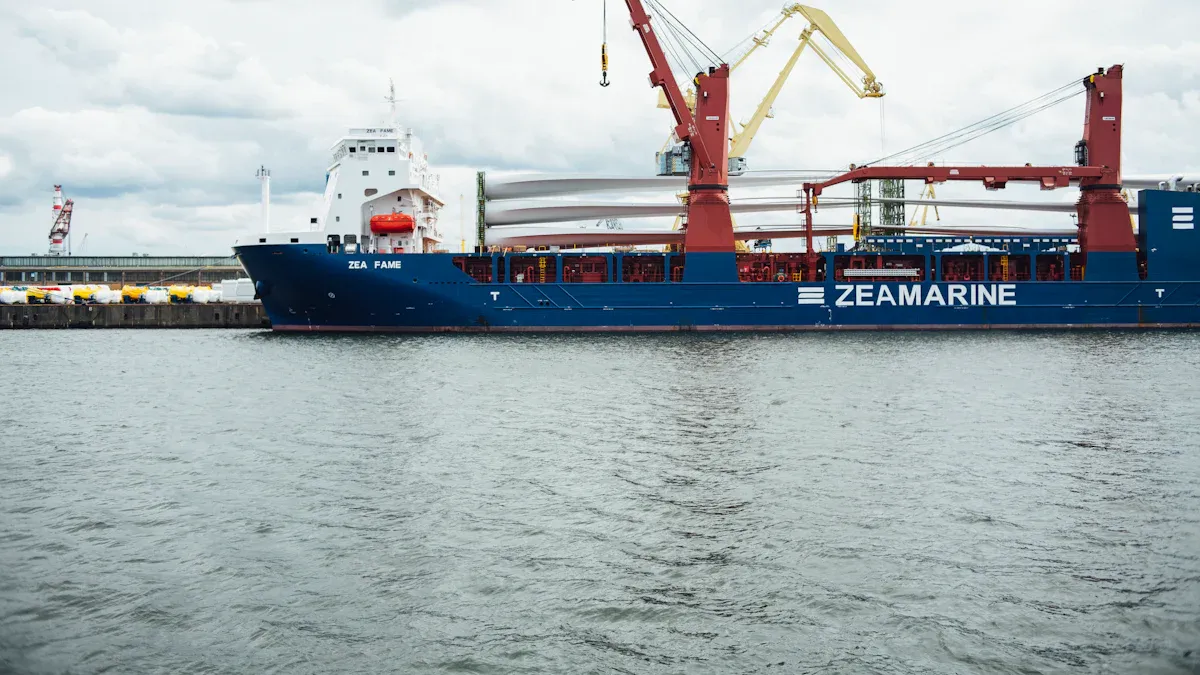
Energy Commodities
Energy commodities form the backbone of global trade. The Bureau of Commodity ensures that the energy commodity market operates fairly and transparently. It oversees key resources like crude oil, natural gas, and coal, which are vital for powering industries and homes worldwide. By monitoring these resources, the Bureau helps stabilize commodity prices and prevents market manipulation.
To achieve this, the Bureau employs several oversight mechanisms. For example, the Commodity Futures Trading Commission (CFTC) conducts surveillance to detect market abuses in energy futures trading. The New York Mercantile Exchange (NYMEX) monitors trading positions to identify potential violations. Additionally, the Bureau collaborates with agencies like the Department of Justice (DOJ) and the Federal Trade Commission (FTC) to ensure comprehensive oversight.
|
Oversight Mechanism |
Description |
|---|---|
|
CFTC Surveillance |
Monitors and detects market abuses in energy futures trading. |
|
NYMEX Monitoring |
Monitors positions against specific limits to detect attempted abuses. |
|
Inter-agency Efforts |
Involves collaboration with DOJ, FTC, and FERC for comprehensive oversight. |
These efforts ensure that energy commodities remain accessible and fairly priced, benefiting both producers and consumers.
Metals and Minerals
Metals and minerals are essential commodities for construction, manufacturing, and technology. The Bureau plays a critical role in regulating this market by analyzing trade flows, supply, and demand. Its data-driven approach helps you understand historical trends and make informed decisions in the commodity market.
The Bureau provides market-leading data on metals like gold, silver, and copper. This data includes insights into production, consumption, and global trade patterns. For instance, it tracks changes in demand from major consumers like China. By integrating this information into scenario analysis, the Bureau helps stabilize prices and supports fair trading practices.
|
Aspect |
Description |
|---|---|
|
Data Coverage |
Market leading data on metal trade flows, supply, and demand. |
|
Historical Trends |
Data dating back more than 30 years, providing insights into production, consumption, and trade. |
|
Market Analysis |
Essential data for understanding market dynamics and making informed trading decisions. |
|
Global Insights |
Information on changing patterns in global metals trade, particularly from major consumers like China. |
|
Integration |
Ability to integrate data into scenario analysis for better decision-making. |
This comprehensive oversight ensures that the metals and minerals market remains stable and efficient.
Agricultural Commodities
Agricultural commodities like wheat, corn, and soybeans are vital for food security and economic stability. The Bureau monitors these commodities to ensure fair trading practices and stable prices. By analyzing supply and demand, it helps prevent shortages and price spikes that could disrupt global markets.
The Bureau also supports sustainable farming practices by promoting transparency in the agricultural commodity market. This encourages investment in agriculture and ensures that farmers receive fair compensation for their products. As a result, you benefit from a stable food supply and reasonable prices for essential goods.
Emerging Commodities
Emerging commodities are reshaping the global commodity market. These include rare earth elements, lithium, and cobalt, which are essential for modern technologies like electric vehicles and renewable energy systems. As demand for these resources grows, you can see their impact on global trading and commodity prices.
The Bureau of Commodity plays a crucial role in monitoring these markets. It analyzes supply chains, tracks price trends, and ensures fair trading practices. For instance, the Bureau studies the financialization of commodity futures markets. This process has increased the correlation between non-energy commodity futures and oil prices, especially after 2004. Such insights help you understand how financial traders influence emerging commodity markets.
Emerging economies also play a significant role in shaping these markets. Countries like China drive demand for rare earth elements and other critical resources. Research shows a strong connection between commodity prices and emerging market equity indices, such as the Morgan Stanley index. This highlights how economic activities in these regions affect global commodity trading.
|
Evidence Description |
Key Findings |
|---|---|
|
Increased co-movements between commodity prices and emerging market equity indices |
Evidence shows a correlation between commodities and the Morgan Stanley emerging market equity index, indicating the influence of emerging economies like China on commodity markets. |
|
Financialization and integration of commodity futures markets |
Financialization has led to increased correlation of non-energy commodity futures with oil prices, particularly after 2004, highlighting the impact of financial traders on these markets. |
The Bureau's efforts ensure that emerging commodities remain accessible and fairly priced. By promoting transparency and stability, it helps you benefit from the innovations these resources enable. Whether it's the smartphone in your hand or the electric car on the road, emerging commodities power the technologies that shape your world.
Data Collection and Analysis by the Bureau
Methodologies for Data Collection
The Bureau of Commodity uses structured methodologies to gather data on commodities and their markets. These methodologies ensure accuracy and reliability, which are essential for analyzing commodity prices and trends. One key approach is the Commodity Flow Survey (CFS), a comprehensive study conducted by the Bureau of the Census and the Bureau of Transportation Statistics.
The CFS methodology focuses on tracking the movement of commodities across the United States. It measures freight traffic, economic census data, and commodity flow patterns. This survey provides valuable insights into the commodity market, helping you understand how commodities move from producers to consumers.
|
Aspect |
Details |
|---|---|
|
Methodology Document |
2017 Commodity Flow Survey Methodology |
|
Corporate Creators |
United States. Department of Commerce. Bureau of the Census |
|
Corporate Contributors |
United States. Department of Transportation. Bureau of Transportation Statistics |
|
Subject Terms |
Census, CFS, Commodities, Commodity Flow, Economic Census, Freight Traffic Measurement, etc. |
This structured approach ensures that the Bureau collects data efficiently, enabling you to rely on its findings for market analysis and trading decisions.
Sources of Information
The Bureau gathers information from diverse sources to provide a complete picture of the commodity market. These sources include government agencies, industry reports, and international trade data. For example, the Bureau collaborates with the Department of Commerce and the Department of Transportation to access detailed statistics on commodity flow and freight traffic.
You benefit from this multi-source approach because it ensures that the data reflects real-world trading activities. By combining domestic and international data, the Bureau offers insights into global commodity prices and market trends. This helps you make informed decisions in the commodity market.
Tools and Technologies for Analysis
The Bureau uses advanced tools and technologies to analyze the data it collects. These tools include machine learning algorithms, predictive analytics software, and visualization platforms. Machine learning helps identify patterns in commodity prices, while predictive analytics forecasts future trends in the commodity market.
Visualization tools, such as dashboards and charts, make complex data easier to understand. For instance, you can view graphs showing price fluctuations over time or maps illustrating commodity flow across regions. These technologies enhance the Bureau's ability to provide actionable insights, empowering you to navigate the commodity market effectively.
Ensuring Transparency and Accuracy
Transparency and accuracy are essential for maintaining trust in the global commodity market. The Bureau of Commodity prioritizes these principles by implementing rigorous systems to ensure the reliability of its data and reporting mechanisms. You benefit from this commitment because it reduces uncertainty and fosters confidence in commodity trading.
The Bureau uses internal controls to enhance the credibility of its reported information. These controls include internal audits that verify whether reporting mechanisms are functioning correctly. External assurance also plays a role in guiding best practices and improving the efficiency of the assurance process. For example, the PRI (Principles for Responsible Investment) has introduced measures like public Transparency Reports and validation tools to minimize reporting errors. Independent third-party assurance further strengthens the reliability of the Bureau’s data.
To ensure transparency, the Bureau makes its data accessible to the public. It publishes detailed reports on commodity prices, trade flows, and market trends. These reports help you understand how commodities move through the global market and how prices are determined. By providing clear and accurate information, the Bureau promotes fair trading practices and reduces the risk of market manipulation.
Advanced technologies also support the Bureau’s efforts. Predictive analytics and machine learning tools identify patterns in commodity data, ensuring that forecasts are based on reliable information. Visualization platforms, such as dashboards and charts, make complex data easier for you to interpret. These tools enhance transparency by presenting information in a user-friendly format.
The Bureau’s focus on accuracy and transparency ensures that commodities remain accessible and fairly priced. Whether you’re a trader, policymaker, or consumer, you rely on this system to make informed decisions in the commodity market.
Influence of the Bureau on Global Trade

Shaping Trade Policies
The bureau of commodity plays a vital role in shaping trade policies that govern global markets. By analyzing data and trends, it provides insights that help policymakers create regulations to ensure fair trading practices. These policies aim to stabilize commodity prices, protect producers and consumers, and promote economic growth.
For example, the bureau evaluates the impact of tariffs and trade agreements on commodities like oil, metals, and agricultural products. It uses this information to recommend adjustments that benefit both local and international markets. You can see how these policies reduce the risk of price manipulation and ensure that commodities remain accessible to all.
The bureau also collaborates with international organizations to align trade policies across borders. This cooperation fosters a level playing field for trading activities and strengthens global economic ties. As a result, you benefit from a more stable and transparent commodity market.
Impact on Market Trends
The bureau closely monitors market trends to understand how commodities behave over time. By studying factors like supply, demand, and geopolitical events, it identifies patterns that influence commodity prices. These insights help you anticipate changes in the market and make informed trading decisions.
For instance, the bureau tracks trends in emerging commodities like lithium and cobalt, which are essential for renewable energy technologies. It analyzes how shifts in demand from industries like electric vehicles affect their prices. This information allows you to adapt to changing market conditions and seize new opportunities.
The bureau also examines the financialization of commodity markets. This process has increased the correlation between commodity prices and other financial assets, such as stocks and bonds. By understanding these connections, you can better navigate the complexities of modern trading.
Supporting Economic Decisions
The bureau provides critical data and analysis that support economic decisions at all levels. Whether you're a policymaker, investor, or business owner, you rely on this information to make choices that impact your financial future.
For example, the bureau's reports on commodity prices and trade flows help governments allocate resources effectively. Businesses use this data to plan production schedules and manage supply chains. Investors analyze the bureau's insights to identify profitable opportunities in the commodity market.
The bureau also plays a key role in promoting sustainable economic practices. By encouraging transparency in the commodity market, it helps you understand the true cost of goods and services. This awareness fosters responsible consumption and investment, benefiting both the economy and the environment.
In a rapidly changing world, the bureau's work ensures that you have the tools and knowledge needed to navigate the complexities of global trade. Its commitment to accuracy and transparency empowers you to make decisions with confidence, whether you're buying, selling, or investing in commodities.
Promoting Fair Trade Practices
Fair trade practices ensure that commodities are produced, traded, and consumed in ways that benefit everyone involved. You see the Bureau of Commodity actively promoting these practices to create a fairer and more equitable global market. By fostering transparency and accountability, the Bureau helps producers, workers, and consumers thrive in the commodity trade ecosystem.
Building Producer Capacity
The Bureau supports initiatives that empower producers to participate in fair trade networks. For example, studies on coffee cooperatives in Latin America show how fair trade builds financial stability and capacity. Producers gain access to global markets, enabling them to sell their commodities at better prices. This approach reduces exploitation and ensures that producers receive fair compensation for their work.
|
Title |
Summary |
|---|---|
|
Fair Trade Coffee: Building Producer Capacity via Global Networks |
This study analyzes the experiences of seven coffee producer cooperatives in Latin America, highlighting the benefits derived from Fair Trade, including both financial and capacity-building aspects. |
When producers have the tools and knowledge to navigate the commodity market, they can compete effectively. You benefit from this system because it ensures that the commodities you purchase are ethically sourced and fairly priced.
Enhancing Worker Empowerment
Fair trade practices also focus on improving labor conditions and empowering workers. Research on flower plantations in Ecuador demonstrates how Fairtrade certification promotes decent work and labor rights. Workers gain access to better wages, safer working environments, and opportunities for growth. These improvements create a ripple effect, enhancing the overall quality of life for workers and their families.
-
The study on Fairtrade certification in Ecuador shows its potential in enhancing worker empowerment and addressing buyer power.
-
Research highlights the challenges and successes in promoting decent work in flower plantations.
By supporting fair trade initiatives, the Bureau ensures that commodities are produced under ethical conditions. You contribute to this positive change when you choose commodities certified by fair trade organizations.
Promoting Gender Equity
Gender equity is another critical aspect of fair trade practices. Research on Ecuador’s Fairtrade certification highlights its role in empowering female workers and promoting gender equality. Women gain access to better employment opportunities, fair wages, and leadership roles. These advancements help close the gender gap in the commodity market.
|
Title |
Summary |
|---|---|
|
Gender Equity, Labor Rights and Women’s Empowerment |
This research examines the gender standards of Fairtrade certification in Ecuador, focusing on its implications for female workers and the promotion of gender equality in employment. |
When gender equity becomes a priority, the commodity market becomes more inclusive. You benefit from this progress because it fosters a diverse and sustainable trading environment.
Strengthening Regulatory Mechanisms
The Bureau collaborates with fair trade organizations to establish robust regulatory mechanisms. These systems monitor the commodity chain, ensuring that fair trade standards are upheld. For example, governance changes in the coffee commodity chain demonstrate how fair trade initiatives create transparent and accountable trading systems. These mechanisms reduce exploitation and promote ethical practices across the commodity market.
-
The study on Fair Trade coffee governance highlights the changes in the commodity chain and the regulatory mechanisms established by Fair Trade initiatives.
By strengthening regulations, the Bureau ensures that commodities meet ethical standards. You can trust that the commodities you purchase contribute to a fairer global trade system.
Fair trade practices create a win-win situation for everyone involved. Producers receive fair compensation, workers enjoy better conditions, and consumers gain access to ethically sourced commodities. The Bureau’s efforts in promoting these practices ensure that the commodity market remains equitable and sustainable.
Challenges and Opportunities in a Changing World
Adapting to Economic Shifts
The global commodity market constantly evolves, requiring you to adapt to rapid economic changes. The Bureau of Commodity plays a crucial role in helping markets navigate these shifts. It emphasizes the importance of coordinated policy responses to manage extreme price volatility. By advocating for reforms in financial instruments, the Bureau ensures vulnerable countries have safety nets during economic shocks. Improved public global surveillance systems also help reduce uncertainty and prepare nations for potential crises.
-
The Bureau focuses on:
-
Coherent policy responses to stabilize volatile commodity prices.
-
Strengthening financial tools to protect economies during downturns.
-
Enhancing global surveillance to predict and mitigate crises.
-
Economic forecasts highlight both challenges and opportunities for the Bureau. For instance, geopolitical tensions and inflationary pressures disrupt supply chains and commodity prices. However, emerging markets with strategic locations can benefit from stronger trade relations. You can see how these dynamics shape the future of global trading.
|
Challenge/Opportunity |
Description |
|---|---|
|
Geopolitical Tensions |
Redefine supply chain dynamics. |
|
Inflationary Pressures |
Disrupt capital flows and commodity prices. |
|
Connector Economies |
Benefit from advantageous trade relations. |
Addressing Sustainability Concerns
Sustainability has become a critical focus in the commodity market. The Bureau encourages practices that balance economic growth with environmental responsibility. By promoting sustainable farming and mining methods, it ensures that commodities are produced without depleting natural resources. This approach benefits you by preserving ecosystems and ensuring long-term availability of essential commodities.
The Bureau also supports renewable energy trends. It monitors emerging commodities like lithium and cobalt, which are vital for green technologies. By analyzing supply chains and price trends, the Bureau helps you understand how sustainability impacts the commodity market. These efforts align with global goals to reduce carbon emissions and combat climate change.
Leveraging Technological Advancements
Technology transforms how commodities are traded and analyzed. The Bureau uses advanced tools like machine learning and predictive analytics to study market trends. These technologies identify patterns in commodity prices and forecast future movements, helping you make informed trading decisions.
Visualization platforms, such as interactive dashboards, simplify complex data. You can explore graphs showing price trends or maps illustrating commodity flows. These tools enhance your understanding of the market and empower you to navigate trading activities effectively.
The Bureau also explores blockchain technology to improve transparency in the commodity market. Blockchain creates secure, tamper-proof records of transactions, reducing fraud and ensuring fair trading practices. By leveraging these advancements, the Bureau ensures that commodities remain accessible and fairly priced.
Collaborating with Global Organizations
The Bureau of Commodity works closely with global organizations to ensure a fair and transparent commodity market. These partnerships strengthen international cooperation and create a unified approach to managing commodities. You benefit from this collaboration because it promotes stability and fairness in global trading systems.
Key Partnerships
The Bureau collaborates with several international bodies, including:
-
World Trade Organization (WTO): The Bureau aligns its policies with WTO guidelines to promote free and fair trade.
-
United Nations Conference on Trade and Development (UNCTAD): This partnership focuses on sustainable development in the commodity sector.
-
International Monetary Fund (IMF): The Bureau works with the IMF to monitor commodity price fluctuations and their impact on global economies.
These partnerships ensure that the commodity market operates efficiently and benefits all stakeholders.
Shared Goals
Global organizations and the Bureau share common objectives, such as:
-
Stabilizing Commodity Prices: By coordinating efforts, they reduce price volatility and protect producers and consumers.
-
Promoting Sustainable Practices: They encourage environmentally friendly methods in commodity production and trading.
-
Enhancing Market Transparency: Shared data and insights improve your understanding of commodity trends.
Success Stories
One example of successful collaboration is the joint effort to regulate emerging commodities like lithium and cobalt. By sharing research and resources, the Bureau and its partners have developed strategies to manage these markets effectively. This ensures that these critical resources remain accessible and fairly priced.
You can see how these partnerships shape the global commodity market, making it more resilient and inclusive. The Bureau’s work with global organizations ensures that commodities continue to drive economic growth while addressing challenges like sustainability and market volatility.
The Bureau of Commodity remains a cornerstone of global trade by ensuring stability, transparency, and efficiency in commodity markets. Its oversight of trading activities, supported by legal frameworks like the Commodity Exchange Act and Dodd-Frank Act, fosters fair practices and market integrity. The Bureau’s adaptability to trends such as blockchain-enabled smart contracts and AI-driven analytics positions it to address future challenges. As global trade evolves, you can rely on its efforts to maintain a fair and sustainable commodity market that benefits economies worldwide.
FAQ
What is the Bureau of Commodity's main purpose?
The Bureau ensures fair trade practices and stability in global commodity markets. It monitors trends, analyzes data, and shapes policies to promote transparency and efficiency. You benefit from its work through stable prices and ethical trading systems.
How does the Bureau collect data on commodities?
The Bureau uses surveys, government reports, and international trade data. It combines these sources to provide accurate insights into commodity flows and market trends. You can rely on this data for informed decisions.
Why are emerging commodities important?
Emerging commodities like lithium and cobalt power modern technologies such as electric vehicles and renewable energy systems. The Bureau monitors these markets to ensure fair pricing and accessibility. You benefit from innovations driven by these resources.
How does the Bureau promote fair trade practices?
The Bureau supports initiatives that empower producers, improve labor conditions, and promote gender equity. It collaborates with organizations to establish ethical standards. You contribute to fair trade by choosing certified commodities.
What challenges does the Bureau face in a changing world?
Economic shifts, sustainability concerns, and technological advancements challenge the Bureau. It adapts by advocating for reforms, promoting green practices, and leveraging tools like blockchain. You benefit from its efforts to maintain a stable and sustainable market.
Related content