
How International Warehouses Reduce Costs in Global Shipping
Author:XTransfer2025.12.24International warehouse
You can significantly lower shipping costs by using international warehouses. These facilities position your inventory closer to major markets, cutting transportation expenses. For example, the average warehouse size has grown to over 180,000 square feet, allowing businesses to store more products and reduce shipping trips. Automation in warehouses also speeds up order fulfillment by up to 40%, helping you deliver faster while saving money. By optimizing logistics, international warehouses ensure smoother operations and fewer costly delays.
The Strategic Role of International Warehouses
Proximity to Key Markets
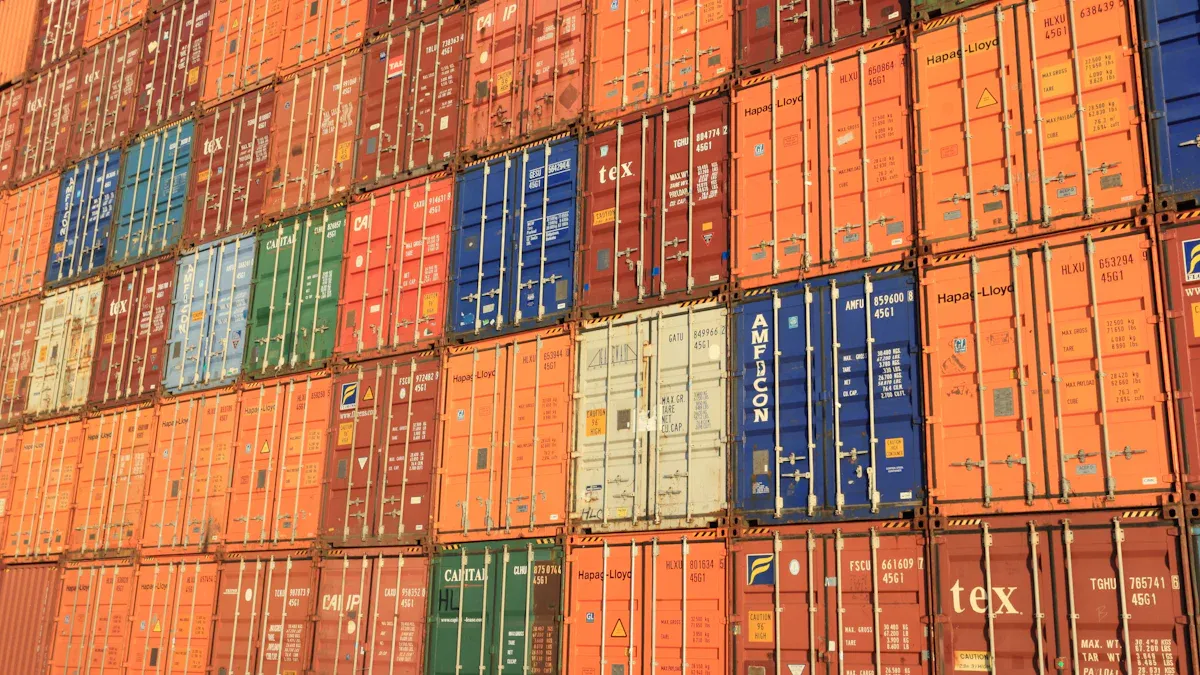
Positioning your inventory closer to key markets is one of the most effective ways to reduce shipping costs and improve delivery times. International warehouses allow you to store products near major customer bases, cutting down on long-distance transportation. For example, orders shipped from a fulfillment center just 50 miles away arrive much faster than those sent from 500 miles away. This proximity not only speeds up delivery but also reduces shipping expenses significantly.
Warehouses near major transportation hubs further enhance logistics efficiency. These locations streamline the shipping process by minimizing transit times and ensuring faster last-mile delivery. Additionally, having multiple regional warehouses enables you to respond quickly to local demand changes. This flexibility helps you avoid stockouts and maintain customer satisfaction, even during peak seasons.
Supporting Just-in-Time (JIT) Inventory Systems
International warehouses play a critical role in supporting just-in-time (JIT) inventory systems. By storing inventory closer to your customers, you can reduce the need for large stockpiles and instead rely on timely replenishment. This approach minimizes waste and lowers overall inventory costs. Research shows that businesses using JIT systems experience a 28-45% reduction in inventory levels and a 15-30% decrease in total operating costs.
The benefits of JIT systems extend beyond cost savings. You can also achieve faster lead times, with reductions ranging from 20-50%. This allows you to adapt quickly to changes in product demand or mix. For instance, companies using JIT systems report a 35% improvement in accommodating product mix changes and a 30-60% reduction in new product introduction times. These advantages make JIT systems an essential part of modern supply chain management.
|
Benefit Description |
Statistical Evidence |
|
Reduction in inventory levels |
Average reduction of 28-45% |
|
Reduction in lead times |
20-50% reduction |
|
Reduction in total operating costs |
15-30% reduction |
|
Faster accommodation of product changes |
35% faster |
|
Reduction in new product introduction |
30-60% reduction |
Enhancing Supply Chain Resilience
International warehouses strengthen your supply chain by improving its resilience to disruptions. When unexpected challenges arise, such as natural disasters or geopolitical issues, having strategically located warehouses ensures that your operations can continue with minimal interruptions. For example, Coca-Cola has used international warehouses to maintain production levels during supply chain disruptions, ensuring consistent product availability.
These warehouses also help you manage inventory more effectively. Companies like Unilever have reduced excess inventory, leading to better cash flow and significant cost savings. Additionally, businesses like Men's Wearhouse have improved online order fulfillment speeds, particularly during peak shopping periods. This ability to adapt quickly to changing circumstances is crucial for maintaining a competitive edge in global supply chains.
|
Company |
Measurable Outcome |
|
Coca-Cola |
Improved response times to supply chain disruptions, maintaining production levels during challenges. |
|
Unilever |
Reduced excess inventory, leading to significant cost savings and better cash flow management. |
|
Men's Wearhouse |
Increased online order fulfillment speed, enhancing customer satisfaction during peak shopping periods. |
By leveraging international warehouses, you can build a more flexible and reliable supply chain. This not only reduces costs but also ensures that your business remains competitive in the face of global challenges.
Cost-Saving Mechanisms of International Warehouses
Reducing Transportation Costs with Regional Distribution
Regional distribution centers linked to international warehouses significantly reduce transportation costs. By positioning inventory closer to your customers, you can minimize the distance goods need to travel. This approach not only saves money but also shortens delivery times, enhancing customer satisfaction. For instance, shipping goods from a nearby distribution center instead of a distant one can cut transportation expenses by up to 10%.
Additionally, regional distribution centers allow you to consolidate shipments. Sending larger quantities of goods in fewer trips reduces per-unit transportation costs. This strategy, known as economies of scale, is particularly effective for businesses with high shipping volumes. Studies show that consolidating shipments and optimizing transportation modes can lower transport costs by as much as 8.2%. These savings directly impact your bottom line, making regional distribution a key component of cost-efficient logistics.
|
Infrastructure Benefit |
Supply Chain Impact |
% of Operating Costs |
% of Transport Costs |
|
10% Transport Cost Reduction |
Lower material costs by substituting sources |
0.10% |
1.50% |
|
Consolidate plants due to extended reach |
|
0.20% |
4.10% |
|
Switch modes and reduce shipment size |
Decrease inventory |
0.10% |
1.20% |
|
10% Capacity Increase |
Less safety stock |
0.10% |
1.10% |
|
Rationalization of fleet and warehouse assets |
|
0.01% |
0.30% |
|
Total Benefits |
|
0.50% |
8.20% |
Lowering Customs and Import/Export Fees
International warehouses, especially bonded warehouses and foreign trade zones (FTZs), offer significant savings on customs and import/export fees. These facilities allow you to defer or even eliminate duty payments on goods. For example, if you store products in a bonded warehouse and later export them, you can avoid paying duties altogether. This advantage improves cash flow and reduces overall customs-related expenses.
Customs duty optimization is another way international warehouses help you save. By leveraging global tools and strategies, you can minimize the amount of duty paid on imported goods. This reduces product costs, making your business more competitive in global markets. Additionally, these warehouses enable you to manipulate or manufacture goods without incurring immediate duty costs. This flexibility enhances your profit margins and supports efficient logistics operations.
-
Customs duty optimization reduces the amount of duty paid, lowering product costs.
-
Bonded warehouses and FTZs allow duty deferral or elimination, improving cash flow.
-
Global tools help reduce transaction costs, increasing competitiveness.
Optimizing Inventory Management
Effective inventory management is crucial for reducing costs, and international warehouses play a vital role in this process. By implementing demand forecasting techniques, you can anticipate future demand based on historical data and market trends. This helps you maintain optimal inventory levels, avoiding both overstocking and stockouts.
Adopting just-in-time (JIT) inventory management further enhances efficiency. With JIT, you synchronize inventory levels with actual demand, minimizing excess inventory holding costs. This approach not only saves money but also improves cash flow. For example, businesses using JIT systems report a 28-45% reduction in inventory levels and a 15-30% decrease in operating costs.
Vendor-managed inventory (VMI) is another strategy that boosts efficiency. By allowing suppliers to monitor and replenish inventory levels, you can streamline operations and reduce administrative burdens. These practices, supported by international warehouses, ensure that your supply chain remains agile and cost-effective.
-
Demand forecasting anticipates future demand, improving inventory levels.
-
JIT systems reduce excess inventory, saving costs and optimizing cash flow.
-
VMI enhances efficiency by streamlining inventory replenishment.
Minimizing Delays with Faster Last-Mile Delivery
Faster last-mile delivery plays a crucial role in reducing delays and improving customer satisfaction. This final stage of the shipping process involves transporting goods from a local distribution center to the customer’s doorstep. By leveraging international warehouses, you can position inventory closer to your customers, ensuring quicker and more efficient deliveries.
One of the main benefits of faster last-mile delivery is the ability to meet customer expectations for speed. Today’s consumers often expect same-day or next-day delivery. When you store products in an international warehouse near key markets, you can significantly reduce the time it takes to fulfill orders. For example, a product stored in a regional warehouse can reach a customer within hours instead of days, eliminating unnecessary delays.
Efficient last-mile delivery also helps you avoid costly bottlenecks in logistics. Traffic congestion, incorrect addresses, and failed delivery attempts often disrupt the process. By using advanced route optimization tools and real-time tracking, you can streamline deliveries and minimize errors. Many companies now use automated systems to assign delivery routes, ensuring drivers take the fastest and most efficient paths.
Another way to enhance last-mile delivery is by adopting local delivery hubs. These smaller facilities, often located in urban areas, act as extensions of your international warehouse network. They allow you to store high-demand items closer to customers, reducing the distance and time required for delivery. This strategy not only speeds up the process but also lowers fuel consumption and transportation costs.
|
Last-Mile Delivery Challenge |
Solution Through International Warehouses |
|
Long delivery times |
Store inventory closer to customers |
|
Traffic congestion |
Use route optimization tools |
|
High transportation costs |
Establish local delivery hubs |
Incorporating international warehouses into your global supply chains ensures faster last-mile delivery and improved logistics efficiency. This approach not only reduces delays but also enhances your ability to meet customer demands in a competitive market.
Real-World Examples of Cost Reduction
E-Commerce Companies Leveraging Regional Warehouses
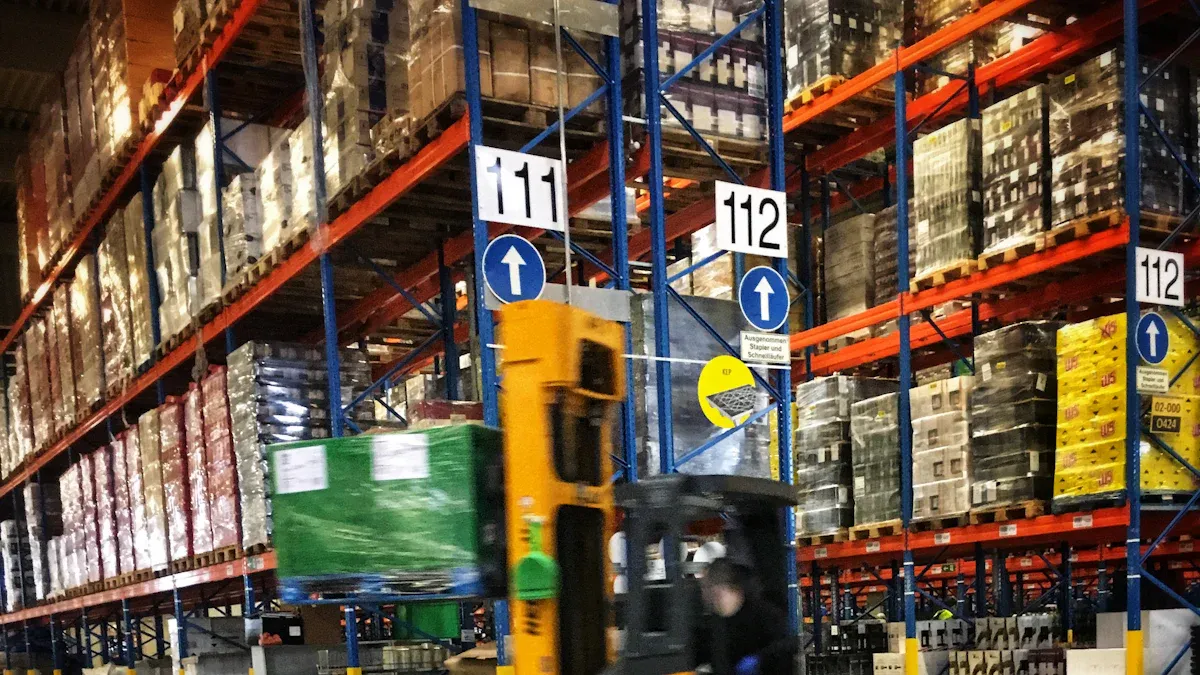
E-commerce businesses have revolutionized how products reach customers, and regional warehouses play a critical role in this transformation. By storing inventory closer to major customer hubs, you can reduce shipping distances and costs. For example, Amazon uses a network of strategically located fulfillment centers to ensure faster delivery times. This approach not only saves money but also enhances customer satisfaction by meeting the demand for quick shipping.
Regional warehouses also help you manage seasonal demand spikes. During peak shopping periods like Black Friday or the holiday season, having inventory in multiple locations allows you to fulfill orders more efficiently. This strategy minimizes delays and reduces the risk of stockouts. As a result, you can maintain a competitive edge in the fast-paced e-commerce market.
Multinational Corporations Using Hub-and-Spoke Models
Many multinational corporations rely on the hub-and-spoke model to streamline their logistics operations. In this system, a central hub serves as the main distribution point, while smaller regional warehouses (spokes) handle local deliveries. This model reduces transportation costs by consolidating shipments at the hub before distributing them to regional centers.
For instance, companies like FedEx and DHL use this approach to optimize their global supply chains. By integrating international warehouses into their networks, they can manage inventory more effectively and respond quickly to market demands. This system also supports scalability, allowing you to expand operations without significant increases in costs.
Industry Insights from Automotive and Electronics Sectors
The automotive and electronics industries provide valuable insights into the cost-saving potential of international warehouses. In the electronics sector, managing excess inventory has become essential for reducing e-waste and improving supply chain resilience. By adopting advanced inventory management practices, you can achieve significant cost savings while supporting sustainability goals.
In the automotive industry, manufacturers often collaborate with suppliers worldwide. Rising manufacturing costs in regions like Europe and the US have made efficient integration solutions a necessity. International warehouses facilitate real-time information flow across supply chains, helping you manage complex logistics and reduce expenses.
The rise of omnichannel supply chains has further transformed warehousing operations. With more digital purchases occurring through online marketplaces, businesses must manage inventory across multiple channels. International warehouses enable you to adopt advanced inventory strategies, reducing holding costs and improving operational efficiency.
The Long-Term Value of International Warehouses
Enhancing Scalability for Growing Businesses
International warehouses provide a foundation for scalability, enabling your business to grow without significant logistical challenges. As your operations expand, these warehouses allow you to manage larger inventories and serve more customers efficiently. A study by McKinsey & Company reveals that two-thirds of value is generated when businesses scale successfully to capture a significant share of their target market. This highlights the importance of scalability in achieving growth.
The rise of e-commerce and globalization has further emphasized the need for scalable solutions. The warehouse management system market continues to grow as businesses adopt advanced tools to streamline their supply chain. By leveraging international warehouses, you can enhance operational efficiency and position your business for long-term success.
Supporting Global E-Commerce Expansion
The rapid growth of e-commerce has transformed how businesses operate. International warehouses play a crucial role in supporting this expansion by optimizing logistics and ensuring faster delivery times. Retailers are increasingly expanding their operations to meet the demands of online shoppers. This trend drives the need for logistics real estate and optimized supply chains.
-
International expansion strengthens your global brand presence.
-
A strong brand improves your ability to negotiate partnerships internationally.
-
E-commerce increases demand for logistics infrastructure.
-
Retailers expand operations to support online sales.
-
Optimized supply chains enable faster delivery and higher customer satisfaction.
By integrating international warehouses into your strategy, you can meet the growing demands of e-commerce while maintaining a competitive edge.
Strengthening Competitive Advantage in Global Markets
International warehouses give you a strategic advantage in competitive markets. These facilities allow you to store and analyze data effectively, turning raw information into actionable insights. A robust data warehousing strategy helps you optimize storage, retrieval, and analysis, which are essential for staying ahead of competitors.
Metrics such as ROI, efficiency benchmarks, and customer satisfaction demonstrate the impact of international warehouses on your competitive positioning. By improving your supply chain and logistics, you can achieve higher efficiency and better customer experiences. These advantages not only reduce costs but also solidify your position in global markets.
International warehouses play a vital role in reducing shipping costs and improving logistics efficiency. By positioning inventory closer to your customers, you can cut transportation expenses and speed up delivery times. These warehouses also help you streamline operations, ensuring smoother supply chain performance. Businesses that invest in strategically located facilities gain a competitive edge, achieve long-term cost savings, and enhance customer satisfaction.
FAQ
What is an international warehouse?
An international warehouse is a storage facility located in a foreign country. It helps businesses store inventory closer to their customers. This reduces shipping distances, speeds up delivery, and lowers transportation costs.
How do international warehouses reduce shipping costs?
They position inventory near key markets, cutting long-distance transportation expenses. Regional distribution centers also consolidate shipments, reducing per-unit costs. This approach ensures efficient logistics and cost savings.
Are international warehouses suitable for small businesses?
Yes, small businesses can benefit from international warehouses. They help reduce shipping costs, improve delivery times, and enhance customer satisfaction. Many third-party logistics providers offer affordable solutions tailored to smaller operations.
What industries benefit most from international warehouses?
E-commerce, automotive, and electronics industries benefit greatly. These sectors rely on fast delivery, efficient inventory management, and cost-effective logistics. International warehouses support these needs by optimizing supply chains.
Can international warehouses improve customer satisfaction?
Yes, they can. By storing products closer to customers, you can ensure faster delivery times. This meets customer expectations for quick shipping and enhances their overall experience with your business.
Related content