
Export Agent in Global Trade Explained
Author:XTransfer2025.12.04Export Agent in Global Trade
An export agent plays a vital role in global trade by connecting domestic manufacturers with foreign buyers. Acting as a bridge, they simplify international trade by managing complex processes like documentation, customs, and logistics. With 95% of the world’s consumers living outside the United States, the export market offers vast opportunities. Many small businesses rely on exports for a significant portion of their earnings, making an export agent's expertise invaluable. By navigating regulations and reducing risks, they help you expand into international markets with confidence.
What Does an Export Agent Do?
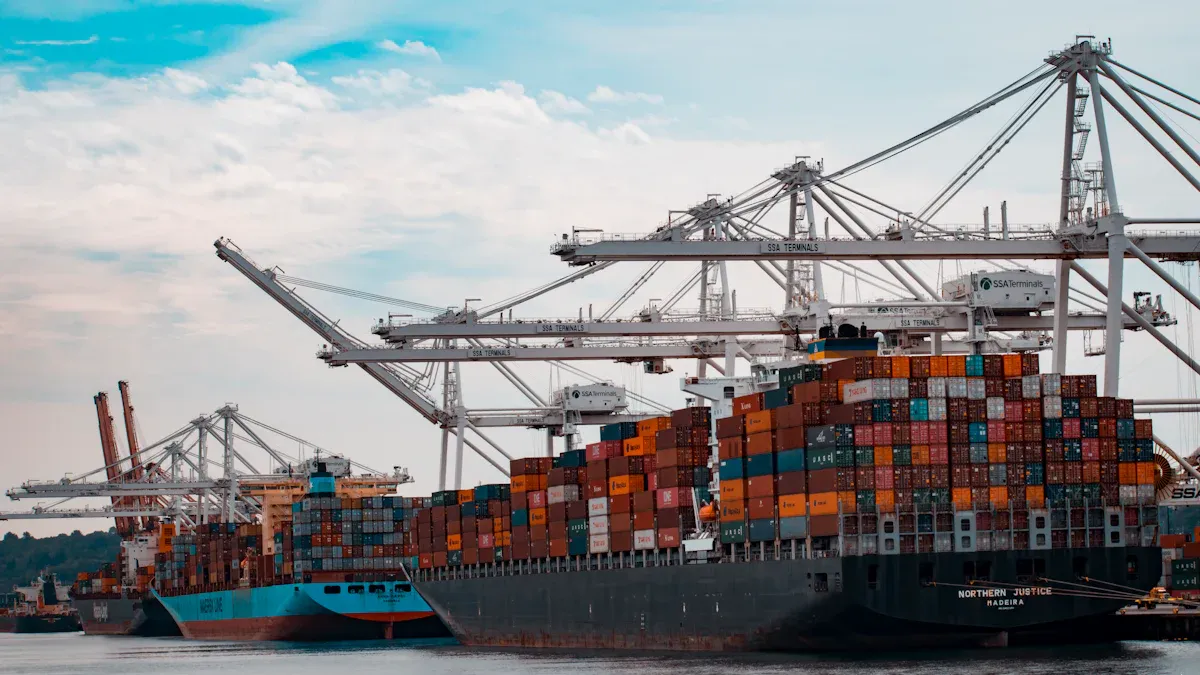
Export agents play a crucial role in ensuring smooth international trade operations. Their expertise spans multiple areas, helping you navigate the complexities of global markets. Below are some of the key responsibilities they handle.
Documentation Management
Exporting goods requires extensive paperwork. An export agent ensures that all necessary documents are prepared accurately and submitted on time. These documents include invoices, packing lists, certificates of origin, and export licenses. Missing or incorrect paperwork can lead to delays or penalties. By managing these details, export agents save you time and reduce the risk of errors.
Customs Clearance
Customs clearance is one of the most challenging aspects of exporting. Each country has unique regulations, and staying compliant can be overwhelming. Export agents specialize in navigating these rules. They ensure your goods meet all requirements, from tariffs to import restrictions. This expertise prevents delays at borders and ensures your shipments reach their destination without issues.
To understand the complexities of customs clearance, consider the following analysis:
|
Analysis Type |
Description |
|---|---|
|
Export Complexity |
Derived from the average complexity of specialized activities using PCI. |
|
Spatial Autocorrelation |
Measures regional economic dynamics with Morans’ I values ranging from -1 to +1. |
|
Distribution of Complexity |
Quantifies the skewness of complexity indexes across regions. |
By handling customs clearance efficiently, export agents help you avoid unnecessary complications and ensure compliance with international laws.
Freight and Logistics Coordination
Coordinating freight and logistics is another critical responsibility of export agents. They arrange transportation, negotiate with carriers, and ensure timely delivery of goods. Their expertise in logistics helps you optimize shipping routes and reduce costs. Additionally, they monitor shipments to address any issues that may arise during transit.
The effectiveness of export agents in freight coordination can be seen through the following metrics:
|
Metric |
Description |
|---|---|
|
On-Time Deliveries |
Percentage of orders delivered on or before the estimated delivery date. |
|
Average Wait Time |
Time taken to load cargo into a truck, from entry to exit of the loading premises. |
|
Order Accuracy |
Ratio of orders accurately delivered without damage or issues during customs. |
|
Lead Conversion Time |
Time taken from identifying a sales lead to converting it into a sale. |
|
Average Freight Cost per Tonne |
Average cost to ship one tonne of freight, calculated per route and season. |
Export agents streamline logistics, ensuring your goods reach their destination efficiently and cost-effectively.
Market and Regulatory Advice
Understanding foreign markets and their regulations can be overwhelming. Export agents provide valuable insights into these areas, helping you make informed decisions. They analyze market trends, consumer preferences, and competitive landscapes. This information allows you to identify the best opportunities for your products.
Export agents also guide you through the maze of international trade regulations. Each country has unique rules regarding product standards, labeling, and certifications. Non-compliance can lead to fines or shipment rejections. By staying updated on these requirements, export agents ensure your goods meet all necessary standards.
Additionally, export agents help you adapt to cultural differences. They understand local business practices and communication styles, which can improve your relationships with foreign buyers. This cultural awareness often leads to smoother negotiations and stronger partnerships.
Risk Management
Exporting involves various risks, from financial losses to shipment delays. Export agents play a crucial role in minimizing these risks. They assess potential challenges and develop strategies to address them. For example, they might recommend insurance policies to protect your goods during transit.
Export agents also help you manage currency exchange risks. Fluctuations in exchange rates can impact your profits. By working with an export agent, you can explore options like forward contracts to lock in favorable rates.
Another area where export agents excel is dispute resolution. Conflicts may arise over payment terms, product quality, or delivery timelines. Export agents act as mediators, helping you resolve issues quickly and maintain good relationships with your buyers.
By addressing risks proactively, export agents give you peace of mind. You can focus on growing your business while they handle the complexities of international trade.
Why Work with an Export Agent?
Export agents offer significant advantages for businesses venturing into international markets. Their expertise simplifies complex processes, allowing you to focus on your core operations. Below are the key reasons why partnering with an export agent can benefit your business.
Time-Saving Benefits
Exporting involves numerous time-consuming tasks, from preparing documents to coordinating shipments. Export agents streamline these processes, saving you valuable time. They handle repetitive paperwork, ensuring accuracy and reducing the need for corrections. For instance, the Automated Export System (AES) minimizes manual data entry by converting paper forms into electronic submissions. This reduces duplicate efforts and speeds up the process.
Export agents also provide instant updates on shipping and export statuses. They can recheck and reupload forms on the spot, eliminating delays caused by resubmissions. Additionally, they ensure immediate verification of Internal Transaction Numbers (ITNs), which are essential for compliance. By optimizing these steps, export agents cut through red tape and save both time and costs.
|
Benefit |
Description |
|---|---|
|
Reduced Duplicate Paperwork |
AES adoption minimizes the number of paper-to-electronic—and vice-versa—changeovers. |
|
Instant Export and Shipping Updates |
Forms can be reuploaded and rechecked on the spot, reducing the need for complete resubmission. |
|
Immediate ITN Verification |
Transactions are assigned an ITN number instantly, streamlining the process. |
|
Cost Reduction |
Optimizing the export process cuts through red tape, significantly reducing time and costs. |
By delegating these responsibilities to an export agent, you can focus on growing your business while they handle the complexities of international trade.
Compliance Assurance
Adhering to international trade regulations is critical for avoiding penalties and ensuring smooth operations. Export agents specialize in compliance, helping you meet all legal requirements. They stay updated on the latest regulations, ensuring your goods meet the standards of the destination country. This includes product labeling, certifications, and customs documentation.
The role of Electronic Export Information (EEI) highlights the importance of compliance. EEI enhances adherence to U.S. export laws by detecting violations and preventing breaches. It also provides statistical data for federal agencies, underscoring its significance in trade compliance.
|
Evidence Point |
Description |
|---|---|
|
Improving compliance |
The role of Electronic Export Information (EEI) in enhancing adherence to U.S. export laws and regulations. |
|
Detection of violations |
EEI aids in identifying and preventing breaches of various laws, including export regulations. |
|
Statistical analysis |
EEI is utilized for statistical purposes by federal agencies, indicating its importance in trade compliance. |
Export agents ensure your business avoids costly mistakes by managing compliance effectively. Their expertise reduces the risk of shipment delays, fines, or legal issues.
Access to Expertise
Navigating international markets requires specialized knowledge. Export agents bring years of experience and industry insights to the table. They understand market trends, consumer preferences, and competitive landscapes. This knowledge helps you identify the best opportunities for your products.
Export agents also provide guidance on cultural differences and local business practices. Understanding these nuances can improve your relationships with foreign buyers and lead to successful negotiations. Additionally, their expertise in logistics and customs ensures your shipments reach their destination efficiently.
The economic impact of reducing trade costs further highlights the value of export agents. Lowering trade costs enhances the competitiveness of businesses, particularly in developing countries. It also leads to sustained economic growth, improved living standards, and better outcomes for producers and consumers.
|
Evidence Description |
Economic Impact |
|---|---|
|
East Asian countries' experience shows that lowering trade costs leads to sustained economic growth. |
High economic growth rates. |
|
Reducing trade costs can lead to lower poverty rates and better outcomes for producers and consumers. |
Improved living standards. |
|
Trade costs are crucial for the competitiveness of developing country enterprises. |
Enhanced participation in international markets. |
By leveraging the expertise of export agents, you gain a competitive edge in global trade. Their knowledge and skills simplify the export process, allowing you to focus on expanding your business.
Cost-Effective Solutions
Working with an export agent can save you money in several ways. Exporting often involves high costs, including shipping, customs duties, and taxes. You also face indirect expenses like market research and adapting your products for foreign markets. An export agent helps you manage these costs effectively, making international trade more affordable.
Export agents leverage economies of scale to reduce your expenses. By handling multiple clients, they negotiate better rates with shipping companies and other service providers. These savings get passed on to you, lowering your overall costs. For example, instead of paying full price for shipping, you benefit from discounted rates that an export agent secures through bulk deals.
Here’s a breakdown of the economic advantages export agents provide:
|
Economic Advantage |
Description |
|---|---|
|
Economies of Scale |
Increased production allows businesses to spread fixed costs over more units, reducing average costs and increasing profit margins. |
|
High Costs of Exporting |
Direct costs include shipping, customs duties, and taxes, while indirect costs involve market research and adapting products for foreign markets. |
|
Long-term Profitability |
Despite high initial costs, exporting can lead to increased profitability over time as businesses tap into new markets. |
Export agents also help you avoid costly mistakes. Errors in documentation or non-compliance with regulations can result in fines or shipment delays. By ensuring accuracy and compliance, they protect your bottom line. Additionally, their expertise in logistics and market trends allows you to make informed decisions, reducing the risk of financial losses.
Investing in an export agent may seem like an added expense, but it pays off in the long run. They streamline processes, minimize risks, and open doors to new opportunities. This makes them a cost-effective solution for businesses looking to expand into global markets.
How to Choose the Right Export Agent?
Choosing the right export agent is crucial for the success of your international trade operations. A well-qualified agent can streamline processes, reduce risks, and help you achieve your business goals. Here are some key factors to consider when making your decision.
Industry Experience
An export agent with extensive industry experience brings valuable insights to the table. They understand the nuances of your specific market and can anticipate challenges before they arise. Experienced agents often have strong networks and relationships with key stakeholders, which can expedite processes like customs clearance and freight coordination.
Agents with industry-specific knowledge are particularly beneficial for small and medium-sized enterprises (SMEs). Their expertise helps SMEs navigate complex export procedures and adapt to market demands. Employees with networking skills and specialized exporting competencies further enhance the agent's effectiveness.
Range of Services
A comprehensive range of services is another critical factor to evaluate. The best export agents handle everything from documentation and customs clearance to logistics and market analysis. This all-in-one approach saves you time and ensures consistency across all aspects of the export process.
When assessing an agent's services, clarify your specific needs. For example, do you require assistance with regulatory compliance or risk management? Define your expectations upfront to ensure the agent can deliver on all fronts. Additionally, evaluate their network of partners, such as freight forwarders and customs brokers, as this can impact the efficiency of your operations.
Checklist:
Does the agent offer end-to-end solutions?
Can they adapt their services to your unique requirements?
Do they have a reliable network of partners?
Reputation and References
An export agent's reputation speaks volumes about their reliability and professionalism. Look for agents with positive feedback from industry peers and clients. Accreditation by recognized bodies, such as ISO, also indicates compliance with high standards.
Request references and case studies to gain insights into the agent's track record. These resources can provide valuable information about their performance, problem-solving abilities, and customer satisfaction levels. Regularly evaluate the agent's performance against predefined goals to ensure they continue to meet your expectations.
|
Factor |
Description |
|---|---|
|
Expertise |
Agents must have experienced professionals with knowledge of specific products and industries. |
|
Accreditation |
Accreditation by bodies like ISO ensures compliance with international standards. |
|
Reputation |
Positive feedback and a solid reputation are crucial for reliability. |
Partnering with an export agent offers numerous advantages for businesses navigating global trade. These professionals simplify international trade by managing logistics, ensuring compliance, and leveraging their expertise to identify market opportunities.
-
Export agents streamline market entry by understanding local customs and regulations.
-
They handle logistics, ensuring smooth shipping and compliance with legal requirements.
-
Their market research identifies potential buyers and secures favorable terms for exporters.
|
Advantage |
Description |
|---|---|
|
Expertise in Global Markets |
They possess deep knowledge of international trade practices, helping you avoid costly mistakes. |
|
Cost-Effective Expansion |
You can reduce operational costs by outsourcing export activities instead of creating a dedicated department. |
|
Comprehensive Services |
They manage all aspects of exporting, saving you time and effort. |
|
Risk Mitigation |
They navigate complex legal requirements and protect against financial risks. |
|
Established Networks |
Their connections to distributors and buyers enhance product reach and accelerate market entry. |
|
Focus on Core Operations |
Outsourcing export tasks allows you to concentrate on improving your products. |
By working with an export agent, you reduce risks, cut costs, and gain access to global markets more efficiently. Their expertise ensures smoother international trade operations, allowing you to focus on growing your business.
FAQ
What is the difference between an export agent and a freight forwarder?
An export agent focuses on connecting you with foreign buyers and managing trade compliance. A freight forwarder specializes in logistics, ensuring your goods are transported efficiently. While their roles overlap, export agents handle broader trade aspects, including market research and risk management.
Do export agents work with all types of products?
Most export agents specialize in specific industries or product categories. For example, some focus on agricultural goods, while others handle machinery or textiles. Always check if the agent has experience with your product type to ensure they can meet your needs effectively.
How do export agents charge for their services?
Export agents typically charge a commission based on the value of the goods sold. Some may also charge flat fees for specific services like documentation or customs clearance. Discuss pricing structures upfront to avoid surprises and ensure transparency.
Can small businesses benefit from hiring an export agent?
Yes, small businesses gain significant advantages by working with export agents. They simplify complex processes, reduce risks, and provide access to global markets. This allows you to focus on growing your business without worrying about the intricacies of international trade.
How do I verify an export agent’s credibility?
Check their references, client reviews, and industry certifications. Look for agents accredited by recognized organizations like ISO. Request case studies or examples of their past work to assess their expertise and reliability. A credible agent will have a proven track record of success.
Related content