
Everything You Need to Know About Bank Slips
Author:XTransfer2025.12.03Bank Slip
A bank slip is a document that records financial transactions, such as deposits or withdrawals. You use it to ensure accurate details of the transaction are captured. Understanding bank slips helps you track your money effectively and prevents errors in your financial records. It also plays a vital role in managing your personal finances.
What Is a Bank Slip?
Definition and Purpose
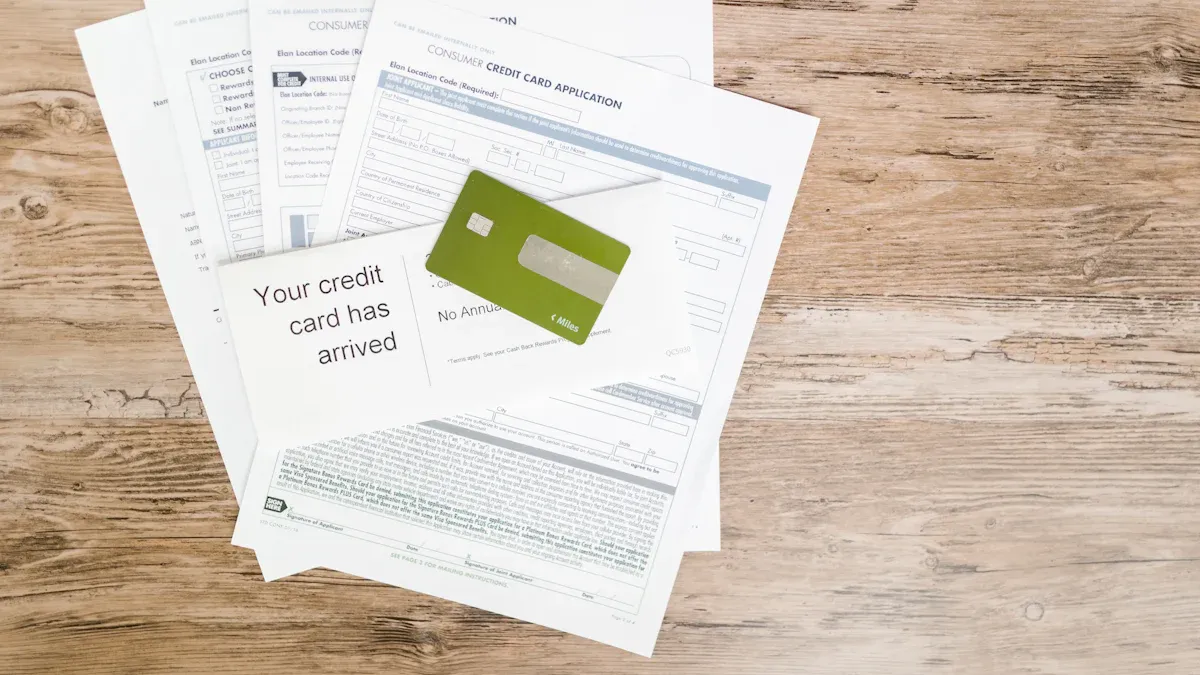
A bank slip is a document that records financial transactions between you and your bank. It serves as a written acknowledgment of activities like deposits, withdrawals, or transfers. This document ensures that both you and the bank have a clear record of the transaction.
|
Definition |
Purpose |
|---|---|
|
A deposit slip is a small paper form that a bank customer includes when depositing funds into a bank account. |
It states the date, the name of the depositor, the depositor's account number, and the amounts being deposited. |
|
The deposit slip serves as proof that the bank acknowledged receiving the funds from the customer. |
It acts as a confirmation of the transaction. |
|
For bank customers, a deposit slip serves as a de facto receipt that the bank properly accounted for the funds. |
It ensures the correct amount is deposited into the correct account. |
|
Deposit slips protect both the bank and the customer. |
They help maintain a written ledger of funds deposited and ensure no deposits are unaccounted for. |
By using a bank slip, you can verify that your funds have been handled correctly. It also helps you maintain accurate financial records, which are essential for budgeting, tax filing, and financial planning.
Types of Bank Slips
Bank slips come in different forms, each serving a specific purpose. The most common types include deposit slips and withdrawal slips.
These slips not only document the flow of money but also provide a trail that can be useful in resolving disputes or investigating financial issues. For example, if there’s a question about a withdrawal, the slip can confirm who authorized it and when.
Key Details on a Bank Slip
A bank slip contains several critical pieces of information. These details ensure that the transaction is recorded accurately and can be verified later.
|
Data Point |
Description |
|---|---|
|
Account number (IBAN) |
Unique identifier for the bank account, crucial for transaction reconciliation and verification. |
|
Date |
Specifies when the transaction occurred, helping you track financial activities. |
|
Amount |
Indicates the exact sum of money involved in the transaction. |
|
Transaction type |
Identifies whether the transaction is a deposit, withdrawal, or transfer. |
|
Bank name |
Confirms the financial institution handling the transaction. |
|
Signature |
Verifies the identity of the person authorizing the transaction. |
|
Memo/Reference |
Provides additional context about the transaction's purpose. |
These details make it easier for you to trace your financial activities and ensure that your records match the bank’s. For instance, the account number ensures that the funds are deposited into the correct account, while the date and amount help you reconcile your statements.
How to Use a Deposit Slip

Steps to Fill Out a Deposit Slip
Filling out a deposit slip correctly ensures your money is deposited into the right bank account without errors. Follow these steps to complete a deposit slip accurately:
-
Write the Date: Start by entering the date of the deposit in the designated space. This helps track when the transaction occurred.
-
Fill in Your Account Information: Write your name and account number clearly. This ensures the funds are deposited into the correct account.
-
Add Cash Amounts: Count all the cash you are depositing and write the total in the "Cash" section.
-
List Checks: If you are depositing checks, list each check separately. Include the check number and the amount in the "Checks" section.
-
Calculate the Subtotal: Add the cash and check amounts together and write the total in the "Subtotal" section.
-
Request Cash Back (if needed): If you want to receive cash back, write the amount in the "Less Cash" section.
-
Determine the Net Deposit: Subtract the cash back from the subtotal and write the final amount in the "Total" or "Net Deposit" section.
-
Sign the Slip: If required, sign the deposit slip on the signature line.
-
Submit the Slip: Hand the completed deposit slip, along with the cash and checks, to the bank teller.
By following these steps, you can ensure your deposit is processed smoothly and without delays.
Common Mistakes to Avoid
Mistakes on a deposit slip can lead to processing errors or delays. Avoid these common errors to ensure your deposit is handled correctly:
-
Forgetting to endorse checks. Always sign the back of each check before depositing.
-
Mismatching deposit amounts. Double-check that the cash and checks match the amounts written on the slip.
-
Using outdated deposit slips. Always use the most recent slips provided by your bank to avoid format issues.
-
Skipping fields. Fill out all required fields, including your name and account number.
-
Ignoring bank cut-off times. Deposits made after the cut-off time may not be processed until the next business day.
-
Failing to keep records. Retain a copy of your deposit slip for your personal records.
Taking these precautions can save you time and prevent potential disputes with your bank.
Importance of Accuracy in Deposits
Accuracy in deposits is essential for maintaining financial stability and trust. When you fill out a deposit slip correctly, you ensure that your funds are deposited into the right account and that the transaction is recorded properly. Accurate deposits also help you keep track of your finances and avoid discrepancies in your bank statements.
Financial institutions rely on accurate deposit data to monitor trends and make informed decisions. For example, banks use this information to allocate resources, manage risks, and comply with regulations. Accurate deposits also enhance transparency and foster trust between you and your bank.
In today’s data-driven world, the importance of accuracy extends beyond personal finance. Real-time data analysis allows banks to adapt to market changes and develop new products based on financial trends. By ensuring your deposit information is correct, you contribute to a system that benefits both individuals and institutions.
Benefits of Using Bank Slips
Proof of Deposit
A bank slip acts as a reliable proof of deposit, ensuring that your money is accounted for accurately. When you deposit funds into your bank account, the slip serves as a written acknowledgment of the transaction. This document provides you with a tangible record that confirms the bank received your money. If discrepancies arise, you can use the deposit slip to resolve issues quickly.
The importance of proof of deposit extends beyond personal finance. Many consumers prioritize security when handling financial transactions. According to research, 88% of consumers value security during purchases, and 93% express satisfaction with banks' ability to rectify lost card issues. This highlights how bank slips contribute to building trust and confidence in financial institutions.
|
Evidence Type |
Detail |
|---|---|
|
Consumer Preference |
88% of consumers value security when making purchases |
|
Satisfaction Rate |
93% of consumers satisfied with banks' ability to rectify lost card issues |
|
Interchange Fees |
73% agree that interchange fees are necessary for fraud prevention |
Financial Record-Keeping
Bank slips simplify financial record-keeping by providing a clear trail of your transactions. Whether you’re depositing cash or checks, these slips help you track your deposits and reconcile them with your bank statements. Accurate records are essential for budgeting, tax preparation, and ensuring compliance with financial regulations.
Modern tools enhance the benefits of bank slips by integrating them into automated systems. These systems detect errors, match transactions with internal records, and save time. They also flag suspicious activities, reducing the risk of fraud. Regular reconciliation of bank accounts ensures compliance with tax laws and minimizes penalties or audits.
-
Error Detection: Automated analysis helps quickly identify discrepancies that manual reviews might miss.
-
Reconciliation Efficiency: Software integration allows for easy matching of bank transactions with internal records, reducing errors.
-
Time Savings: Automation minimizes the manual workload, enabling teams to focus on strategic tasks.
-
Fraud Prevention: Analyzing bank statements can flag suspicious activities, enhancing financial integrity.
-
Accurate financial data from reconciled bank accounts supports tax return preparation, ensuring compliance.
-
Regulatory requirements necessitate detailed financial records, which reconciliation helps maintain.
-
Regular reconciliation reduces risks of penalties and audits, promoting legal compliance and good standing.
Legal and Transactional Security
Bank slips provide legal and transactional security by documenting every deposit. These records protect you in case of disputes or errors. For example, if a deposit doesn’t appear in your account, the slip serves as evidence to resolve the issue. It also ensures that your funds are deposited into the correct bank account.
Legal compliance is another critical benefit. Financial institutions rely on accurate deposit data to meet regulatory requirements. By using bank slips, you contribute to a transparent system that safeguards both you and the bank. This transparency fosters trust and reduces risks associated with fraud or mismanagement.
The role of bank slips in transactional security aligns with consumer preferences. Research shows that 73% of people agree interchange fees are necessary for fraud prevention. This demonstrates how bank slips play a vital role in maintaining secure and trustworthy financial systems.
Alternatives to Bank Slips
Digital Banking Receipts
Digital banking receipts are a modern alternative to traditional bank slips. These receipts are generated automatically when you complete a transaction through online or mobile banking. They provide instant confirmation and are stored electronically, making them easy to access whenever needed.
Many financial institutions now rely on digital receipts because they reduce paperwork and improve efficiency. A survey revealed that 63% of financial firm managers use non-traditional data sources, such as user behavior metrics, to enhance financial evaluations. Digital receipts often integrate with these data sources, offering a more comprehensive view of your financial activities.
Online Deposit Confirmations
Online deposit confirmations offer real-time accuracy and accessibility. When you deposit money through online banking, the system generates an immediate confirmation. This eliminates the need for physical slips and reduces the risk of human error.
-
Real-time confirmations ensure your deposits are recorded accurately.
-
Open banking solutions make these confirmations accessible with minimal effort.
-
Traditional bank slips, by comparison, are slower and more prone to errors.
Online confirmations also enhance security. They minimize fraud risks by using encrypted systems to process transactions. This makes them a reliable choice for managing your finances in a digital world.
Mobile Payment Records
Mobile payment records are another convenient alternative. When you use apps like PayPal, Venmo, or Apple Pay, the app generates a record of the transaction. These records include details like the amount, date, and recipient, ensuring you can track your payments easily.
These records are especially useful for small businesses and freelancers. They provide a clear trail of income and expenses, simplifying tax preparation and financial planning. By using mobile payment records, you can stay organized and maintain accurate financial records without relying on paper slips.
Bank slips serve as essential tools for documenting financial transactions. They help you maintain accurate records, ensure legal security, and provide proof of deposits.
By understanding their purpose, you can manage your finances confidently.
FAQ
What should you do if you lose a bank slip?
Contact your bank immediately. Provide transaction details like the date, amount, and account number. The bank can retrieve the record for you.
Can you use a deposit slip for online transactions?
No, deposit slips are for in-person transactions. Online banking generates digital receipts or confirmations instead of physical slips.
Why is it important to keep bank slips?
Bank slips help you track transactions, resolve disputes, and maintain accurate financial records. They also serve as proof of deposits or withdrawals.
Related content