
Clearing Code in Global Trade Explained Simply
Author:XTransfer2025.12.04Clearing Code
Clearing codes play a vital role in global trade, ensuring smooth customs clearance and accurate financial transactions. These codes act as a universal language that helps customs authorities classify goods, determine duties, and apply trade regulations effectively. For instance, customs use HS codes to calculate duties, prevent delays, and identify items subject to quotas or special licenses. Misclassifying goods can lead to rejected documentation, penalties, or even confiscated shipments, underscoring the importance of accuracy.
Errors or omissions in clearing codes can result in severe consequences. A single incorrect digit might disrupt your supply chain, lead to costly fines, or cause significant delays at the border. Businesses that rely on outdated codes risk operational disruptions and financial losses. By prioritizing accuracy, you can avoid these pitfalls and ensure seamless trade operations.
What Are Clearing Codes?
Definition and Purpose of Clearing Codes
Clearing codes are essential tools in global trade. They serve as standardized identifiers that classify goods or financial transactions. These codes ensure that customs authorities and financial institutions can process shipments and payments accurately. By using clearing codes, you help create a common language that simplifies communication between countries. This reduces misunderstandings and ensures compliance with international trade regulations.
For example, the Harmonized System (HS) Code is a widely used clearing code. It standardizes product classification, making it easier for customs to determine tariffs and enforce trade rules. Without accurate clearing codes, shipments may face delays, fines, or even rejection at borders.
Types of Clearing Codes
Clearing codes come in various forms, each serving a specific purpose in global trade. Here are the main types:
-
Harmonized System (HS) Codes: These codes classify goods based on their nature, composition, and intended use. The World Customs Organization (WCO) developed the HS Code system, which is used by over 200 countries. Each code consists of a numerical identifier and a description, organized into chapters and sections. This structure helps customs authorities assess duties and apply trade regulations consistently.
-
National Clearing Codes (NCC): These codes are specific to financial transactions within a country. They ensure that payments are routed correctly through domestic banking systems. For instance, when you send money internationally, the NCC ensures the funds reach the right bank and account.
-
Export Classification Codes: These codes are standardized across countries to classify goods for export. They help customs determine the correct tariffs and trade rules, ensuring fair practices in international trade.
Each type of clearing code plays a vital role in facilitating global trade. By understanding these codes, you can ensure compliance and avoid costly errors.
Importance of Clearing Codes in Global Trade
Clearing codes are the backbone of international trade operations. They streamline customs clearance, ensuring that goods move smoothly across borders. Accurate clearing codes prevent delays and reduce the risk of penalties. For example, using the correct HS Code allows customs to calculate duties and apply trade rules efficiently.
These codes also support financial transactions. National clearing codes ensure that payments are routed accurately, reducing the risk of errors or fraud. This is especially important in cross-border trade, where misrouted payments can disrupt supply chains.
In addition, clearing codes enhance transparency and consistency in global trade. They create a standardized system that helps countries communicate effectively. This fosters trust and cooperation, making international trade more efficient and reliable.
By prioritizing the use of accurate clearing codes, you can avoid common pitfalls and ensure smooth trade operations. Whether you're shipping goods or processing payments, these codes are indispensable tools for success in global trade.
The Role of Clearing Codes in Global Trade
Facilitating Customs Clearance and Compliance
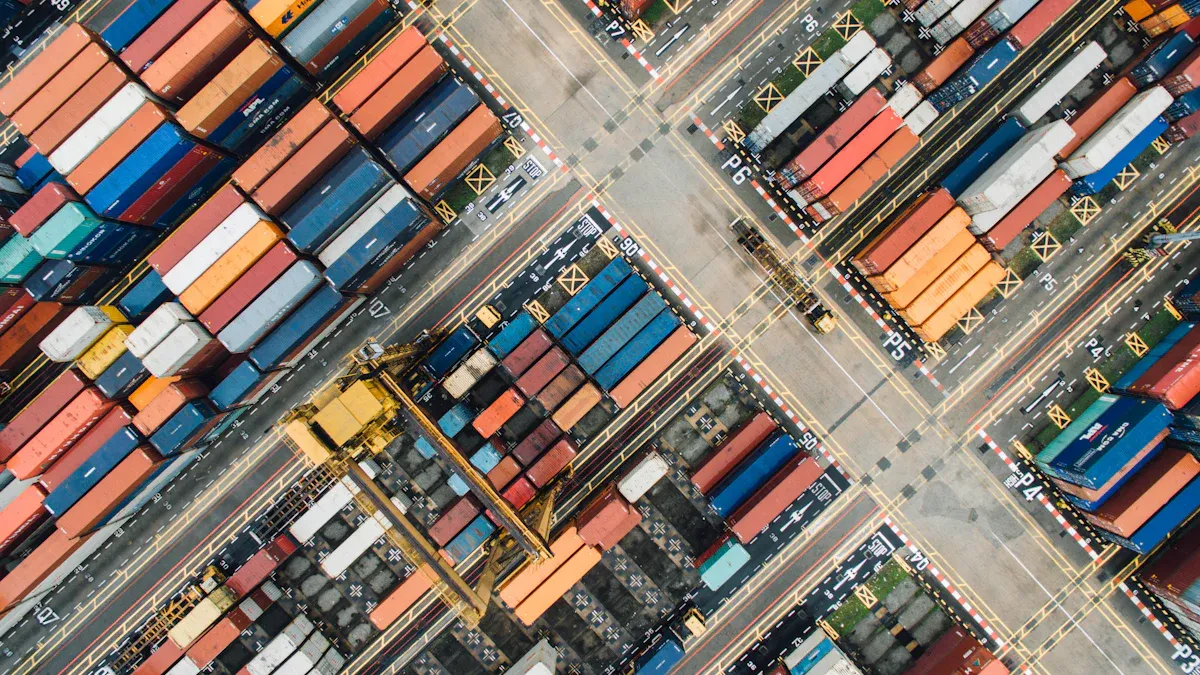
Clearing codes play a critical role in ensuring smooth customs clearance. When you include the correct Schedule B number on import and export documents, customs authorities can classify goods accurately. This classification helps them calculate duties, verify goods, and enforce trade regulations. For example, HS codes allow customs to identify products quickly, ensuring accurate duties and simplifying documentation. This process reduces delays and ensures compliance with customs regulations.
Schedule B numbers also contribute to transportation planning. They act as a common language between traders and customs officials, enabling timely processing of goods. By using accurate clearing codes, you can avoid penalties, rejected shipments, or unnecessary delays at borders.
Supporting Accurate Routing of Financial Transactions
Clearing codes ensure that financial transactions are routed accurately. National Clearing Codes (NCCs) act as unique identifiers for banks, helping payments reach the correct financial institution. This reduces the risk of misrouted funds and enhances transaction security. For instance, NCCs provide accurate routing information in countries that do not use IBANs, speeding up international transfers.
|
Functionality |
Description |
|---|---|
|
Identifying the Correct Bank |
NCC acts as a unique identifier for banks, ensuring payments reach the right institution. |
|
Facilitating International Transfers |
NCCs provide accurate routing information, speeding up transactions. |
|
Ensuring Secure Payment Routing |
Correct NCC usage minimizes fraud risks by directing funds through proper channels. |
By automating the routing process, clearing codes reduce delays and improve the efficiency of financial transactions.
Enhancing Efficiency in International Trade Operations
Clearing codes streamline international trade operations by creating a standardized system for classifying goods and routing payments. When you use accurate codes, customs authorities can process shipments faster, and financial institutions can route payments without errors. This efficiency reduces operational costs and enhances supply chain reliability.
For example, HS codes simplify customs clearance by providing a universal classification system. Similarly, NCCs ensure that payments are routed securely and efficiently. These codes foster trust and cooperation between trading partners, making global trade more reliable and predictable.
By prioritizing the use of clearing codes, you can enhance the efficiency of your trade operations and avoid unnecessary complications.
How Clearing Codes Work
Understanding HS Codes and Their Format
HS codes, or Harmonized System codes, are a globally recognized system for classifying goods in international shipping. These codes simplify the clearing process by providing a standardized way to identify products. The structure of an HS code follows a hierarchical format, making it easy to understand and apply.
-
Each HS code consists of six digits, with additional digits added for more detailed classification.
-
The system is divided into 21 sections and 99 chapters, each representing a broad category of goods.
-
Chapters are further broken down into headings and subheadings for specificity.
For example:
-
The first two digits indicate the chapter. Fresh apples fall under Chapter 08, which covers edible fruits.
-
The next two digits represent the heading. Apples are classified under Heading 08.01.
-
The final two digits provide specific details. Fresh apples are identified as 08.01.10.
This structure ensures customs authorities can quickly classify goods, calculate duties, and enforce trade regulations. By using the correct HS code, you can avoid delays and ensure compliance during international shipping.
Examples of National Clearing Codes (NCC) in Financial Transactions
National Clearing Codes (NCCs) play a crucial role in financial transactions, especially in countries that do not use the IBAN system. These codes act as unique identifiers for banks, ensuring payments are routed accurately and securely. Here are some examples of how NCCs function:
-
In the United States, the ABA routing number serves as the NCC. It directs payments to the correct bank branch.
-
In the United Kingdom, the sort code performs a similar function, identifying the bank and branch for domestic transfers.
-
In Australia, the BSB (Bank State Branch) code ensures payments reach the intended recipient without errors.
These codes streamline the clearing process for financial transactions by automating payment routing. Accurate NCC usage reduces the risk of misrouted funds and enhances transaction security. Whether you're sending or receiving payments, understanding NCCs ensures smooth financial operations.
Application of Clearing Codes in Trade Documentation
Clearing codes are essential for efficient trade documentation. They integrate seamlessly into various documents, ensuring smooth coordination among all parties involved in international shipping. Regulatory frameworks emphasize the importance of rapid processing, making clearing codes indispensable for the clearing process.
-
Customs declarations require HS codes to classify goods and calculate duties.
-
Payment instructions often include NCCs to route funds accurately.
-
Bills of lading and commercial invoices also rely on clearing codes to provide detailed product descriptions.
Efficient integration of clearing codes ensures prompt acceptance or rejection of transactions. Coordination among customs authorities, financial institutions, and trading partners minimizes delays and promotes transparency. By including accurate clearing codes in your trade documentation, you can enhance efficiency and avoid complications in the clearing process.
Common Challenges and Mistakes with Clearing Codes
Misclassification of Goods or Transactions
Misclassifying goods or financial transactions is one of the most common mistakes in global trade. When you use the wrong classification for your products, customs authorities may apply incorrect duties or tariffs. For example, if you classify a product as a luxury item instead of an essential good, you might face higher taxes. This can increase costs and delay the import or export process.
Misclassification often happens because of a lack of understanding of the correct HS code system. The structure of HS codes can seem complex, especially when dealing with products that have multiple uses or materials. Without proper research, you risk assigning the wrong code. This mistake can lead to rejected shipments, penalties, or even confiscation of goods.
Using Outdated or Incorrect Clearing Codes
Clearing codes, like HS codes or National Clearing Codes, are updated regularly to reflect changes in trade policies and regulations. Using outdated codes can cause significant problems. Customs authorities rely on accurate codes to process imports and exports efficiently. If you use an old code, your shipment might face delays or additional scrutiny.
Many businesses struggle to keep up with these updates. Limited resources for researching and interpreting new codes can make it challenging to stay compliant. Additionally, discrepancies between national and international codes can create confusion. To avoid these issues, you must verify that your codes are current and accurate before submitting any documentation.
Impact of Errors on Customs Clearance and Routing
Errors in clearing codes can disrupt the entire customs clearance process. Customs officials use these codes to classify goods, calculate duties, and ensure compliance with trade regulations. If you provide incorrect information, your shipment might get stuck at the border. This can lead to missed deadlines, increased costs, and strained relationships with trading partners.
Financial transactions also depend on accurate clearing codes. For example, using the wrong National Clearing Code can result in misrouted payments. This not only delays the payment process but also increases the risk of fraud. Ensuring the accuracy of your clearing codes helps you avoid these complications and keeps your trade operations running smoothly.
Practical Tips for Using Clearing Codes Correctly
How to Identify the Right Clearing Code for Your Needs
Choosing the correct clearing code is essential for smooth trade and financial operations. Start by understanding the nature of your goods or transactions. For example, if you are shipping products internationally, identify the appropriate HS code by analyzing the product's material, use, and category. Similarly, for financial transactions, ensure you use the correct national clearing code to route payments accurately.
You can consult official resources like the World Customs Organization (WCO) database for HS codes or your country's banking guidelines for financial clearing codes. Many governments and trade organizations provide online tools to help you classify goods or verify codes. Always double-check the code's accuracy before including it in your documentation to avoid delays or penalties.
Tools and Resources for Verifying Clearing Codes
Using reliable tools and resources can simplify the process of verifying clearing codes. Online databases, such as the WCO's HS code directory, allow you to search for the correct classification based on product descriptions. Financial institutions often provide lookup tools for national clearing codes, ensuring accurate payment routing.
You can also leverage automated clearing house systems to streamline the verification process. These systems integrate with your trade or financial software, reducing manual errors. Additionally, many customs regulations agencies offer digital platforms to validate codes and ensure compliance. By using these tools, you can save time and enhance the accuracy of your operations.
Best Practices for Ensuring Accuracy and Compliance
Adopting best practices can help you manage clearing codes effectively. First, ensure leadership commitment to compliance. This sets the tone for ethical behavior and prioritizes accuracy in your organization. Second, communicate compliance information clearly to all employees. Everyone involved in trade or financial operations should understand the importance of using the correct codes.
Mandatory training programs are another key strategy. Regular training ensures your team stays updated on changes to customs regulations and clearing codes. Additionally, update your compliance framework frequently to reflect new trade policies or financial requirements. Finally, digitize your processes where possible. Automated systems, such as an automated clearing house, can reduce errors and improve efficiency during settlement and customs clearance.
Clearing codes are essential for global trade. They ensure smooth customs clearance, accurate financial transactions, and compliance with international regulations. Using the correct codes minimizes delays, reduces penalties, and fosters trust among trading partners.
Trade plays a significant role in economic growth and efficiency. Studies highlight its impact:
|
Study |
Findings |
|---|---|
|
Frankel and Romer (1999) |
Trade strongly drives economic growth, using geography as a proxy. |
|
Alcalá and Ciccone (2004) |
Trade increases national average incomes. |
|
Pavcnik (2002) |
Boosts firm productivity in import-competing sectors. |
|
Bloom, Draca, and Van Reenen (2016) |
Encourages innovation and efficiency in firms facing import competition. |
To manage clearing codes effectively, use reliable tools and resources. Trade liberalization improves efficiency but requires careful compliance. By prioritizing accuracy, you can avoid disruptions and contribute to a thriving global economy.
FAQ
What is the difference between HS codes and NCCs?
HS codes classify goods for customs purposes, while NCCs identify banks for financial transactions. HS codes ensure smooth customs clearance, and NCCs route payments accurately. Both play vital roles in international trade and financial operations.
Why are clearing codes updated regularly?
Clearing codes change to reflect new trade policies and regulations. Updates ensure compliance with international standards and improve clearinghouse functions. Using outdated codes can lead to customs delays or misrouted payments.
How do I find the correct HS code for my product?
You can use the World Customs Organization's database or consult your country's customs authority. Analyze your product's material, use, and category to identify the correct HS code. Accurate classification prevents delays and ensures compliance.
Can NCCs be used for international bank transfers?
Yes, NCCs are essential for routing payments in countries without IBAN systems. For example, the ABA routing number in the U.S. ensures accurate payment routing. Using the correct NCC minimizes errors when transferring funds internationally.
What happens if I use the wrong clearing code?
Using incorrect clearing codes can disrupt customs clearance or financial transactions. Misclassified goods may face delays or penalties. Misrouted payments can cause financial losses. Always verify codes to avoid complications.
Related content