
What is International Logistics and Its Key Components
Author:XTransfer2025.12.24International logistics
International logistics involves managing the movement of goods, services, and information across borders to connect markets worldwide. It plays a crucial role in international trade, ensuring businesses can deliver products efficiently to meet customer demands.
Effective logistics systems help businesses expand into international markets, optimize inventory levels, and enhance customer satisfaction. By enabling timely deliveries and compliance with trade agreements, international logistics supports smoother trade relations and minimizes risks.
Key Components of International Logistics
Transportation
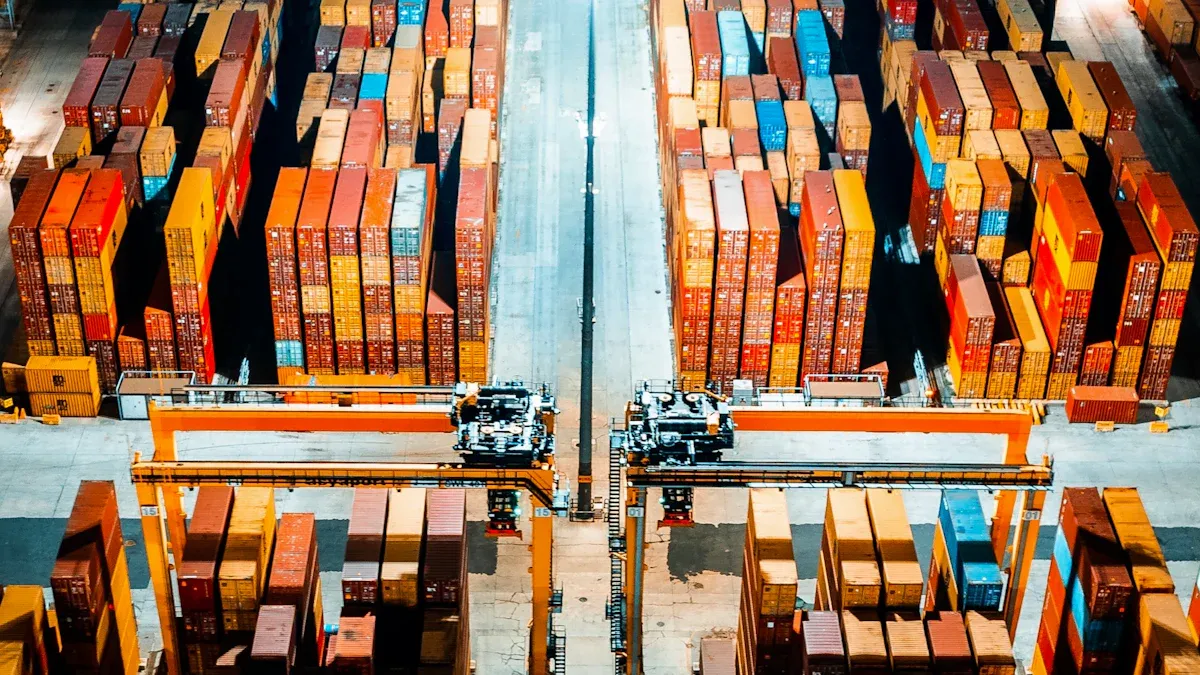
Transportation forms the backbone of international logistics. It involves moving goods across borders using various modes such as air, sea, rail, and road. Each mode offers unique advantages depending on the type of goods, delivery timelines, and cost considerations. For instance, air freight ensures faster delivery for high-value or perishable items, while sea freight is more economical for bulk shipments.
Efficient transportation management directly impacts the success of global supply chains. Studies show that improved logistics performance enhances trade growth and reduces costs. For example:
-
Logistics performance significantly affects bilateral trade, as seen in research on the China-Europe Express.
-
Countries with higher logistics performance indexes (LPI) experience increased trade openness and economic development.
-
Enhanced cross-border logistics boosts agricultural trade competitiveness, especially in regions like western China.
To optimize transportation, you should consider factors like route planning, carrier selection, and real-time tracking. These strategies help reduce delays, improve reliability, and ensure smooth supply chain operations.
Warehousing and Storage
Warehousing and storage play a critical role in international supply chain management. They provide a secure space to store goods before distribution, ensuring inventory is readily available to meet customer demands. Modern warehousing solutions often include advanced technologies like automated storage systems and climate control for sensitive products.
The strategic placement of warehouses can significantly reduce delivery times and costs. For example:
-
Companies using regional warehouses report a 15% to 30% reduction in last-mile delivery costs.
-
Real-time tracking technologies have led to a 20% increase in on-time deliveries globally.
-
Shein, a global retailer, uses multiple warehouses worldwide to process orders faster and enhance delivery speed.
By integrating warehousing and distribution strategies into your logistics plan, you can improve order fulfillment and customer satisfaction. This approach also helps streamline supply chain operations and minimize disruptions.
Inventory Management
Inventory management ensures the right products are available at the right time and in the right quantities. It is a vital component of international logistics, as poor inventory control can lead to financial losses, waste, and supply chain disruptions. Efficient inventory management enhances profitability and operational visibility by maintaining a steady flow of goods.
Accurate inventory forecasting prevents overstocking or understocking, aligning supply with demand. Businesses that invest in robust inventory systems often experience fewer disruptions and better liquidity. For example, real-time inventory tracking allows companies to respond quickly to changes in demand, ensuring seamless order fulfillment.
Incorporating inventory management into your logistics strategy helps optimize supply chain operations and supports the overall efficiency of global supply chains.
Customs and Compliance
Customs and compliance are critical aspects of international logistics. They ensure that goods move across borders legally and efficiently. You must adhere to customs and regulations to avoid penalties, delays, or disruptions in your supply chain. These rules vary by country and often involve complex documentation, tariffs, and trade agreements.
Non-compliance can have significant consequences:
-
Financial penalties for violations can reach millions of dollars.
-
Delays caused by improper documentation disrupt supply chains.
-
The overall risk of compliance failure can be calculated using models like R = ∑i=1npi×ci, where R represents the total risk, pi is the probability of failure, and ci is the potential cost.
To navigate customs and regulations effectively, you should:
-
Stay updated on international trade laws and agreements.
-
Use digital tools to manage documentation and track shipments.
-
Partner with customs brokers who specialize in global trade.
By prioritizing compliance, you can minimize risks and ensure smooth logistics operations. This approach not only saves costs but also builds trust with customers and partners.
Technology and Automation
Technology and automation have revolutionized international logistics. They streamline operations, reduce human error, and enhance efficiency. Companies that adopt advanced tools often experience faster deliveries and higher customer satisfaction.
The logistics sector has embraced technologies like Transportation Management Systems (TMS) and automation tools. These innovations improve real-time tracking, optimize routes, and reduce costs. For example:
-
The TMS market is expected to grow from USD 78.20 billion in 2021 to USD 150.66 billion by 2026.
-
Companies implementing TMS report up to an 8% reduction in freight costs.
Automation technologies also redefine supply chain management. Robots and AI-powered systems handle tasks like order fulfillment and inventory tracking. Leading companies like Amazon and Walmart use robots to process orders quickly and accurately. This reduces delivery times and enhances operational efficiency.
By leveraging technology, you can make data-driven decisions and stay competitive in the global market. Advanced algorithms and data science enable quicker responses to supply chain challenges, ensuring your logistics operations remain resilient and cost-effective.
Challenges in International Logistics
International logistics often faces obstacles that can disrupt the smooth flow of goods across borders. These challenges require careful planning and proactive strategies to minimize their impact on global supply chains.
Regulatory and Compliance Issues
Navigating the complex web of international shipping policy and regulations can be daunting. Each country has unique customs requirements, tariffs, and trade agreements. Failing to comply with these rules can lead to delays, financial penalties, or even the seizure of goods. For example, in 2017, Amazon faced a $91,000 fine from the Federal Aviation Administration (FAA) after a hazardous item was improperly declared during transport.
You can reduce compliance risks by monitoring key performance indicators (KPIs). These metrics include the accuracy of customs documentation, the proper handling of hazardous materials, and the frequency of compliance-related incidents. Using KPIs allows you to identify and address issues quickly, saving time and money.
Staying updated on international trade laws and leveraging digital tools for documentation can help you navigate these challenges effectively.
Transportation Delays and Costs
Transportation delays and rising costs are among the most significant challenges in international logistics. Factors such as port congestion, factory shutdowns, and seasonal demand spikes can disrupt shipping schedules. For instance:
-
Freight costs often surge before Chinese New Year as businesses rush to fulfill orders.
-
Factory closures during the holiday period halt production for weeks.
-
Post-holiday backlogs create additional delays as factories struggle to resume operations.
These disruptions can increase transit times and affect customer satisfaction. Late shipments, caused by customs delays or long distances, further complicate the situation. A recent study highlighted that poor returns management for international orders also impacts profits and customer loyalty.
|
Challenge |
Description |
|
Late shipments |
Increased transit times due to distance and customs delays, affecting customer expectations. |
|
International customs & taxes |
Need for accurate tariff codes and documentation to avoid legal issues and costly delays. |
|
Poor returns management |
Complications in handling returns for international orders, impacting customer satisfaction and profits. |
To mitigate these issues, you should focus on route optimization, real-time tracking, and building strong relationships with reliable carriers. These strategies can help you manage costs and ensure timely deliveries.
Cultural and Language Barriers
Cultural differences and language barriers can hinder effective communication in international logistics. Misunderstandings often arise when trading partners come from diverse cultural backgrounds. A survey revealed that 42% of respondents experienced misinterpretations due to cultural differences, while 35% encountered language barriers during trade interactions.
Using a common language can significantly improve trade effectiveness. In fact, 94.86% of traders agreed that clear communication enhances logistics operations. However, cultural nuances, such as differing business practices and negotiation styles, can still pose challenges.
To overcome these barriers, you should invest in cultural training for your team and use professional translation services. Building strong relationships with local partners who understand the regional market can also help you navigate these complexities.
Risk Management and Security Concerns
Risk management and security concerns are critical in international logistics. You must address these challenges to protect your supply chain from disruptions and ensure the safe delivery of goods. Risks can arise from various factors, including theft, natural disasters, cyberattacks, and geopolitical instability.
Identifying Potential Risks
The first step in managing risks involves identifying potential threats to your logistics operations. Common risks include:
-
Theft and Pilferage: Goods in transit are vulnerable to theft, especially high-value items.
-
Natural Disasters: Events like hurricanes, earthquakes, or floods can disrupt transportation routes.
-
Cybersecurity Threats: Hackers may target your logistics systems, compromising sensitive data.
-
Political Instability: Trade embargoes, sanctions, or conflicts can halt shipments unexpectedly.
By understanding these risks, you can develop strategies to mitigate their impact on your supply chain.
Implementing Risk Mitigation Strategies
To safeguard your logistics operations, you should implement proactive measures. These strategies help minimize disruptions and ensure the smooth flow of goods across borders. Consider the following approaches:
-
Invest in Security Measures: Use GPS tracking, surveillance cameras, and secure packaging to protect goods during transit.
-
Diversify Transportation Routes: Avoid relying on a single route or carrier. This reduces the impact of disruptions caused by natural disasters or political issues.
-
Strengthen Cybersecurity: Protect your logistics systems with firewalls, encryption, and regular software updates.
-
Purchase Insurance: Comprehensive insurance coverage can help you recover losses from theft, damage, or delays.
Monitoring and Responding to Risks
Continuous monitoring is essential for effective risk management. You should use real-time tracking systems to monitor shipments and identify potential issues. For example, if a shipment faces delays due to bad weather, you can reroute it to avoid further disruptions.
Developing a contingency plan is equally important. This plan should outline steps to take during emergencies, such as contacting alternative carriers or activating backup warehouses. A well-prepared response minimizes downtime and ensures customer satisfaction.
The Role of Collaboration in Risk Management
Collaboration with logistics partners strengthens your ability to manage risks. Reliable partners can provide valuable insights into local regulations, security protocols, and potential threats. Building strong relationships with carriers, customs brokers, and warehouse operators enhances your overall resilience.
By prioritizing risk management and security, you can protect your supply chain from unforeseen challenges. This approach not only ensures the safety of your goods but also builds trust with customers and partners.
Strategies for Optimizing International Logistics
Leveraging Technology and Data Analytics
Technology and data analytics play a transformative role in international logistics. By analyzing historical data, you can identify efficient delivery routes, reducing travel times and fuel consumption. Predictive analytics helps you forecast demand, ensuring optimal inventory levels and minimizing storage costs. For example, IoT-enabled systems monitor vehicle performance, allowing you to schedule maintenance before breakdowns occur. This approach improves operational efficiency and prevents costly delays.
Real-time data enhances customer experience by providing accurate shipment tracking and timely updates. It also enables you to make informed decisions based on current trends rather than relying on intuition. For instance, predictive analytics identifies potential disruptions, helping you develop contingency plans to maintain smooth operations.
|
Area of Impact |
Description |
|
Transportation Efficiency |
Optimized routes reduce travel times and fuel usage. |
|
Inventory Management |
Demand forecasting minimizes stockouts and storage expenses. |
|
Predictive Maintenance |
IoT systems predict maintenance needs, avoiding unexpected breakdowns. |
|
Customer Experience |
Real-time tracking builds trust and improves satisfaction. |
|
Risk Management |
Predictive analytics identifies disruptions and aids in contingency planning. |
Building Strong Partnerships with Logistics Providers
Strong partnerships with logistics providers enhance supply chain resilience. Collaborative relationships based on trust and mutual benefit help you navigate disruptions effectively. For instance, during the COVID-19 pandemic, companies with reliable suppliers secured critical components while others faced shortages. Long-standing partnerships also foster joint innovation, enabling you to implement cost-saving measures and sustainable practices.
Working closely with logistics providers allows you to streamline shipping routes and allocate resources efficiently. This collaboration ensures stability during crises and helps you adapt quickly to changing circumstances. By evaluating partner performance metrics, you can identify reliable providers who align with your goals and contribute to better international logistics.
-
Benefits of strong partnerships:
-
Streamlined shipping routes during fuel crises.
-
Joint innovation during disruptions.
-
Stability and quick adaptation during global challenges.
-
Streamlining Customs and Compliance Processes
Streamlining customs and compliance processes reduces costs and improves operational efficiency in international logistics. Digital customs platforms simplify documentation, saving you time and minimizing errors. Businesses using these platforms report a 50% reduction in compliance costs compared to manual methods. Additionally, adopting digital technologies increases efficiency by 10-15%, enabling quicker processing and lower expenses.
According to the World Bank, digital customs systems significantly cut compliance costs, while McKinsey & Company highlights their role in boosting operational efficiency. By staying updated on trade regulations and leveraging digital tools, you can ensure smooth customs clearance and avoid costly delays. This approach not only enhances effective international logistics management but also builds trust with customers and partners.
Implementing Sustainable Practices
Sustainable practices in logistics not only benefit the environment but also reduce operational costs. By adopting eco-friendly strategies, you can make your supply chain more efficient while meeting growing consumer demands for sustainability.
One effective approach is route optimization. This strategy minimizes fuel consumption by identifying the shortest and most efficient delivery paths. Modernizing your vehicle fleet with fuel-efficient or electric models further reduces emissions. According to the World Economic Forum, these measures can lower fuel costs by 10-15%. This means you save money while contributing to a cleaner planet.
Another impactful practice involves reducing waste in packaging. Using recyclable or biodegradable materials helps decrease landfill contributions. Lightweight packaging also reduces shipping weight, which lowers transportation costs. Many companies have already seen significant benefits from these changes. For example, Deutsche Post DHL reported €1.6 billion in savings over five years through sustainability initiatives. At the same time, they achieved a 30% reduction in carbon emissions.
You can also implement energy-efficient technologies in warehouses. Solar panels, LED lighting, and automated systems reduce energy consumption. These upgrades not only cut costs but also align your operations with global sustainability goals. Additionally, adopting digital tools like Transportation Management Systems (TMS) helps track and optimize resource usage, ensuring minimal waste.
Sustainability in logistics is no longer optional. It is a necessity for businesses aiming to stay competitive in a rapidly changing world. By prioritizing eco-friendly practices, you enhance your brand reputation, reduce costs, and contribute to a healthier environment.
International logistics plays a vital role in connecting global markets and meeting customer expectations. Its key components—transportation, warehousing, inventory management, customs, and technology—work together to ensure efficiency and cost-effectiveness. When these elements align, they create a seamless supply chain that supports business growth and customer satisfaction.
To stay competitive, you must embrace continuous innovation. The logistics industry evolves rapidly, and companies that fail to adapt risk falling behind. Emerging trends like AI-driven decision-making, autonomous delivery vehicles, and IoT-based tracking are reshaping the future. These advancements not only enhance efficiency but also help mitigate risks and improve resilience in a dynamic global market.
By understanding the interconnected nature of international logistics and prioritizing innovation, you can overcome challenges and thrive in an ever-changing landscape.
FAQ
What is the role of customs in international logistics?
Customs ensures goods comply with laws when crossing borders. It involves inspecting shipments, collecting duties, and verifying documentation. You must follow customs regulations to avoid delays or penalties.
How can you reduce transportation costs in international logistics?
You can reduce costs by optimizing shipping routes, consolidating shipments, and choosing cost-effective carriers. Using technology for real-time tracking also helps improve efficiency.
Why is inventory management important in global supply chains?
Inventory management ensures you have the right products available when needed. It prevents overstocking or stockouts, saving costs and improving customer satisfaction.
What technologies improve international logistics?
Technologies like Transportation Management Systems (TMS), IoT tracking, and automation streamline operations. They enhance efficiency, reduce errors, and provide real-time data for better decision-making.
How do cultural differences affect international logistics?
Cultural differences can lead to misunderstandings in communication and business practices. You can overcome these challenges by investing in cultural training and working with local partners.
Related content