
Unlocking Competitive Advantage Through Production Logistics Strategies
Author:XTransfer2025.12.19Production logistics
Efficient production logistics transform manufacturing operations into streamlined systems that drive success. By managing resources, processes, and workflows effectively, you can reduce production defects by up to 15% and eliminate operational waste. Advanced tools like ANOVA provide insights into process variability, allowing you to benchmark performance and optimize resource allocation.
Adopting technology, refining processes, and integrating supply chains amplify these benefits. For instance, companies have increased revenue by 20%, cut supply chain costs by 16%, and improved usable part accuracy by 60%. These strategies not only boost profitability but also enhance brand value and sustainability, giving you a distinct edge in competitive markets.
Understanding Production Logistics
What Is Production Logistics
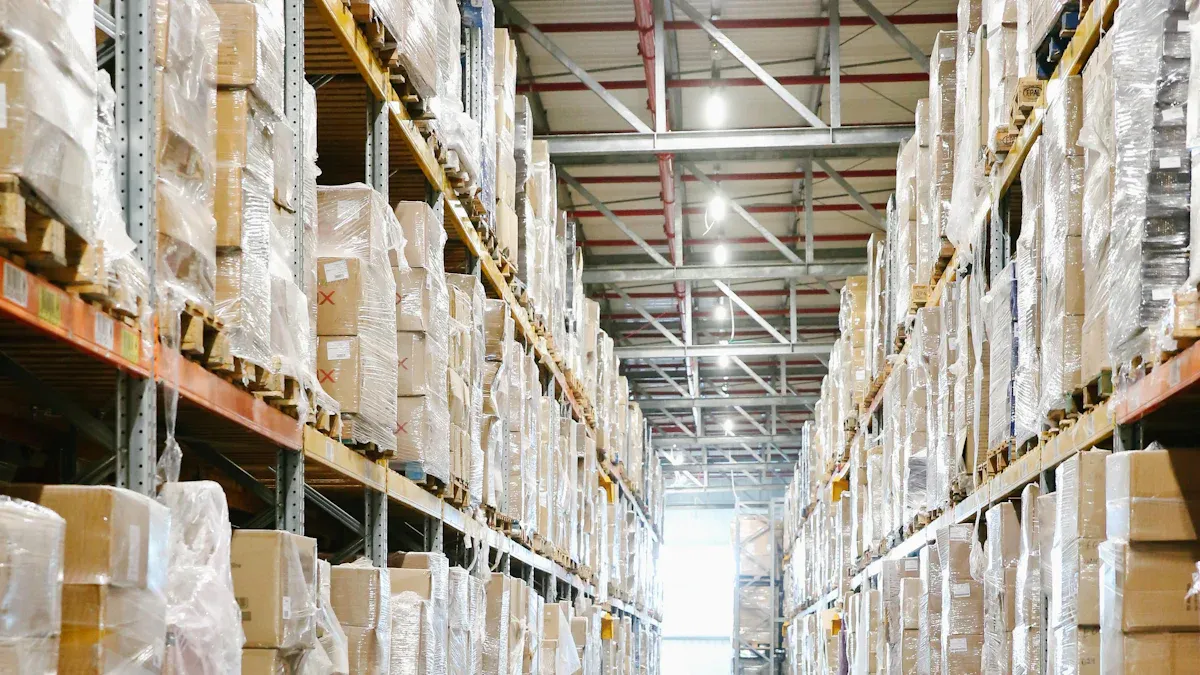
Production logistics focuses on managing the flow of materials and products throughout the production process. It ensures that resources move efficiently from procurement to delivery. You can think of it as the backbone of manufacturing operations, where every step is optimized to reduce waste and improve performance.
Key practices include just-in-time inventory management, which aligns raw material deliveries with production schedules. This approach minimizes storage costs and ensures materials are available exactly when needed. Other priorities include demand planning, selecting reliable suppliers, and ensuring smooth transportation of finished goods. These elements work together to create a seamless production environment.
The Role of Production Logistics in Manufacturing
Production logistics plays a critical role in enhancing manufacturing performance. It ensures that materials, equipment, and labor are used effectively to meet production goals. By streamlining operations, you can reduce delays, improve product quality, and increase customer satisfaction.
Consider these real-world examples:
|
Case Study |
Description |
|---|---|
|
Luxury Product Manufacturer |
Improved inventory management and reduced theft through enhanced logistics. |
|
Poultry Supplier |
Ensured freshness and timely delivery by addressing supply challenges. |
|
Building Products Manufacturer |
Streamlined supply chain operations with customized fleet technology. |
|
Tier 1 Automotive Component Supplier |
Minimized disruptions by optimizing inbound supply chain management. |
These cases highlight how production logistics can transform operations and deliver measurable value.
Key Elements of Production Logistics
Effective production logistics relies on several key elements. First, on-time delivery rates are essential for maintaining customer satisfaction and revenue. Analyzing delivery performance against estimated times helps identify areas for improvement. Second, accurate inventory management reduces discrepancies, which can affect up to 60% of stock-keeping units (SKUs). Correcting these issues can increase sales by 4% to 8%.
Other critical factors include transportation costs and warehouse efficiency. For example, better truckload planning can cut fuel consumption by 10%. Additionally, reducing inventory costs by 15% to 20% is achievable with effective practices. Addressing documentation errors and minimizing damaged goods through improved warehouse design further enhances logistics efficiency.
By focusing on these elements, you can build a robust production logistics system that adds value to your supply chain and strengthens your competitive position.
Strategies for Leveraging Production Logistics
Technology Adoption in Logistics
Adopting advanced technology in logistics management transforms how you handle production logistics. Tools like automation, artificial intelligence (AI), and the Internet of Things (IoT) streamline operations, reduce errors, and improve efficiency. For example, AI-powered systems can predict demand patterns, helping you optimize inventory levels and avoid overstocking or stockouts. IoT devices provide real-time tracking of shipments, ensuring better visibility across the supply chain.
Warehouse automation is another game-changer. Automated guided vehicles (AGVs) and robotic systems speed up material handling, reducing labor costs and minimizing human error. Additionally, cloud-based logistics platforms enable seamless communication between suppliers, manufacturers, and distributors, fostering collaboration and improving decision-making.
By embracing these technologies, you can enhance supply chain visibility, improve delivery accuracy, and reduce operational costs. This approach not only strengthens your logistics management but also positions your business for long-term success in a competitive market.
Process Optimization for Efficiency
Optimizing processes within logistics management ensures that every step in your production logistics system operates at peak efficiency. Start by analyzing key metrics such as lead times, cycle times, and error rates. These metrics provide insights into areas that need improvement. For instance, reducing lead times accelerates product movement through the supply chain, enabling faster time-to-market.
Streamlining workflows is another critical strategy. You can achieve this by eliminating redundant tasks, automating repetitive processes, and standardizing procedures. Improved efficiency reduces costs, enhances customer satisfaction, and minimizes errors. For example, maintaining optimal inventory levels prevents excess stock while ensuring product availability.
The following table highlights key metrics proven to boost efficiency in logistics operations:
|
Metric |
Description |
|---|---|
|
Cost Reduction |
Minimize transportation and operational costs to enhance profitability. |
|
Improved Efficiency |
Streamline processes to reduce lead times and cycle times for faster operations. |
|
Enhanced Customer Service |
Improve order fulfillment and delivery accuracy to boost customer satisfaction. |
|
Reduced Errors and Defects |
Minimize errors in logistics to improve product quality and customer experience. |
|
Optimal Inventory Levels |
Maintain inventory to ensure availability while reducing excess. |
|
Supply Chain Visibility |
Enhance visibility to monitor shipments and anticipate disruptions. |
|
Faster Time-to-Market |
Accelerate product movement through the supply chain for quicker launches. |
|
Environmental Sustainability |
Implement practices to reduce carbon emissions and waste. |
|
Supply Chain Resilience |
Strengthen the supply chain's ability to withstand disruptions. |
|
Compliance and Risk Management |
Ensure compliance with regulations and implement risk mitigation strategies. |
|
Resource Optimization |
Efficiently allocate resources to reduce waste and optimize utilization. |
|
Data-Driven Decision-Making |
Use analytics to drive informed decisions and improve operations. |
|
Innovation and Technology Adoption |
Embrace technologies to enhance efficiency and competitiveness. |
|
Supplier and Partner Collaboration |
Collaborate with partners to improve communication and streamline processes. |
Focusing on these metrics allows you to build a robust and efficient logistics system that delivers measurable value to your business.
Supply Chain Strategy and Integration
A well-defined supply chain strategy is essential for effective logistics management. Integrating supply chain processes ensures seamless coordination between material handling, purchasing, inventory transportation, and supplier communication. This integration prevents issues like under-ordering or over-ordering, stabilizing cash flow and reducing waste.
Real-time visibility is a key benefit of supply chain integration. You can monitor shipments, anticipate disruptions, and respond quickly to changes. This visibility enhances product availability, leading to better delivery times and increased customer satisfaction. Incorporating customer feedback into supply chain processes further refines production plans and optimizes inventory management.
The long-term benefits of integration include cost reductions and resource optimization. Initial investments in technology and infrastructure may seem significant, but they yield substantial savings over time. Better demand forecasting and inventory visibility reduce costs associated with excess stock, while streamlined processes minimize waste.
By adopting a comprehensive supply chain manufacturing strategy, you can enhance your logistics management, improve operational efficiency, and gain a competitive edge in the market.
Data-Driven Decision Making in Logistics
Data-driven decision-making transforms how you manage production logistics. By leveraging analytics and real-time data, you can make informed choices that enhance efficiency, reduce costs, and improve overall operations. This approach allows you to identify patterns, predict outcomes, and implement strategies that align with your business goals.
One of the most significant benefits of data-driven logistics is the ability to monitor supplier performance. Tracking supplier metrics helps you identify underperforming partners and take corrective actions. This ensures reliable deliveries and minimizes disruptions in your supply chain. Additionally, analyzing transportation data allows you to optimize routes and delivery schedules. This reduces lead times, lowers transportation costs, and ensures timely product availability.
You can also use data to manage risks effectively. Historical and real-time data analysis helps you identify potential supply chain risks and implement mitigation strategies. For example, you can predict machinery failures and schedule preventative maintenance. This reduces downtime and prevents unexpected breakdowns, keeping your production cycles running smoothly.
Data analytics also plays a crucial role in improving production efficiency. By identifying bottlenecks in your workflows, you can streamline processes and accelerate production cycles. Real-time data analysis enables you to detect patterns that affect product quality. This allows you to make immediate adjustments, ensuring consistent quality and customer satisfaction.
Inventory management becomes more precise with data-driven insights. Analyzing supply and demand data helps you maintain optimal inventory levels, reducing excess stock and associated costs. This ensures that you always have the right materials available without overstocking. Furthermore, effective supplier management becomes easier when you rely on data to ensure timely deliveries and minimize disruptions.
Incorporating data-driven decision-making into your logistics strategy empowers you to stay ahead in a competitive market. By using data to guide your decisions, you can optimize every aspect of your production logistics, from supplier management to inventory control. This approach not only enhances operational efficiency but also positions your business for long-term success.
Benefits of Effective Production Logistics Strategies
Cost Reduction and Profitability
Effective logistics management directly impacts your bottom line by reducing costs and increasing profitability. Streamlining operations, optimizing transportation, and consolidating shipments can significantly lower expenses. For example:
-
Efficient shipment consolidation can reduce transportation costs by up to 20%.
-
Logistics expenses often account for 30-50% of total operating costs for trucking companies.
By adopting strategies like automation and agile process improvement, you can minimize waste and maximize supply chain efficiency. Shorter lead times and better inventory control also contribute to cost savings. These practices not only improve your financial performance but also enhance the value you deliver to customers.
Enhanced Operational Efficiency
Advanced production logistics strategies improve operational efficiency by optimizing workflows and reducing delays. Adjusting schedules based on demand insights, for instance, can lead to an 18% improvement in delivery efficiency. Here’s how specific strategies impact efficiency:
|
Evidence Description |
Impact on Operational Efficiency |
|---|---|
|
Adjusting schedules based on peak demand insights led to improved delivery efficiency by 18%. |
18% improvement in delivery efficiency |
|
A 5% reduction in delivery time resulted in a 12% increase in supply chain responsiveness. |
12% improvement in responsiveness |
|
Logistic regression models improved on-time delivery metrics by 10-20%. |
10-20% improvement in on-time delivery |
|
Predictive analytics for demand forecasting achieved a 25% improvement in inventory accuracy. |
25% improvement in inventory accuracy |
These improvements highlight the importance of data-driven decision-making and smart supply chains. By leveraging predictive analytics and automation, you can achieve shorter lead times, enhance supply chain visibility, and ensure consistent quality and reliability. This level of efficiency strengthens your competitive supply chain and positions your business for long-term success.
Improved Customer Satisfaction
Effective logistics management plays a crucial role in enhancing the customer experience. Timely deliveries, accurate order fulfillment, and streamlined processes contribute to higher satisfaction levels. Studies show that:
-
Timely deliveries improve customer experiences and foster brand loyalty.
-
Streamlining logistics processes through techniques like kaizen minimizes waste and enhances order fulfillment.
When you prioritize collaboration and innovation in your logistics strategy, you can better meet customer expectations. Improved supply chain efficiency ensures that products reach customers on time, boosting their trust in your brand. Additionally, design flexibility and interchangeability in your manufacturing supply chain allow you to adapt quickly to changing customer demands. These efforts not only improve satisfaction but also create a competitive advantage in the market.
Gaining a Competitive Advantage
Gaining a competitive advantage in today’s fast-paced market requires a robust logistics management approach. By implementing effective strategies, you can streamline operations, reduce costs, and deliver exceptional value to your customers. A well-executed logistics system not only enhances your operational efficiency but also positions your business as a leader in the industry.
One way to achieve this is through supply chain automation. Automated processes, such as robotics and AI-driven systems, allow you to handle tasks with greater speed and accuracy. For instance, Amazon employs over 750,000 robots in its supply chain. This approach has significantly reduced operational costs while improving efficiency. By adopting similar technologies, you can maximize supply chain performance and stay ahead of competitors.
Another critical factor is leveraging supply chain technology to improve decision-making. Advanced analytics provide insights into demand patterns, inventory levels, and supplier performance. A Supply Chain Digest Benchmark Study revealed that while only 23.4% of organizations currently use advanced analytics, nearly 90% recognize its potential for proactive supply chain management. By integrating these tools into your logistics management, you can anticipate challenges, optimize lead times, and enhance quality and reliability.
Collaboration and innovation also play a vital role in securing a competitive edge. Procter & Gamble (P&G) demonstrates this by using a standardized data warehouse to automate commerce between suppliers and retailers. This system minimizes errors and ensures improved supply chain efficiency. By fostering strong partnerships and embracing innovative practices, you can create a seamless supply chain that adapts to market demands.
Adopting a comprehensive supply chain manufacturing strategy further strengthens your position. This strategy involves aligning logistics management with your business goals to ensure consistent value delivery. For example, reducing lead times and improving inventory accuracy not only enhances customer satisfaction but also boosts your brand’s reputation. These best practices for logistics management enable you to build a resilient supply chain that withstands disruptions and maintains operational excellence.
Incorporating these elements into your logistics management strategy ensures long-term success. By focusing on automation, technology, and collaboration, you can maximize supply chain performance and deliver unmatched value to your customers. This approach not only secures a competitive advantage but also establishes your business as a trusted leader in the market.
Overcoming Challenges in Production Logistics
Addressing Resistance to Change
Resistance to change often arises when employees feel uncertain about new processes or technologies. You can overcome this by fostering open communication and involving your team in the transition. Create a change communication plan to address concerns and gather feedback. Engaging employees in discussions helps them feel valued and reduces resistance.
Training programs play a crucial role in easing transitions. Provide onboarding, reskilling, and upskilling opportunities to equip your workforce with the skills needed for new systems. Offering self-help resources, such as detailed guides and support tools, ensures employees can adapt at their own pace. Allocating sufficient resources, including technology and budget, further supports a smooth change process.
By addressing resistance proactively, you can build a culture that embraces innovation and strengthens your logistics management practices.
Managing Supply Chain Complexity
Supply chains are inherently complex due to the integration of multiple firms, diverse organizational cultures, and varying technologies. You can simplify this complexity by improving visibility and fostering collaboration. Sharing critical information across the supply chain ensures better coordination and reduces uncertainty.
For example, a food processing company streamlined its procurement processes and reduced inventory costs by adopting a centralized demand planning model. This approach enhanced forecast accuracy and improved supply chain visibility. Similarly, managing supply chain disruptions caused by natural disasters or political instability requires robust contingency plans and real-time monitoring.
Effective logistics management involves addressing challenges like labor shortages, rising fuel costs, and regulatory compliance. By tackling these issues, you can create a resilient supply chain that adapts to changing demands.
Ensuring Scalability and Flexibility
Scalability and flexibility are essential for adapting to market fluctuations and customer needs. You can achieve this by investing in automation and workforce adaptability. For instance, increasing your automation adoption rate reduces reliance on manual labor and ensures consistent performance during peak demand.
Metrics like process downtime and system performance under load help you identify areas for improvement. Retraining employees to handle multiple roles enhances staff flexibility, which is crucial for scaling operations. Maintaining customer satisfaction during growth is equally important. Metrics like the Net Promoter Score (NPS) and customer retention rate ensure your logistics management efforts align with customer expectations.
By focusing on scalable and flexible solutions, you can future-proof your logistics management system and maintain a competitive edge.
Solutions for Common Logistics Bottlenecks
Logistics bottlenecks can disrupt your operations and impact your overall efficiency. Addressing these challenges requires proactive strategies that streamline processes and improve logistics management. Here are some effective solutions:
-
Improve Inventory Forecasting
Accurate inventory forecasting helps you manage stock levels efficiently. By analyzing historical data and market trends, you can predict demand and avoid overstocking or stockouts. This ensures smoother operations and reduces unnecessary costs. -
Analyze Data to Determine Root Causes
Identifying the root causes of delays is essential for resolving bottlenecks. Use data analytics to pinpoint specific issues, such as transportation delays or supplier inefficiencies. Once identified, you can implement targeted solutions to address these problems. -
Promote Supply Chain Process Mapping
Visualizing your supply chain processes allows you to spot inefficiencies. Process mapping highlights areas where delays occur, enabling you to redesign workflows for better logistics management. -
Analyze Demand Patterns
Understanding demand patterns prepares you for traffic surges. By anticipating peak periods, you can allocate resources effectively and prevent bottlenecks during high-demand times. -
Create Effective Capacity Planning
Matching your resources with demand ensures that your operations run smoothly. Capacity planning helps you avoid overloads by balancing production schedules and workforce availability. -
Work with Suppliers and Partners
Strong communication with suppliers and partners minimizes delays. Regular updates and collaborative planning improve coordination, ensuring timely deliveries and efficient logistics management. -
Embrace Technology and Automation
Automation reduces errors and speeds up processes. Tools like warehouse management systems and automated guided vehicles streamline operations, enhancing overall efficiency. -
Diversify Supply Sources
Relying on multiple suppliers reduces risks associated with disruptions. Diversification ensures that your supply chain remains resilient, even during unexpected challenges.
Implementing these solutions strengthens your logistics management system. By addressing bottlenecks proactively, you can enhance efficiency, reduce costs, and maintain a competitive edge.
Production logistics plays a vital role in helping you achieve a competitive advantage. By managing resources effectively and streamlining operations, you can enhance your supply chain's efficiency and responsiveness. Strategies like adopting technology, optimizing processes, and integrating supply chains have proven to deliver measurable benefits. For example:
-
Logistics improvements have enhanced global competitiveness by addressing supply chain complexities.
-
Tools like ANOVA have identified inefficiencies, leading to cost savings and better operational throughput.
Assessing your logistics processes allows you to uncover hidden opportunities for growth. Prioritize innovation to build a resilient supply chain that adapts to market demands and positions your business for long-term success.
FAQ
What is the main goal of production logistics?
Production logistics aims to ensure smooth material flow during manufacturing. It reduces waste, improves efficiency, and aligns resources with production schedules. This creates a streamlined process that enhances operational performance and customer satisfaction.
How can technology improve production logistics?
Technology automates repetitive tasks and provides real-time data insights. Tools like IoT devices track shipments, while AI predicts demand patterns. These innovations reduce errors, optimize inventory, and improve supply chain visibility.
Why is supply chain integration important?
Integration connects suppliers, manufacturers, and distributors. It ensures better communication, reduces delays, and improves product availability. This coordination enhances efficiency and strengthens your ability to meet customer demands.
What are common challenges in production logistics?
Challenges include resistance to change, supply chain complexity, and scalability issues. Addressing these requires proactive strategies like automation, workforce training, and improved communication with suppliers.
How does data-driven decision-making benefit logistics?
Data-driven decisions identify inefficiencies and predict risks. Analytics optimize routes, improve inventory accuracy, and enhance supplier performance. This approach boosts operational efficiency and reduces costs.
Related content