
Understanding Three-Document Consistency in Maritime Shipping
Author:XTransfer2025.12.04Three Documents Consistency
In maritime shipping, three documents consistency refers to the alignment of the bill of lading, commercial invoice, and packing list. These documents must match to ensure a seamless shipping process. Customs officials carefully compare the details across these records. For instance, the packing list must align with the commercial invoice to avoid customs holds. Similarly, mismatches between the bill of lading and the invoice can create clearance issues. Accurate three documents consistency prevents delays, reduces disputes, and ensures compliance with shipping regulations. By maintaining this consistency, you can avoid unnecessary complications and keep your cargo moving efficiently.
The Three Essential Transport Documents
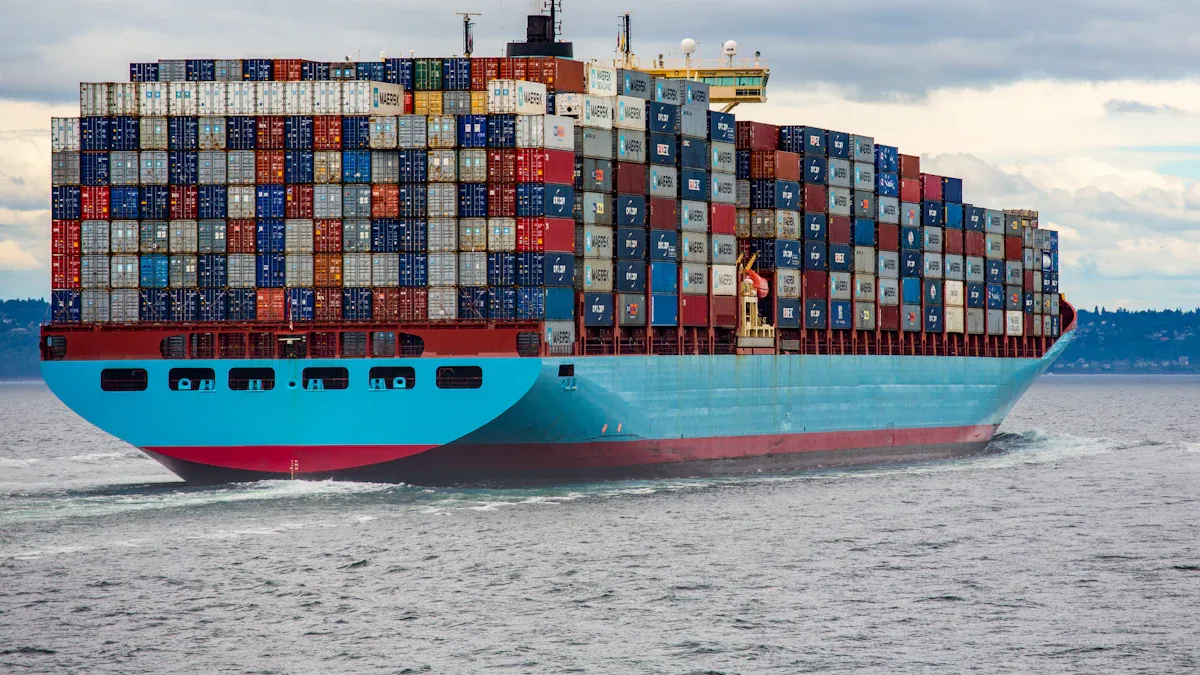
Bill of Lading: A Key Document in Maritime Shipping
The bill of lading is one of the most important shipping documents in maritime transport. It serves as a contract between you and the carrier, confirming that the goods have been received in good condition. This document also acts as a receipt and provides proof of ownership. Without it, you may face challenges in claiming your shipment or resolving disputes.
The bill of lading includes critical details such as the type of goods, quantity, and destination. It ensures that everyone involved in the shipping process has accurate information. For example, if the details on the bill of lading do not match the other transport documents, customs officials may delay the shipment. This makes it essential to double-check the accuracy of this document before shipping.
Commercial Invoice: Detailing the Value of Goods
The commercial invoice is another key document in maritime shipping. It provides a detailed breakdown of the goods being shipped, including their value. Customs authorities rely on this document to calculate duties and taxes. You must declare the true value of each item, which is typically the price paid by the buyer. Failure to do so can lead to fines, penalties, or even legal consequences.
For instance, customs officials use the commercial invoice to verify that the declared value matches the shipment contents. Accurate information on this document not only ensures compliance but also helps avoid unnecessary delays. By providing a clear and truthful commercial invoice, you can streamline the customs clearance process.
Packing List: Verifying Shipment Contents
The packing list is a detailed overview of the shipment's contents. It includes information such as the type of goods, quantity, and packaging details. This document plays a vital role in verifying shipment accuracy and reducing logistical errors.
Packing lists are essential for customs clearance, as they help officials confirm that the shipment matches the declared information. They also assist in inventory management by allowing you to track goods and resolve discrepancies. For example, if an item is damaged or missing, the packing list can serve as evidence for insurance claims. Additionally, it helps freight forwarders optimize cargo space and plan loading and unloading efficiently.
|
Function |
Description |
|---|---|
|
Customs clearance |
Packing lists help customs authorities verify shipment contents, expediting the clearance process. |
|
Inventory management |
They allow shippers and receivers to verify shipped items against orders, ensuring accuracy. |
|
Dispute resolution |
Packing lists provide documentary evidence for resolving discrepancies or damages in shipments. |
|
Facilitating logistics |
They assist freight forwarders in planning loading and unloading, optimizing cargo space. |
|
Enhanced accuracy |
Detailed inventories minimize errors in order fulfillment and reduce incorrect shipments. |
|
Improved efficiency |
Streamlining processes leads to faster turnaround times in logistics operations. |
|
Better communication |
They facilitate clear communication among all parties, reducing misunderstandings. |
|
Cost savings |
Preventing delays and errors leads to significant cost savings in logistics. |
|
Legal protection |
They serve as valuable documentation in disputes or insurance claims. |
By ensuring that your packing list is accurate and detailed, you can avoid logistical issues and maintain smooth operations.
Understanding Three-Document Consistency
What is Three-Document Consistency?
Three-document consistency refers to the alignment of critical details across the bill of lading, commercial invoice, and packing list. These transport documents must match to ensure the smooth international carriage of goods. For example, the quantity of goods listed on the packing list should correspond to the amount declared on the commercial invoice. Similarly, the bill of lading must reflect accurate shipment details, such as the type of goods and their destination.
This consistency is essential because these documents serve multiple purposes in maritime shipping. They act as proof of the contract of carriage, facilitate customs clearance, and help resolve disputes. When these documents align, they create a seamless flow of information, reducing the risk of errors or delays. Without three-document consistency, you may face challenges such as shipment holds, financial penalties, or even legal complications.
Common Issues with Inconsistent Transport Documents
Inconsistencies between transport documents can lead to significant problems in maritime shipping. These discrepancies often arise due to human error, miscommunication, or outdated information. Below are some common issues caused by discrepancies between documents:
|
Issue Type |
Explanation |
|---|---|
|
Delayed or rejected shipments |
Missing or incorrect documentation can lead to carriers or customs refusing to accept or clear shipments, resulting in wasted time and resources. |
|
Fines or penalties |
Non-compliance with tax, customs, or security requirements can expose shippers or receivers to additional fees, inspections, or confiscations, affecting cash flow and creating legal risks. |
|
Lost or damaged goods |
Inaccurate documentation can make it difficult to track or claim goods, leading to inventory discrepancies and customer dissatisfaction. |
|
Miscommunication or confusion |
Incomplete or outdated documentation can create ambiguity about roles and responsibilities, resulting in disputes and delays in the transportation process. |
These issues highlight the importance of ensuring that all transport documents are accurate and consistent. For instance, if the sea waybill contains incorrect shipment details, customs officials may delay the clearance process, causing financial losses and operational inefficiencies.
Consequences of Inconsistencies in Maritime Shipping
Inconsistent transport documents can have far-reaching consequences for your shipping operations. These issues not only disrupt the flow of goods but also create financial and legal risks. Below are some of the key consequences:
-
Customs Delays: Customs officials rely on accurate transport documents to verify shipments. Any discrepancies between documents can result in inspections, delays, or even shipment rejections.
-
Increased Costs: Errors in documentation can lead to fines, penalties, or additional storage fees. For example, if the declared value on the commercial invoice does not match the packing list, customs may impose extra duties or penalties.
-
Legal Disputes: Inconsistent documents can complicate the resolution of disputes. For instance, if the bill of lading does not match the commercial invoice, it may be challenging to prove the terms of the contract of carriage.
-
Damaged Reputation: Frequent documentation errors can erode trust among stakeholders, including customers, carriers, and customs authorities. This can harm your business relationships and reduce your competitiveness in the market.
By prioritizing three-document consistency, you can mitigate these risks and ensure the efficient movement of goods across borders. Accurate documentation safeguards your operations and strengthens your position in the global shipping industry.
The Importance of Three-Document Consistency
Facilitating Smooth Customs Clearance
Customs clearance is a critical step in the international carriage of goods. Accurate transport documents ensure this process runs smoothly. When the bill of lading, commercial invoice, and packing list align, customs officials can quickly verify shipment details. This reduces the likelihood of inspections or delays. For example, if the declared value on the commercial invoice matches the packing list, customs authorities can calculate duties without additional scrutiny.
Inconsistent documents, however, can lead to shipment holds or rejections. Customs officials may request corrections or additional paperwork, which wastes time and resources. By maintaining three-document consistency, you can avoid these setbacks and ensure your goods reach their destination on time. This alignment also simplifies the import customs declaration process, making it easier to comply with international conventions.
Reducing Legal and Financial Risks
Errors in transport documents can expose you to significant legal and financial risks. For instance, discrepancies between the bill of lading and the commercial invoice can result in fines or penalties. These issues often arise when the shipment details do not match the terms of the contract of carriage. Customs authorities may impose additional duties, and carriers might refuse to transport the goods.
Legal disputes can also emerge from inconsistent documentation. If the sea waybill contains incorrect information, proving ownership or resolving claims becomes challenging. Accurate documents act as a safeguard, protecting you from such complications. They also ensure compliance with international conventions, which govern the carriage of goods by sea. By prioritizing document accuracy, you can minimize risks and maintain smooth operations.
Building Trust Among Shipping Stakeholders
Consistency in transport documents fosters trust among all parties involved in maritime shipping. Stakeholders, including carriers, customs officials, and buyers, rely on accurate documentation to fulfill their roles effectively. When your documents are consistent, you demonstrate professionalism and reliability, which strengthens these relationships.
Studies show a strong correlation between document consistency and stakeholder trust. For example:
-
The Pearson coefficient of 0.796 highlights a robust link between stakeholders' trust and their roles in shipping operations.
-
This relationship is supported by a 99% confidence level, indicating high reliability in the data.
These findings emphasize the importance of maintaining accurate and consistent documents. Trust is essential for long-term partnerships and smooth operations. By aligning your transport documents, you not only comply with legal requirements but also build a reputation for reliability in the global shipping industry.
Best Practices for Ensuring Consistency
Using Digital Tools for Document Management
Digital tools can simplify the management of transport documents and reduce errors. These tools allow you to automate processes, ensuring that critical details align across the bill of lading, commercial invoice, and packing list. For example, software solutions can flag discrepancies in real time, helping you address issues before they escalate. Automation also reduces the risk of human error, which is a common cause of inconsistencies.
Incorporating digital tools into your workflow offers several benefits. You can store and retrieve documents easily, track changes, and maintain a clear audit trail. This transparency builds trust among stakeholders and ensures compliance with international conventions. Additionally, many tools integrate with customs systems, streamlining the import customs declaration process. By adopting these technologies, you can enhance efficiency and accuracy in your shipping operations.
Double-Checking Information Across Documents
Double-checking information is a simple yet effective way to maintain consistency. Before dispatching goods, review all transport documents to ensure they match. Verify that the quantities, descriptions, and values listed on the packing list align with the commercial invoice. Cross-check these details with the bill of lading to confirm accuracy.
Studies show that 67% of shippers face delivery issues due to errors in documentation. Double-checking can help you avoid problems like delivery to the wrong address or mishandling hazardous goods. It also minimizes the risk of fines or legal action, which can arise from non-compliance with regulations. By taking the time to review your documents, you can prevent costly mistakes and ensure smooth carriage of goods.
Enhancing Communication Between Parties
Clear communication among all parties involved in the shipping process is crucial for maintaining document consistency. Miscommunication often leads to errors, such as outdated information on the sea waybill or discrepancies in the contract of carriage. To avoid these issues, establish open lines of communication with carriers, customs officials, and buyers.
Regular updates and feedback loops can help you identify and resolve inconsistencies quickly. For instance, if a discrepancy arises during customs clearance, prompt communication can prevent delays. Transparent communication also fosters trust and strengthens relationships with stakeholders. By prioritizing collaboration, you can ensure that everyone works together to maintain accurate and consistent transport documents.
Training Teams on Documentation Standards
Training your team on documentation standards is essential for maintaining accuracy in maritime transport. Proper training ensures that everyone involved understands the importance of consistent and error-free documents. This reduces the risk of legal complications and improves the efficiency of your shipping operations.
Start by educating your team on the purpose and significance of key documents like the bill of lading, commercial invoice, and packing list. Explain how these documents form the foundation of the contract of carriage and why their alignment is critical. For example, mismatched details can lead to customs delays or even legal disputes. By understanding these risks, your team will appreciate the need for precision.
Provide clear guidelines for filling out transport documents. Use real-world examples to highlight common errors and their legal implications. For instance, incorrect values on a commercial invoice can result in fines or penalties. Training sessions should also cover dispute resolution processes, emphasizing how accurate documentation can prevent conflicts.
Interactive workshops can be an effective way to reinforce learning. Role-playing exercises, where team members simulate real shipping scenarios, can help them practice identifying and correcting errors. Additionally, consider creating a checklist for your team to follow when preparing documents. This ensures consistency and reduces the likelihood of mistakes.
Investing in training not only minimizes errors but also builds confidence among your staff. A well-trained team can handle documentation tasks efficiently, ensuring smooth operations and protecting your business from legal risks.
Three-document consistency plays a vital role in maritime shipping. Accurate alignment of the bill of lading, commercial invoice, and packing list ensures smooth operations, compliance with regulations, and reduced risks. You benefit from faster customs clearance, fewer disputes, and stronger trust among stakeholders.
Adopting best practices like digital tools and team training helps you avoid delays and costly errors. By prioritizing document accuracy, you create a foundation for efficient and successful shipping operations.
FAQ
What is the purpose of three-document consistency in shipping?
Three-document consistency ensures that the bill of lading, commercial invoice, and packing list align. This alignment prevents delays, reduces disputes, and ensures smooth movement of goods through customs. It also helps you comply with international shipping regulations.
How can inconsistent documents affect the shipping process?
Inconsistent documents can cause customs delays, shipment rejections, or additional fees. For example, if the packing list does not match the commercial invoice, customs officials may hold your goods. This disrupts the shipping process and increases costs.
Why is the bill of lading critical for shipping?
The bill of lading serves as a contract, receipt, and proof of ownership for your goods. Without it, you may face challenges claiming your shipment. Accurate details on this document ensure smooth shipping and prevent disputes.
How do digital tools help maintain document consistency?
Digital tools automate document management, reducing errors and ensuring alignment across shipping documents. These tools flag discrepancies in real time, helping you correct issues before they escalate. They also streamline customs processes, saving time and resources.
What are the benefits of training teams on documentation standards?
Training ensures your team understands the importance of accurate shipping documents. It reduces errors, improves efficiency, and minimizes legal risks. A well-trained team can handle documentation tasks confidently, ensuring smooth movement of goods.
Related content