
Leo Freight Emerges as a Global Logistics Powerhouse
Author:XTransfer2025.09.02Leo Freight
Leo Freight has transformed the logistics landscape with its remarkable growth. You witness a company that blends innovation with efficiency to redefine global supply chain operations. By leveraging cutting-edge technology and prioritizing customer satisfaction, Leo Freight has established itself as a leader in the industry. Its commitment to optimizing delivery networks and meeting diverse business needs has set new standards for excellence. This rapid ascent reflects a focus on strategic execution and an unwavering dedication to quality.
The Genesis of Leo Freight
Founding Principles and Vision
You see the roots of Leo Freight firmly planted in a vision to revolutionize logistics. The founders aimed to create a company that prioritized efficiency, transparency, and innovation. They understood that modern businesses needed more than just transportation services. They needed a partner capable of optimizing supply chains and delivering tailored solutions.
Leo Freight’s principles reflect a commitment to excellence. The company embraced technology as a cornerstone of its operations. It sought to integrate advanced systems that could streamline processes and enhance decision-making. This approach allowed Leo Freight to stand out in a competitive market.
"Innovation is the lifeblood of progress," the founders often emphasized. Their vision extended beyond immediate goals, focusing on long-term growth and industry transformation. By aligning their mission with the evolving needs of global trade, they laid the foundation for a logistics powerhouse.
Overcoming Early Challenges
Building Leo Freight into a global leader required overcoming significant hurdles. You can imagine the complexities of entering a crowded market where established players dominated. The company faced challenges in securing partnerships, gaining customer trust, and navigating regulatory landscapes.
To address these obstacles, Leo Freight adopted a proactive strategy. It invested heavily in technology to differentiate itself. Advanced tracking systems and predictive analytics became key tools in improving operational efficiency. The company also prioritized customer satisfaction, ensuring that every service met high standards of reliability and speed.
An unwavering focus on adaptability helped Leo Freight thrive. The team responded to shifting market demands with agility, refining processes and expanding capabilities. These efforts not only resolved initial challenges but also positioned Leo Freight as a trusted name in logistics.
Strategies Driving Leo Freight's Success
Technology Integration in Logistics
You recognize that technology has become the backbone of modern logistics. Leo Freight has embraced technological advancement to enhance operational efficiency and meet customer expectations. By integrating cutting-edge tools, the company has streamlined processes, reduced costs, and improved delivery timelines.
One of the standout features of Leo Freight's approach is its use of autonomous systems for maintenance. These systems perform automated inspections and repairs, ensuring uninterrupted operations. The company has also adopted reusable rockets in its space freight operations, significantly lowering costs and creating new opportunities for growth.
To further simplify compliance and reduce project timelines, Leo Freight has championed the establishment of unified regulatory standards. These benchmarks have not only optimized the supply chain but also set a precedent for new entrants in the industry.
|
Benchmark Type |
Description |
|
Cost Reduction |
Utilizing reusable rockets to lower operational costs in space freight. |
|
Unified Regulatory Standards |
Establishing international standards to simplify compliance and reduce project timelines. |
|
Autonomous Systems for Maintenance |
Implementing automated inspection and repair processes to enhance operational efficiency. |
By leveraging these technological advancements, Leo Freight has positioned itself as a leader in innovation, setting the stage for future growth and industry transformation.
Global Expansion and Supply Chain Optimization
Leo Freight's global expansion strategy has redefined how you view logistics. The company has strategically entered new markets, ensuring its services cater to diverse customer needs. This approach has allowed it to establish a robust presence across continents, creating a seamless network of operations.
Supply chain optimization lies at the heart of this success. Leo Freight has invested in advanced analytics to predict demand patterns and allocate resources efficiently. This proactive approach minimizes delays and ensures timely delivery, even in the face of unforeseen challenges.
The company's ability to adapt to local market dynamics has also played a crucial role. By understanding regional regulations and cultural nuances, Leo Freight has built strong partnerships and gained the trust of its customers. This adaptability has not only strengthened its global footprint but also set a high standard for new entrants in the logistics sector.
Customer-Centric Approach to Service Excellence
You see Leo Freight's commitment to customer satisfaction as a cornerstone of its success. The company has prioritized understanding and exceeding customer expectations, ensuring its services remain reliable and efficient.
One way Leo Freight achieves this is by offering tailored solutions. Whether it's optimizing a supply chain or providing end-to-end freight services, the company ensures every solution aligns with the unique needs of its clients. This personalized approach has fostered long-term relationships and enhanced customer loyalty.
Leo Freight also places a strong emphasis on transparency. By providing real-time updates and clear communication, the company builds trust and ensures a seamless experience for its customers. This focus on service excellence has not only differentiated Leo Freight from its competitors but also created a benchmark for the industry.
Impact on the Logistics Industry
Market Disruption and Competitive Dynamics
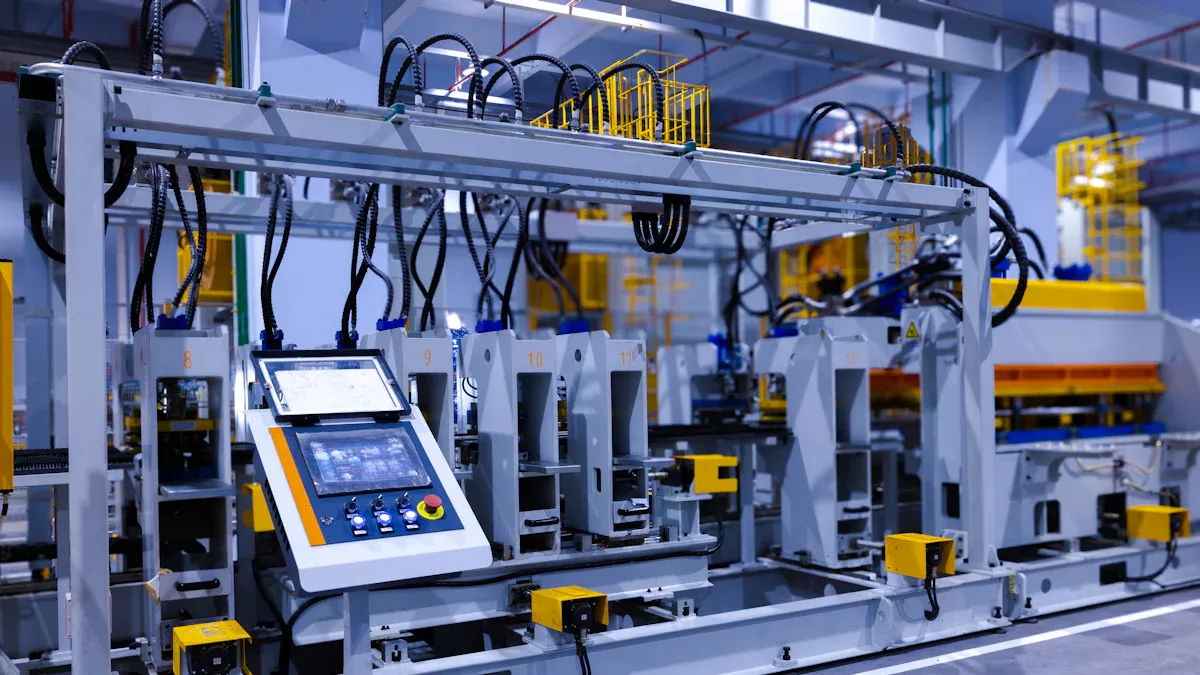
You are witnessing a transformative era in the logistics sector, where companies like Leo Freight are reshaping the competitive landscape. By leveraging advanced technologies and customer-centric strategies, Leo Freight has disrupted traditional logistics models. This disruption has forced established players to rethink their operations and adapt to new market realities.
The entry of innovative logistics companies has intensified competition. You see a shift where businesses prioritize efficiency, speed, and reliability to meet evolving customer demands. Leo Freight's focus on technology integration and supply chain optimization has set a benchmark for others to follow. These advancements have not only enhanced operational efficiency but also created opportunities for new entrants to thrive in the logistics sector.
Innovations Shaping the Future of Logistics
Innovation continues to drive the logistics industry forward. You see groundbreaking trends transforming how logistics companies operate, ensuring they remain competitive in a dynamic environment.
One of the most impactful trends is the adoption of artificial intelligence (AI) in supply chain management. AI enhances demand forecasting, enabling better inventory optimization and reducing waste. Hyperautomation is another game-changer, integrating advanced technologies to streamline end-to-end supply chain processes. This approach delivers significant cost reductions and boosts operational efficiency.
Control towers have emerged as a vital tool for logistics companies. These systems provide real-time visibility and proactive management of supply chains, ensuring seamless operations. The global control tower market is projected to grow significantly, reflecting its importance in modern logistics.
Sustainable logistics is also gaining momentum. Companies are addressing Scope 3 emissions, which account for a substantial portion of the carbon footprint in the value chain. By adopting eco-friendly practices, logistics companies are not only reducing environmental impact but also meeting the growing demand for sustainable solutions.
|
Trend |
Description |
Statistical Evidence |
|
AI in Supply Chain Management |
Enhances demand forecasting for better inventory optimization. |
AI-powered intelligence improves operational efficiency significantly. |
|
Hyperautomation |
Integrates advanced technologies for end-to-end supply chain transformation. |
Delivers 20-60% cost reduction and up to 50% operational efficiency gains. |
|
Control Towers |
Provides real-time visibility and proactive management of supply chains. |
Global control tower market expected to grow from ~USD 9.67 Billion in 2024 to over USD 32.13 Billion by 2030. |
|
Sustainable Logistics |
Addresses Scope 3 emissions in the value chain. |
Upstream emissions can be 26 times higher than direct operational emissions, accounting for up to 70% of total carbon footprint. |
Leo Freight has embraced these innovations to stay ahead of the curve. By integrating AI, hyperautomation, and sustainable practices into its operations, the company has positioned itself as a leader in the logistics sector. These advancements not only enhance efficiency but also ensure long-term growth and sustainability.
Addressing Key Challenges in Space Freight Logistics
Emerging Trends in Space Freight
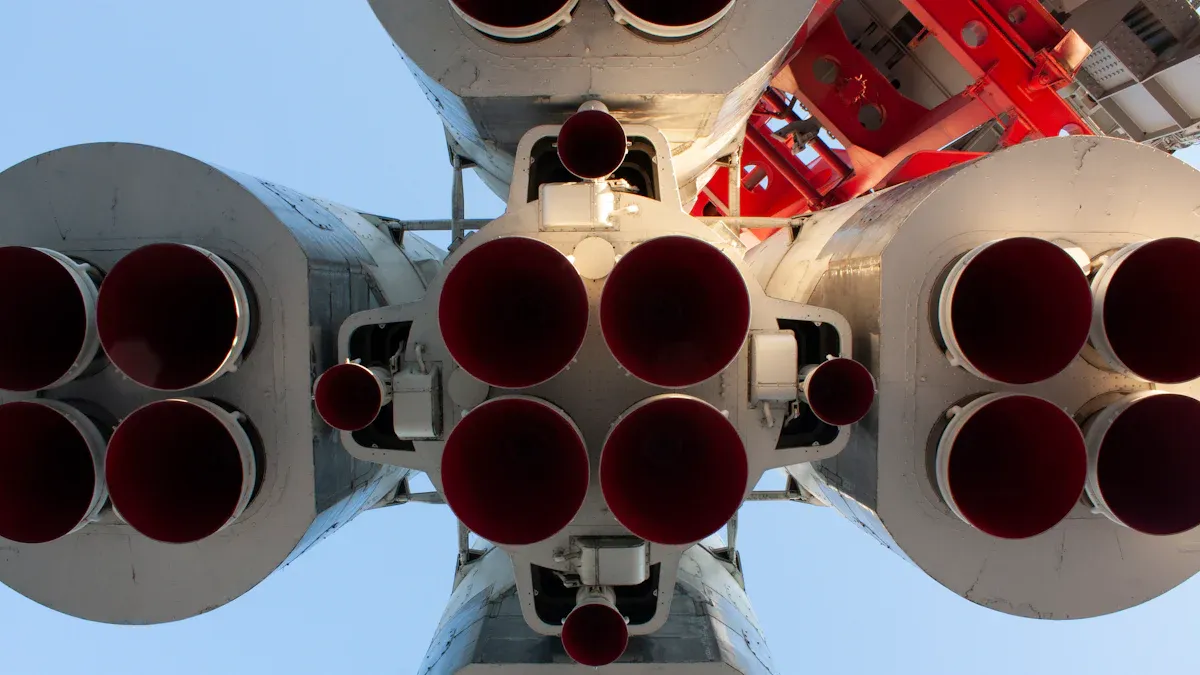
You are witnessing a pivotal moment in the evolution of space freight. The current space freight landscape is shaped by rapid advancements in technology and increasing demand for interplanetary transportation. Companies are exploring reusable rockets, which significantly reduce costs and make space freight more accessible. Autonomous systems are also gaining traction, enabling precise cargo handling and minimizing human intervention.
Another trend is the growing interest in satellite deployment. Businesses rely on satellites for communication, navigation, and data collection. This demand has created opportunities for new entrants to establish themselves in the space freight market. Additionally, the push for sustainability has led to innovations in fuel efficiency and eco-friendly propulsion systems.
Despite these advancements, key challenges in space freight logistics persist. Regulatory complexities, high operational costs, and the need for reliable infrastructure remain significant hurdles. Addressing these issues is critical for the industry's growth and long-term success.
Leo Freight's Approach to Overcoming Challenges
Leo Freight has positioned itself as a leader in tackling the challenges of space freight. The company leverages cutting-edge technology to streamline operations and reduce costs. By adopting reusable rockets, Leo Freight has set a benchmark for efficiency and sustainability. These rockets not only lower expenses but also enhance the reliability of space freight services.
To address regulatory complexities, Leo Freight collaborates with international organizations to establish unified standards. This approach simplifies compliance and accelerates project timelines. The company also invests in advanced analytics to optimize cargo routes and ensure timely deliveries.
Leo Freight's customer-centric approach further strengthens its position. By offering tailored solutions, the company meets the unique needs of its clients. This adaptability has earned the trust of businesses and set a high standard for new entrants in the industry.
You can see how Leo Freight's innovative strategies are shaping the future of space freight. By addressing key challenges in space freight logistics, the company continues to lead the way in this dynamic sector.
Future Outlook for Leo Freight
Growth Projections and Strategic Plans
You can expect Leo Freight to continue its upward trajectory in the logistics industry. The company’s strategic plans focus on expanding its space freight operations, which have already set benchmarks for efficiency and sustainability. By leveraging reusable rockets and autonomous systems, Leo Freight aims to reduce delivery lead time and enhance service reliability.
The company’s growth projections highlight its commitment to innovation. Advanced analytics will play a key role in optimizing freight routes and improving resource allocation. These tools will ensure seamless delivery and meet evolving customer expectations. Leo Freight also plans to strengthen its global presence by entering untapped markets, creating new opportunities for businesses worldwide.
Partnerships with international organizations will further support its expansion. These collaborations will simplify compliance and establish unified standards, enabling faster project execution. You will see Leo Freight’s focus on customer satisfaction driving its service excellence, ensuring tailored solutions for diverse business needs.
Navigating Emerging Challenges in Global Logistics
The logistics evolution presents both opportunities and challenges. Leo Freight’s ability to adapt will be crucial in navigating these complexities. The company is addressing the rising demand for space freight services by investing in infrastructure and technology. This approach ensures reliability and scalability, even as the market grows.
Regulatory hurdles remain a significant challenge for new entrants in the space freight sector. Leo Freight is tackling this issue by advocating for unified global standards. These efforts simplify compliance and create a level playing field for entrants.
Sustainability is another priority. Leo Freight is adopting eco-friendly practices to reduce its carbon footprint. By addressing Scope 3 emissions, the company is setting an example for future logistics. You can expect Leo Freight to continue innovating, ensuring its services remain competitive and aligned with industry trends.
Leo Freight’s proactive strategies position it as a leader in logistics evolution. Its focus on adaptability, customer satisfaction, and service excellence ensures long-term success in a dynamic market.
Leo Freight’s journey showcases how innovation and strategy can redefine logistics. You’ve seen how the company’s focus on technology, global expansion, and a customer-centric approach has driven its success. By prioritizing the needs of customers, Leo Freight has set new benchmarks in service excellence.
Its impact on the logistics industry is undeniable. You can expect its continued growth to inspire advancements and create opportunities for businesses worldwide. As the company evolves, its commitment to serving customers will remain at the core of its operations, ensuring it stays ahead in a competitive market.
FAQ
What makes Leo Freight stand out in the logistics industry?
Leo Freight excels by integrating advanced automation into its operations. This approach enhances efficiency, reduces costs, and ensures timely deliveries. The company also prioritizes customer satisfaction by offering tailored solutions and maintaining transparency throughout the logistics process.
How does Leo Freight utilize automation in its services?
Automation plays a pivotal role in Leo Freight's operations. The company uses autonomous systems for maintenance, predictive analytics for demand forecasting, and hyperautomation to streamline supply chain processes. These technologies improve reliability and reduce operational costs.
What is hyperautomation, and how does it benefit logistics?
Hyperautomation combines multiple technologies to automate complex processes. In logistics, it optimizes supply chains, reduces manual errors, and enhances operational efficiency. Leo Freight leverages hyperautomation to deliver faster, more reliable services while minimizing costs.
How does Leo Freight address sustainability in logistics?
Leo Freight adopts eco-friendly practices, such as using reusable rockets and optimizing routes through automation. These efforts reduce carbon emissions and align with global sustainability goals, ensuring environmentally responsible logistics solutions.
What are the future plans for Leo Freight's space freight operations?
Leo Freight plans to expand its space freight services by investing in automation and reusable technologies. These advancements will enhance scalability, reduce costs, and ensure reliable interplanetary transportation, positioning the company as a leader in this emerging sector.
Related content