
High-Demand Virtual Logistics Careers in 2025
Author:XTransfer2025.12.19Virtual logistics
Virtual logistics jobs are booming, and 2025 is shaping up to be a big year for this field. You’ll see roles like Supply Chain Analyst, Logistics Coordinator, and Freight Broker becoming more popular as companies rely on digital tools to manage operations. Why? Because the demand for logisticians is skyrocketing. Employment in this area is expected to grow by 19% from 2023 to 2033—way faster than most other jobs. With about 26,100 openings every year, you’ve got plenty of opportunities to build a rewarding career in logistics without ever stepping into a warehouse.
Why Virtual Logistics is Thriving in 2025

Technology and Automation in Logistics
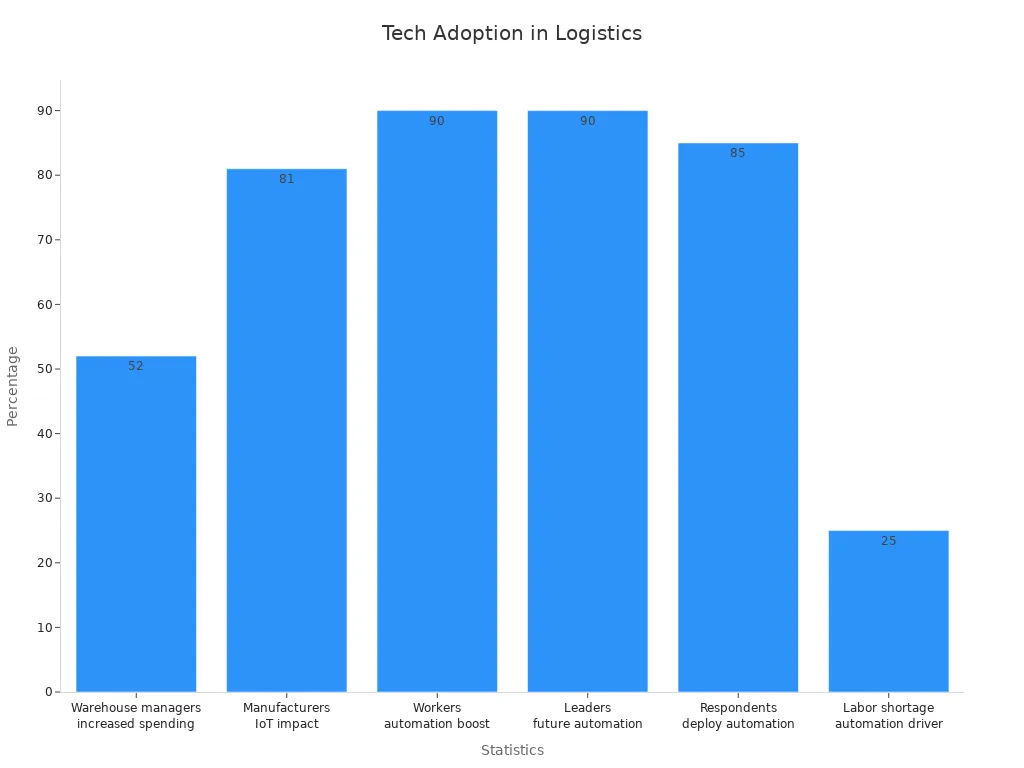
Technology is transforming logistics faster than ever. Automation, robotics, and Industrial IoT (Internet of Things) are no longer optional—they’re essential. Did you know that 52% of warehouse managers plan to increase spending on automation and robotics? That’s because automation boosts productivity, with 90% of workers reporting positive results. It’s not just about speed; it’s about staying competitive.
The global warehouse automation market is expected to hit $69 billion by 2025. Companies are adopting these tools to tackle labor shortages and rising costs. For example, 25% of businesses say labor shortages are the main reason they’re turning to automation. Whether it’s streamlining inventory management or optimizing delivery routes, technology is shaping the future of work in logistics.
E-Commerce Growth and Its Impact
E-commerce is driving the logistics industry into overdrive. By 2024, online retail will account for 56% of total goods sales growth in the U.S., with an annual growth rate of 8%. This surge means more packages, tighter delivery windows, and higher customer expectations.
Virtual logistics professionals are stepping up to meet these demands. Cloud-based logistics systems are becoming the backbone of e-commerce operations. The Logistics SaaS Market is projected to grow from $4.88 billion to $8.14 billion by 2030, with a compound annual growth rate of 10.77%. If you’re looking to thrive in this field, understanding digital tools and platforms is a must.
Global Supply Chain Challenges
Supply chains are more complex than ever, and disruptions are costly. On average, supply chain disruptions cost $184 billion annually. About 76% of companies report delays, and 22% experience more than 20 disruptions each year.
Virtual logistics offers solutions to these challenges. Remote teams can monitor global operations in real-time, using advanced analytics to predict and prevent issues. With spot and contract truckload rates expected to rise by 15% or more by early 2025, efficient logistics strategies are critical for managing costs. The ability to adapt quickly to economic shifts and tightening capacity makes virtual logistics a game-changer in today’s interconnected world.
Cost Efficiency of Virtual Logistics Jobs
Virtual logistics jobs are not just about convenience—they’re also cost-effective. If you compare them to traditional logistics roles, the savings are clear. Let’s break it down.
-
Shipment Tracking: With digital logistics, you get real-time updates. Traditional methods rely on periodic checks, which can leave you guessing about shipment progress.
-
Data Sharing: Forget about printing and mailing documents. Digital platforms let you share files instantly, saving time and cutting down on paper and ink costs.
-
Reporting: Automation takes over here. Instead of spending hours filing physical reports, digital systems generate and store them for you.
Here’s a quick comparison to show how virtual logistics stacks up:
|
Aspect |
Traditional Logistics |
Digital Logistics |
|---|---|---|
|
Shipment Tracking |
Limited to periodic updates |
Real-time progress updates |
|
Data and Document Sharing |
Resource-intensive (paper, ink) |
Quick online sharing through one platform |
|
Reporting |
Manual reports with physical filing |
Automatic report generation and digital storage |
|
Connectivity |
Static EDI integration |
Dynamic connections via digital platforms |
|
Communications |
Multiple channels (email, fax, etc.) |
Single platform for all messages and updates |
Virtual logistics also helps you save on operational costs. Optimized routing reduces fuel consumption, which lowers delivery expenses. Faster response times mean fewer delays and less money lost to disruptions. Plus, accurate shipment updates build customer trust, which can lead to repeat business.
By switching to virtual logistics, you’re not just keeping up with the times—you’re making smarter financial decisions. Every dollar saved on operations can be reinvested into growing your business. Why stick with outdated methods when you can streamline everything and save money at the same time?
Best Logistics Jobs in 2025
Supply Chain Analyst
If you enjoy solving puzzles and working with data, becoming a Supply Chain Analyst might be your calling. This role is one of the most sought-after logistics jobs in 2025, thanks to the growing reliance on big data analytics. Companies need skilled analysts to optimize operations, predict disruptions, and improve efficiency.
Why is this job so important? Supply chains are facing challenges like geopolitical risks, environmental changes, and economic shifts. As a Supply Chain Analyst, you’ll help businesses design resilient networks and manage risks proactively. Forget reactive strategies—companies want experts who can anticipate problems before they happen.
Here’s what makes this role exciting:
-
You’ll work with AI-driven tools to automate processes and uncover insights.
-
You’ll play a key role in building collaborative ecosystems that connect suppliers, manufacturers, and customers.
-
You’ll help organizations recover quickly from disruptions, ensuring smooth operations.
Supply Chain Analysts are the backbone of virtual logistics. If you’re ready to dive into data and make a real impact, this job is for you.
Logistics Coordinator
Logistics Coordinators are the glue that holds supply chains together. In 2025, this role is more critical than ever. Customers expect real-time tracking of their shipments, and businesses need coordinators to manage these expectations.
What makes this job stand out? You’ll oversee advanced technologies like AI and blockchain to ensure smooth operations. These tools aren’t just buzzwords—they’re transforming how companies handle logistics. As a Logistics Coordinator, you’ll also help businesses adopt eco-friendly practices and comply with sustainability regulations.
Here’s why this role is in high demand:
-
You’ll manage shipment visibility, giving customers updates at every stage.
-
You’ll integrate cutting-edge tech to streamline processes and reduce errors.
-
You’ll guide companies toward greener logistics solutions, making a positive impact on the planet.
If you’re organized, tech-savvy, and passionate about logistics, this job offers endless opportunities to grow.
Freight Broker
Freight Brokers are the matchmakers of the logistics world. They connect shippers with carriers, ensuring goods move efficiently from point A to point B. In 2025, this role is booming, with the US Freight Brokerage Market projected to hit $19.46 billion.
Why is this job growing so fast? Infrastructure modernization and technological advancements are driving demand. Automated pricing systems and API connectivity are making freight brokerage more efficient than ever. Plus, the $1 trillion infrastructure spending bill passed by Congress is set to supercharge the logistics sector.
Here’s what makes Freight Brokers indispensable:
-
You’ll use digital platforms to improve operational efficiency and service offerings.
-
You’ll manage real-time tracking, automated documentation, and data science applications.
-
You’ll play a key role in transforming the logistics ecosystem with innovative solutions.
Freight Brokers are essential to virtual logistics. If you’re ready to embrace technology and connect businesses, this job is perfect for you.
Inventory Optimization Specialist
If you love numbers and solving problems, becoming an Inventory Optimization Specialist could be your perfect fit. This role is all about making sure businesses have the right amount of stock at the right time. Too much inventory ties up money, while too little can lead to unhappy customers. That’s where you come in.
As an Inventory Optimization Specialist, you’ll use advanced tools to analyze data and predict demand. Your goal? To help companies reduce waste, save money, and keep customers happy. Businesses are realizing how much they can gain from optimizing their inventory. For example, improving inventory turnover can cut costs and boost efficiency. Take a look at these key metrics that highlight the value of this role:
|
Metric |
Key Outcome |
|---|---|
|
Order Processing Time |
Reduced by 15% and increased throughput |
|
Inventory Turnover |
Improved accuracy and reduced stock holding costs |
|
Statistical Significance |
Validated through enhanced F-statistic results |
You’ll also play a big part in reducing environmental impact. By minimizing excess stock, you’ll help companies lower waste and energy use. This makes your role not just important for business but also for the planet. If you’re detail-oriented and enjoy working with data, this job offers a rewarding career path in logistics.
Transportation Management System (TMS) Specialist
Transportation Management System (TMS) Specialists are the tech wizards of the logistics world. In 2025, this role is more important than ever. Companies need experts like you to manage their transportation networks and keep goods moving efficiently.
Why is this job in such high demand? The global TMS market is booming. It’s expected to grow from $11.0 billion to $44.5 billion by 2025, with a compound annual growth rate of 15%. Even during tough times like the COVID-19 pandemic, the market has shown resilience. This growth highlights how essential TMS specialists are for modern supply chains.
As a TMS Specialist, you’ll work with cutting-edge software to optimize routes, track shipments, and reduce costs. Here’s why companies are eager to hire you:
-
The TMS market’s rapid growth shows how much businesses rely on these systems.
-
You’ll help companies save money by improving delivery efficiency and reducing fuel use.
-
Your expertise will ensure smooth operations, even during disruptions.
This role is perfect if you’re tech-savvy and love solving challenges. You’ll be at the heart of the logistics industry, helping businesses adapt to a fast-changing world.
Skills and Tools for Virtual Logistics Careers

Key Skills for Success in Supply Chain Careers
To thrive in virtual logistics, you need a mix of technical expertise and interpersonal abilities. These skills help you navigate the complexities of supply chain careers and stand out in a competitive field. Here are the key skills you should focus on:
-
Data Analysis: You’ll need to analyze patterns and generate insights to make informed decisions.
-
Empathy and Communication: Understanding others and communicating effectively are essential for building strong relationships.
-
Negotiation: Problem-solving and trust-building often depend on your ability to negotiate.
-
Team Leadership: Managers rely on leaders who can articulate goals and assign roles clearly.
-
Technological Fluency: Staying updated on the latest tools allows you to seize new opportunities and evaluate outcomes critically.
These skills aren’t just nice to have—they’re essential for success. Whether you’re managing inventory or coordinating shipments, they’ll help you adapt to challenges and deliver results.
Essential Tools for Virtual Logistics Professionals
In virtual logistics, the right tools can make all the difference. They streamline operations, improve communication, and help you stay ahead of the curve. Here’s a breakdown of the tools you’ll need:
|
Evidence Type |
Description |
|---|---|
|
Communication |
Clear communication ensures no missteps in high-stakes logistics discussions. |
|
Cost-Effectiveness |
Tools that maximize profits while maintaining quality are a must. |
|
Process Optimization |
Virtual assistants simplify data management, scheduling, and delivery tracking. |
|
Scalability |
Flexible solutions grow with your business needs. |
|
Resource Allocation |
Efficient tools help businesses adapt during growth or change. |
These tools aren’t just about convenience—they’re about staying competitive. For example, virtual assistants can optimize your workflow, while scalable solutions ensure you’re ready for growth. By mastering these tools, you’ll position yourself as an indispensable part of any logistics team.
Staying Updated on Logistics Trends and Technology
The logistics industry evolves rapidly, and staying informed is crucial. Trends like automation, sustainability, and big data analytics are reshaping how logistics professionals work. Here’s what you need to know:
|
Trend |
Description |
|---|---|
|
Supply Chain Agility |
Companies must adapt quickly to stay competitive in a digital world. |
|
Global Labor Shortages |
Labor shortages push businesses to adopt automation. |
|
Automation and Robotics |
Technology is reducing reliance on human labor while boosting efficiency. |
|
Big Data Analytics |
Data-driven decisions are optimizing supply chain operations. |
|
Sustainability |
Eco-friendly practices are becoming a priority for businesses and consumers alike. |
Emerging technologies like AI, blockchain, and IoT are also gaining traction. By keeping up with these trends, you’ll not only enhance your skills but also ensure you’re ready for the future of virtual logistics.
How to Prepare for a Career in Virtual Logistics
Certifications for Virtual Logistics Professionals
Certifications can give you a competitive edge in virtual logistics. They show employers that you’ve got the skills and knowledge to succeed. Some of the most valuable certifications include:
-
Certified Supply Chain Professional (CSCP): This certification helps you understand end-to-end supply chain management.
-
Certified Logistics Associate (CLA): Perfect for beginners, it covers the basics of logistics and supply chain operations.
-
Transportation Management Certification: Focuses on managing transportation networks and optimizing delivery systems.
These certifications don’t just look good on your résumé. They also teach you practical skills you can apply immediately. Many programs are available online, so you can learn at your own pace.
Gaining Experience with Logistics Software
Hands-on experience with logistics software is essential. Employers want candidates who can hit the ground running. Start by exploring popular tools like SAP, Oracle Transportation Management, and Manhattan Associates. These platforms help businesses manage inventory, track shipments, and optimize routes.
You don’t need to wait for a job to get started. Many software providers offer free trials or training programs. Use these to familiarize yourself with the tools. You can also find tutorials and courses online to deepen your understanding.
When you know how to use logistics software, you’ll stand out in interviews. You’ll also feel more confident tackling real-world challenges.
Building Expertise in Data Analysis and Supply Chain Management
Data analysis is a game-changer in logistics. Companies rely on data to make smarter decisions. For example:
-
Businesses collect data from sales figures and inventory levels to predict demand.
-
Centralizing this data improves organization and integrates it with management tools.
-
Monitoring Key Performance Indicators (KPIs) highlights what’s working and what needs improvement.
Advanced analytics can also save money. Companies using these tools in procurement often cut costs by 10-20%. Analyzing supplier data reduces risks by up to 30%. Even studying purchase patterns can reveal opportunities for bulk buying, which lowers expenses.
To build your expertise, start small. Learn to use Excel for basic data analysis. Then, move on to advanced tools like Tableau or Power BI. These skills will make you an asset to any logistics team.
Networking and Joining Logistics Communities
Networking is one of the best ways to grow your career in virtual logistics. By connecting with others in the industry, you can learn new strategies, discover job opportunities, and stay ahead of trends. Joining logistics communities is a great place to start. These groups bring together professionals who share insights, challenges, and solutions.
Here’s why networking matters:
-
It helps you diversify your connections. Meeting people from different backgrounds can open doors to unexpected opportunities.
-
Attending events, webinars, or workshops introduces you to fresh perspectives and innovative ideas.
-
Being part of a logistics network boosts your credibility. Adding their logo to your marketing materials can make your business stand out.
Many logistics networks also host annual conferences. These events are perfect for building long-distance partnerships and meeting industry leaders face-to-face. Membership in these groups often leads to increased business opportunities and revenue. Plus, it gives you a competitive edge in a crowded marketplace.
So, how do you get started? Look for associations that align with your career goals. Whether you’re interested in supply chain management or freight brokerage, there’s a community for you. Once you join, participate actively. Share your experiences, ask questions, and engage with others. The more you put into networking, the more you’ll get out of it.
Staying Informed About Emerging Virtual Logistics Trends
The logistics industry is evolving rapidly, and staying informed is key to staying relevant. Emerging trends like automation, sustainability, and big data are reshaping how logistics professionals work. If you want to stay ahead, you need to keep learning.
Start by following industry news. Websites, blogs, and podcasts dedicated to logistics can keep you updated on the latest developments. Social media platforms like LinkedIn are also great for connecting with thought leaders and joining discussions.
Another way to stay informed is by attending industry events. Conferences and webinars often feature experts who share insights on cutting-edge technologies and strategies. These events are also a great way to network and learn from your peers.
Don’t forget to explore online courses and certifications. Many programs focus on emerging trends like AI, blockchain, and IoT. By mastering these technologies, you’ll position yourself as a forward-thinking professional.
Staying informed isn’t just about reading or attending events. It’s about applying what you learn. Use new knowledge to improve your processes, adopt innovative tools, and adapt to changes in the industry. This proactive approach will help you thrive in the fast-paced world of virtual logistics.
Virtual logistics careers are opening doors to exciting opportunities in 2025. Roles like Supply Chain Analyst and Freight Broker offer flexibility and growth, making them some of the best jobs in the industry. If you’re ready to dive in, focus on building skills, earning certifications, and gaining hands-on experience. These steps will prepare you for a dynamic career that’s both future-proof and rewarding.
The logistics field is evolving fast, and this is your chance to be part of it. With the right preparation, you can turn this opportunity into a thriving career path.
FAQ
What is virtual logistics?
Virtual logistics involves managing supply chains and transportation using digital tools and remote work. You’ll handle tasks like tracking shipments, optimizing inventory, and coordinating deliveries—all without needing to be physically present at a warehouse or office.
Do I need a degree to start a career in virtual logistics?
Not always! While a degree in supply chain management or logistics helps, certifications like CSCP or hands-on experience with logistics software can also get you started. Employers value skills and practical knowledge just as much as formal education.
What tools should I learn for virtual logistics jobs?
Familiarize yourself with tools like SAP, Oracle Transportation Management, and Tableau. These platforms help you manage inventory, analyze data, and optimize routes. Many offer free trials or tutorials, so you can start learning today.
How can I gain experience in virtual logistics?
Start by exploring internships or entry-level roles in logistics. Use free trials of logistics software to practice. Joining online communities or attending webinars can also help you learn from industry professionals and build your network.
Are virtual logistics jobs flexible?
Yes! Most virtual logistics roles allow you to work remotely. You’ll use cloud-based systems to manage tasks, giving you the flexibility to work from anywhere with an internet connection. It’s perfect if you value work-life balance.
Related content