
Effective Strategies for Waste Material Logistics in 2025
Author:XTransfer2025.05.07Waste material logistics
Effective waste management plays a vital role in logistics operations. You can achieve sustainability, cost savings, and compliance by addressing waste challenges head-on. For example, reducing waste and implementing recycling programs can cut costs while conserving resources. Optimizing resource use improves operational efficiency and ensures compliance with regulations, avoiding penalties. Proper waste disposal also enhances health and safety. By adopting these practices, you align your business with sustainability values, which strengthens customer trust. Waste material logistics in 2025 depends on innovative strategies that prioritize these benefits, ensuring a greener future for the industry.
Through end-to-end tracking, you gain visibility across supply chains, uncovering opportunities to enhance sustainability.
Types of Waste in Logistics Operations
Packaging Waste
Packaging waste is one of the largest contributors to waste in logistics operations. According to the EPA, packaging waste accounts for 28.1% of total municipal solid waste (MSW) generation. This highlights its significant role in overall waste streams. You often encounter packaging waste in the form of cardboard boxes, plastic wraps, and foam materials used to protect goods during transit.
Reducing packaging waste requires you to adopt sustainable practices. For instance, switching to biodegradable or recyclable materials can minimize environmental impact. Additionally, implementing reusable packaging systems can help you cut costs and reduce waste generation. By addressing packaging waste, you take a crucial step toward effective waste management.
Hazardous Materials
Hazardous materials in logistics operations pose unique challenges. These materials include chemicals, batteries, and other substances that require careful handling and disposal. Mismanagement of hazardous waste can lead to compliance issues, safety risks, and environmental harm.
To manage hazardous materials effectively, you must ensure compliance with regulations and train employees on proper handling procedures. Partnering with certified disposal services can also help you mitigate risks and maintain safe operations.
E-Waste from Logistics Technology
The rise of technology in logistics has led to an increase in e-waste. Devices like GPS trackers, handheld scanners, and outdated computers contribute to this growing problem. Improper disposal of e-waste can release harmful substances into the environment, affecting ecosystems and public health.
You can address e-waste by implementing recycling programs and partnering with certified e-waste recyclers. Upgrading to energy-efficient devices and extending the lifespan of existing equipment can also reduce waste. By managing e-waste responsibly, you align your operations with sustainable waste management practices.
Organic and General Waste
Organic and general waste often gets overlooked in logistics operations, yet it plays a significant role in waste management. Organic waste includes food scraps, biodegradable materials, and other natural substances. General waste refers to non-recyclable items like mixed plastics, contaminated paper, and broken equipment. These waste types can accumulate quickly, especially in warehouses, distribution centers, and offices.
You can manage organic waste effectively by implementing composting programs. Composting turns food scraps and biodegradable materials into nutrient-rich soil, reducing landfill contributions. For general waste, sorting systems can help you separate recyclable items from non-recyclables. This ensures that recyclable materials don’t end up in landfills unnecessarily.
Consider partnering with local waste management services to handle organic and general waste. Many companies offer specialized solutions, such as compost collection or advanced sorting technologies. These partnerships can streamline your waste disposal process and improve sustainability efforts.
Employee involvement is crucial for managing these waste types. Train your team to identify organic and general waste and dispose of it properly. Clear signage and accessible bins can encourage employees to participate in waste reduction initiatives. When everyone contributes, waste management becomes more efficient and impactful.
By addressing organic and general waste, you reduce your environmental footprint and improve operational efficiency. These efforts align with broader sustainability goals, helping you meet regulatory requirements and enhance your brand reputation. Waste management isn’t just about compliance; it’s about creating a cleaner, greener future for your business and the planet.
Benefits of Waste Management for Logistics Companies
Cost Savings and Operational Efficiency
Effective waste management can significantly reduce costs and improve operational efficiency for logistics companies. By optimizing waste collection and recycling processes, you can lower expenses associated with waste disposal and resource procurement. For example, adopting economies of scale in recycling operations reduces per-ton processing costs, making waste management more affordable.
By implementing these strategies, you can streamline operations and achieve measurable cost savings.
Environmental Sustainability and Reduced Carbon Footprint
Waste management plays a critical role in reducing the environmental impact of logistics companies. Metrics such as recycling rates and landfill diversion highlight the effectiveness of sustainable practices. For instance, increasing the reuse of materials within your supply chain reduces waste generation and lowers your carbon footprint.
-
Establish robust recycling programs in warehouses to ensure proper recycling of materials.
-
Implement composting programs for organic waste to reduce landfill volume.
-
Identify opportunities to reuse or repurpose materials within logistics processes.
-
Measure waste generation to identify sources of waste.
-
Implement waste reduction strategies based on identified sources.
-
Move towards a circular economy model to minimize environmental impact.
These steps not only contribute to sustainability but also align your operations with global environmental goals.
Regulatory Compliance and Risk Mitigation
Adhering to waste management regulations is essential for avoiding penalties and mitigating risks. The EPA emphasizes the importance of pre-incident waste management planning to prepare for emergencies. This approach ensures compliance with regulations and reduces risks during incidents.
Additionally, optimizing waste management practices helps conserve natural resources and lower disposal costs. By reusing materials and implementing efficient waste disposal systems, you can meet regulatory requirements while enhancing operational safety. These efforts protect your business from legal and financial risks, ensuring long-term success.
Enhanced Brand Reputation and Customer Trust
Proactive waste management practices can transform how customers perceive logistics companies. When you prioritize sustainability, customers see your business as a responsible and forward-thinking organization. This perception builds trust and strengthens your brand reputation, making your company stand out in a competitive market.
A dedicated team for packaging and waste management compliance ensures adherence to environmental regulations. This commitment reduces your ecological footprint and positions your company as a leader in sustainability. Customers value businesses that take responsibility for their impact on the planet. By demonstrating this commitment, you foster loyalty and attract environmentally conscious clients.
Your waste management efforts also create opportunities to showcase your values. For example, sharing success stories about recycling programs or reduced landfill contributions can highlight your dedication to sustainability. These stories resonate with customers who care about the environment, enhancing their connection to your brand.
Transparency plays a key role in building trust. When you openly communicate your waste management goals and achievements, customers feel confident in your operations. Publishing reports or updates on your sustainability initiatives can further strengthen this trust.
Consider collaborating with eco-friendly partners to amplify your impact. Working with suppliers who share your values reinforces your commitment to sustainability. Customers notice these partnerships and associate your brand with positive environmental practices.
By integrating waste management into your logistics operations, you not only meet regulatory requirements but also elevate your brand. Customers appreciate companies that align with their values, and your efforts in waste management can turn them into loyal advocates for your business.
Actionable Waste Management Strategies
Conducting Comprehensive Waste Audits
Waste audits are essential for logistics companies aiming to achieve waste reduction goals. By analyzing waste streams, you can identify inefficiencies and develop targeted solutions. Audits provide insights into waste composition, enabling better sorting practices and increased recycling rates. For example, understanding the types of waste generated in warehouses allows you to implement customized disposal methods for hazardous materials.
Waste audits also help reduce costs. By pinpointing unnecessary waste generation, you can streamline operations and lower disposal expenses. Additionally, audits ensure compliance with local and federal regulations, minimizing risks associated with improper waste handling. Improved efficiency is another benefit. Audits optimize waste management processes, making them less resource-intensive and more sustainable.
-
Benefits of Waste Audits:
-
Improved sorting and recycling practices.
-
Identification of waste reduction opportunities.
-
Development of specialized disposal solutions.
-
Cost savings in waste disposal.
-
Enhanced regulatory compliance.
-
Sustainability achievements and better environmental reputation.
-
Streamlined waste management operations.
-
Conducting regular audits positions your company as a leader in sustainable practices. It demonstrates your commitment to reducing environmental impact while improving operational efficiency.
Implementing Recycling and Reuse Programs
Recycling programs are a cornerstone of effective waste management. Logistics companies can significantly reduce waste by adopting recycling and reuse initiatives. For instance, igus, a leading company in the industry, has achieved remarkable benchmarks. They recycle 99% of rejected materials from injection molding and introduced the first e-chain cable carrier made entirely from recycled materials. These efforts highlight the potential of recycling programs to minimize waste and promote sustainability.
Recycling programs not only reduce landfill contributions but also lower costs. Reusing materials within your supply chain decreases the need for new resources, saving money and improving efficiency. Reverse logistics plays a key role here. By collecting and reprocessing used materials, you can create a circular economy that benefits both your business and the environment.
To implement successful recycling programs, focus on educating employees about proper waste sorting and recycling practices. Partner with certified recycling facilities to ensure compliance and maximize the impact of your initiatives. These steps align your operations with sustainability goals and enhance your brand reputation.
Partnering with Eco-Friendly Suppliers
Collaborating with eco-friendly suppliers is a powerful strategy for logistics companies. These partnerships help you achieve waste reduction goals while maintaining high-quality operations. Companies like Chick-Fil-A and South Chicago Packing have demonstrated the benefits of such collaborations. Chick-Fil-A achieved 9% savings and improved efficiency, while South Chicago Packing realized 15% savings through a specialized waste program.
-
Case Studies of Eco-Friendly Partnerships:
-
Chick-Fil-A: 9% savings and reliable service.
-
South Chicago Packing: 15% savings and sustainable supply chain practices.
-
MOM’s Organic Market: 12% increase in landfill diversion.
-
University Campus: 22% savings and 31% increase in landfill diversion.
-
Unified CML: 10% savings and improved landfill diversion.
-
Multi-family Housing: 17% savings through customized waste strategies.
-
Large Manufacturer: 88% increase in landfill diversion and 16% savings.
-
Wabtec Corp: 18% savings on waste collection costs.
-
Partnering with eco-friendly suppliers enhances your brand reputation. Customers value businesses that prioritize sustainability and align with their environmental values. These partnerships also mitigate risks by building resilience against supply chain disruptions and preparing for stricter regulations.
To maximize the benefits, choose suppliers who share your commitment to sustainable practices. Collaborate on innovative waste management solutions and communicate your achievements to stakeholders. These efforts strengthen your position as a leader in sustainability and foster customer loyalty.
Employee Training on Waste Reduction Practices
Training your employees on waste reduction practices is one of the most effective ways to achieve your waste reduction goals. When your team understands the importance of proper waste management, they become active participants in creating a more sustainable workplace. Employee training programs not only educate staff on company policies but also provide them with the tools to implement sustainable practices effectively.
Start by introducing the basics of waste management. Teach your employees how to identify different types of waste, such as recyclable materials, hazardous substances, and organic waste. Clear guidelines help them sort waste correctly, ensuring that recyclable items go to recycling programs and hazardous materials are handled safely. This step reduces errors and improves overall efficiency.
Training also fosters a culture of sustainability within your organization. Employees who understand the environmental and economic impacts of waste are more likely to adopt responsible practices. For example, they may find ways to reduce packaging waste or suggest improvements to reverse logistics processes. These small changes can lead to significant reductions in your waste footprint.
Continuous training is essential. Regulations and waste management techniques evolve over time, and keeping your team updated ensures compliance and operational efficiency. Regular workshops or online courses can reinforce key principles and introduce new strategies. When employees feel informed and empowered, they take ownership of their roles in waste management.
You can also use training sessions to highlight the benefits of waste reduction. Show your team how their efforts contribute to cost savings, regulatory compliance, and environmental sustainability. Sharing success stories from other logistics companies can inspire your employees to strive for similar achievements. This approach not only motivates your team but also aligns their efforts with your company’s broader goals.
To make training more engaging, consider using interactive methods. Role-playing scenarios, quizzes, and hands-on activities can help employees retain information better. For instance, you could organize a waste sorting challenge to teach proper disposal techniques. These activities make learning fun and encourage active participation.
Finally, recognize and reward employees who excel in waste reduction initiatives. Acknowledging their contributions reinforces positive behavior and encourages others to follow suit. Whether it’s through a simple thank-you note or an employee of the month program, showing appreciation goes a long way in building a committed and proactive workforce.
By investing in employee training, you equip your team with the knowledge and skills needed to meet your waste reduction goals. This not only improves your operational efficiency but also strengthens your commitment to sustainable practices. A well-trained workforce is the backbone of any successful waste management strategy.
Emerging Technologies in Waste Material Logistics
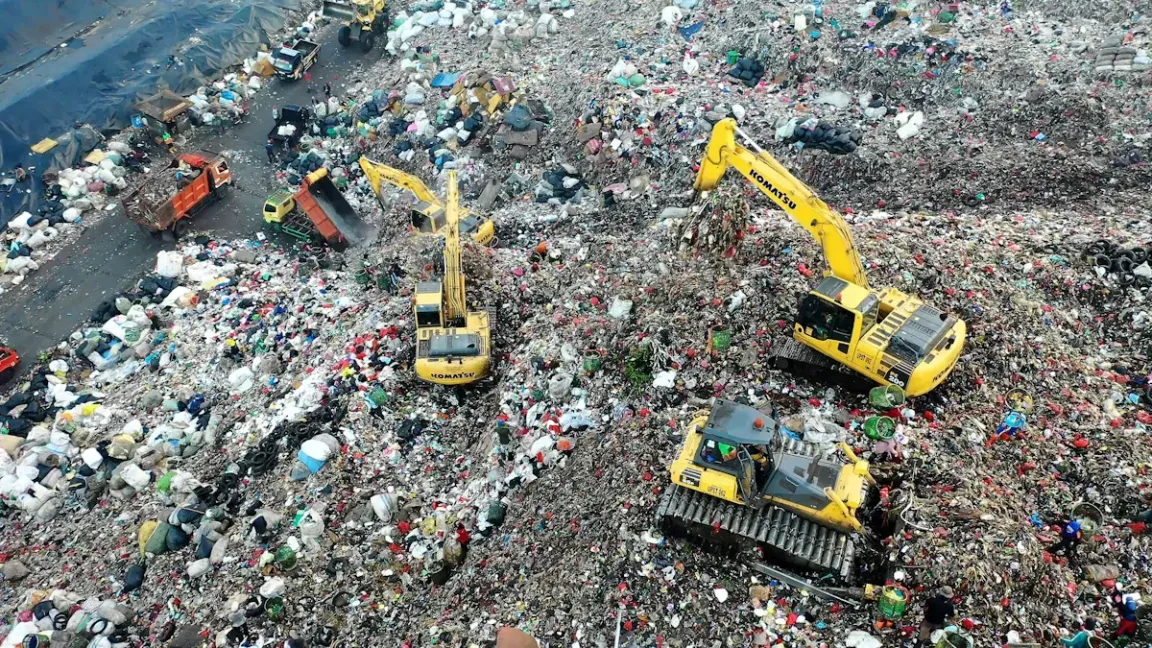
IoT for Waste Monitoring and Optimization
The Internet of Things (IoT) is transforming waste management in logistics. By using IoT-enabled sensors, you can monitor waste levels in real time. These sensors provide accurate data on waste bins, helping you optimize collection schedules and reduce unnecessary trips. This approach saves fuel and lowers operational costs.
IoT systems also improve waste segregation. Smart bins equipped with sensors can identify the type of waste deposited. For example, they can distinguish between recyclable materials and general waste. This ensures proper sorting at the source, making recycling programs more effective.
Another advantage of IoT is predictive maintenance. Sensors can alert you when waste equipment, such as compactors or balers, requires servicing. This prevents breakdowns and ensures smooth operations. By adopting IoT technology, you enhance efficiency and contribute to sustainable practices in waste management.
AI and Robotics for Advanced Waste Sorting
Artificial intelligence (AI) and robotics are revolutionizing waste sorting processes. These technologies enable faster and more accurate sorting, reducing reliance on manual labor. AI-powered systems can process thousands of items per hour, significantly improving efficiency.
Robots equipped with AI can identify and separate materials with precision. For instance, they can detect contaminants in recyclable waste, ensuring cleaner batches. This reduces the risk of rejected loads and minimizes financial losses. Additionally, AI systems handle hazardous materials, improving workplace safety for your employees.
By integrating AI and robotics into your waste management operations, you not only save costs but also reduce your environmental footprint. These technologies align with global sustainability goals and position your company as a leader in innovation.
Energy-Efficient Waste Disposal Systems
Energy-efficient waste disposal systems are essential for reducing the environmental impact of logistics operations. Modern systems, such as waste-to-energy (WTE) plants, convert waste into usable energy. This reduces landfill contributions and provides a renewable energy source for your facilities.
Advanced compactors and balers also play a role in energy efficiency. These machines use less power while processing higher volumes of waste. By investing in such equipment, you lower energy consumption and improve operational efficiency.
Another innovative solution is anaerobic digestion. This process breaks down organic waste to produce biogas, which can be used as a clean energy source. Implementing anaerobic digestion systems in your operations helps you manage organic waste effectively while generating renewable energy.
Energy-efficient systems not only reduce costs but also support your sustainability goals. They demonstrate your commitment to environmentally friendly practices, enhancing your brand reputation and customer trust.
Note: Partner with waste management companies that specialize in energy-efficient solutions. Their expertise can help you implement these systems effectively.
Blockchain for Transparent Waste Tracking
Blockchain technology is transforming waste tracking in logistics by providing transparency and traceability. It creates a secure and immutable record of waste management activities, ensuring accountability at every stage. You can use blockchain to monitor waste from its origin to its final destination, reducing inefficiencies and improving trust in your operations.
One of the key benefits of blockchain is its ability to provide real-time data. For example, a recycling company implemented blockchain to monitor recycling activities. This system enabled instant reporting, which improved efficiency and accountability. You can adopt similar systems to streamline your waste tracking processes and reduce errors.
Blockchain also eliminates counterfeits in waste management. A leading recycling company used blockchain to track recycled products. This initiative enhanced traceability and transparency, ensuring that recycled materials were authentic. By integrating blockchain into your operations, you can protect your supply chain from fraudulent practices.
Walmart’s blockchain initiative demonstrates how this technology can reduce waste. The company uses blockchain to trace food products rapidly. This system enhances food safety and minimizes waste by identifying issues early. You can apply similar methods to track waste materials in your logistics operations, ensuring sustainable practices.
Blockchain simplifies compliance with waste management regulations. It provides a clear record of waste disposal activities, making audits easier. You can use this technology to demonstrate adherence to environmental laws and avoid penalties. Additionally, blockchain reduces paperwork, saving time and resources.
To implement blockchain effectively, start by identifying areas in your waste management process that lack transparency. Collaborate with technology providers to develop customized solutions. Train your employees to use blockchain systems, ensuring smooth integration into your operations. These steps will help you maximize the benefits of blockchain and improve your waste tracking capabilities.
Challenges in Waste Management Implementation
High Costs of Technology Adoption
Adopting advanced waste management technologies often requires significant financial investment. You may face challenges due to the high upfront costs of digital solutions, such as IoT-enabled waste monitoring systems or AI-powered sorting robots. Smaller organizations, in particular, struggle to allocate the necessary capital for these technologies.
These costs can hinder your ability to implement sustainable practices effectively. To overcome this, consider exploring grants or incentives offered by governments and environmental organizations. These resources can help offset initial expenses and make technology adoption more feasible for your operations.
Organizational Resistance to Change
Resistance to change within your organization can slow the adoption of waste management strategies. Employees may hesitate to embrace new processes or technologies due to unfamiliarity or fear of increased workloads. This resistance often stems from a lack of understanding about the benefits of waste reduction initiatives.
To address this, focus on educating your team about the importance of sustainability. Training programs can help employees understand how waste management aligns with your company’s goals. Highlighting success stories from other organizations can inspire your team to adopt similar practices. When employees see the positive impact of their efforts, they are more likely to support change.
Limited Recycling Infrastructure
Recycling infrastructure limitations pose significant challenges for logistics companies. Contaminated loads cost up to $766 per ton, compared to $126.03 per ton for non-segregated waste collection. Across U.S. recovery facilities, contamination costs exceed $300 million annually, affecting labor, processing, and safety.
-
Contamination increases operational costs and reduces profitability.
-
Limited access to advanced recycling facilities restricts waste segregation efforts.
-
Inefficient systems lead to higher landfill contributions and environmental harm.
You can mitigate these challenges by partnering with specialized recycling facilities or investing in advanced sorting technologies. These steps improve waste segregation and reduce contamination costs, making your operations more sustainable and cost-effective.
Navigating Complex Regulations
Navigating waste management regulations can feel overwhelming due to their complexity. You must comply with various laws at local, state, and federal levels, each with unique requirements. Understanding these regulations is essential to avoid penalties and maintain smooth operations.
To simplify this, start by familiarizing yourself with the primary laws governing waste management. These laws outline how to handle, transport, and dispose of waste materials responsibly. Regulatory bodies like the Environmental Protection Agency (EPA) and state-level agencies oversee these activities. They ensure that companies follow proper procedures to protect the environment and public health.
Waste brokers play a critical role in ensuring compliance. They act as intermediaries between your company and waste disposal facilities. Their responsibilities include verifying that waste is handled according to legal standards. Partnering with reliable brokers can help you meet regulatory requirements more effectively.
You should also stay updated on changes in regulations. Laws evolve to address emerging environmental challenges, and failing to adapt can lead to non-compliance. Regular training for your team ensures everyone understands their responsibilities. This proactive approach minimizes risks and keeps your operations aligned with legal standards.
By understanding and addressing these regulations, you protect your business from legal risks. You also contribute to a cleaner environment, which enhances your reputation as a responsible logistics company.
Solutions to Overcome Waste Management Challenges
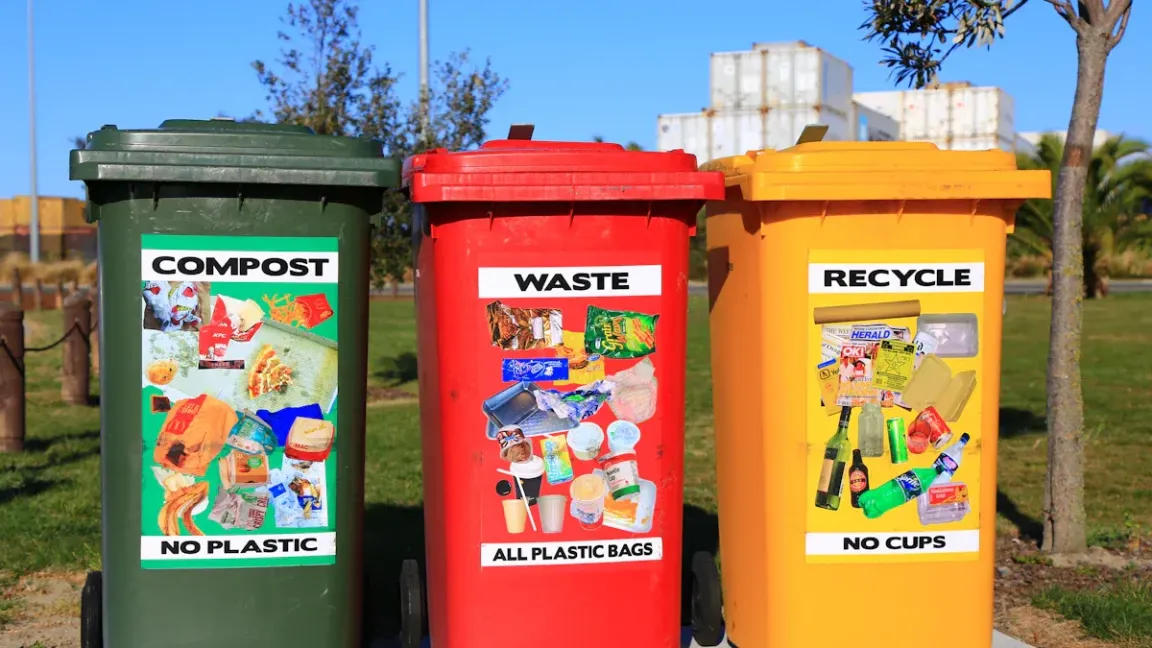
Leveraging Incentives and Grants
Incentives and grants can help you overcome financial barriers in waste management. Governments and environmental organizations often provide funding to support sustainable practices. These programs reduce upfront costs and make advanced technologies more accessible. For example, a new collection system with time-based incentives saved $113,000 annually, which accounted for 19% of the budget. Reducing collection frequency from twice to once weekly resulted in total savings of $225,000, or 38% of the budget.
You can explore local and federal programs that offer grants for waste reduction initiatives. These resources not only ease financial strain but also encourage innovation in waste management. By leveraging incentives, you can adopt sustainable practices without compromising your budget.
Building a Sustainability-Focused Culture
Creating a sustainability-focused culture within your organization addresses waste management challenges effectively. When employees embrace eco-friendly practices, waste reduction becomes a shared responsibility. Companies like Northern Natural Gas diverted over 2.7 million pounds of material from landfills in 2020 by recycling scrap metal and paper. They also provided insulated metal cups to employees to reduce disposable cup waste.
-
Northern Natural Gas: Diverted 2.7 million pounds of material, including 888 tons of scrap metal and 12.8 tons of paper.
-
Live Nation Entertainment: Removed six million plastic straws and installed water refill stations, increasing waste diversion by 150% across 14 venues.
-
BB&T Pavilion: Saved 33,000 single-use bottles by eliminating plastics and offering free water refill stations.
-
Evelyn Hill, Inc.: Achieved a 97.6% waste diversion rate by sorting waste and changing food preparation practices.
You can implement similar initiatives to foster a culture of sustainability. Providing reusable items, educating employees, and setting clear waste reduction goals inspire action. A strong culture ensures long-term commitment to waste management.
Collaborating with Industry Partners
Collaboration with industry partners strengthens your waste management efforts. Partnerships with eco-friendly suppliers and waste management companies provide access to advanced technologies and expertise. These collaborations improve waste segregation, recycling rates, and overall efficiency.
Industry partnerships also help you navigate complex regulations. Partners with specialized knowledge ensure compliance and reduce risks. Working together creates innovative solutions that benefit both your business and the environment.
Note: Choose partners who share your sustainability values to maximize the impact of your waste management initiatives.
Investing in Scalable Waste Management Systems
Scalable waste management systems are essential for logistics companies aiming to grow sustainably. These systems adapt to changing demands, ensuring efficiency during both high and low operational periods. By investing in scalable solutions, you can handle waste more effectively while reducing costs and environmental impact.
Collaboration plays a key role in scalability. Partnering with other organizations allows you to share resources and expertise. For example:
-
Collaborative efforts have developed secure data destruction protocols for e-waste.
-
Sharing transportation resources and warehousing facilities has reduced manufacturing downtime and saved costs.
-
Joint ventures have supported research and development projects in e-waste management, accelerating innovation.
Predictive analytics is another valuable tool. It helps you forecast waste generation and optimize inventory control. This reduces waste accumulation and improves operational efficiency. During demand surges, scalable systems ensure smooth operations without overwhelming your resources.
Investing in advanced technologies also enhances scalability. Modern waste sorting machines and energy-efficient disposal systems process larger volumes of waste with minimal energy use. These technologies not only save costs but also align with sustainability goals.
Funding is often a challenge when scaling waste management systems. Joint venture funding initiatives and seed capital can help overcome financial barriers. Sharing risks and resources through partnerships makes it easier to adopt innovative solutions.
By focusing on scalable systems, you prepare your logistics operations for future growth. These investments improve efficiency, reduce environmental impact, and position your company as a leader in sustainable practices. Start small, but think big. Scalable waste management ensures your business remains adaptable and resilient in an ever-changing industry.
Regulatory Impact on Waste Management Practices
Key Waste Management Regulations in 2025
Waste management regulations in 2025 are reshaping logistics operations worldwide. Governments are introducing stricter rules to reduce environmental harm and promote sustainability. These regulations focus on proper waste disposal, recycling, and the reduction of hazardous materials. You must comply with these laws to avoid penalties and maintain smooth operations.
The global waste management market reflects the growing importance of these regulations. By 2025, the market size is expected to reach $523.53 billion, with a compound annual growth rate (CAGR) exceeding 4.55%. This growth highlights the increasing demand for sustainable practices in logistics.
Understanding these regulations helps you align your operations with legal requirements while contributing to a cleaner environment.
Driving Innovation Through Compliance
Regulatory compliance is not just about avoiding fines. It also drives innovation in waste management practices. Businesses are seeking external expertise to meet stricter environmental standards. This trend encourages the development of advanced technologies and sustainable solutions.
-
Investors and consumers are pressuring companies to prioritize environmental, social, and governance (ESG) performance.
-
The recycling and waste management market is projected to grow to $530 billion by 2028, with a CAGR of 5.5%.
-
Stricter regulations are pushing companies to adopt innovative waste reduction strategies.
By embracing compliance, you can improve efficiency, reduce waste, and enhance your brand reputation.
Preparing for Future Regulatory Changes
Regulations will continue to evolve as environmental challenges grow. You must stay proactive to adapt to these changes. Monitoring updates from regulatory bodies ensures you remain compliant. Training your team on new requirements prepares them for future shifts.
Sustainable practices will become even more critical. Regulatory pressures will increase the need for waste reduction and recycling. By investing in scalable systems and innovative technologies now, you can future-proof your operations.
Waste management is essential for logistics companies in 2025. It ensures sustainability, reduces costs, and keeps you compliant with regulations. By adopting effective strategies, you can optimize operations and minimize environmental impact.
-
Key Benefits:
-
Lower operational costs.
-
Improved brand reputation.
-
Enhanced regulatory compliance.
-
Taking proactive steps today secures a sustainable future for your business. Start small, measure progress, and build a culture of responsibility. Your efforts will create lasting value for both your company and the planet. 🌍
FAQ
What is the first step to improving waste management in logistics?
Start with a waste audit. This helps you identify the types and amounts of waste your operations generate. Use the data to create targeted strategies for reduction, recycling, and disposal.
How can small logistics companies afford advanced waste management technologies?
Explore grants and incentives offered by governments or environmental organizations. These programs reduce upfront costs and make technologies like IoT sensors or energy-efficient systems more accessible.
Note: Research local funding opportunities to find programs that align with your goals.
Why is employee training important for waste reduction?
Training ensures your team understands proper waste handling and disposal practices. Educated employees actively contribute to reducing waste, improving recycling rates, and maintaining compliance with regulations.
How does blockchain improve waste tracking?
Blockchain provides a transparent and secure record of waste management activities. It tracks waste from its origin to its final destination, ensuring accountability and reducing inefficiencies.
Example: Use blockchain to monitor recycling activities and verify compliance with environmental laws.
What are the benefits of partnering with eco-friendly suppliers?
Eco-friendly suppliers help you reduce waste and improve sustainability. They often provide innovative solutions, such as reusable packaging or energy-efficient materials, that align with your waste reduction goals.
Related content