
A Comprehensive Look at Returned Logistics and Reverse Logistics
Author:XTransfer2025.12.19Returned logistics
Returned logistics and reverse logistics play a crucial role in modern supply chains. Returned logistics focuses on managing the flow of goods back to the seller, whether due to defects, customer dissatisfaction, or other reasons. Reverse logistics, on the other hand, deals with the broader process of moving products backward through the supply chain, including recycling, refurbishing, or reselling items.
You can see their significance in global statistics. For example:
-
Around 18.5% of products are returned on average, with clothing and footwear reaching up to 40%.
-
Consumer electronics experience return rates of 15-20%, while furniture sees 10-15%.
-
eCommerce returns account for nearly 30% of purchases, compared to less than 10% for in-store shopping.
These figures demonstrate how returned logistics and reverse logistics impact industries like eCommerce services, where seamless returns are now expected. Their efficiency not only affects customer satisfaction but also supports sustainability by enabling recycling and reuse.
What is Returned Logistics?
Definition and Purpose
Returned logistics refers to the process of managing customer returns, ensuring products flow back to the seller or manufacturer efficiently. You encounter this process when returning items due to defects, dissatisfaction, or other reasons. It plays a vital role in effective returns management by streamlining the returns process and minimizing disruptions to operations. For example, in North America alone, return delivery costs reached $246 billion in 2015, highlighting the scale of this operation. Globally, these costs exceeded $600 billion, emphasizing the importance of optimizing returned logistics for profitability and efficiency.
Scope and Applications
Returned logistics spans multiple industries, each with unique applications. In retail, you see it in product returns and refurbishment. Manufacturing uses it for recycling and disposing of end-of-life products. Healthcare relies on it for returning medical supplies, while technology handles returns of electronic devices. E-commerce, where online product returns account for 30% of purchases, heavily depends on returned logistics. Other industries, such as automotive, pharmaceutical, and luxury goods, also benefit from this process. The table below illustrates the wide-ranging applications:
|
Industry/Application |
Examples of Use |
|---|---|
|
Retail |
Product returns, refurbishment |
|
Manufacturing |
Recycling, disposal of end-of-life products |
|
Healthcare |
Returns of medical supplies |
|
Technology |
Returns of electronic devices |
|
E-commerce |
Online product returns |
|
Automotive |
Returns of defective parts |
|
Pharmaceutical |
Returns of expired medications |
|
Consumer Electronics |
Returns of faulty gadgets |
|
Luxury Goods |
Returns of high-value items |
|
Reusable Packaging |
Management of reusable containers |
Importance in Returns Management Operation
Returned logistics is essential for effective returns management. It ensures customer satisfaction by reducing the time taken to process refunds and resell returned items. Metrics like return-to-refund time and return-to-resale time measure its performance. For instance, faster refund processing improves customer experience, while quicker resale reduces inventory costs. Additionally, returned logistics helps businesses track the environmental impact of returns, promoting sustainability. By optimizing this operation, you can enhance profitability, streamline the returns process, and support eco-friendly practices.
What is Reverse Logistics?
Definition and Key Features
Reverse logistics refers to the process of moving goods from their final destination back through the supply chain for purposes like recycling, refurbishing, or disposal. Unlike traditional logistics, which focuses on delivering products to customers, reverse logistics flow works in the opposite direction. This process ensures that returned or end-of-life products are handled efficiently and sustainably.
Key features of reverse logistics processes include:
-
Return Management: Handling customer returns and ensuring smooth processing.
-
Recycling and Disposal: Managing waste and recycling materials to reduce environmental impact.
-
Value Recovery: Extracting value from returned goods through resale, repair, or repurposing.
-
Data-Driven Optimization: Using technologies like AI and blockchain to improve transparency and efficiency.
The global reverse logistics market reflects its growing importance. By 2024, it is expected to reach USD 678.8 billion, with projections of USD 1,031.6 billion by 2033. This growth, driven by e-commerce and sustainability demands, highlights the need for businesses to optimize their reverse logistics processes.
Role in Sustainability and Circular Economy
Reverse logistics plays a critical role in promoting sustainability and supporting the circular economy. By integrating strategies like closed-loop supply chains and green transportation, you can reduce waste and minimize environmental impact. For example, many companies now prioritize recycling and sustainable product design to meet consumer expectations for corporate responsibility.
Key sustainability initiatives include:
-
59% of Fortune 100 retailers focus on using green energy.
-
40% prioritize recycling programs.
-
29% aim to keep products out of landfills.
These efforts align with the reverse logistics process, which helps businesses optimize resources, cut costs, and reduce their carbon footprint.
Examples of Reverse Logistics in Returns Management
Reverse logistics processes are evident in various industries. For instance, in e-commerce, the reverse logistics flow involves handling customer returns, inspecting products, and reselling or recycling them. In the automotive sector, defective parts are returned, repaired, and reused. Similarly, consumer electronics companies refurbish returned gadgets for resale.
Performance metrics help measure the effectiveness of reverse logistics processes:
|
Metric |
Description |
|---|---|
|
Return Rate |
Percentage of products returned relative to total sales. |
|
Cost of Returns Processing |
Total costs associated with managing returned products. |
|
Time to Return (TTR) |
Average time taken for a product to be returned and processed. |
|
Recovery Rate |
Value recovered from returned products, including resale and recycling. |
|
Customer Satisfaction with Returns Process |
Measures customer satisfaction regarding the ease of returning products. |
|
Waste Management and Disposal Costs |
Costs incurred for disposing of or recycling non-resalable products. |
|
Percentage of Returned Products that are Resalable |
Percentage of returned items that can be resold without extensive repairs. |
These examples demonstrate how reverse logistics processes contribute to efficient returns management while supporting sustainability goals.
Returned Logistics vs. Reverse Logistics
Key Similarities
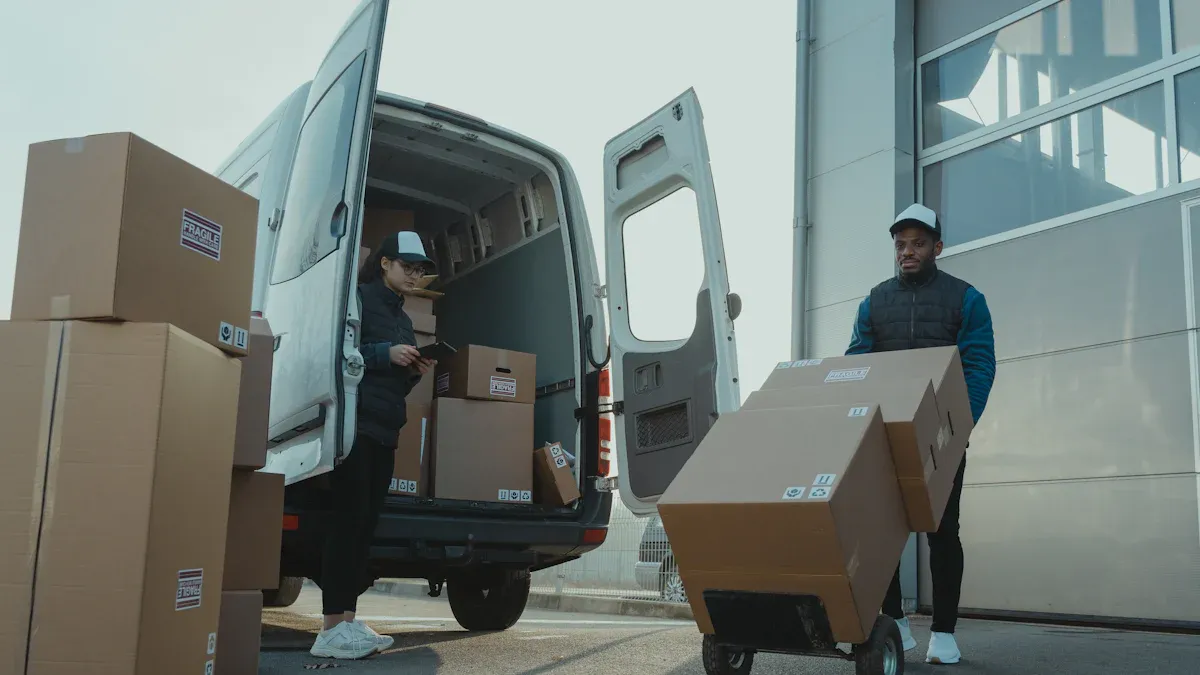
You might notice that returned logistics and reverse logistics share several similarities, especially in how they contribute to efficient supply chain operations. Both processes aim to manage the movement of goods in the opposite direction of traditional logistics. They focus on optimizing operations to reduce costs, improve customer satisfaction, and recover value from returned products.
Here are some common performance metrics that highlight these similarities:
|
Metric |
Description |
|---|---|
|
Operational Efficiency |
Monitoring returns processing time and cost per return to reduce costs associated with returns. |
|
Customer Satisfaction |
Streamlining returns management can boost satisfaction scores by up to 20%. |
|
Revenue Recovery |
Tracking salvage value recovery and refurbishment success rates impacts the bottom line. |
|
Return Rate |
Insights into the percentage of items returned for continuous process improvement. |
|
Cost per Return |
Identifying cost reduction strategies for efficient return processing. |
|
Inventory Accuracy |
Accurate data on product quality aids in revenue recovery and operational efficiency. |
|
Customer Feedback |
Real-time KPI monitoring can lead to a 15% boost in customer loyalty. |
|
Eco-friendly Practices |
Measuring recycling rates and carbon footprint aligns sustainability with supply chain optimization. |
Both processes also align with sustainability goals. By focusing on recycling and reducing waste, they help businesses meet environmental standards while improving operational efficiency.
Major Differences
While returned logistics and reverse logistics share some goals, their scope and focus differ significantly. Returned logistics centers on managing customer returns efficiently. It ensures a smooth experience for customers while minimizing disruptions to operations. Reverse logistics, however, takes a broader approach. It includes activities like recycling, refurbishing, and disposing of products to recover value and reduce environmental impact.
The table below highlights key differences between the two:
|
Aspect |
Reverse Logistics |
Returns Management |
|---|---|---|
|
Focus |
Broader process of handling returns, including recovery and sustainability |
Customer-centric, ensuring a seamless return experience for consumers |
|
Operational Efficiency |
Involves coordination and control of the entire return process |
Streamlines returns to minimize costs and enhance customer satisfaction |
|
Value Recovery |
Emphasizes recovering value through refurbishment and recycling |
Aims to maximize recovery of returned goods through optimized handling |
|
Sustainability |
Provides pathways for proper disposal and reduces environmental impact |
Ensures compliance with regulations regarding returns and sustainability |
|
Customer Experience |
Less direct focus on customer interaction |
Directly manages customer expectations and experiences during returns |
Reverse logistics often involves more complex processes. For example, it may require coordination across multiple departments to refurbish or recycle products. In contrast, returned logistics focuses on customer-facing operations, such as processing refunds or exchanges quickly.
Overlapping Functions
Despite their differences, returned logistics and reverse logistics often overlap in their functions. Both processes involve handling returned goods and ensuring they are processed efficiently. For instance, when you return a product, the initial steps—such as inspecting the item and determining its condition—fall under returned logistics. However, if the product is refurbished or recycled, it becomes part of reverse logistics.
These overlapping functions contribute to several benefits:
-
Higher profits: Effective reverse logistics activities can lead to cost reductions and additional revenue from refurbished or recycled products.
-
Customer satisfaction: Streamlined returns management improves the overall customer experience, fostering loyalty.
-
Sustainability: Both processes support eco-friendly practices by reducing waste and promoting recycling.
By integrating these functions, businesses can create a seamless returns management system that enhances both operational efficiency and environmental performance. For example, companies that prioritize reverse logistics often achieve competitive advantages by differentiating themselves in the market.
Returned Logistics vs. Traditional Logistics
Forward vs. Reverse Flow of Goods
When comparing returned logistics to traditional logistics, the most noticeable difference lies in the direction of goods movement. Traditional logistics focuses on the forward flow of goods, ensuring products reach customers efficiently. It emphasizes speed, accuracy, and minimizing transit losses. Returned logistics, however, deals with the reverse flow of goods. This process involves managing items that customers send back due to defects, dissatisfaction, or other reasons.
In traditional logistics, the goal is to deliver products quickly and meet customer demand. Returned logistics prioritizes convenience for customers and efficient handling of returns. For example, while traditional logistics ensures timely delivery, returned logistics focuses on refund processing and product disposition. Both processes are essential for maintaining customer satisfaction and operational efficiency.
Operational Differences
The operational differences between returned logistics and traditional logistics highlight their unique challenges and goals. Traditional logistics operates with streamlined processes designed to move goods forward. It focuses on inventory management, cost efficiency, and timely delivery. Returned logistics, on the other hand, involves more complexity. You must handle variables like return packaging, compliance, and product safety.
The table below illustrates key benchmarks that reveal these operational differences:
|
Aspect |
Reverse Logistics |
Traditional Logistics |
|---|---|---|
|
Focus |
Maximizing consumer convenience and efficient product disposition |
Speed of throughput and minimizing transit loss |
|
Operational Complexity |
High, with numerous variables like return packaging and compliance |
Lower, with a focus on streamlined processes |
|
Strategic Goals |
Aligning with corporate objectives and enhancing brand equity |
Meeting customer demand and optimizing delivery times |
|
Challenges |
Compliance, data protection, and product safety |
Inventory management and cost efficiency |
|
Value Proposition |
Transforming returns into a value-add for customer experience |
Ensuring timely delivery and customer satisfaction |
Returned logistics requires a more flexible approach to address these complexities. For instance, you might need to inspect returned items, determine their condition, and decide whether to resell, refurbish, or recycle them. Traditional logistics, by contrast, focuses on ensuring goods arrive at their destination intact and on time.
Complementary Roles in the Supply Chain
Returned logistics and traditional logistics complement each other within the supply chain. While traditional logistics ensures products reach customers, returned logistics handles the aftermath of purchases, such as returns and exchanges. Together, they create a seamless system that enhances customer satisfaction and operational efficiency.
Several indicators highlight how these processes integrate effectively:
|
Dimension |
Description |
|---|---|
|
Time Savings |
Enhancements in the speed of processing returned goods. |
|
Accuracy |
Improved precision in tracking and managing returns. |
|
Completeness of Data |
Comprehensive analysis and interpretation of return data. |
|
Cost Efficiency |
Reduction in costs associated with managing reverse logistics processes. |
You can also transform siloed return policies into a holistic strategy by understanding customer behaviors related to returns. Analytical tools and experts play a crucial role in improving decision-making for reverse logistics.
To achieve this integration, follow these steps:
-
Monitor transactional data from various sources to identify trends.
-
Use decision support platforms to optimize returns management.
-
Separate issues from the mass to generate actionable insights.
By combining the strengths of both processes, you can create a supply chain that balances forward and reverse logistics. This approach not only improves efficiency but also supports sustainability goals by reducing waste and promoting recycling.
Challenges and Benefits of Returned Logistics
Common Challenges in Returns Management Operation
Managing product returns presents several challenges that can disrupt the returns management operation. Fraudulent returns remain a significant issue, with nearly 11% of returned goods being fraudulent. For online retailers, 10.8% of returns involve fraud, while brick-and-mortar stores face a higher rate of 26%. These fraudulent activities cost states billions in lost sales tax annually.
Operational costs also pose a challenge. Retailers spend an average of 8.1% of their annual sales managing returns. Additionally, 52% of consumers return items due to poor fit, especially in ecommerce sectors like apparel. This trend increases the complexity of the returns process. Many businesses lack a clear returns policy, which frustrates customers and slows down the returns management operation.
Another challenge is the limited specialization in reverse logistics. Only 8% of companies have dedicated departments for handling returned logistics. This lack of expertise often leads to inefficiencies and higher costs.
Benefits of Optimized Returned Logistics
Optimizing returned logistics offers numerous benefits that enhance both efficiency and customer satisfaction. Streamlined returns processes reduce manufacturing and freight costs, providing significant cost savings. For example, efficient systems can lower supply chain expenses by recovering value from returned goods.
Customer satisfaction improves when returns are processed quickly and seamlessly. Satisfied customers are more likely to remain loyal and make repeat purchases. In ecommerce, where returns are common, this loyalty can drive long-term growth.
Environmental benefits also emerge from optimized returns management. Recycling and refurbishing efforts reduce landfill waste and conserve resources. These practices not only support sustainability but also enhance a company’s corporate social image.
Strategies for Overcoming Challenges
To address these challenges, businesses can adopt several effective strategies. Advanced tracking systems provide real-time visibility, helping companies manage costs and improve efficiency. Standardized returns processes also play a crucial role. Nearly 70% of consumers review return policies before purchasing, highlighting the importance of clear guidelines.
Analytics can further enhance decision-making. For instance, U.S. retailers lose $10.40 to return fraud for every $100 in returned merchandise. By leveraging data analytics, businesses can identify patterns and mitigate losses.
Investing in specialized reverse logistics departments can also improve operations. Dedicated teams ensure that returned goods are handled efficiently, reducing costs and improving customer satisfaction.
Understanding the differences and similarities between returned logistics, reverse logistics, and traditional logistics helps you see their unique roles in the supply chain. Returned logistics focuses on customer returns, reverse logistics emphasizes value recovery and sustainability, and traditional logistics ensures efficient delivery.
|
Aspect |
Forward Logistics |
Reverse Logistics |
|---|---|---|
|
Flow |
Manufacturer → Distributor → Retailer → Customer |
Customer → Retailer → Distributor → Manufacturer |
|
Focus |
Production, distribution, delivery |
Returns, repairs, recycling |
|
Costs |
Generally lower due to economies of scale |
Higher due to inspection, repair, and restocking costs |
|
Infrastructure |
Streamlined, established systems |
Requires specialized processes for returns |
|
Time |
Faster processing for speed-to-market |
Slower due to inspections and repairs |
|
Customer Service Impact |
Focus on delivery speed and efficiency |
Enhances satisfaction through hassle-free returns |
|
Lifecycle Management |
Limited to initial product lifecycle |
Supports extended lifecycle through repairs and recycling |
Optimizing returned logistics improves efficiency and sustainability. It reduces costs, enhances customer satisfaction, and supports eco-friendly practices. By streamlining returns, you can recover value from products and contribute to a greener supply chain.
FAQ
What is the main difference between returned logistics and reverse logistics?
Returned logistics focuses on managing customer returns efficiently. Reverse logistics deals with broader processes like recycling, refurbishing, and disposal. You’ll find returned logistics more customer-centric, while reverse logistics emphasizes sustainability and value recovery.
How can optimizing returned logistics benefit your business?
Streamlining returned logistics reduces costs, improves customer satisfaction, and supports sustainability. You recover value from returned goods, enhance operational efficiency, and build a greener supply chain.
Why is reverse logistics important for sustainability?
Reverse logistics promotes recycling, refurbishing, and proper disposal of products. You reduce waste, conserve resources, and align your business with eco-friendly practices, contributing to a circular economy.
What challenges do businesses face in managing returns?
Fraudulent returns, high operational costs, and unclear return policies create obstacles. You may also struggle with limited specialization in reverse logistics, which leads to inefficiencies and higher expenses.
How can you overcome challenges in returned logistics?
Use advanced tracking systems for real-time visibility. Standardize return policies to improve customer experience. Invest in specialized reverse logistics teams to handle returns efficiently and reduce costs.
Related content