
ASDA's Sustainability Journey: Progress and Challenges
Author:XTransfer2025.12.03ASDA's Commitment to Sustainability
Sustainability has become a critical focus in the retail world. Asda stands out by taking bold steps to lead as a greener supermarket. You might wonder why this matters. Nearly 70% of consumers are willing to pay more for eco-friendly products, and sustainable goods are growing almost 2.7 times faster than non-sustainable ones. These trends highlight the growing demand for responsible practices. ASDA's Commitment to Sustainability reflects this shift. By reducing waste, lowering carbon emissions, and rethinking supply chains, Asda is setting an example for other retailers to follow.
ASDA's Commitment to Sustainability
Net zero carbon by 2040
ASDA's commitment to sustainability includes an ambitious goal: achieving net zero carbon emissions by 2040. This target aligns with global efforts to combat climate change and reduce greenhouse gas emissions. By focusing on energy efficiency, renewable energy adoption, and green logistics, ASDA is paving the way for a more sustainable future.
The Science-Based Targets Initiative (SBTi) has approved ASDA's net zero target, showcasing the company's dedication to credible and measurable climate action. ASDA is also integrating data from its growing convenience store segment, which expanded from three stores in early 2023 to nearly 500. This expansion demonstrates ASDA's ability to scale its sustainability efforts while meeting consumer demand.
Cutting packaging waste by 20% by 2030
Reducing packaging waste is another cornerstone of ASDA's commitment to sustainability. The company aims to cut packaging waste by 20% by 2030, transitioning toward a circular economy. This initiative focuses on using recyclable materials, minimizing single-use plastics, and encouraging refillable options.
The impact of this goal is significant. According to the Packaging and Packaging Waste Regulation (PPWR), reducing packaging waste is essential for sustainability. It helps lower landfill waste and reduces the need for virgin materials. The table below highlights key statistics supporting this initiative:
|
Evidence |
Description |
|---|---|
|
Packaging and Packaging Waste Regulation (PPWR) |
Aims to reduce packaging and transition toward a circular economy. |
|
Sustainable Packaging Statistics 2025 |
Adoption of recyclable materials can significantly reduce landfill waste. |
|
USPS Sustainability Targets |
Focus on climate action and integrating environmental policies into operations. |
ASDA's refill zones and packaging-free options further support this goal. These initiatives not only reduce waste but also empower you to make eco-friendly choices while shopping.
Promoting healthy and sustainable choices
ASDA recognizes the importance of promoting healthy and sustainable choices for both consumers and the planet. By offering a wide range of eco-friendly products, ASDA encourages you to adopt a more sustainable lifestyle. Over 50% of consumers are more likely to try products that promote healthier, sustainable lifestyles. This trend reflects a growing awareness of the environmental impact of everyday choices.
The table below illustrates how consumer preferences align with ASDA's efforts:
|
Evidence Type |
Statistic |
Description |
|---|---|---|
|
Consumer Preference |
Over 50% |
More likely to try products promoting healthier, sustainable lifestyles. |
|
Environmental Consideration |
40% |
Often consider the environmental impact of their product choices. |
|
Purchase Cycle |
75-93 days |
Average purchase cycle for household care products, indicating engagement. |
By making sustainable products accessible and affordable, ASDA empowers you to contribute to a greener future. Whether it's choosing eco-friendly cleaning products or exploring refillable options, your actions play a vital role in driving change.
Enhancing nature and supply chain resilience
ASDA understands that protecting nature and building a resilient supply chain are essential for long-term sustainability. By focusing on these areas, ASDA ensures that the products you buy are not only high-quality but also responsibly sourced. Here’s how ASDA is making a difference:
Supporting Biodiversity and Ecosystems 🌱
ASDA actively works to protect biodiversity and restore ecosystems. The company collaborates with farmers and suppliers to adopt sustainable agricultural practices. These practices help reduce soil erosion, conserve water, and protect wildlife habitats. For example:
-
Sustainable Farming Initiatives: ASDA partners with farmers to promote crop rotation and reduce the use of harmful pesticides.
-
Pollinator-Friendly Practices: The company supports projects that protect bees and other pollinators, which are vital for food production.
-
Reforestation Efforts: ASDA contributes to tree-planting programs to offset carbon emissions and restore natural habitats.
Strengthening Supply Chain Resilience 🔗
A resilient supply chain ensures that products reach you without harming the environment. ASDA focuses on transparency and ethical sourcing to achieve this goal. Here are some key strategies:
-
Ethical Sourcing: ASDA works with suppliers who meet strict environmental and labor standards. This ensures that the products you buy are made responsibly.
-
Local Partnerships: By sourcing more products locally, ASDA reduces transportation emissions and supports local economies.
-
Risk Management: The company invests in technology to monitor supply chain risks, such as extreme weather events or resource shortages.
Measuring Progress with Data 📊
ASDA uses data to track its impact on nature and the supply chain. The company sets measurable goals and regularly reports on its progress. For example:
|
Goal |
Progress Achieved |
Target Year |
|---|---|---|
|
Reduce deforestation in supply chains |
50% reduction since 2020 |
2025 |
|
Increase locally sourced products |
30% increase since 2019 |
2030 |
|
Support sustainable farming practices |
70% of suppliers involved |
2025 |
These efforts show ASDA’s commitment to creating a sustainable future for you and the planet.
How You Can Help 🌍
Your choices play a big role in supporting ASDA’s efforts. By choosing products with eco-friendly labels or locally sourced items, you contribute to a healthier planet. Small actions, like reducing food waste or reusing shopping bags, also make a difference.
By working together, you and ASDA can protect nature and build a supply chain that benefits everyone. Every choice you make brings us closer to a sustainable future.
Key Initiatives Driving ASDA's Greener Supermarket Vision
Refill zones and packaging-free options
ASDA’s refill zones and packaging-free options represent a significant step toward reducing waste in your daily shopping. These zones allow you to purchase products like cereals, pasta, and cleaning supplies in a refillable format, eliminating the need for single-use packaging. By bringing your own containers, you actively contribute to reducing municipal waste and promoting a zero-waste lifestyle.
Refillable format systems rank higher than recycling in waste management hierarchies. They reduce waste and emissions more effectively when reusable products are used consistently. Life Cycle Assessments (LCA) also show that refill systems outperform single-use plastics in environmental impact. However, the success of these initiatives depends on your participation and awareness. When you choose refillable options, you help reduce overall waste production and support a greener supermarket.
|
Performance Metric |
Description |
|---|---|
|
Reuse Systems |
Ranked above recycling for reducing waste and emissions. |
|
Life Cycle Assessment |
Demonstrates refill systems' lower environmental impact compared to plastics. |
|
Consumer Behavior |
Your participation significantly influences waste reduction outcomes. |
Partnerships with Too Good To Go and sustainable suppliers
ASDA’s partnership with Too Good To Go addresses food waste by redistributing surplus food. This collaboration ensures that perfectly good food doesn’t go to waste. Too Good To Go Surprise Bags have already saved over 45 million meals in the UK. By purchasing these bags, you help reduce food waste while enjoying quality products at a lower cost.
ASDA also works with sustainably sourced suppliers to ensure ethical and environmentally friendly practices. By choosing products from these suppliers, you support responsible sourcing and help reduce the environmental impact of your purchases.
Renewable energy adoption and green logistics
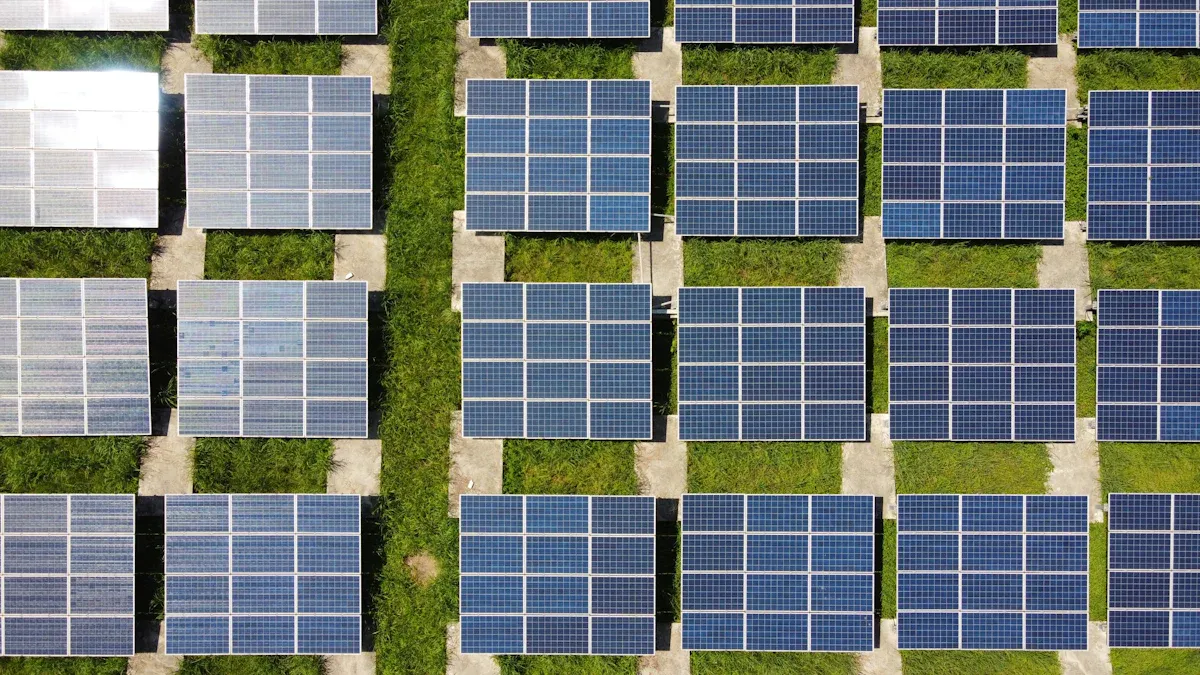
ASDA is committed to renewable energy adoption and green logistics to lower its carbon footprint. The supermarket has invested in solar panels, wind energy, and energy-efficient technologies to power its stores. These efforts reduce greenhouse gas emissions and contribute to ASDA’s goal of achieving net zero carbon by 2040.
Green logistics play a crucial role in making ASDA’s supply chain more sustainable. By optimizing delivery routes and using electric vehicles, ASDA minimizes transportation emissions. These initiatives ensure that products reach you in an environmentally friendly way. When you shop at ASDA, you support a retailer that prioritizes sustainability at every step.
Tackling food waste and redistribution programs
Food waste is a significant challenge in the retail industry, but ASDA has taken proactive steps to address it. You might not realize it, but nearly one-third of all food produced globally goes to waste. ASDA’s food redistribution programs aim to reduce this staggering figure while helping communities in need.
One of ASDA’s key initiatives involves donating surplus food to charities and food banks. Instead of letting unsold food go to waste, ASDA ensures it reaches people who need it most. Through partnerships with organizations like FareShare, ASDA has redistributed millions of meals to families across the UK. This effort not only reduces food waste but also supports those facing food insecurity.
ASDA also encourages you to play a role in tackling food waste. The supermarket offers discounted products nearing their expiration dates, allowing you to save money while preventing waste. These “wonky” fruits and vegetables, which might not meet cosmetic standards, are perfectly good to eat. By choosing these items, you help reduce waste and make a positive impact.
To measure its progress, ASDA tracks the amount of food it redistributes and reports these figures annually. This transparency helps you see the real impact of your choices. Together, you and ASDA can make a difference by reducing food waste and supporting a more sustainable future.
Progress in ASDA's Sustainability Journey
Reduction in carbon emissions since 2020
ASDA has made significant strides in reducing emissions over the years. Since 2020, the supermarket has achieved a 15% reduction in carbon emissions, showcasing its commitment to sustainability. This progress builds on a broader effort that has seen a 40% decrease in emissions since 2015. These reductions stem from initiatives like renewable energy adoption, energy-efficient technologies, and green logistics.
Year-over-year data highlights ASDA's consistent progress:
|
Year |
Reduction in Carbon Emissions |
|---|---|
|
2021 |
8% |
|
2022 |
7% (compared to 2021) |
ASDA’s focus on renewable energy plays a key role in these achievements. Solar panels and wind energy power many stores, reducing reliance on fossil fuels. Green logistics further contribute by optimizing delivery routes and using electric vehicles. When you shop at ASDA, you support a retailer actively working to lower its environmental impact.
Achievements in cutting single-use plastics
ASDA has taken bold steps to eliminate single-use plastic from its operations. The supermarket aims to remove three billion pieces of single-use plastic by 2025. In the last 18 months alone, 6,500 tonnes of plastic have been removed from own-brand packaging. These efforts include eliminating single-use carrier bags, which has resulted in 375 million fewer bags produced annually.
ASDA’s refill product range is another innovative solution to reduce plastic waste. By offering refillable options for everyday items, ASDA encourages you to adopt a zero-waste lifestyle. This initiative complements other changes, such as replacing plastic herb packaging with sustainable containers and paper sleeves. This switch alone saves 45.6 tonnes of plastic annually.
Customer reception to refill zones and eco-friendly products
ASDA’s refill zones have received positive feedback from customers. These zones allow you to purchase items like cereals, pasta, and cleaning supplies in a refillable format, reducing waste and promoting sustainability. Surveys and questionnaires reveal that customers appreciate the convenience and environmental benefits of refillable options.
Here’s how ASDA gathers insights into customer reception:
|
Method |
Description |
|---|---|
|
Surveys and Questionnaires |
Common tools for gathering feedback, can be distributed via email or in person. |
|
Customer Interviews |
One-on-one sessions that provide deep insights through open-ended responses. |
|
Focus Groups |
Group discussions that yield qualitative data and insights from customer interactions. |
|
User Testing |
Observing customers interacting with a product to assess usability and experience. |
|
Social Media Monitoring |
Tracking customer sentiment through social media platforms for real-time feedback. |
ASDA’s eco-friendly products also resonate with customers who value sustainable choices. Market research shows that sentiment analysis and predictive analytics help the supermarket understand customer preferences. By aligning its product offerings with these insights, ASDA ensures that you can access affordable and sustainable options.
Your participation plays a vital role in the success of these initiatives. Choosing refillable products and eco-friendly items not only reduces waste but also supports ASDA’s vision for a greener supermarket.
Milestones in supply chain sustainability
ASDA has reached several key milestones in creating a more sustainable supply chain. These achievements highlight the company’s dedication to reducing environmental impact while ensuring ethical practices. Let’s explore some of the most notable accomplishments.
1. Ethical Sourcing Standards
ASDA has implemented strict ethical sourcing standards across its supply chain. These standards ensure that the products you buy are made responsibly. Suppliers must meet criteria related to environmental protection, fair labor practices, and animal welfare.
By prioritizing ethical sourcing, ASDA supports global efforts to create a fairer and more sustainable economy.
2. Reduction in Supply Chain Emissions
ASDA has made significant progress in cutting emissions within its supply chain. The company has optimized transportation routes, adopted electric delivery vehicles, and partnered with local suppliers to reduce the distance goods travel. These efforts have led to measurable results:
|
Year |
Reduction in Supply Chain Emissions |
|---|---|
|
2020 |
10% |
|
2021 |
15% |
|
2022 |
20% |
When you choose ASDA, you support a retailer actively working to lower its carbon footprint.
3. Supporting Local Suppliers
ASDA has increased its partnerships with local suppliers, which benefits both the environment and local communities. By sourcing products closer to home, ASDA reduces transportation emissions and supports small businesses. For example:
-
Fresh Produce: Over 70% of ASDA’s fresh produce comes from UK-based farms.
-
Dairy Products: ASDA works with local dairy farmers to ensure high-quality, sustainable milk and cheese.
-
Seasonal Goods: The company prioritizes local suppliers for seasonal items, reducing the need for imports.
This approach not only minimizes environmental impact but also strengthens local economies.
4. Transparency and Traceability
ASDA has invested in technology to improve transparency and traceability within its supply chain. Advanced tracking systems allow the company to monitor the journey of products from farm to shelf. This ensures that you can trust the quality and sustainability of the items you purchase.
5. Commitment to Zero Deforestation
ASDA has pledged to eliminate deforestation from its supply chain by 2025. This commitment focuses on key commodities like soy, palm oil, and beef. By working with certified suppliers and adopting sustainable practices, ASDA protects forests and reduces greenhouse gas emissions.
|
Commodity |
Progress Achieved |
Target Year |
|---|---|---|
|
Palm Oil |
100% sustainable |
Achieved |
|
Soy |
80% deforestation-free |
2025 |
|
Beef |
60% deforestation-free |
2025 |
These milestones demonstrate ASDA’s dedication to preserving natural ecosystems.
How You Can Support These Efforts
Your choices play a crucial role in supporting ASDA’s sustainable supply chain. By selecting products with eco-friendly labels or locally sourced items, you contribute to a healthier planet. Small actions, like choosing seasonal produce or reducing food waste, also make a big difference.
ASDA’s milestones in supply chain sustainability reflect its commitment to creating a greener future. By working together, you and ASDA can drive meaningful change for the planet.
Challenges in Becoming a Greener Supermarket
Operational hurdles in scaling sustainable practices
Scaling sustainable practices presents unique challenges for a large supermarket like ASDA. One major issue lies in managing data effectively. Sustainability reporting often lacks coordination, leading to inefficiencies. For example, data is frequently reported in multiple formats, complicating the process and reducing accuracy. Additionally, many organizations remain uncertain about the resources required to meet new reporting obligations. This uncertainty slows progress and creates operational bottlenecks.
Another challenge involves assembling multi-disciplinary teams. These teams are essential for collecting and using data meaningfully. However, coordinating experts from different fields can be complex and time-consuming. The table below highlights some of these operational hurdles:
|
Challenge Type |
Description |
|---|---|
|
Data Access |
The sustainability reporting landscape is fragmented and lacks coordination, leading to inefficiencies. |
|
Data Accuracy |
Data is reported multiple times in different formats, complicating the reporting process. |
|
Resource Requirements |
60% of organizations are uncertain about the resources needed for new reporting obligations. |
|
Multi-disciplinary Teams |
Effective use of multi-disciplinary teams is crucial for meaningful data collection and usage. |
Balancing affordability with sustainability
Balancing affordability with sustainability remains a significant challenge. Many consumers want to make eco-friendly choices but struggle with the higher costs of sustainable products. Between September 2021 and March 2022, the percentage of consumers purchasing sustainably produced goods dropped in several countries. Cost was the primary reason for this decline.
Globally, 49% of consumers reported buying at least one sustainable product in the past month. However, one-third of them paid significantly more than they would for traditional alternatives. In the U.S., 45% of lower-income consumers reported financial struggles, making it harder for them to prioritize sustainable options. This highlights the need for supermarkets to find ways to make eco-friendly products more affordable.
Consumer behavior and adoption of eco-friendly options
Consumer behavior plays a critical role in the success of sustainability initiatives. While many shoppers express interest in reducing waste and avoiding plastic, their actions often fall short. For instance, logistics costs and distribution complexities can make refillable or eco-friendly options less accessible. Additionally, government regulations and trade policies in different countries create barriers to adopting global sustainability practices.
Adapting to these challenges requires collaboration between retailers, suppliers, and consumers. When you choose refillable products or locally sourced items, you help reduce waste and support a greener environment. Small changes in your shopping habits can drive significant progress toward sustainability.
Supply chain complexities and global sourcing issues
Managing a global supply chain comes with unique challenges. ASDA sources products from suppliers worldwide, which introduces complexities that impact sustainability efforts. You might wonder why this matters. Global sourcing often involves long transportation routes, which increase carbon emissions and logistical costs. These factors make it harder for ASDA to meet its sustainability goals.
🌍 Geographic Challenges
Products sourced from distant regions require extensive transportation. This process contributes to greenhouse gas emissions and delays in delivery. For example, fresh produce imported from overseas may face spoilage risks due to longer transit times. By sourcing locally, ASDA reduces these risks and supports nearby communities.
📦 Supply Chain Disruptions
Global events like pandemics, extreme weather, or geopolitical tensions can disrupt supply chains. These disruptions affect product availability and pricing. For instance, floods in agricultural regions may reduce crop yields, impacting the supply of certain foods. ASDA uses advanced technology to monitor these risks and adapt quickly.
|
Disruption Type |
Impact on Supply Chain |
|---|---|
|
Extreme Weather |
Reduced crop yields |
|
Geopolitical Tensions |
Delayed shipments |
|
Pandemics |
Labor shortages and closures |
🛠️ Balancing Cost and Sustainability
Sourcing sustainable materials often costs more. This creates a challenge for ASDA to balance affordability with eco-friendly practices. You might notice that some sustainable products are priced higher than traditional ones. ASDA works with suppliers to find cost-effective solutions without compromising quality.
By addressing these complexities, ASDA continues to improve its global sourcing practices. Your choices as a customer play a vital role in supporting these efforts. Together, you and ASDA can drive meaningful change for a sustainable future.
The Role of Customers in ASDA's Sustainability Journey
Encouraging customer participation in sustainability initiatives
Your choices as a shopper play a vital role in ASDA’s sustainability efforts. By participating in initiatives like ASDA’s Preloved offering, you help reduce waste and promote a circular economy. This program encourages you to embrace second-hand clothing, which is now available in 50 stores and will expand to 400 locations. It reflects a growing shift toward a hand-me-down mentality, reducing landfill waste and conserving resources.
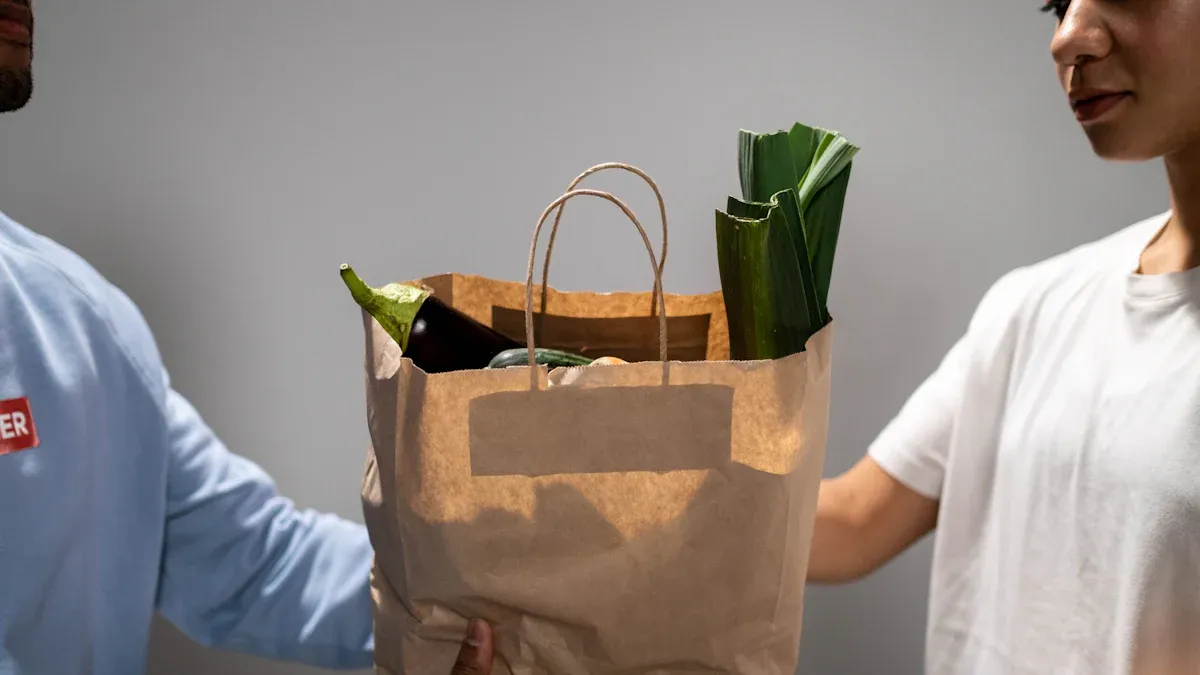
When you choose sustainable options like refill zones or eco-friendly products, you contribute to reducing waste and supporting greener practices. Small actions, like bringing reusable bags or selecting locally sourced items, make a big difference. Your participation not only helps the environment but also encourages ASDA to expand its sustainability programs.
Collaboration between retailers, suppliers, and consumers
Sustainability thrives when everyone works together. You, along with retailers and suppliers, form a critical part of this collaboration. Here’s how this partnership drives sustainable practices:
-
Over 65% of consumers want to make sustainable choices, showing strong demand for eco-friendly products.
-
Retailers and suppliers respond by offering clearer information about sustainability and expanding their range of sustainable goods.
-
Efforts like environmental footprint labeling provide credible details about product sustainability, empowering you to make informed decisions.
-
Proposals for a unified approach to green transitions aim to make sustainable options more accessible across regions.
-
Economic pressures remain a barrier, but collaboration ensures sustainable products become affordable and appealing to all.
When you choose sustainable products, you encourage retailers and suppliers to continue innovating. Together, this collaboration creates a system where sustainability becomes the norm.
How individual actions contribute to larger sustainability goals
Your daily choices have a ripple effect on larger sustainability goals. For example, surveys show that higher-income individuals are more likely to adopt sustainable behaviors. However, lower-income individuals face barriers, such as the higher cost of eco-friendly products. This highlights the importance of making sustainable options affordable for everyone.
Every action you take, no matter how small, contributes to a greener future. Choosing refillable products, reducing food waste, or supporting local suppliers helps reduce environmental impact. These individual efforts, when combined, drive significant progress toward achieving sustainability goals in retail.
By participating in ASDA’s initiatives and making thoughtful choices, you play a key role in shaping a sustainable future for all.
ASDA has made remarkable progress in its sustainability journey. Key achievements include a 50% emission reduction target by 2025 and the removal of 3 billion plastic items by the same year. Innovations like the recyclable 'BRRR Box' and sustainable shelf edge labels highlight ASDA's commitment to reducing waste. However, challenges like balancing affordability and scaling eco-friendly practices require collective efforts. Your choices, such as opting for refill zones or sustainable products, play a vital role. Together, you and ASDA can create a greener future for generations to come.
Quick Facts:
Net zero carbon emissions by 2040
20% food waste reduction by 2025
FAQ
What is ASDA’s net zero carbon goal?
ASDA aims to achieve net zero carbon emissions by 2040. This means the company plans to balance the carbon it emits with the carbon it removes from the atmosphere. You can support this goal by choosing eco-friendly products and reducing waste during your shopping trips.
How do refill zones work?
Refill zones let you bring your own containers to purchase items like pasta, cereals, and cleaning supplies. This reduces single-use packaging waste. Simply weigh your container, fill it with the product, and pay for the weight of the contents. ♻️
Why does ASDA focus on cutting single-use plastics?
Single-use plastics harm the environment by polluting oceans and landfills. ASDA’s initiatives, like refill zones and sustainable packaging, aim to reduce plastic waste. By choosing reusable or recyclable options, you help protect the planet for future generations.
How can you participate in ASDA’s sustainability efforts?
You can bring reusable bags, choose refillable products, and buy locally sourced items. Supporting ASDA’s Preloved clothing program also helps reduce waste. Every small action you take contributes to a greener future. 🌍
What happens to ASDA’s surplus food?
ASDA donates surplus food to charities and food banks through partnerships with organizations like FareShare. This ensures that unsold food helps those in need instead of going to waste. You can also reduce food waste by purchasing discounted items nearing their expiration dates.
Related content