
Advancements in Solar Technology at Intersolar South America
Author:XTransfer2025.12.04Intersolar South America 2025, São Paulo, Brazil
Intersolar South America 2025 stands as a beacon of innovation in the solar industry. This event showcases groundbreaking advancements that are transforming renewable energy. You can see its significance reflected in the numbers:
-
Over 500 companies exhibited their latest technologies.
-
More than 9,000 visitors attended, demonstrating global interest.
-
Representatives from 59 countries and all 50 U.S. states participated, highlighting its worldwide impact.
The energy transition is accelerating with trends like high-efficiency solar panels and hybrid systems. Solar power generation is projected to reach thousands of terawatt-hours by 2030, driven by technological progress and decreasing costs. Events like this shape the future of energy.
Overview of Intersolar South America 2025
Event purpose and focus areas
Intersolar South America 2025 serves as a vital platform for innovation and collaboration in the renewable energy sector. The event brings together stakeholders from across the globe to discuss the future of solar energy generation. It focuses on key areas such as photovoltaics, PV production, and solar thermal technologies. According to Rodrigo Sauaia, CEO of ABSOLAR, photovoltaic technology plays a crucial role in Brazil's energy transition. It not only supports environmental goals but also drives social and economic development. Florian Wessendorf, Managing Director of Solar Promotion International, highlights the event as a hub for exploring trends and opportunities in the solar business.
Location and key participants
The event takes place in São Paulo, Brazil, a country leading the renewable energy movement in Latin America. São Paulo’s vibrant business environment makes it an ideal location for fostering partnerships and exploring business opportunities. Intersolar South America 2025 attracts a diverse group of participants, including policymakers, industry leaders, and innovators. You will find representatives from the Intersolar Summit Brasil Nordeste, which focuses on regional renewable energy events, contributing to the broader discussion on solar energy. This diverse participation ensures a rich exchange of ideas and solutions.
Role in Latin America's energy transition
Intersolar South America 2025 plays a pivotal role in advancing Latin America's energy transition. The region has immense potential for solar energy generation, and Brazil stands at the forefront of this movement. By showcasing cutting-edge technologies and fostering collaboration, the event accelerates the adoption of renewable energy solutions. It also highlights the importance of integrating solar with other renewable sources to create hybrid systems. For you, this event represents a unique opportunity to learn about the latest advancements and trends shaping the future of energy in Latin America.
Keynote Speeches and Insights
Energy transition and solar evolution
At Intersolar South America 2025, keynote speakers emphasized the critical role of solar energy in the global energy transition. You can see how solar technologies are evolving to meet growing energy demands while reducing carbon emissions. Experts highlighted that Europe’s grid-connected photovoltaic (PV) capacity is projected to reach nearly 100 GW by 2024. Germany is expected to lead this demand, accounting for 19% of PV module consumption. Other countries like Poland, Italy, the Netherlands, and Spain will collectively contribute about 50% of Europe’s total demand. These figures demonstrate the rapid adoption of solar energy worldwide and underline the importance of staying ahead of trends in renewable energy.
Speakers also discussed how Latin America, particularly Brazil, is uniquely positioned to benefit from these advancements. With abundant sunlight and increasing investments in solar infrastructure, the region is poised to become a leader in renewable energy. You can expect to see continued growth in distributed and centralized solar generation, driven by the latest innovations in photovoltaic technologies.
Green hydrogen integration
Green hydrogen emerged as a key topic during the event. This clean energy source is produced using renewable electricity, such as solar power, to split water into hydrogen and oxygen. You learned how green hydrogen can complement solar energy by providing a reliable storage solution and enabling energy use during periods of low sunlight. Experts explained that integrating green hydrogen into existing energy systems can help reduce reliance on fossil fuels and support a more sustainable energy future.
Brazil’s potential for green hydrogen production was a focal point of the discussion. The country’s vast renewable energy resources, including solar, make it an ideal location for developing green hydrogen projects. By combining solar energy with green hydrogen, you can create hybrid systems that enhance energy efficiency and reliability. This integration represents one of the most exciting trends in renewable energy today.
Innovations in energy storage
Energy storage technologies took center stage as speakers explored their role in stabilizing power grids and supporting renewable energy adoption. You discovered how companies are developing advanced storage solutions to address challenges like grid congestion and intermittent energy supply. The following table highlights some of the latest innovations presented during the event:
|
Company |
Technology Description |
Performance Metrics |
|---|---|---|
|
Wärtsilä |
Offers hardware, software, and lifecycle solutions for optimized power systems. |
Global portfolio exceeding 13 GWh, focuses on safety and intelligence in energy storage systems. |
|
NHOA Energy |
Designs and services Battery Energy Storage Systems for utility-scale applications. |
Tier-1 Energy Storage Systems Supplier, guarantees cybersecurity and optimized system sizing. |
|
Powin |
Integrates energy storage with data-driven software controls and proven hardware. |
Focuses on scalable systems, alleviates grid congestion, and ensures predictable energy throughout project lifetime. |
These innovations are transforming how you store and use solar energy. By adopting these cutting-edge technologies, you can ensure a more stable and efficient energy supply. The event highlighted how energy storage is not just a supporting technology but a cornerstone of the renewable energy transition.
Exhibition Highlights
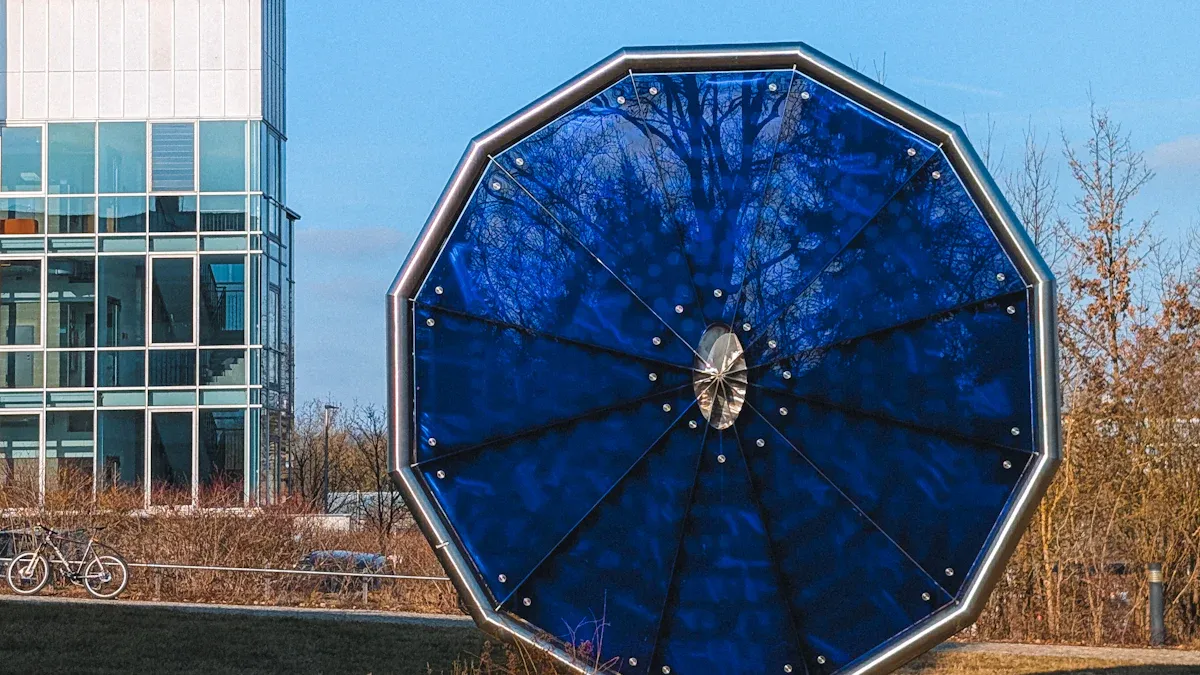
Distributed and centralized solar generation
At Intersolar South America 2025, you can explore the advancements in both distributed and centralized solar generation. Distributed solar systems, often installed on rooftops or small-scale facilities, empower individuals and businesses to generate their own energy. Centralized systems, on the other hand, focus on large-scale solar farms that supply power to entire regions. Both approaches play a crucial role in Brazil's energy landscape.
The following table highlights key differences between distributed and centralized solar generation:
|
Specification |
Distributed Solar Generation |
Centralized Solar Generation |
|---|---|---|
|
Number of States with Net Metering |
43 |
N/A |
|
Fixed Rate Charge Increases |
32 cases in 18 states |
N/A |
|
Percentage Increase in Charges |
10% or more |
N/A |
These systems complement each other, ensuring a balanced and resilient energy supply.
Renewable energy integration breakthroughs
The exhibition showcased groundbreaking renewable energy integration technologies. You learned about systems that seamlessly combine solar with other renewable sources like wind and hydropower. These integrations enhance efficiency and reliability, addressing challenges like variable energy output.
The table below outlines some performance breakthroughs in renewable energy integration:
|
Performance Measure |
Description |
|---|---|
|
Efficiency of electrolyzer systems |
Quantified based on the ability to accommodate renewable electricity sources and stack efficiency. |
|
Hydrogen purity at low power |
Measured during characterization testing under variable-input power conditions. |
|
Long-term effects of variable power |
Assessed on electrolyzer system and stack efficiency over time. |
These advancements demonstrate how renewable energy events like this drive innovation and support the energy transition.
Green hydrogen projects
Green hydrogen projects took center stage at the exhibition. Brazil's abundant solar resources make it an ideal location for producing green hydrogen. This clean energy source is created by using renewable electricity to split water into hydrogen and oxygen. By integrating green hydrogen with solar, you can achieve hybrid systems that provide reliable energy even during low sunlight periods.
These projects represent the latest innovations in renewable energy, showcasing Brazil's leadership in this field. The Intersolar Summit Brasil Nordeste also contributed to discussions on green hydrogen, emphasizing its role in the region's energy future.
Workshops and Panels
AI in energy storage systems
Artificial intelligence (AI) is revolutionizing energy storage systems by making them smarter and more efficient. During the workshops, experts explained how AI predicts demand fluctuations and optimizes charge and discharge cycles. This ensures that energy is stored and used effectively, even during peak demand or low renewable output periods.
AI also plays a critical role in balancing supply and demand. It manages energy storage systems to stabilize grids and maximize the use of renewable energy. For example:
-
AI determines the best times to charge or discharge batteries.
-
It enhances system performance by reducing energy losses.
-
It ensures grid stability by adapting to changing energy needs.
These advancements highlight how AI is transforming energy storage into a cornerstone of the energy transition.
Advances in photovoltaic technologies
The workshops also showcased cutting-edge photovoltaic technology advancements. You learned about new materials and designs that improve solar panel efficiency. The following table summarizes key performance metrics discussed:
|
Metric |
Description |
|---|---|
|
Conversion Efficiency |
Measures how effectively solar panels convert sunlight into electricity. |
|
Quantum Efficiency |
Evaluates how well photons are converted into electrons. |
|
Fill Factor |
Indicates the quality and efficiency of solar cells. |
|
Loss Mechanisms |
Identifies factors like thermalization and spectral mismatch that reduce efficiency. |
|
Advanced Material Combinations |
Explores multi-junction and perovskite-silicon tandem cells for higher efficiency. |
These innovations are driving the solar industry forward, offering new opportunities for businesses to adopt more efficient renewable energy solutions.
Policy and market trends in South America
Policy and market trends in South America are creating significant opportunities for renewable energy growth. Brazil, a leader in this sector, generated nearly 92% of its electricity from renewable sources in 2022. The country’s total installed solar capacity grew from 14.19 GW in 2021 to approximately 24.08 GW in 2022. This rapid growth is fueled by net-metering policies and decreasing solar energy costs.
By 2024, Brazil is expected to have 1.2 million solar power generation systems. The Intersolar Summit Brasil Nordeste highlighted how these policies are shaping the region’s energy future. For businesses, this represents a chance to invest in a thriving market and contribute to the energy transition.
Renewable energy events like this provide a platform to explore these trends and technologies. They also emphasize the importance of collaboration in achieving a sustainable energy future.
Emerging Trends in Solar Technology
High-efficiency solar panels
High-efficiency solar panels are revolutionizing the way you harness sunlight for electricity. Recent advancements in photovoltaic technology have focused on improving efficiency and durability. For example, researchers at the University of Surrey developed perovskite solar cells that convert 23% of sunlight into usable electricity. These cells also last 66% longer than earlier versions due to innovative chemical solutions.
Perovskite-silicon tandem cells represent another breakthrough. By layering an ultra-thin perovskite cell on top of a silicon cell, these panels achieve an impressive efficiency of 33.9%. This surpasses the theoretical limit of single-junction cells. The table below highlights some of the most notable innovations in this field:
|
Innovation |
Description |
Efficiency |
Source |
|---|---|---|---|
|
Perovskite-Silicon Tandem Cells |
Layering an ultra-thin perovskite cell on a silicon cell |
33.9% |
LONGi, Nature |
|
Enhanced Perovskite Cells |
Improved durability and efficiency through stabilization |
23% |
University of Surrey, Energy and Environmental Science |
These advancements are not just technical achievements. They also open new opportunities for businesses to adopt more efficient solar solutions. As research and investment in perovskite technology grow, you can expect even greater efficiency, durability, and cost-effectiveness in the future.
Smart grid and digitalization
Smart grids and digitalization are transforming how you interact with energy systems. A smart grid uses advanced digital technology to monitor and manage energy flow in real time. This ensures that energy is distributed efficiently and reliably. For example, smart grids can detect power outages and reroute electricity to minimize disruptions.
Digitalization also plays a key role in integrating renewable energy sources like solar and wind into the grid. By using data analytics and artificial intelligence, smart grids can predict energy demand and optimize supply. This reduces waste and enhances the overall efficiency of the energy system.
You can see the benefits of smart grids in Brazil, where digital solutions are helping to manage the growing adoption of solar energy. These systems enable better coordination between distributed and centralized solar generation, ensuring a stable and resilient energy supply. As digitalization continues to advance, it will play an even greater role in supporting the energy transition.
Hybrid renewable energy systems
Hybrid renewable energy systems combine multiple energy sources to create a more reliable and efficient power supply. For example, you can integrate solar energy with wind or hydropower to balance the variability of each source. When sunlight is low, wind or hydropower can fill the gap, ensuring a consistent energy supply.
Brazil is leading the way in adopting hybrid systems. The country’s abundant renewable resources make it an ideal location for these innovations. At the Intersolar Summit Brasil Nordeste, experts highlighted how hybrid systems can enhance energy efficiency and reduce reliance on fossil fuels. By combining solar with green hydrogen, you can create systems that store energy for use during periods of low sunlight.
These systems are not just about technology. They also represent a shift toward a more sustainable and resilient energy future. By adopting hybrid renewable energy systems, you can contribute to reducing carbon emissions and supporting the global energy transition.
Intersolar South America 2025 showcased remarkable advancements in solar technology and renewable energy. You saw how trends like high-efficiency solar panels, smart grids, and hybrid systems are shaping the future. These innovations create new opportunities for businesses to lead the energy transition. The event also highlighted the growing role of Brazil in the solar industry, emphasizing its potential to drive global change. By embracing these advancements, you can contribute to a more sustainable future. Collaboration and innovation remain essential for achieving a cleaner energy landscape.
FAQ
What is the main focus of Intersolar South America 2025?
The event focuses on showcasing advancements in solar technology and renewable energy. It highlights innovations in photovoltaics, energy storage, and hybrid systems. You can also explore how these technologies contribute to the global energy transition.
How does Brazil benefit from solar energy?
Brazil benefits from abundant sunlight, making it ideal for solar power generation. The country’s growing investments in renewable energy help reduce carbon emissions, create jobs, and support sustainable development.
What are hybrid renewable energy systems?
Hybrid systems combine multiple energy sources, like solar and wind, to ensure a reliable power supply. These systems balance energy production during periods of low sunlight or wind, enhancing efficiency and reducing reliance on fossil fuels.
Why is green hydrogen important for renewable energy?
Green hydrogen provides a clean energy storage solution. It complements solar power by storing excess energy and supplying it during low sunlight periods. This integration supports a sustainable and reliable energy future.
How does AI improve energy storage systems?
AI optimizes energy storage by predicting demand and managing charge cycles. It ensures efficient use of stored energy, reduces waste, and stabilizes power grids. This makes renewable energy systems more reliable and effective.
Related content