
Exploring Tiki Culture and Its Journey Across Time
Author:XTransfer2025.12.03Vibrant World of Tiki Culture
Imagine stepping into a vibrant atmosphere, where tiki torches flicker, tropical drinks flow, and Polynesian-inspired décor transports you to an island paradise. That’s the magic of the vibrant world of Tiki culture. It’s more than just a style; it’s a feeling—a mix of mythology, escapism, and adventure wrapped in tropical aesthetics.
Tiki culture has captivated hearts worldwide, and the numbers prove it. The global Tiki Torch Market hit $485 million in 2023 and is expected to soar to $822.7 million by 2030. This growing popularity shows how Tiki culture continues to inspire relaxation and nostalgia, even decades after its beginnings.
The Origins of the Vibrant World of Tiki Culture
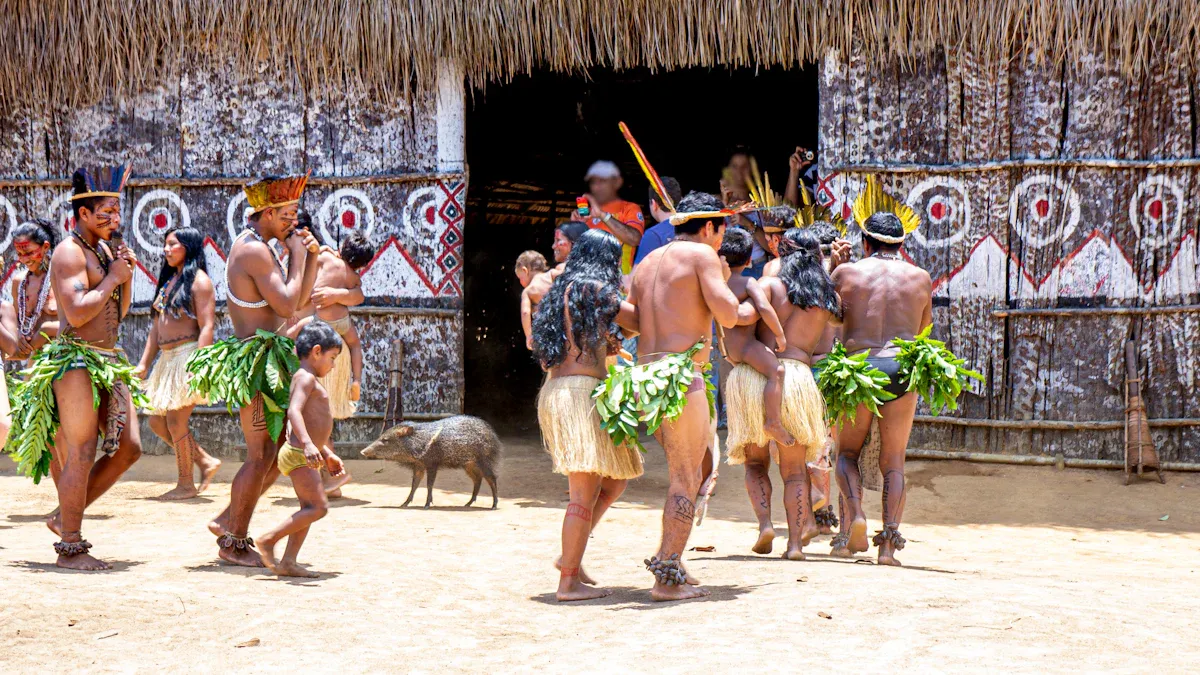
Polynesian Mythology and the Tiki Figure
When you think about the vibrant world of tiki culture, it’s impossible to ignore its deep roots in Polynesian mythology. The word "tiki" itself refers to carved humanoid figures that represent gods, ancestors, or spiritual guardians. These figures weren’t just decorative; they held immense cultural and spiritual significance for the Polynesian people.
In Polynesian mythology, Tiki is often considered the first man created by the gods. He symbolizes the connection between humans and the divine. You’ll find these carvings in temples, homes, and sacred spaces, where they serve as protectors and storytellers of ancient myths.
Archaeological studies and historical records reveal that tiki culture draws from the traditions of Oceanic societies, including Polynesian, Melanesian, and Micronesian groups. Early European explorers were fascinated by these intricate carvings and the rich mythology behind them. This fascination played a role in spreading the concept of tiki beyond its original cultural context.
Here’s a quick look at some key facts about tiki figures:
-
They represent deities or ancestors and act as spiritual guardians.
-
Each carving tells a unique story, often tied to local myths and legends.
-
Tiki statues serve as a bridge between the physical and spiritual worlds.
These carvings are more than just art; they’re a window into the history of tiki culture and its enduring influence on the world.
Cultural Significance in Polynesian Traditions
Tiki figures aren’t just symbols; they’re woven into the fabric of Polynesian traditions. They play a vital role in shaping social structures, religious practices, and community identity. For example, tiki statues often stand at the entrance of sacred sites, acting as guardians that protect the space from harm.
Polynesian communities also use tiki figures to honor their ancestors. These carvings embody the spirits of those who came before, keeping their memory alive and ensuring their guidance for future generations. This practice highlights the deep respect Polynesian cultures have for their heritage.
To better understand the cultural impact of tiki, let’s explore some fascinating evidence:
|
Evidence Type |
Details |
|---|---|
|
Cultural Interactions |
Polynesian Outliers in Vanuatu show cultural diversity from migrations. |
|
Language Influence |
Polynesian vocabulary appears in Southern Vanuatu myths and practices. |
|
Genetic Evidence |
Studies link modern Polynesians to ancient populations in Vanuatu. |
|
Social Structure |
Polynesian chiefly systems and landholding practices are evident. |
These findings show how Polynesian traditions have influenced not only tiki culture but also the broader Oceanic region.
You might also find it interesting that Polynesian mythology includes figures like Maui and Tangaroa, who appear in stories across the Pacific. These shared myths reflect the interconnectedness of Polynesian societies and their shared cultural heritage.
Tiki culture, as we know it today, owes much of its charm and mystique to these rich traditions. By understanding its origins, you can appreciate how it evolved into the vibrant world of tiki culture that continues to captivate people worldwide.
The Birth of Tiki Bars and Their Cultural Impact
Don the Beachcomber and the First Tiki Bar
The story of tiki bars begins with a man named Ernest Gantt, later known as Donn Beach. In 1933, he opened a small bar in Los Angeles called Don the Beachcomber. This wasn’t just any bar—it was a tropical escape. He decorated the space with Polynesian artifacts he had collected during his travels and served exotic rum cocktails that no one had ever tasted before. Imagine sipping a drink like the Sumatra Kula while surrounded by bamboo furniture and flickering tiki torches. It was an experience unlike anything else at the time.
Donn Beach’s creativity didn’t stop at the décor. He invented tiki cocktails that became instant hits, like the famous Zombie. These drinks weren’t just beverages; they were works of art, blending multiple types of rum with fresh juices and secret spices. Hollywood elites quickly fell in love with the place, making it a hotspot for glamour and escapism. By the 1940s, returning G.I.s from the South Pacific brought back a fascination with Polynesian culture, fueling the tiki trend even more.
Over time, Don the Beachcomber expanded into a chain of tiki bars across the U.S., spreading the magic of tiki culture far and wide. It wasn’t just about the drinks—it was about transporting people to a tropical paradise, even if only for a few hours.
Trader Vic’s Role in Shaping Tiki Culture
While Donn Beach may have started the tiki bar craze, Victor Bergeron, better known as Trader Vic, took it to the next level. In 1934, he transformed his small Oakland bar into a Polynesian-themed haven. Trader Vic’s became famous for its immersive atmosphere, complete with tiki carvings, tropical music, and, of course, legendary cocktails.
One of Trader Vic’s most significant contributions to tiki culture was the invention of the Mai Tai. This iconic drink became a symbol of tiki bars everywhere. But Trader Vic didn’t stop there. He introduced custom ceramic mugs shaped like tikis, which became collectibles and added a fun, interactive element to the drinking experience.
Trader Vic’s influence extended beyond bars. His restaurants inspired Polynesian-themed architecture in motels and homes, and tiki culture found its way into Hollywood movies and attractions like Disney’s Enchanted Tiki Room. By blending escapism with creativity, Trader Vic helped cement tiki culture as a lasting part of American pop culture.
Together, Don the Beachcomber and Trader Vic created a legacy that continues to inspire tiki bar crawls, tiki cocktails, and the vibrant world of tiki culture you see today.
The Golden Age of Tiki Culture
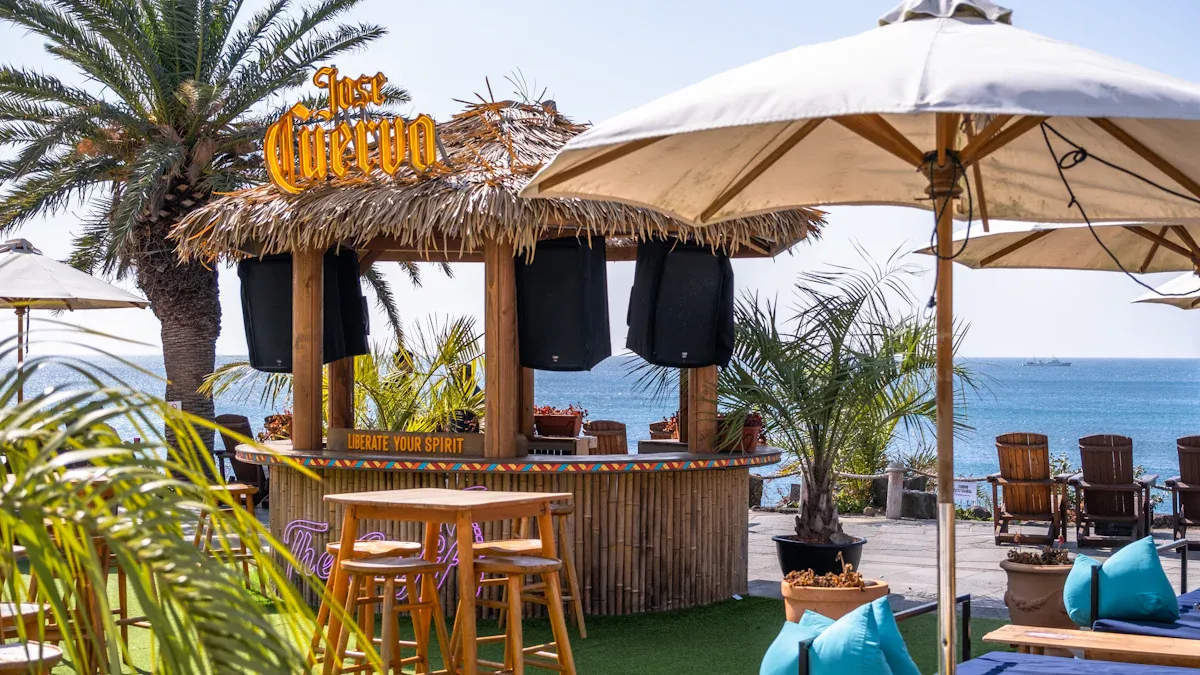
Post-War Escapism and Mid-Century Popularity
Picture this: it’s the late 1940s, and the world is recovering from the chaos of World War II. People are craving an escape, something that feels far removed from the harsh realities of everyday life. That’s where tiki culture steps in. It offers a tropical fantasy—a way to unwind and dream of far-off islands without ever leaving your city.
Tiki bars become the ultimate getaway. You walk into one, and suddenly you’re surrounded by bamboo walls, glowing tiki torches, and the soothing sounds of Hawaiian music. The drinks? They’re not just cocktails; they’re mini-vacations in a glass. Think Mai Tais and Zombies, each one bursting with exotic flavors.
During this time, tiki culture isn’t just about bars. It’s a lifestyle. Backyard luaus become the go-to way to entertain friends. You might even find yourself sipping a tiki cocktail while wearing a Hawaiian shirt, feeling like you’re on a beach in the South Pacific.
This era, often called the golden age of tiki, captures the imagination of millions. It’s all about escapism, and it’s exactly what people need after years of war and uncertainty.
Tiki’s Influence on Architecture, Music, and Pop Culture
Tiki culture doesn’t stop at drinks and décor. It spills over into architecture, music, and even movies. Ever notice those quirky A-frame buildings with thatched roofs? That’s tiki-inspired architecture. These structures pop up everywhere, from motels to restaurants, creating a sense of adventure and fun.
Music also plays a huge role. Exotica, a genre blending tropical sounds with jazz, becomes the soundtrack of tiki culture. Artists like Martin Denny and Les Baxter transport you to lush, imaginary islands with their melodies. It’s the kind of music that makes you want to close your eyes and sway to the rhythm of the waves.
Hollywood jumps on the tiki bandwagon too. Films set in tropical locations, like "South Pacific," bring the allure of island life to the big screen. Even Disneyland gets in on the action with the Enchanted Tiki Room, a whimsical attraction that celebrates all things tiki.
Tiki culture becomes more than a trend—it’s a phenomenon. It shapes how people design their spaces, what they listen to, and even how they dream about adventure. And while its popularity eventually fades, its influence leaves a lasting mark on American pop culture.
The Decline and Revival of Tiki
The Fall of Tiki in the 1960s
By the 1960s, tiki culture started losing its charm. The vibrant Hawaiian tiki bars and tropical-themed events that once felt like magical escapes began to feel outdated. People were shifting their focus to new trends, leaving tiki behind. The rise of modern minimalism didn’t help either. Sleek designs replaced the colorful, elaborate tiki aesthetics, and the once-popular tiki bars started closing their doors.
Another reason for the decline was oversaturation. Tiki culture had become so mainstream that it lost its sense of novelty. Restaurants, motels, and even bowling alleys adopted tiki themes, but many lacked authenticity. The magic of tiki cocktails and Polynesian-inspired décor faded as these spaces became more gimmicky than immersive.
You might also notice that the cultural landscape was changing. The civil rights movement and growing awareness of cultural appropriation made people question the commercialization of Polynesian traditions. Tiki culture, once celebrated, now faced criticism for its lack of respect for its origins.
The Resurgence in the 2000s and Nostalgia-Driven Trends
Fast forward to the early 2000s, and tiki culture made a surprising comeback. Nostalgia played a big role. People started longing for the carefree vibes of mid-century tiki bars and backyard luaus. This renewed interest wasn’t just about reliving the past—it was about reimagining tiki for a modern audience.
Craft cocktails became the centerpiece of this revival. Mixologists embraced the complexity of tiki drinks, creating masterpieces with layered flavors and fresh ingredients. Bars like Smuggler’s Cove in San Francisco and Latitude 29 in New Orleans brought tiki culture back to life with their creative menus and immersive atmospheres.
Collectors also fueled the resurgence. Vintage tiki mugs became hot commodities, with enthusiasts hunting for rare designs at flea markets and online auctions. These mugs weren’t just drinkware; they were pieces of art that celebrated tiki aesthetics.
Festivals and events dedicated to tiki culture started popping up, drawing crowds eager to experience the magic of tiki once again. You could attend a tiki festival and find everything from live music to workshops on crafting the perfect Mai Tai. These gatherings weren’t just about fun—they were about celebrating the legacy of tiki culture while giving it a fresh twist.
Today, tiki culture thrives as a blend of nostalgia and innovation. It’s not just about recreating the past; it’s about honoring its roots while adapting to modern tastes. Whether you’re sipping a tiki cocktail or attending a Hawaiian tiki-themed event, you’re part of a movement that keeps this vibrant culture alive.
Modern Tiki Culture and Its Evolution
Sustainability and Ethical Considerations
You’ve probably noticed that modern tiki culture is evolving to reflect today’s values. Sustainability and ethical practices are now at the forefront of this transformation. People are asking questions like, “How can tiki bars and restaurants honor the environment and the cultures they draw inspiration from?”
One big change is the shift toward eco-friendly materials. Bamboo straws, reusable tiki mugs, and biodegradable décor are replacing single-use plastics. This isn’t just about saving the planet—it’s about creating a more authentic and responsible tiki experience. When you sip tropical drinks from a sustainable tiki mug, you’re not just enjoying the flavors; you’re supporting a movement that cares about the future.
Restaurants are also stepping up their game. Many now source ingredients locally, reducing their carbon footprint while offering fresher tropical cocktails. You’ll find bars in places like San Francisco tiki hotspots leading the charge, blending innovation with environmental consciousness.
Ethical considerations go beyond sustainability. Modern tiki culture is working to respect its Polynesian roots. You’ll see more efforts to collaborate with artists and communities from Hawaii and other Pacific islands. This ensures that the designs, music, and stories featured in tiki events honor their origins rather than exploit them.
New Interpretations in Art, Cocktails, and Design
Tiki culture today is all about creativity. You’ll find fresh interpretations in art, cocktails, and design that breathe new life into this tropical aesthetic.
Artists are reimagining tiki fashion and décor with bold, modern twists. Think vibrant Hawaiian shirt patterns that blend traditional motifs with contemporary styles. These designs celebrate the Hawaiian lifestyle while appealing to today’s tastes. You might even spot murals or sculptures that combine classic tiki figures with abstract art, creating a fusion that feels both nostalgic and new.
Cocktails are getting a makeover too. Mixologists are crafting tropical cocktails with unexpected ingredients like smoked pineapple or spiced coconut. These drinks aren’t just delicious—they’re an immersive experience. Bars like those in San Francisco tiki scenes are leading the way, offering menus that feel like a journey through Hawaii’s flavors.
Design is where tiki culture truly shines. Modern tiki bars and restaurants are embracing immersive experiences with high-tech elements. Imagine walking into a space where projections of waves and sunsets transport you to a Hawaiian paradise. These innovations make tiki events unforgettable, blending tradition with cutting-edge creativity.
Cultural Debates and Respect for Polynesian Heritage
As tiki culture evolves, so do the conversations around its impact on Hawaiian culture and Polynesian heritage. You might wonder, “How can we enjoy tiki without crossing the line into cultural appropriation?”
Respect starts with education. Learning about the origins of tiki culture helps you appreciate its depth and significance. For example, tiki figures aren’t just decorations—they’re sacred symbols in Polynesian traditions. When you understand this, you can approach tiki fashion and décor with greater mindfulness.
Many modern tiki enthusiasts are advocating for more authentic representations of Hawaiian culture. Restaurants and bars are collaborating with Polynesian artists and historians to ensure their spaces honor the heritage they celebrate. This isn’t just about avoiding stereotypes—it’s about creating a connection that feels genuine and respectful.
Cultural debates also highlight the importance of giving back. Some tiki events now include fundraisers for Hawaiian communities or initiatives that support indigenous artists. These efforts show that tiki culture can evolve into something that uplifts rather than exploits.
Modern tiki culture is more than just a revival—it’s a reimagining. By focusing on sustainability, creativity, and respect, you can enjoy this vibrant world while contributing to its positive evolution.
Tiki culture has traveled an incredible journey—from its roots in Polynesian mythology to its rise as a global phenomenon. It began with the romanticized allure of the South Pacific, blossomed into vibrant tiki bars like Don the Beachcomber, and continues to thrive today.
-
Tiki bars captivate with their tropical décor and fruity cocktails.
-
Hawaiian shirts and tiki accessories bring island vibes to everyday life.
-
Tiki mythology adds depth, celebrating gods that symbolize life’s many facets.
FAQ
What is Tiki culture all about?
Tiki culture blends Polynesian mythology, tropical aesthetics, and escapism. It’s about creating a fun, relaxing vibe with tiki bars, fruity cocktails, and island-inspired décor. Think of it as a mini vacation without leaving home! 🌴
Are tiki bars authentic representations of Polynesian culture?
Not entirely. Tiki bars borrow elements from Polynesian traditions but often mix them with Hollywood-style fantasy. Modern tiki culture aims to honor its roots while avoiding stereotypes.
What’s the most famous tiki cocktail?
The Mai Tai takes the crown! Trader Vic created this rum-based drink in 1944. Its tropical flavors and refreshing taste make it a tiki bar favorite. 🍹
How can I enjoy tiki culture responsibly?
Choose tiki bars and events that respect Polynesian heritage. Look for sustainable practices like bamboo straws and reusable mugs. Supporting local artists and authentic designs also helps.
Is tiki culture still popular today?
Absolutely! Tiki culture has seen a revival, blending nostalgia with modern creativity. From craft cocktails to immersive tiki bars, it’s thriving as a fun and vibrant escape.
Related content