
The Most Exciting Design Trends to Watch from Milan Design Week
Author:XTransfer2025.12.08Milan Design Week
Every year, Milan Design Week transforms the city into a hub of creativity and innovation. In 2025, the event has once again raised the bar, showcasing contemporary design that blends functionality with artistic expression. Have you noticed how interior design is embracing sustainability and inclusivity like never before? For example, Hydro's R100 project highlights the use of 100% post-consumer aluminum, proving that durable materials can also be eco-friendly. Meanwhile, installations like Lasvit's water-inspired glass designs at Euroluce bring a sense of calm and beauty to modern spaces. Whether it's the sleep economy or bold metal accents, these trends are shaping the future of design.
Sustainable Design at Milan Design Week 2025
Circular Design and Upcycled Materials
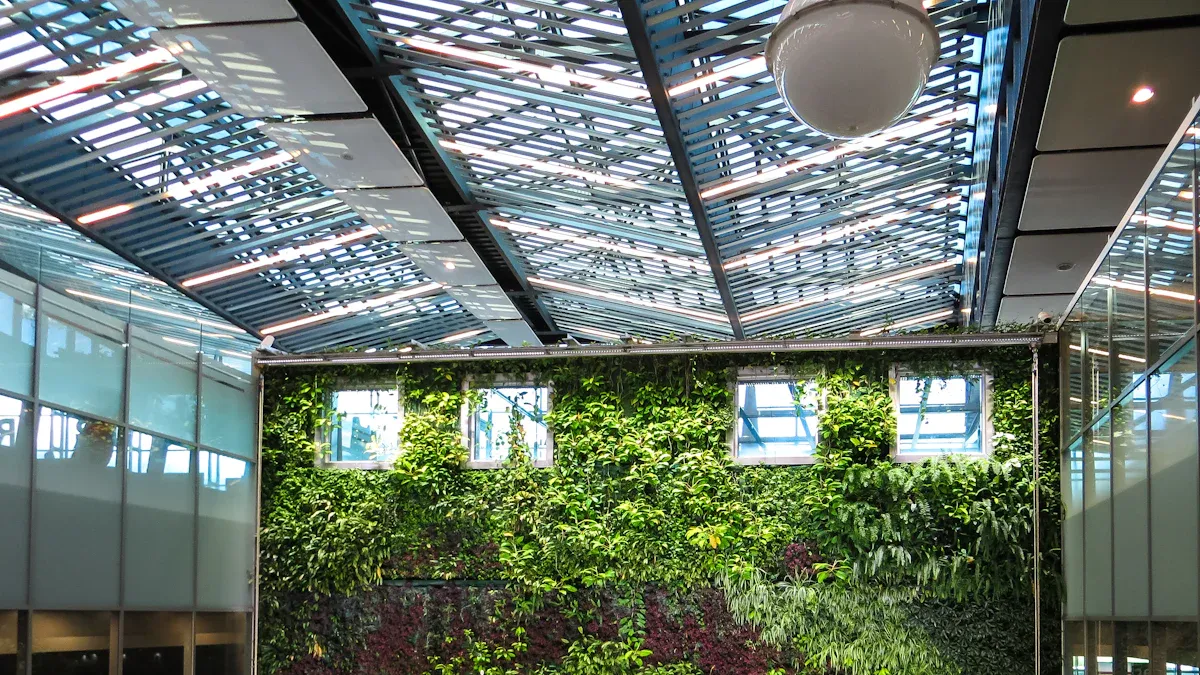
Have you ever thought about how much waste we create every day? Circular design is changing that by focusing on products that generate no waste or pollution. At Milan Design Week 2025, this concept took center stage. Designers showcased creations made entirely from upcycled materials, proving that sustainability can be stylish. For example, some furniture pieces were crafted from repurposed wood and metal, giving old materials a new life.
The global upcycling market is booming, with projections reaching $56.8 billion by 2027. This growth shows how much people value sustainable materials. Upcycling doesn’t just help the planet; it also saves money. Companies can cut costs by reusing materials instead of buying new ones. It’s a win-win for everyone.
Biophilic Design and Nature-Inspired Aesthetics
Imagine walking into a room that feels like a forest or a garden. That’s the magic of biophilic design. At Milan Design Week, you could see how designers are bringing nature indoors. Think of furniture shaped like tree branches or walls covered in moss. These designs don’t just look good; they make you feel good too. Studies show that being surrounded by nature-inspired elements can reduce stress and improve focus.
This trend is all about creating a connection between you and the natural world. It’s not just about adding plants to your space. It’s about using natural shapes, colors, and textures to make your home feel alive.
Energy-Efficient Innovations in Design
Energy efficiency isn’t just for appliances anymore. Designers at Milan Design Week 2025 are finding creative ways to save energy through design. For instance, some lighting systems adjust automatically based on the time of day, reducing energy use. Others use solar panels integrated into the design, making them both functional and eco-friendly.
These innovations show how design can solve real-world problems. By choosing energy-efficient options, you’re not just saving money on your bills. You’re also helping to reduce your carbon footprint. It’s amazing how small changes in design can make a big difference.
Digital and AI-Driven Design Trends
AI-Generated Art and Furniture
Have you ever wondered what happens when creativity meets artificial intelligence? At Milan Design Week 2025, AI stole the spotlight by crafting stunning art and furniture that felt both futuristic and personal. Designers used AI to generate unique patterns, shapes, and even entire pieces of furniture. These creations weren’t just beautiful—they were also tailored to individual tastes, making each piece feel one-of-a-kind.
The rise of AI in design reflects a growing digital transformation. Milan Design Week 2025 is projected to generate over €278 million in revenue, a 1.1% increase from the previous year. This shows how much people value innovation in design. AI isn’t just a tool; it’s becoming a partner in the creative process, helping designers push boundaries like never before.
Immersive Virtual Reality Installations
Imagine stepping into a room where the walls shift, the floor glows, and the air hums with sound. That’s the magic of immersive installations powered by virtual reality (VR). At Milan Design Week, these experiences transported visitors to entirely new worlds. Whether it was exploring a futuristic city or walking through a digital forest, VR made design feel alive.
The impact of these installations is undeniable. Take a look at these stats:
|
Statistic |
Description |
|---|---|
|
AR product experiences are 200% more engaging |
They deliver double the levels of interactivity compared to their non-AR equivalent. |
|
71% of consumers would shop more often if AR was an option |
This indicates a strong preference for engaging with products through AR experiences. |
|
40% of consumers would pay more for a product they could customize in AR |
This shows that immersive experiences can enhance perceived value and willingness to pay. |
These numbers prove how VR and AR are reshaping how you interact with design. It’s not just about looking at something—it’s about feeling like you’re part of it.
Technology Meets Craftsmanship in Design
What happens when cutting-edge technology meets traditional craftsmanship? You get designs that are both innovative and deeply rooted in culture. At Milan Design Week 2025, this fusion was everywhere. Designers used AI to streamline processes, allowing them to focus on intricate details. The result? Pieces that felt modern yet timeless.
Here’s how technology is transforming craftsmanship:
|
Outcome |
Description |
|---|---|
|
Design Efficiency |
Technology enhances the efficiency of design processes, allowing for quicker iterations. |
|
User Satisfaction |
Improved alignment between products and user cultures leads to higher satisfaction levels. |
|
Innovation |
The integration of AI fosters innovative approaches in product design, enhancing creativity. |
This blend of old and new creates designs that tell a story. It’s a reminder that while technology drives progress, craftsmanship keeps design personal and meaningful.
Bold Colors and Maximalist Aesthetics
Vibrant Color Palettes Inspired by Mexico
Have you ever walked into a room and felt instantly energized by its colors? That’s the magic of vibrant palettes inspired by Mexican design. These bold hues—think fiery reds, sunny yellows, and deep blues—bring life and personality to any space. Mexican design celebrates its rich cultural heritage through these colors, often paired with floral elements that reflect the joy of festivals and traditions. You’ll also notice daring color clashes, which create a sense of freedom and boldness.
This trend isn’t just about aesthetics; it’s about embracing a lifestyle. Designers at Milan Design Week showcased how these palettes can transform spaces into vibrant, welcoming environments. The growing demand for this style highlights how much people value its energy and warmth.
Layered Textures and Patterns in Furniture
Imagine running your hand over a soft velvet chair or a bouclé sofa. The tactile appeal of layered textures is hard to resist. Modern furniture is embracing this trend with materials like chenille and intricate stitching. These details don’t just look good—they feel good too. They add depth and sophistication to your space, making it feel more personal.
Consumers today want more than just functional furniture. They’re looking for pieces that connect them to nature and culture. Layered patterns and textures fulfill this need, offering a blend of style and emotional connection. At Milan Design Week, designers used bold material juxtapositions to create furniture that’s both stylish and meaningful.
Retro-Inspired Designs with a Modern Twist
Retro is back, but it’s not the same as before. Designers are reimagining vintage styles with a contemporary edge. Think mid-century modern shapes paired with futuristic materials. This blend of old and new creates a sense of nostalgia while keeping things fresh and exciting.
The numbers speak for themselves. Online searches for retro-themed products jumped by 47% in 2024, and Millennials are leading the charge, with 62% expressing a love for retro designs. At Milan Design Week, this trend was everywhere, proving that the past can inspire the future.
Minimalism Reimagined at Milan Design Week
Soft Minimalism with Organic Shapes
Minimalism doesn’t have to feel cold or rigid. At Milan Design Week, designers showed how soft minimalism can bring warmth and personality to your space. Organic shapes took center stage, with furniture and decor inspired by flowing lines and natural curves. Imagine a sofa that feels like a gentle wave or a lamp shaped like a blooming flower. These designs create a sense of calm while maintaining the clean simplicity that minimalism is known for.
Take a look at some notable examples from the event:
|
Designer/Brand |
Notable Works/Collections |
Trend Indicators |
|---|---|---|
|
Michael Anastassiades |
Modular lights, portable lamp with Alessi |
Emphasis on clean lines and thoughtful design |
|
MDF Italia |
New sofa by Jean-Marie Massaud, updated iconic collections |
Expansion of minimalist offerings |
|
Capsule Plaza |
Hybrid exhibition blending various creative fields |
Third edition indicates growing interest |
These pieces prove that minimalism can be soft, inviting, and full of life.
Neutral Tones with Subtle Accents
Neutral tones are having a moment, and it’s easy to see why. They bring balance and harmony to your home, especially during uncertain times. At Milan Design Week, designers paired soothing shades like Mocha Mousse with subtle accents to create spaces that feel both grounded and luxurious. You might notice how a neutral wall color can be elevated with metallic finishes or textured fabrics.
Here’s why this trend is catching on:
-
The color Mocha Mousse reflects a balance of comfort and sophistication, appealing to consumer desires for sustainability and wellness-focused aesthetics.
-
The rise of neutral tones indicates increasing consumer demand for harmony and indulgence, particularly in uncertain times.
-
Retailers are encouraged to integrate Mocha Mousse in ways that enhance customer experiences while maintaining visual appeal.
Neutral tones don’t have to be boring. With the right accents, they can transform your space into a high-end interior that feels timeless and elegant.
Functional Simplicity with Luxurious Details
Minimalism isn’t just about simplicity—it’s about making every detail count. At Milan Design Week, designers showcased how functionality and luxury can go hand in hand. Think of uncluttered interiors with sleek finishes, or furniture that’s both practical and visually stunning. These designs focus on usability without sacrificing beauty.
Here’s what makes this balance so appealing:
-
Minimalist design enhances brand perception in the luxury automotive sector by fostering consumer trust and influencing market positioning.
-
Key aspects include streamlined branding, uncluttered interiors, and digital-first interfaces that boost perceived worth and modernity.
-
However, excessive minimalism can lead to usability issues, highlighting the need for a balance between simplicity and emotional connection.
This approach proves that you don’t have to choose between functionality and luxury. With thoughtful design, you can have both.
Multifunctional and Modular Design Trends
Adaptable Furniture for Small Spaces
Living in a small space doesn’t mean you have to compromise on comfort or style. Adaptable furniture is here to save the day! Imagine a sofa that turns into a bed or a coffee table that doubles as storage. These clever designs make the most of every square inch, giving you more room to breathe and live.
Research shows that urbanization and smaller living spaces are driving the demand for multifunctional furniture. People are prioritizing pieces that serve multiple purposes, like storage ottomans or foldable desks. These designs not only save space but also make your home feel more organized and efficient. It’s all about creating a space that works for you.
Modular Systems for Flexible Living
Modular systems are changing the way we think about home design. These systems let you mix and match components to create a setup that fits your lifestyle. Need a bigger dining table for a dinner party? Just add a module. Want to rearrange your living room? Modular furniture makes it easy.
The global modular construction market is booming. It was valued at nearly $68 billion in 2019 and is expected to exceed $106 billion by 2027. By 2030, it could reach a staggering $162.42 billion. This growth reflects how much people value flexibility and sustainability in their living spaces. Modular systems aren’t just practical—they’re also a smart investment for the future.
Designs That Blur Work and Home Boundaries
With more people working from home, the line between work and living spaces is becoming blurry. Designers are stepping up to the challenge with solutions that integrate both worlds seamlessly. Think ergonomic chairs that look stylish in your living room or desks that fold away when not in use.
The rise of wellness-focused designs highlights this trend. Companies are incorporating natural elements, relaxation spaces, and ergonomic furniture into their designs. These features create a balanced environment where you can work productively and relax comfortably. It’s all about making your home a place where you can thrive.
Craftsmanship and Innovation in Design
Handcrafted Pieces with Modern Elements
Handcrafted furniture is making a big comeback, but with a modern twist. You’ll notice how designers are blending traditional techniques with contemporary styles to create pieces that feel both timeless and fresh. For example, Boca do Lobo showcased luxurious furniture that combines intricate handcrafting with sleek, modern designs. These pieces don’t just look stunning—they tell a story of skill and creativity.
This trend isn’t new. During the interwar years, custom furniture makers began mixing modernism with traditional craftsmanship. That shift has only grown stronger over time. Today, more people want furniture that feels authentic and unique. Handcrafted items meet that demand by offering quality and character that mass-produced pieces can’t match. It’s no wonder this trend continues to thrive in the 21st century.
Revival of Traditional Techniques in Design
Have you ever admired the beauty of block printing or embroidery? These traditional techniques are making a huge comeback in modern design. At Milan Design Week, you could see how artisans are reviving these age-old methods to create pieces that feel both nostalgic and innovative. For instance, cera.LAB combined 3D printing with traditional ceramic craftsmanship, proving that technology can enhance, not replace, artisanal skills.
This revival isn’t limited to furniture. In fashion, vintage clothing is gaining popularity because of its superior craftsmanship and uniqueness. Designers are also drawing inspiration from historical styles, like the opulent aesthetics of the 1780s, to create something entirely new. By blending the past with the present, they’re keeping these traditions alive while making them relevant for today.
Collaborations Between Artisans and Designers
When artisans and designers team up, magic happens. These collaborations bring together the best of both worlds—artistic skill and innovative vision. At Milan Design Week, the SaloneSatellite featured 145 designers under the theme "New Craftsmanship: A New World," showcasing how partnerships can push boundaries. One standout example was a boutique florist working with a watercolorist to create botanical wrapping paper. The result? A product that felt personal and elevated the customer experience.
These partnerships aren’t just about creating beautiful things. They also celebrate the value of craftsmanship in a fast-paced, digital world. Whether it’s a clothing brand teaming up with a street artist or a coffee shop collaborating with a calligrapher, these projects remind us of the power of human creativity. You can feel the passion in every detail.
Global Influences in Milan Design Week 2025
Celebrating Cultural Heritage Through Design
Designers at Milan Design Week 2025 celebrated cultural heritage in ways that felt both authentic and innovative. You could see how traditions from around the world inspired modern creations. For example, some exhibits featured intricate patterns from African textiles, while others showcased Japanese woodworking techniques. These designs didn’t just look beautiful—they told stories of history and identity.
The event brought together over 2,000 exhibitors from 37 countries. This diversity created a melting pot of ideas, where designers shared their unique perspectives. You might have noticed how many pieces blended traditional craftsmanship with contemporary aesthetics. This approach not only honored the past but also made these designs relevant for today’s world.
Fusion of Eastern and Western Aesthetics
Have you ever wondered what happens when two distinct styles come together? At Milan Design Week, the fusion of Eastern and Western aesthetics created something truly magical. Imagine a sleek Scandinavian chair paired with vibrant Indian embroidery. Or a minimalist Japanese tea set reimagined with Italian marble. These combinations felt fresh and exciting, offering a new way to experience design.
This trend reflects a growing appreciation for global collaboration. The event featured 700 young designers from 20 prestigious schools, many of whom explored this East-meets-West theme. By blending these influences, they created designs that felt both familiar and unexpected. It’s a reminder that great design knows no borders.
The Impact of Globalization on Design Narratives
Globalization has reshaped how we think about design. At Milan Design Week, you could see how interconnected the world has become. Designers used technology to merge fashion, art, and interiors into immersive experiences. Some installations even combined virtual reality with traditional crafts, creating a bridge between the old and the new.
The emphasis on sustainability and innovation also stood out. Many exhibits highlighted eco-friendly materials and energy-efficient designs. This global approach to problem-solving showed how design can address universal challenges. By bringing together ideas from different cultures, Milan Design Week proved that collaboration is the key to a brighter future.
Lighting Design Trends from Milan Design Week
Sculptural Overhead Lighting Innovations
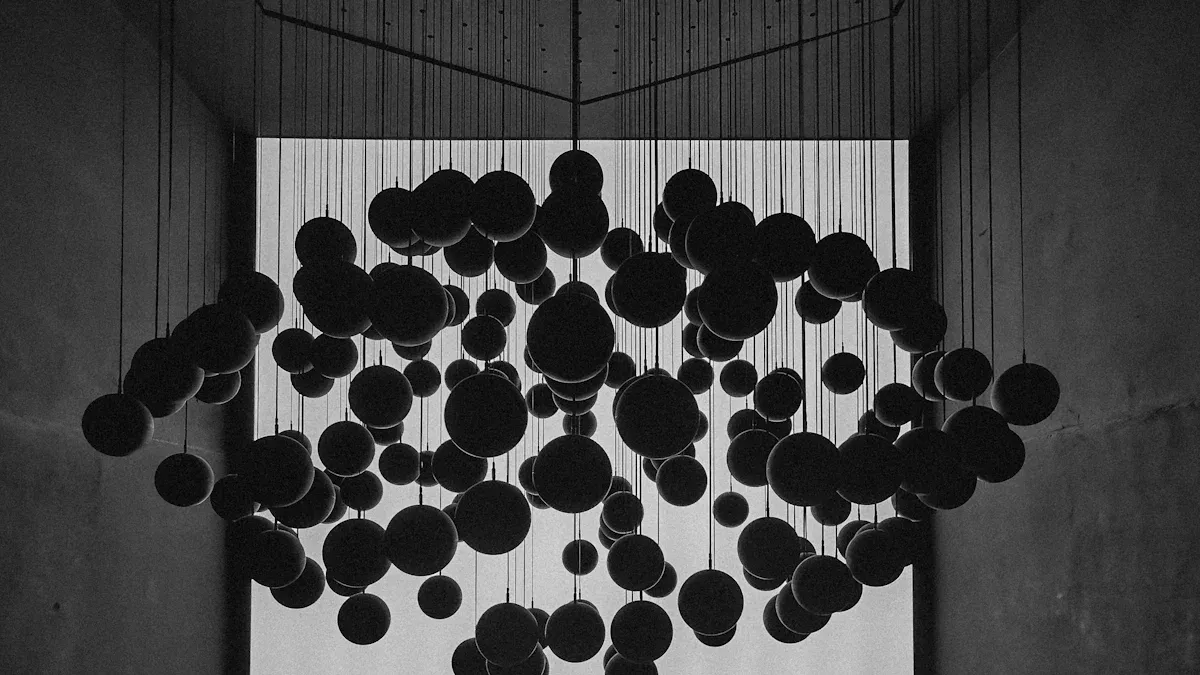
Lighting isn’t just about illumination anymore—it’s about making a statement. At Milan Design Week, sculptural overhead lighting stole the show. Designers showcased bold, artistic fixtures that felt more like sculptures than lamps. Picture a chandelier that twists like a ribbon or pendant lights shaped like floating bubbles. These designs didn’t just light up rooms; they transformed them into works of art.
You might wonder how these pieces fit into everyday spaces. The answer lies in their versatility. Whether you’re decorating a minimalist living room or a maximalist dining area, sculptural lighting adds personality and drama. It’s not just functional; it’s a conversation starter. If you’re looking to elevate your home, these fixtures are worth exploring.
The Luce Sferica Light by Ronan Bouroullec
One standout piece at the event was the Luce Sferica light by Ronan Bouroullec. This design captured the essence of simplicity and elegance. Imagine a spherical light that glows softly, creating a warm and inviting atmosphere. Bouroullec’s creation wasn’t just about aesthetics—it was about creating an emotional connection. The soft glow felt comforting, almost like a hug in light form.
This piece is perfect for spaces where you want to relax and unwind. Whether it’s your bedroom or a cozy reading nook, the Luce Sferica light adds a touch of serenity. It’s a reminder that lighting can do more than brighten a room; it can set the mood and enhance your experience.
Multisensory Lighting Experiences
Lighting is evolving, and multisensory designs are leading the charge. At Milan Design Week, designers introduced fixtures that engaged more than just your eyes. Some lights emitted soothing scents, while others played soft music. Imagine walking into a room where the lighting creates an immersive experience, blending sight, sound, and smell.
These innovations are perfect for creating memorable spaces. Whether it’s a spa-like bathroom or a lively entertainment area, multisensory lighting adds depth and dimension. It’s not just about seeing the light—it’s about feeling it. If you’re ready to rethink how lighting impacts your home, these designs are worth exploring.
Emotional and Multisensory Design
Designing for Personal Connection
Have you ever walked into a space and felt an instant sense of belonging? That’s the power of design that connects on a personal level. At Milan Design Week 2025, designers focused on creating pieces that resonate emotionally. Imagine a chair that reminds you of your grandmother’s cozy living room or a lamp that mimics the soft glow of a sunset. These designs go beyond function—they tell stories and evoke memories.
You can bring this idea into your own space by choosing items that reflect your personality. Look for furniture or decor that feels meaningful to you. Maybe it’s a handmade vase from a local artisan or a rug that reminds you of your favorite vacation spot. When your home feels personal, it becomes more than just a place to live—it becomes a reflection of who you are.
The Rise of Emotional Interiors
Your home should make you feel something. That’s the idea behind emotional interiors, a trend that’s gaining momentum. At Milan Design Week, designers showcased spaces that prioritized comfort, warmth, and connection. Think plush sofas, soft lighting, and calming color palettes. These elements work together to create an environment where you can relax and recharge.
One standout example was a living room setup that used earthy tones and natural materials to create a sense of calm. Designers also incorporated sensory elements like scented candles and textured fabrics. These details might seem small, but they make a big difference in how a space feels. Emotional interiors remind you that design isn’t just about how something looks—it’s about how it makes you feel.
Multisensory Installations and Experiences
Imagine stepping into a room where every sense is engaged. That’s the magic of multisensory design. At Milan Design Week, installations combined sight, sound, touch, and even smell to create unforgettable experiences. One exhibit featured a glowing forest where the lights changed color as you walked through, accompanied by soft music and the scent of fresh pine.
These designs aren’t just for show—they’re meant to immerse you completely. You can bring a touch of this into your home by layering sensory elements. Add a soft throw blanket to your couch, play relaxing music, or use a diffuser with your favorite scent. Multisensory design transforms ordinary spaces into extraordinary experiences, making your home a place you’ll never want to leave.
Milan Design Week 2025 has unveiled a fascinating array of trends that redefine how we interact with design. From biophilic spaces that bring nature indoors to modular furniture that adapts to your lifestyle, these innovations reflect a shift toward personalization and sustainability. Designers are focusing on creating experiences rather than just products, blending historical elements with modern interpretations.
Here’s what stood out:
-
Archivist Chic revives historical design elements with a modern twist.
-
Unconventional Couching introduces seating arrangements that foster connection.
-
Garden Fever integrates botanical themes, reflecting the growing love for nature-inspired aesthetics.
You can bring these ideas into your own space. Whether it’s adding a touch of greenery or choosing furniture that adapts to your needs, these trends offer endless possibilities. Milan Design Week reminds us that design isn’t just about beauty—it’s about creating spaces that feel meaningful and alive.
FAQ
What is Milan Design Week known for?
Milan Design Week is famous for showcasing cutting-edge trends in design. It’s where designers from around the globe unveil innovative ideas in furniture, lighting, and interiors. The event also highlights sustainability and craftsmanship, making it a must-see for design enthusiasts.
How can I incorporate sustainable design into my home?
Start small! Use furniture made from upcycled materials or add plants for a biophilic touch. Energy-efficient lighting is another great option. These changes not only look great but also help the environment.
Why are bold colors trending in design?
Bold colors bring energy and personality to spaces. They reflect a growing desire for self-expression and joy in interiors. Vibrant palettes, like those inspired by Mexican design, create lively and welcoming environments.
What makes modular furniture so popular?
Modular furniture adapts to your needs. It’s perfect for small spaces or changing lifestyles. You can rearrange or expand pieces as needed, making it both practical and stylish.
How does emotional design impact your space?
Emotional design creates a personal connection. It uses elements like soft lighting, textured fabrics, and meaningful decor to make your home feel warm and inviting. It’s all about creating spaces that resonate with you.
Related content