
Key Insights from the China Cross-Border E-Commerce Fair Spring Edition
Author:XTransfer2025.12.05China Cross-Border E-Commerce Fair (Spring)
The China Cross-Border E-Commerce Fair (Spring) 2025 stands as a cornerstone event, illuminating the rapid evolution of global trade. You can witness how cross-border e-commerce reshapes markets worldwide. For example, global e-commerce sales surged from $27 billion in 2000 to nearly $5 trillion by 2021. This incredible growth demonstrates how technology and innovation fuel international connections.
Overview of the China Cross-Border E-Commerce Fair (Spring) 2025

Event details: Dates, location, and purpose
The China Cross-Border E-Commerce Fair (Spring) 2025 took place from March 18 to March 20 in Fujian, China. Fujian serves as a strategic hub for international trade, making it an ideal location for this event. Over 1,000 exhibitors participated, showcasing a diverse range of products and services. The fair aimed to strengthen global connections and promote innovative solutions in cross-border e-commerce. It also provided a platform for businesses to explore opportunities in a competitive global marketplace.
The event focused on fostering partnerships between Chinese suppliers and overseas buyers. Networking opportunities allowed participants to build long-term relationships and expand their global reach. By bringing together industry leaders, the fair highlighted the importance of collaboration in driving e-commerce development.
Key themes: Digitalization and globalization strategies
Digitalization and globalization were central themes at the cross-border e-commerce fair. The event emphasized the role of technology in transforming the e-commerce market characteristics. Exhibitors showcased advancements in logistics and payment systems designed to enhance efficiency and improve customer experiences. These innovations are crucial for businesses aiming to thrive in the global e-commerce market.
Globalization strategies were also a key focus. The fair highlighted the importance of adapting to international business trends and understanding the unique needs of different markets. For example, the RCEP Members Cross-Border E-Commerce Cooperation Conference explored ways to strengthen trade relationships among member countries. This approach ensures that businesses can navigate the complexities of international trade while maximizing their global reach.
Role in connecting supply chains and global markets
The China Cross-Border E-Commerce Fair (Spring) 2025 played a vital role in connecting supply chains and global markets. By bringing together suppliers, buyers, and industry experts, the event created a platform for collaboration and innovation. Participants explored solutions to streamline supply chains and improve cross-border transactions.
The fair also addressed challenges in logistics and digital marketing. Workshops and forums provided insights into optimizing supply chain operations and leveraging technology for better market penetration. These efforts contribute to building a more efficient and interconnected global trade network.
The event's focus on international high-quality professional exhibitions further reinforced its role as a catalyst for e-commerce development. By showcasing cutting-edge solutions and fostering collaboration, the fair helped businesses adapt to the demands of a rapidly evolving global marketplace.
Major Initiatives and Announcements
Technological innovations enhancing cross-border transactions
Technology continues to redefine the cross-border e-commerce landscape, offering tools that simplify transactions and improve efficiency. At the China Cross-Border E-Commerce Fair (Spring) 2025, exhibitors showcased cutting-edge solutions that address common challenges in global trade. You can see how innovations like APIs and artificial intelligence (AI) are transforming the way businesses operate. APIs provide real-time foreign exchange rates and enhance transparency, while AI automates tasks, reduces fraud, and improves cash flow forecasting.
Blockchain technology also plays a pivotal role in cross-border transactions. It speeds up processes, lowers costs, and promotes financial inclusion. Cloud technology creates secure ecosystems, enabling faster and safer transactions. Additionally, enriched data helps businesses identify inefficiencies, mitigate fraud, and offer tailored solutions to customers.
The global payments market is expected to reach $290 trillion by 2030, driven by the rise of borderless e-commerce and the digitalization of payments. These advancements highlight the importance of adopting innovative tools to stay competitive in the cross-border e-commerce industry.
|
Technology Innovation |
Impact on Cross-Border Transactions |
|---|---|
|
APIs |
Agile infrastructure, real-time FX rates, increased transparency |
|
Artificial Intelligence (AI) |
Automates tasks, reduces fraud, enhances cash flow forecasting |
|
Blockchain |
Increases speed, reduces costs, improves financial inclusion |
|
Cloud Technology |
Creates secure ecosystems for faster transactions |
|
Enriched Data |
Identifies efficiencies, mitigates fraud, offers tailored solutions |
Policies and government support driving industry growth
Government policies play a crucial role in shaping the cross-border e-commerce industry. At the fair, discussions emphasized the importance of strategic support for key sectors. For instance, managing the value of the U.S. dollar could significantly benefit manufacturing, creating opportunities for cross-border e-commerce trade.
Industrial policies like the U.S. CHIPS Act demonstrate how government funding can revitalize industries. This act allocates substantial resources to the semiconductor sector, underscoring the importance of subsidies in driving growth. Research also highlights the resurgence of subsidies in this sector, showing their economic impact and the rationale behind such policies.
These measures reflect a growing trend among governments to support industries critical to global trade. By fostering innovation and providing financial backing, policymakers help businesses navigate challenges and expand their reach in the cross-border e-commerce landscape.
Strategies for international collaboration and market expansion
Successful international collaboration requires understanding local market dynamics and forming strategic partnerships. At the China Cross Border E-Commerce Trade Fair, you could learn from case studies like Amazon’s experience in China. Amazon adapted its strategies to local needs and cultural contexts, demonstrating the importance of flexibility in achieving market expansion.
Starbucks offers another example of effective collaboration. Through joint ventures with local firms in Japan and China, Starbucks leveraged local knowledge to navigate regulatory challenges and expand its presence. These partnerships highlight the value of cultural awareness and strategic alliances in cross-border e-commerce development.
By fostering collaboration, businesses can overcome barriers and unlock new opportunities in global markets. The fair emphasized the need for tailored strategies that align with local demands, ensuring sustainable growth in the cross-border e-commerce industry.
Key Features and Opportunities
Participation statistics and global representation
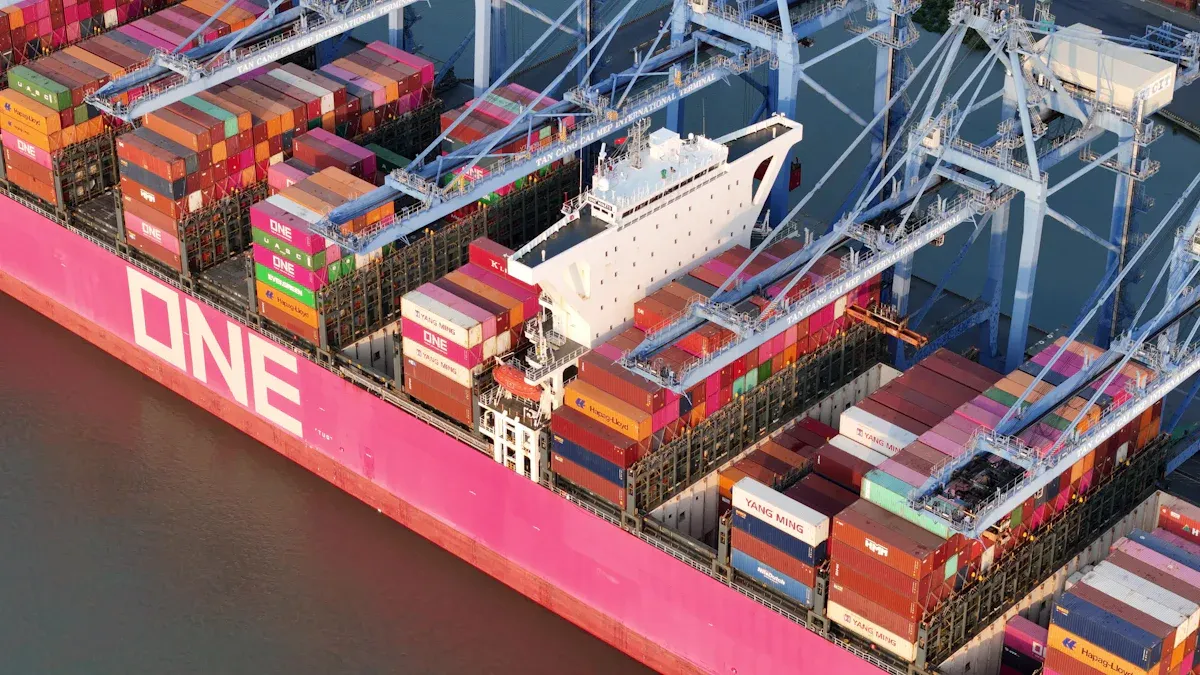
The China Cross-Border E-Commerce Trade Fair attracted over 1,000 exhibitors and thousands of buyers from more than 30 countries. This diverse representation showcased the fair's role in connecting global markets. You could see businesses from regions like Southeast Asia, Europe, and North America actively engaging with Chinese suppliers. The event highlighted how cross-border e-commerce fosters global business opportunities by bridging cultural and economic gaps.
The fair also demonstrated the growing interest in cross-border e-commerce among small and medium-sized enterprises (SMEs). Many SMEs participated to explore the latest market trends and expand their reach. Their involvement underscores the importance of inclusivity in global trade, where businesses of all sizes can thrive.
Forums, workshops, and networking opportunities
The fair offered a variety of forums and workshops designed to educate participants on emerging trends and strategies. These sessions covered topics like logistics innovations, payment solutions, and localization strategies. You could gain insights into how businesses adapt to the evolving demands of cross-border e-commerce.
Networking opportunities were a key highlight. Buyers and suppliers connected through structured meetings and informal gatherings. These interactions helped build partnerships and foster collaboration. For example, many buyers discovered popular product categories that align with their target markets, while suppliers gained valuable feedback to refine their offerings.
Emerging product trends and tools for cross-border e-commerce
Cross-border e-commerce is evolving rapidly, driven by technological advancements and changing consumer behavior. Several trends are shaping the industry:
-
The rise of smartphones and internet access has boosted online shopping globally.
-
Shoppers now demand personalized experiences and transparency.
-
AI and machine learning optimize logistics and enhance customer experiences.
-
Innovations in delivery and warehousing improve fulfillment efficiency.
-
Navigating customs and regulations remains critical for smooth transactions.
-
Secure payment solutions are essential for international buyers.
-
Localization strategies help businesses engage customers by adapting to cultural and linguistic preferences.
These trends highlight the importance of staying updated with the latest tools and strategies. By leveraging these advancements, you can tap into global business opportunities and thrive in the competitive cross-border e-commerce landscape.
The China Cross-Border E-Commerce Fair (Spring) 2025 showcased how cross-border e-commerce transforms global trade. You saw how innovation and collaboration drive industry growth.
This event reinforced its role as a catalyst for future advancements, helping businesses thrive in a competitive global marketplace.
FAQ
What is the main purpose of the China Cross-Border E-Commerce Fair?
The fair aims to connect global businesses, showcase innovations, and promote collaboration in cross-border e-commerce. It helps you explore opportunities and adapt to global trade trends.
How can small businesses benefit from attending the fair?
Small businesses can network with global buyers, learn about emerging trends, and access tools to expand their reach. The event fosters inclusivity, enabling businesses of all sizes to thrive.
What industries are most represented at the fair?
The fair features industries like consumer electronics, fashion, home goods, and logistics. These sectors highlight the diverse opportunities available in cross-border e-commerce.
Related content