
Global Textile Leaders Gather at Frankfurt's Iconic Fair
Author:XTransfer2025.12.05FHB - Frankfurt International Home Textiles Fair
Heimtextil 2025, held from January 14 to 17 in Frankfurt am Main, stands as a global hub for innovation in textiles. This international trade fair attracts participants from around the world, showcasing the latest in home textiles and design. With over 3,000 exhibitors and 50,000 buyers representing 142 nations, it highlights the industry's vast economic impact. The fhb - Frankfurt International Home Textiles Fair remains a key player in shaping global trends, earning its reputation as the most significant event for home and contract textiles. Its growing international presence reflects strong confidence in the fair's ability to drive progress.
Key Highlights from Heimtextil 2025

Patricia Urquiola's Design Installation
You experienced a creative masterpiece at Heimtextil 2025 with Patricia Urquiola's installation, "Among Us." This exhibit demonstrated the versatility of textiles in functional spaces, blending art and practicality. Her designs showcased how textiles can transform interiors into dynamic environments. The installation emphasized organic aesthetics, featuring raw textures and natural materials that resonated with consumer preferences for authenticity.
Urquiola's work aligned with the event's focus on sustainability. Exhibits like "Regenerative by Antonio Salgado," crafted from discarded pineapple leaves, and "Origin by Monteiro Fabrics," repurposing industrial waste, highlighted eco-friendly practices. These innovations pushed the boundaries of creativity, redefining the future of interior textiles. Heimtextil 2025 proved to be a hub for global design, inspiring retailers and manufacturers to adapt to evolving trends.
Alcova's Curated Trends and Innovations
Alcova brought a fresh perspective to Heimtextil 2025, curating trends that shaped the future of textile innovations. You explored themes like "Naturally Uneven," which celebrated raw and textured aesthetics, and "Radically Restructured," focusing on waste reduction and circular economy principles. Alcova's exhibits emphasized long-lasting, eco-conscious textiles, reflecting the industry's commitment to sustainability.
The event's record-breaking participation underscored its significance. Over 3,000 exhibitors from 142 nations and more than 50,000 visitors attended, showcasing the global appeal of Heimtextil trends 25/26. Alcova's curated designs provided invaluable insights for adapting to consumer preferences, fostering collaborations among industry leaders and entrepreneurs. High satisfaction rates among attendees highlighted the success of these innovative exhibits.
Expansion of Carpets & Rugs Segment
The carpets and rugs segment at Heimtextil 2025 demonstrated remarkable growth, driven by rising demand for home decor and interior renovation. You discovered how urbanization and population growth are fueling the need for flooring solutions, particularly in expanding cities. Exhibitors showcased luxury and high-quality products, catering to the growing market for premium designs in residential and commercial spaces.
E-commerce played a pivotal role in this expansion. Online platforms allowed companies to reach broader audiences, enhancing sales growth and market reach. Heimtextil highlighted this trend, emphasizing the importance of adapting to digital marketplaces. The carpets and rugs segment reflected the event's commitment to innovation, offering solutions that blend functionality with aesthetic appeal.
Emerging Trends at fhb - Frankfurt International Home Textiles Fair
Sustainability and Eco-Friendly Materials
You witnessed sustainability take center stage at the fhb - Frankfurt International Home Textiles Fair. Exhibitors showcased innovative approaches to eco-friendly materials, redefining how textiles contribute to a greener future. From organic cotton to recycled polyester, sustainable solutions dominated the event. These materials not only reduce environmental impact but also align with consumer demand for responsible production.
Brands demonstrated how sustainable textiles can balance functionality and aesthetics. For example, you explored bedding made from bamboo fibers, which offered both comfort and durability. Upholstery fabrics crafted from post-consumer waste highlighted the industry's commitment to circular economy practices. Heimtextil trends 25/26 emphasized the importance of integrating sustainability into interior design, inspiring manufacturers to adopt greener practices.
AI-Powered Solutions in Textile Design
Artificial intelligence reshaped the way you think about textile design at Heimtextil. AI-powered tools enhanced creativity and streamlined operations, offering groundbreaking possibilities for the industry. Platforms like The New Black allowed designers to create unique patterns that pushed traditional boundaries. These tools empowered you to experiment with bold ideas while maintaining efficiency.
AI algorithms also improved supply chain management. They optimized production processes, reduced waste, and catered to the growing demand for sustainable solutions. You saw how AI-driven innovations aligned with global design trends, making it easier for brands to meet eco-conscious consumer expectations.
-
Key benefits of AI in textile design:
-
Enhanced creativity through advanced design tools.
-
Improved supply chain efficiency.
-
Support for sustainable practices.
-
The integration of AI at the fhb - Frankfurt International Home Textiles Fair highlighted its transformative potential, setting a new standard for textile innovations.
Revival of Traditional Craftsmanship
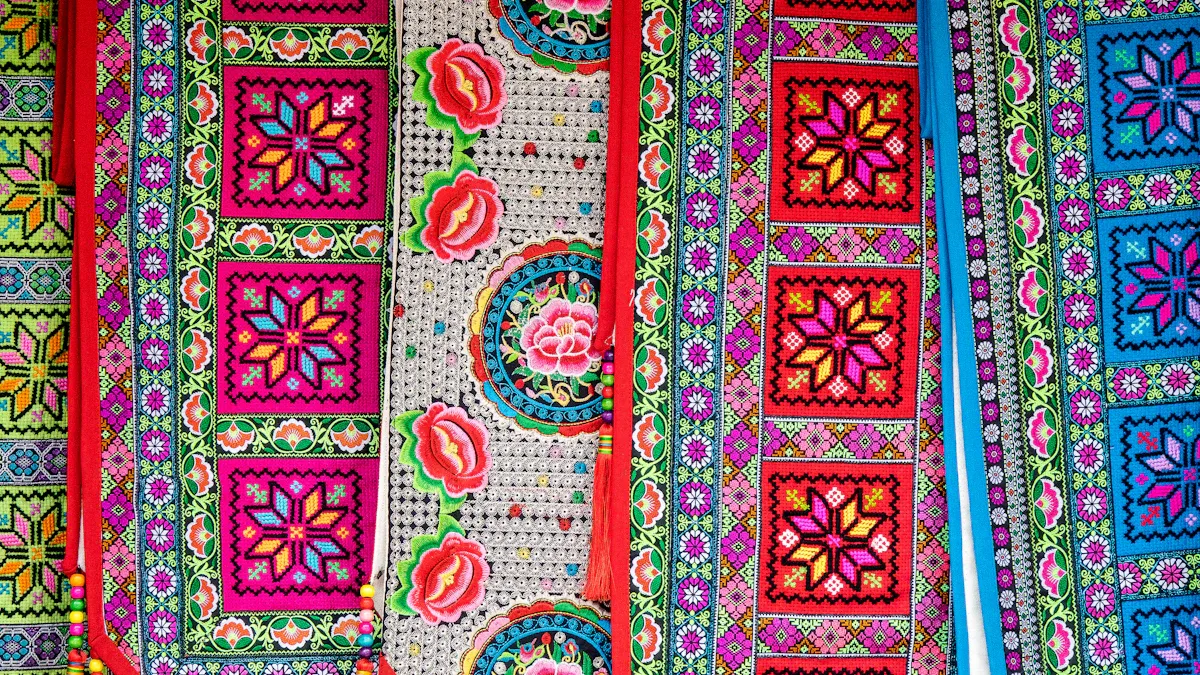
You explored a fascinating revival of traditional craftsmanship at the fair. Artisans showcased techniques that celebrated cultural heritage while adapting to modern trends. Handwoven rugs, embroidered fabrics, and block-printed designs demonstrated the timeless appeal of traditional methods. These creations added depth and authenticity to interior design, resonating with consumers seeking unique and meaningful products.
The fair emphasized the importance of preserving these crafts. Workshops taught you how to incorporate traditional techniques into contemporary designs, bridging the gap between past and present. Exhibitors highlighted how craftsmanship contributes to sustainable practices by reducing reliance on mass production.
This revival underscored the value of blending innovation with tradition. Heimtextil proved that honoring craftsmanship enriches textile trends, offering a fresh perspective on global design.
Industry Insights from Heimtextil 2025
Addressing Supply Chain Challenges
At Heimtextil 2025, you explored innovative strategies to tackle supply chain challenges in the textile industry. The event highlighted how trends like "Naturally Uneven" and "Radically Restructured" are reshaping material sourcing and production. These approaches focus on using raw, organic materials and reducing waste, aligning with consumer demand for sustainable solutions.
A key takeaway was the role of AI-driven design in improving supply chain efficiency. Artificial intelligence optimizes production processes, minimizes waste, and enhances customer experiences. You also learned about sustainable production methods that reduce environmental impact through circular economy practices. The table below summarizes these insights:
|
Theme |
Description |
|---|---|
|
Naturally Uneven |
Focus on organic, raw, and textured aesthetics, reflecting consumer preference for natural materials. |
|
Radically Restructured |
Innovative material use emphasizing waste reduction and circular economy principles. |
|
Regenerative |
Long-lasting, eco-conscious textiles aligning with demand for sustainable products. |
|
AI-Driven Design |
Enhancing textile production and customer experiences through artificial intelligence. |
|
Sustainable Production |
Strategies to reduce environmental impact through circular economy practices. |
These strategies empower you to address supply chain issues while meeting the growing demand for sustainable textiles.
Opportunities in Circular Economy Practices
Heimtextil 2025 showcased how circular economy practices create new opportunities for the textile industry. You discovered how brands are repurposing waste materials into high-quality products. For instance, exhibitors demonstrated how discarded fabrics and industrial by-products can transform into durable, stylish designs.
This approach not only reduces waste but also supports sustainable solutions. By adopting circular economy principles, you can extend the lifecycle of textiles and minimize environmental harm. The event emphasized the importance of collaboration between manufacturers and designers to create innovative, eco-friendly products. These practices align with global trends, inspiring you to rethink traditional production methods.
Technological Advancements in Textile Production
The technological advancements at Heimtextil 2025 revealed how innovation is revolutionizing textile production. You saw how the Internet of Things (IoT) enables smart inventory management and machine monitoring. Big data analytics provides insights for predictive maintenance and process optimization.
Other technologies, like robotics and automation, streamline production by automating tasks such as cutting and sewing. Digital twins allow you to simulate processes and test designs before production, saving time and resources. Additionally, blockchain ensures supply chain transparency and fraud prevention.
-
Key innovations in textile production:
-
Digital textile printing for high-definition designs and reduced waste.
-
Smart textiles with sensors for wearable technology.
-
Eco-friendly practices using biodegradable polymers and renewable energy.
-
These advancements help you create efficient, sustainable, and innovative designs, setting new standards in the industry.
Expanded Product Offerings at Heimtextil
Innovations in Bedding and Upholstery Fabrics
At Heimtextil 2025, you explored groundbreaking innovations in bedding and upholstery fabrics that redefine comfort and functionality. CELLIANT's infrared technology stood out as a game-changer. It enhances local circulation and cellular oxygenation, improving thermoregulation and overall comfort. This innovation transforms bedding into wellness-focused products, offering measurable benefits for better sleep quality.
In upholstery, CELLIANT's integration elevates fabrics into high-performance materials. These advancements position brands as leaders in the wellness market, allowing them to cater to health-conscious consumers. Heimtextil showcased how these innovations align with global trends, inspiring manufacturers to prioritize functionality without compromising aesthetics.
Growth in Recycled and Sustainable Materials
Sustainability took center stage at Heimtextil, with recycled materials gaining significant traction. Exhibitors demonstrated how textiles crafted from post-consumer waste contribute to a greener future. The event highlighted the industry's commitment to reducing environmental impact, showcasing products that balance durability and eco-friendliness.
A closer look at the statistics reveals the urgency of adopting sustainable practices:
|
Statistic |
Value |
|---|---|
|
Global greenhouse gas emissions |
10% |
|
Global water pollution |
20% |
|
Microplastics released |
30% |
|
Textile recycling rate |
1% |
These figures emphasize the need for innovation in sustainable textiles. Heimtextil trends inspire you to rethink production methods, paving the way for a more responsible industry.
Decorative and Functional Home Textiles
Decorative and functional home textiles emerged as a key focus at Heimtextil 2025. Rising homeownership rates and e-commerce growth drive demand for these products, as homeowners seek to personalize their spaces. Manufacturers responded by offering diverse options, from eco-friendly materials to smart fabrics with enhanced features.
The benefits of these textiles are clear:
|
Benefit |
Explanation |
|---|---|
|
Rising Homeownership Rates |
Increased homeownership drives demand for home textiles as homeowners seek to furnish their spaces. |
|
E-commerce Growth |
Online platforms provide convenient access to a variety of home textile products, boosting sales. |
|
Focus on Sustainability |
Consumer demand for eco-friendly options leads manufacturers to offer sustainable materials. |
|
Technological Advancements |
Innovations in textiles, like smart fabrics, enhance product features and appeal to consumers. |
Heimtextil's expanded offerings reflect the industry's ability to adapt to evolving consumer preferences. You discovered how decorative and functional textiles blend innovation with practicality, creating products that enrich everyday living.
Knowledge Sharing and Educational Programs
Keynote Speeches by Industry Leaders
At Heimtextil 2025, keynote speeches offered you valuable insights into the textile industry's future. Industry leaders shared their expertise on topics like sustainable solutions, technological advancements, and evolving consumer preferences. These speeches highlighted how innovation drives progress in textile design and production.
One speaker emphasized the importance of adapting to global trends. They explained how sustainable practices and eco-friendly materials can transform your business. Another speaker discussed the role of artificial intelligence in revolutionizing textile design, showcasing how AI-powered tools enhance creativity and efficiency.
These sessions provided actionable strategies for you to implement in your work. They also fostered a sense of community by connecting you with professionals who share similar goals. The global exposure gained through these speeches helped participants expand their market reach and stay competitive.
Workshops on Sustainability and Innovation
Workshops at Heimtextil 2025 focused on practical solutions for sustainability and innovation. You learned how to incorporate eco-friendly materials into textile design while maintaining functionality and aesthetics. Experts demonstrated techniques for reducing waste and adopting circular economy practices.
Interactive sessions allowed you to experiment with new ideas. For example, you explored how recycled fabrics can create durable and stylish products. You also discovered how smart textiles integrate technology to enhance usability. These workshops bridged the gap between theory and practice, empowering you to apply sustainable solutions in your projects.
Networking opportunities during these workshops encouraged collaboration. You connected with industry leaders and peers, exchanging ideas that could shape the future of textile design. The hands-on approach ensured you left with practical knowledge to drive innovation in your work.
Panel Discussions on Future Trends
Panel discussions at Heimtextil 2025 explored emerging trends that will define the textile industry. Experts analyzed topics like the revival of traditional craftsmanship, the impact of AI on design, and the growing demand for sustainable solutions. These discussions provided you with a comprehensive understanding of where the industry is headed.
Panelists shared real-world examples of how companies adapt to changing consumer preferences. They explained how blending tradition with innovation creates unique designs that resonate with modern audiences. You also learned about the importance of integrating technology into production processes to improve efficiency and reduce environmental impact.
These discussions encouraged you to think critically about the future of textiles. They highlighted opportunities for growth and collaboration, inspiring you to embrace change and drive progress in your work.
Heimtextil 2025 showcased the global textile industry's innovation and creativity. With over 3,000 exhibitors from 65 countries, it became a hub for international visibility and business growth. The event highlighted sustainability and cutting-edge designs, with countries like Pakistan leading the way. Detlef Braun of Messe Frankfurt GmbH emphasized its importance for businesses aiming to strengthen their market position.
You saw how the industry has embraced eco-friendly materials and advanced technologies. These efforts reflect a commitment to reducing environmental impact while meeting consumer demands. The fhb - Frankfurt International Home Textiles Fair continues to play a pivotal role in driving these changes.
Looking ahead, you can expect textiles to evolve further, blending tradition with innovation. The fair will remain a key platform for shaping trends and fostering collaboration, ensuring a sustainable and dynamic future for the industry.
FAQ
What is Heimtextil, and why is it important?
Heimtextil is the world's largest trade fair for home and contract textiles. It connects global industry leaders, showcasing innovations, trends, and sustainable practices. You can explore cutting-edge designs and gain insights into the future of textiles.
Who should attend Heimtextil?
Heimtextil is ideal for designers, manufacturers, retailers, and industry professionals. If you want to discover trends, network with global leaders, or explore sustainable solutions, this event offers valuable opportunities.
How does Heimtextil promote sustainability?
The fair highlights eco-friendly materials, circular economy practices, and innovative production methods. Exhibitors showcase products made from recycled and organic materials, inspiring you to adopt greener practices in your work.
What role does technology play at Heimtextil?
Technology drives innovation at Heimtextil. You’ll see AI-powered design tools, smart textiles, and advancements like digital printing and IoT-enabled production. These technologies improve efficiency, reduce waste, and enhance creativity.
How can I benefit from attending Heimtextil workshops?
Workshops provide hands-on learning experiences. You’ll explore sustainable materials, experiment with new techniques, and connect with experts. These sessions help you apply innovative ideas to your projects and stay ahead in the industry.
Related content