
Emerging Chinese Design Trends to Inspire Global Creativity
Author:XTransfer2025.12.05China Creative Brand Exhibition, Milan Design Week
Chinese design took center stage at Milan Design Week 2025, captivating audiences with bold new trends that merge tradition and innovation. You could see how designers from China redefined creativity by weaving cultural heritage into modern aesthetics. The China Creative Brand Exhibition stood out, showcasing eco-friendly materials and sustainable practices that align with global priorities. These design trends not only celebrated the past but also embraced future-forward thinking, setting a new standard in global design. Milan Design Week became a testament to how Chinese creativity inspires and influences the world.
Cultural Heritage in Chinese Design
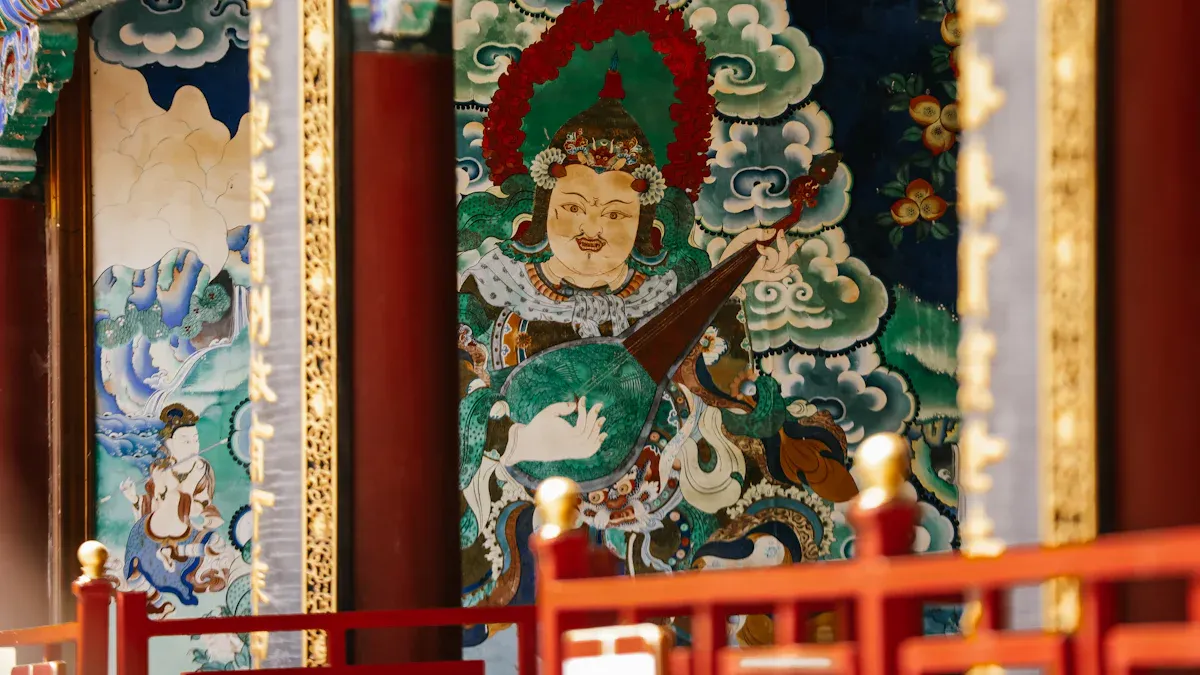
Chinese design trends often draw deeply from cultural heritage, creating a bridge between the past and the present. This approach not only preserves traditions but also reimagines them for modern audiences. Let’s explore how this connection manifests in bamboo weaving, ancient aesthetics, and innovative spaces.
Reviving Traditional Bamboo Weaving
Bamboo weaving, a centuries-old craft, has found new life in contemporary Chinese design. You can see its influence in furniture, lighting, and even architectural structures. Designers use this technique to create intricate patterns that combine functionality with artistry. The flexibility and sustainability of bamboo make it an ideal material for modern applications.
This quote highlights the importance of preserving crafts like bamboo weaving. By integrating these techniques into modern design, you help keep cultural traditions alive while contributing to global creativity.
Modern Takes on Ancient Chinese Aesthetics
Ancient Chinese aesthetics, rooted in harmony and balance, continue to inspire modern design. Designers reinterpret these principles through minimalist forms and natural materials. For example, classical Chinese gardens, known for their serene beauty, influence the layout of contemporary spaces.
|
Metric |
Description |
|---|---|
|
Aesthetic Experience |
Transition patterns of aesthetic experiences in classical Chinese gardens. |
|
Data Source |
12,864 online reviews from Ctrip, analyzed using natural language processing. |
|
Methodology |
Probability transition model based on a Markov chain to mine aesthetic realms. |
|
Findings |
Enriched understanding of aesthetic experiences and cultural heritage tourism. |
This table shows how modern technology helps analyze and adapt ancient aesthetics for today’s world. By studying these patterns, you can create designs that resonate with both tradition and innovation.
O&O Studio’s Scholar Space: A Blend of Past and Present
O&O Studio’s Scholar Space exemplifies the fusion of historical and contemporary design. Inspired by the traditional scholar’s studio, this space incorporates modern materials and technology. The result is a harmonious blend of old and new, offering a tranquil environment for creativity and reflection.
The production of cultural heritage often reflects regional influences. For instance:
-
Ancient architecture and grottoes increased during the Sui, Tang, and Five Dynasties due to the ruling class's support for Buddhism.
-
The number of successful candidates in imperial examinations highlights socio-economic and cultural vitality.
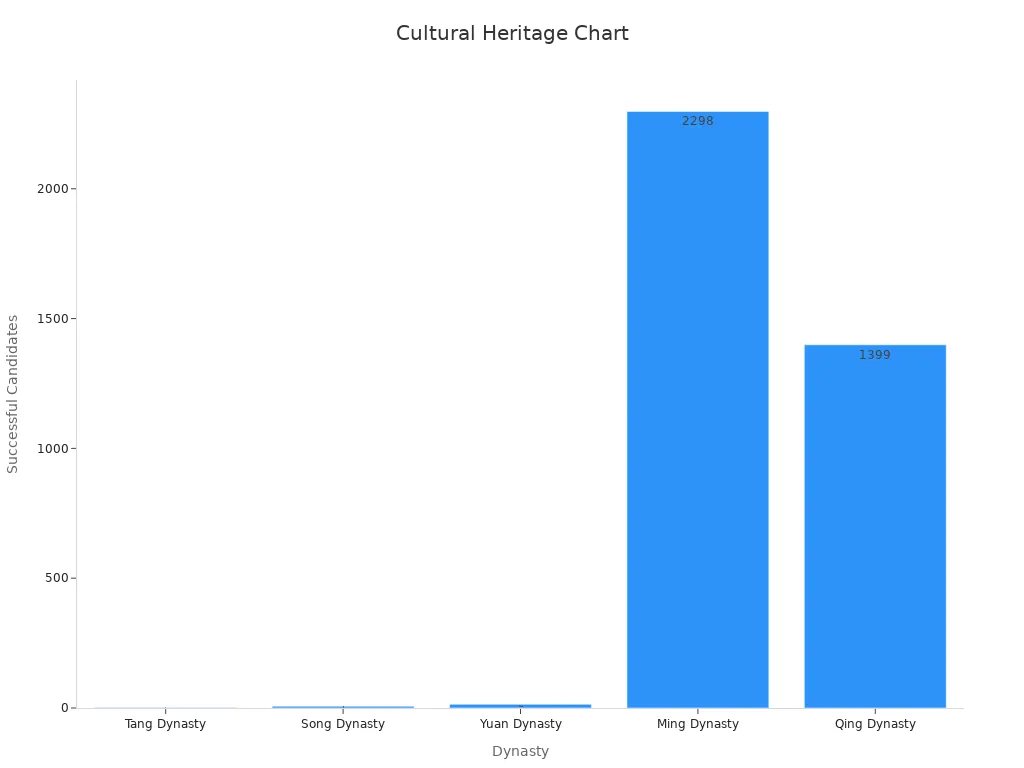
This chart illustrates the cultural richness of different dynasties, which continues to inspire modern designs like O&O Studio’s Scholar Space. By blending historical elements with contemporary techniques, you can create designs that honor the past while looking to the future.
Sustainability in Chinese Design Trends
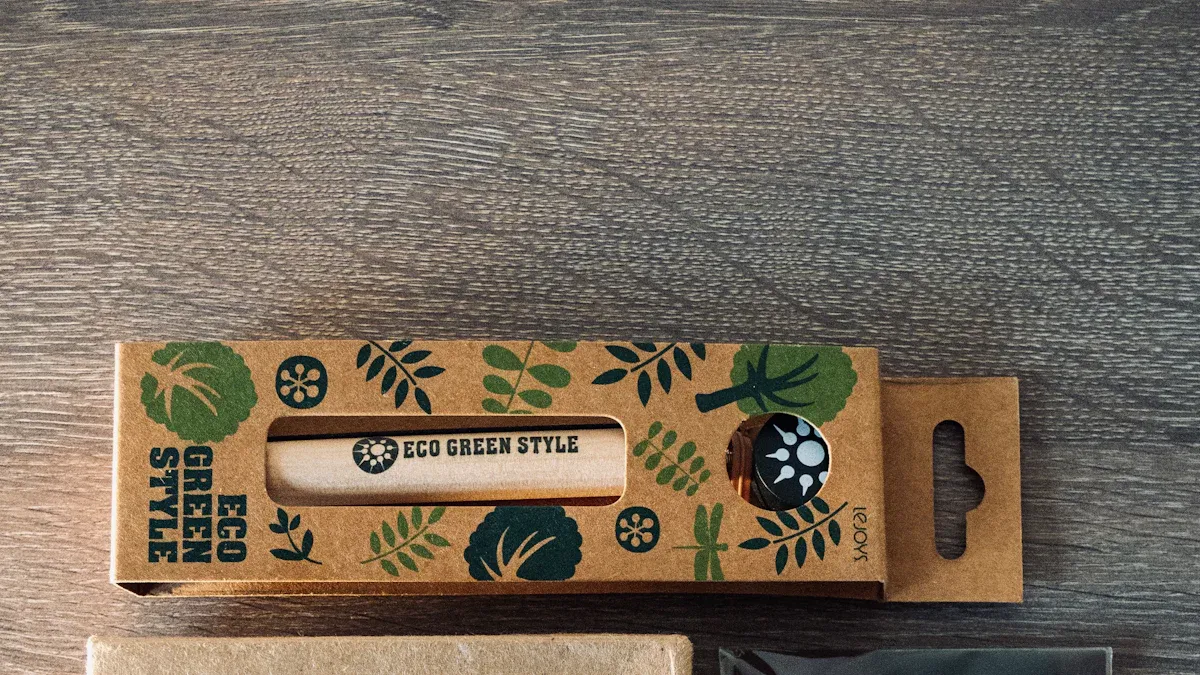
Sustainability has become a cornerstone of modern Chinese design, reflecting a commitment to environmental responsibility and innovation. At Milan Design Week 2025, Chinese designers showcased groundbreaking approaches to eco-friendly materials, circular design principles, and nature-inspired innovations. These efforts not only address global environmental challenges but also set a benchmark for sustainable creativity.
Eco-Friendly Materials in the China Creative Brand Exhibition
The China Creative Brand Exhibition highlighted the growing use of eco-friendly materials in design. Designers are increasingly turning to sustainable materials like hemp, which requires minimal water and captures carbon from the atmosphere. This shift reflects a broader trend toward reducing environmental impact while maintaining aesthetic appeal.
-
A new generation of eco-conscious designers in China is making sustainable products more accessible.
-
In 2020, China generated approximately 22 million tons of textile waste, but only 20% was recycled.
-
International projects have also benefited from Chinese eco-friendly materials. For example:
-
A UK commercial builder used recycled bricks and eco-friendly insulation sourced from China, cutting material costs by 30% and reducing the project's carbon footprint.
-
An Australian residential developer incorporated sustainably sourced bamboo flooring, attracting eco-conscious buyers and boosting sales by 25%.
-
These examples demonstrate how Chinese designers are leading the way in integrating sustainability into their work. By adopting eco-friendly practices, you can contribute to a greener future while creating designs that resonate with environmentally conscious audiences.
Circular Design Principles in Chinese Projects
Circular design principles are transforming the way Chinese projects approach sustainability. These strategies focus on designing products and systems that minimize waste and maximize resource efficiency. Recent studies show that Circular Design Strategies (CDS) positively impact the Economic Sustainability of Construction Projects (ESCP) in China. Factors like organizational culture, technological innovation, and market demand for green building play a crucial role in their success.
By adopting circular design principles, you can enhance both environmental and economic sustainability. For instance, reusing materials and designing for recyclability not only reduces waste but also lowers costs. This approach aligns with global efforts to create a circular economy, where resources are continuously reused rather than discarded.
Nature-Inspired Innovations for a Sustainable Future
Nature has long been a source of inspiration for Chinese designers, and biomimicry is now at the forefront of sustainable innovation. By emulating nature's efficient designs, you can create solutions that reduce environmental impact and promote long-term sustainability. The following table highlights key aspects of nature-inspired innovations:
|
Aspect |
Description |
|---|---|
|
Sustainable Innovation |
Biomimicry offers sustainable solutions that reduce the environmental impact of human activities by emulating nature's efficient designs. |
|
Resource Efficiency |
Nature has perfected resource efficiency over billions of years, and biomimetic design mimics these principles to reduce resource consumption and waste generation. |
|
Renewable Energy |
Biomimicry contributes to renewable energy technologies, such as wind turbines designed to mimic bird wings for improved energy generation. |
|
Sustainable Materials |
Nature-inspired materials, like biodegradable plastics modeled after spider silk, can reduce environmental impact. |
|
Ecosystem Services |
Technologies inspired by ecosystems, such as natural water filtration systems, provide essential ecosystem services. |
|
Climate Adaptation |
Nature's resilience inspires biomimetic approaches for climate adaptation, informing building designs for increased resilience to climate change. |
|
Enhanced Biodiversity |
Biomimicry promotes ecosystem protection and restoration by studying intricate interconnections within ecosystems. |
|
Education and Awareness |
It fosters environmental awareness, emphasizing the importance of understanding and preserving natural systems. |
|
Cross-Disciplinary Collaboration |
Encourages collaboration among scientists, engineers, and designers for holistic problem-solving. |
|
Long-Term Sustainability |
Emulating nature's regenerative practices contributes to long-term sustainability rather than short-term fixes. |
|
Circular Economy |
Aligns with circular economy principles, designing products for reuse and recycling. |
|
Global Collaboration |
Promotes worldwide efforts to address sustainability challenges through shared nature-inspired innovations. |
Nature-inspired innovations not only address immediate environmental concerns but also encourage a deeper connection with the natural world. By incorporating these principles into your designs, you can create products and systems that are both functional and sustainable.
Material Innovation at Milan Design Week 2025
Exploring Organic Shapes and Mixed Materials
Designers at Milan Design Week 2025 embraced organic shapes and mixed materials to create spaces that feel natural and inviting. Soft, flowing forms like circles and curves dominated the scene, offering a sense of movement and freedom. These shapes, combined with natural materials such as wood and stone, transformed workplace designs into welcoming environments. By prioritizing comfort and wellbeing, these designs also incorporated access to natural light and views of nature, which significantly improve mood and productivity.
Mixed materials added depth and character to the designs. For example, combining glass with metal or wood created striking contrasts that balanced modernity with warmth. This approach not only enhanced aesthetics but also aligned with the event's focus on sustainability. The Scale of Commitment event showcased materials designed for lower environmental impact, highlighting how innovation can lead to smarter, greener solutions.
High-Tech Meets Traditional Craftsmanship
At Milan Design Week 2025, designers demonstrated how technology can breathe new life into traditional craftsmanship. The integration of 5G technology and the Internet into traditional industries has revolutionized cultural and creative products. This approach bridges the gap between academic institutions and craftsmanship establishments, ensuring that local crafts remain relevant in the modern era.
The concept of "digital handicrafts" stood out as a key trend. By blending traditional techniques with digital tools, designers created unique, non-mass-produced objects that retained a human touch. Automated production methods in the building industry also showcased how craftsmanship can evolve to meet cultural, social, and ecological needs. This fusion of high-tech and tradition exemplifies the innovative spirit of events like Salone del Mobile.
Experimentation with Textures and Forms
Experimentation with textures and forms took center stage at Milan Design Week 2025. Designers moved away from the perfection of digital design, embracing imperfections that add character and depth. Textured noise grain, for instance, became a popular choice in interior design, creating inviting and emotionally engaging atmospheres.
This trend also extended to maximalism, where layered textures and bold forms encouraged artistic expression. Brands used gritty textures to align with their values, particularly in sustainable fashion and interior design. By promoting creativity and layered experiences, this approach redefined how textures and forms can evoke emotion and tell a story.
Digital-Physical Hybrids in Chinese Design
The Role of AI and AR in Interactive Designs
Artificial intelligence (AI) and augmented reality (AR) are transforming how you experience design. These technologies allow designers to create interactive spaces that respond to your actions, making you an active participant rather than a passive observer. For example, AR can overlay digital elements onto physical environments, enhancing your understanding of a space or product. AI, on the other hand, personalizes these experiences by analyzing your preferences and behaviors.
In China, lightweight AR glasses developed by Xreal are revolutionizing education. These glasses enable interactive learning, allowing students to engage with digital content in real-world settings. At institutions like the Beijing Institute of Technology, this technology fosters creativity and collaboration. By integrating AI and AR into design, you can create environments that are not only functional but also deeply engaging.
Immersive Experiences at Milan Design Week
Immersive design took center stage at Milan Design Week 2025, showcasing how technology can evoke powerful emotions. Exhibits like Google's "Shaped by Water" engaged your senses through visual and tactile elements. Lachlan Turczan’s interactive pools of water responded to movement, creating a dynamic connection between you and the installation. Similarly, Preciosa’s "labyrinth of rhythm and light" combined synchronized crystal lights with music, offering a multi-sensory experience.
Lexus’ "A-Un" installation demonstrated how design can harmonize technology and humanity. Inspired by the Japanese concept of synchronized emotions, it featured a bamboo fiber lattice that responded to your heartbeat. Ambient sounds and music enhanced this connection, making the experience both personal and immersive. These examples highlight how emotional and experiential design can transform spaces into unforgettable environments.
Bridging Virtual and Physical Realms in Chinese Creativity
Chinese designers are leading the way in merging virtual and physical worlds. The Palace Museum in Beijing uses virtual reality (VR) to offer virtual tours, allowing you to explore cultural heritage from anywhere. During the COVID-19 pandemic, this approach made art and history accessible to a global audience. Tencent has also employed digital technology to restore cultural sites like the Great Wall of China, blending innovation with preservation.
Incorporating AR into design further bridges these realms. Xreal’s AR glasses, for instance, bring virtual elements into physical spaces, enhancing how you interact with your surroundings. These advancements demonstrate how Chinese creativity is redefining the boundaries of design, making it more inclusive and interactive. By embracing these trends, you can create designs that connect people across both digital and physical landscapes.
Global Influence of Chinese Design Trends
Collaborations Between Chinese and Global Designers
Collaborations between Chinese and global designers are reshaping the creative landscape. These partnerships bring together diverse perspectives, resulting in innovative designs that resonate across cultures. For example, at Milan Design Week 2025, several exhibits showcased joint efforts where Chinese designers worked with international teams. These collaborations often highlight the strengths of both sides—Chinese designers contribute their deep cultural heritage, while global counterparts bring fresh approaches and techniques.
Such partnerships also foster knowledge exchange. You can see how Chinese designers adopt global trends while sharing their unique philosophies, such as harmony and balance. This mutual influence enriches the design world, creating products and spaces that feel both local and universal. By embracing collaboration, you can expand your creative horizons and contribute to a more interconnected design community.
The Impact of Chinese Red as a Symbol of Design Identity
Chinese red has become a powerful symbol of design identity. This vibrant color, deeply rooted in Chinese culture, represents prosperity, joy, and power. Research shows that red is associated with high social status across cultures, including China. In contemporary design, it often conveys a sense of prestige and dominance. Experiments reveal that people respond more favorably to dominance-related words when presented in red, highlighting its psychological impact.
Designers frequently use Chinese red to create bold statements. Whether in fashion, architecture, or branding, this color draws attention and evokes strong emotions. At Milan Design Week, you might notice how Chinese red appears in various installations, reinforcing its role as a cultural and design icon. By incorporating this color into your work, you can tap into its rich symbolism and universal appeal.
The Future of Chinese Design on the World Stage
The future of Chinese design looks promising as it continues to influence global creativity. Events like Milan Design Week provide a platform for Chinese designers to showcase their talent and innovation. Their ability to blend tradition with modernity sets them apart, offering fresh perspectives that resonate worldwide.
You can expect Chinese design to play a larger role in addressing global challenges, such as sustainability and digital transformation. Designers are already leading in areas like eco-friendly materials and digital-physical hybrids. As these trends gain traction, Chinese creativity will likely shape the future of design on a global scale. By staying informed about these developments, you can draw inspiration and adapt these ideas to your own work.
Chinese design at Milan Design Week 2025 showcased how cultural heritage, sustainability, and innovation can redefine global creativity. You saw how these trends bridged tradition and modernity, offering fresh perspectives for the design world. By embracing these approaches, you can create work that resonates across cultures and addresses pressing global challenges. Let these ideas inspire you to explore new possibilities and contribute to a more sustainable and inclusive future in design.
FAQ
What makes Chinese design trends unique?
Chinese design trends stand out because they blend cultural heritage with modern innovation. Designers often draw inspiration from traditional crafts, ancient aesthetics, and nature. This approach creates designs that feel timeless yet contemporary, offering a fresh perspective to global creativity.
How does sustainability influence Chinese design?
Sustainability plays a key role in Chinese design. Designers use eco-friendly materials, adopt circular design principles, and take inspiration from nature. These practices reduce environmental impact while creating functional and beautiful designs. By focusing on sustainability, Chinese designers set an example for global design communities.
How do Chinese designers incorporate technology into their work?
Chinese designers integrate technology like AI, AR, and VR to create interactive and immersive experiences. These tools enhance user engagement and make designs more dynamic. For example, AR can overlay digital elements onto physical spaces, while AI personalizes experiences based on user preferences.
Why is cultural heritage important in Chinese design?
Cultural heritage provides a foundation for Chinese design. By reviving traditional crafts and aesthetics, designers preserve history while reimagining it for modern audiences. This connection to the past adds depth and meaning to their work, making it resonate globally.
How do Chinese design trends influence global creativity?
Chinese design trends inspire global creativity by showcasing innovative approaches to sustainability, material use, and cultural integration. Designers worldwide learn from these practices, adopting similar methods to create designs that are both functional and meaningful.
Related content