
A Historical Perspective on Paris Fashion Week's Evolution
Author:XTransfer2025.12.05France Paris Fashion Week
France Paris Fashion Week stands as a monumental event in the global fashion landscape. Its influence reaches billions, with over 882,000 online posts generating more than 35.2 million engagement actions during a single season. Posts on Instagram alone achieved 18.6 million interactions, showcasing the immense cultural and digital impact of this celebrated event. Close to $1 billion in revenue was generated by fewer than 300 brands during the Spring 2024 showcase, underlining the significance of brand visibility in shaping modern fashion trends. As the official France Paris Fashion Week continues to push boundaries, it cements Paris as the unrivaled capital of creativity and style.
France Paris Fashion Week: The Birthplace of Haute Couture
Charles Frederick Worth and the Rise of Paris as a Fashion Capital
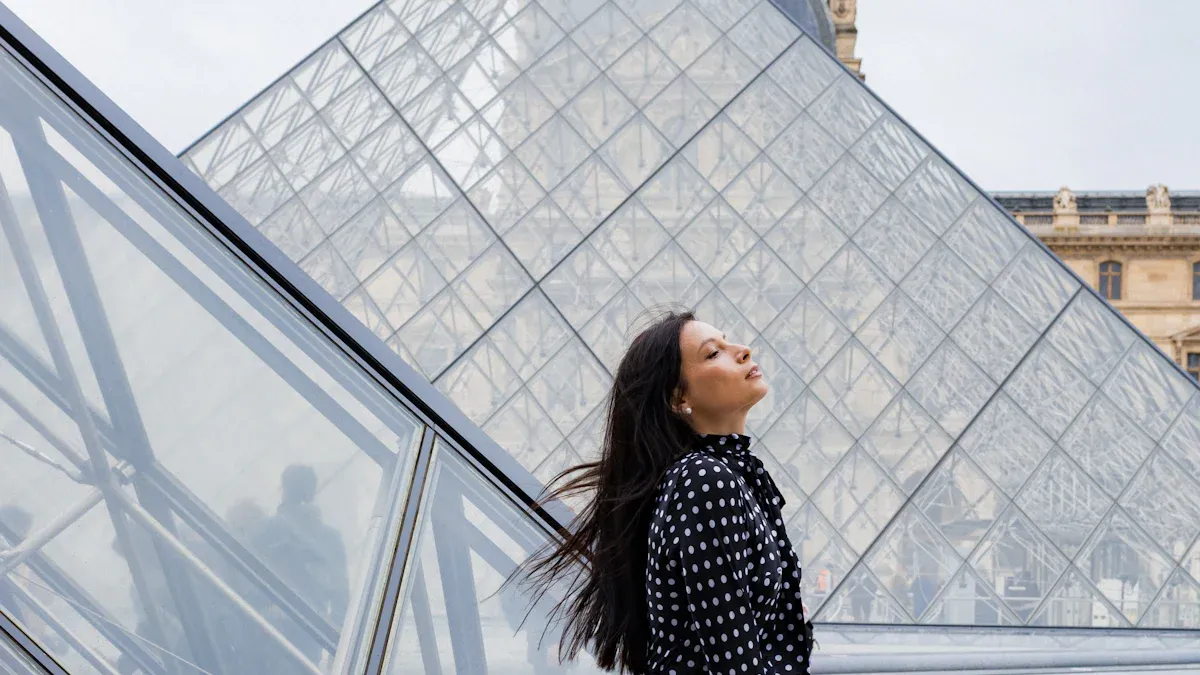
Paris emerged as a fashion capital in the 19th century, largely due to the pioneering work of Charles Frederick Worth. Known as the father of haute couture, Worth revolutionized the fashion industry by establishing the House of Worth in 1858. His innovative approach included sewing branded labels into garments, elevating the status of fashion design and branding. Worth also introduced live models to showcase his creations, transforming how clothing was marketed and engaging clients in a more personal way.
His influence extended beyond design. By employing over 1,200 people at the height of his career, Worth demonstrated the scale and impact a fashion house could achieve. His ability to dictate trends in France solidified Paris's reputation as a global capital of fashion. European royalty, including Empress Eugénie, sought his designs, further cementing Paris as the epicenter of style and luxury.
|
Contribution |
Impact on Fashion Capital |
|---|---|
|
Founded the House of Worth in 1858 |
Established a leading fashion house in Paris, attracting European royalty. |
|
Introduced live models for garment promotion |
Changed the marketing approach in fashion, enhancing client engagement. |
|
Sewed branded labels into clothing |
Elevated the status of fashion design and branding. |
|
Employed 1,200 people by career's end |
Demonstrated the scale and influence of his fashion house. |
|
Dictated fashion trends in France |
Set the standard for haute couture and influenced women's fashion widely. |
The Emergence of Haute Couture and Early Fashion Shows
Haute couture began to take shape in Paris during the late 19th century, driven by designers like Charles Frederick Worth and Paul Poiret. Worth's success allowed him to dictate fashion trends, particularly after gaining royal favor. His designs became synonymous with elegance and exclusivity, setting the stage for the rise of haute couture.
Fashion shows, as they are known today, evolved from private presentations held for elite clients. Designers like Poiret organized lavish events, including balls, to showcase their collections. These gatherings not only highlighted the artistry of haute couture but also fostered a sense of community among fashion enthusiasts.
The Chambre Syndicale de la Haute Couture, established after World War II, formalized the industry by setting regulations. Designers were required to present a minimum of 35 outfits each season, ensuring consistency and quality. Events like the 'Battle of Versailles' in 1973 further showcased the competitive spirit of Parisian fashion, solidifying its global influence.
-
Charles Frederick Worth gained prominence as the primary designer for Empress Eugénie.
-
Napoleon III's decree on formal dress increased the popularity of Worth's gowns.
-
By the early 20th century, Paris became the origin of global fashion trends, attracting international magazines and department stores to its shows.
Paris's Legacy as the Global Style Epicenter
Paris's reputation as the global capital of fashion is deeply rooted in history. Figures like Louis XIV elevated France's status as a hub for luxury fashion in the 17th century. Designers such as Worth and Poiret continued this legacy, establishing Paris as the birthplace of haute couture.
The city's influence extends beyond its historical roots. Paris Fashion Week serves as a cultural phenomenon that not only showcases haute couture but also sets global trends. It acts as a launchpad for both established and emerging designers, ensuring Paris remains at the forefront of fashion innovation.
Paris's enduring legacy is reflected in its ability to adapt to societal changes and technological advancements. From the opulence of Louis XIV's court to the avant-garde designs of Elsa Schiaparelli, Paris has consistently shaped the fashion world. Today, it continues to inspire creativity and innovation, solidifying its position as the global capital of fashion.
Key Milestones in Paris Fashion Week's History
The Impact of World War II on Parisian Fashion
World War II disrupted the global fashion industry, and Paris faced significant challenges during this period. Clothes rationing began in 1940, limiting the amount of fabric available for civilian use. By 1941, a coupon system determined how many clothing items each person could purchase. This system created disparities in access to fashionable garments. In 1942, Limitation Order 85 further restricted fabric production, forcing designers to adapt their styles.
Parisian designers responded to these constraints with creativity. They embraced minimalism, producing garments that required less fabric while maintaining elegance. Despite the hardships, Paris retained its reputation as a fashion capital. The war also led to the birth of New York Fashion Week in 1943, as American designers sought to fill the void left by Paris.
|
Year |
Event/Impact |
Description |
|---|---|---|
|
1940 |
Rationing Introduced |
Clothes rationing began, limiting the amount of clothing civilians could buy. |
|
1941 |
Coupon System |
A fixed number of clothing items per person was determined, creating inequality. |
|
1942 |
Limitation Order 85 |
Aimed to save fabric production, influencing the style and quantity of clothing. |
|
1943 |
New York Fashion Week |
Marked a shift in fashion shows to the U.S. during the war. |
The resilience of Parisian designers during this time demonstrated their ability to innovate under pressure. Their efforts ensured that Paris remained synonymous with style and sophistication, even in the face of adversity.
Dior's 'New Look' and Its Revolutionary Influence
In 1947, Christian Dior introduced his groundbreaking "New Look" collection, which transformed post-war fashion. The collection featured cinched waists and voluminous skirts, creating an hourglass silhouette that symbolized a return to femininity and luxury. This marked a stark contrast to the practical and austere styles of wartime.
The "New Look" became an instant success, captivating the fashion industry and clients worldwide. Dior's designs embodied post-war optimism, offering women a sense of glamour and elegance. The collection's popularity led to the opening of Dior boutiques in major fashion capitals, establishing the brand as a global powerhouse.
|
Evidence Description |
Impact on Fashion Industry |
|---|---|
|
Immediate success of the 'New Look' collection |
Captured the attention of the fashion industry and clients worldwide. |
|
Cinched waists and voluminous skirts |
Revolutionized women's fashion with a new silhouette. |
|
Opening of Dior boutiques |
Gained international recognition and influenced global fashion trends. |
Dior's influence extended beyond his designs. His work redefined the role of designers in shaping cultural and social trends. The "New Look" remains a pivotal moment in fashion history, solidifying Paris's position as the epicenter of style.
The Battle of Versailles: A Defining Moment in 1973
The "Battle of Versailles" in 1973 marked a turning point in Paris Fashion Week's history. This event featured a competition between five American designers and five French masters. Held at the Palace of Versailles, it aimed to raise funds for the restoration of the historic site.
The American designers, including Halston and Oscar de la Renta, showcased modern and innovative collections. Their minimalist approach and diverse models contrasted with the opulence of the French presentations. The event highlighted the growing influence of American fashion while reaffirming Paris's legacy as a global style leader.
|
Year |
Event Description |
|---|---|
|
1850s |
Establishment of haute couture by Charles Fredrick Worth. |
|
1943 |
Birth of New York Fashion Week during WWII. |
|
1973 |
The 'Battle of Versailles,' where American designers competed against French masters. |
The "Battle of Versailles" demonstrated the power of collaboration and competition in the fashion world. It also underscored the importance of inclusivity and innovation, values that continue to shape Paris Fashion Week today.
The Evolution of Paris Fashion Week
The Integration of Prêt-à-Porter into Paris Fashion Week
The inclusion of prêt-à-porter, or ready-to-wear styles, marked a pivotal shift in Paris Fashion Week. Initially dominated by haute couture, the event began embracing more accessible fashion in the mid-20th century. This change reflected evolving consumer preferences and the growing demand for stylish yet practical clothing. Designers like Yves Saint Laurent and Pierre Cardin led this transformation, introducing collections that combined creativity with wearability.
The global high-fashion market has seen remarkable growth, projected to expand from $134 billion in 2023 to $275 billion by 2032. This surge highlights the increasing popularity of ready-to-wear styles, driven by rising disposable incomes and changing lifestyles. Parisian runway shows now feature a blend of haute couture and prêt-à-porter, ensuring the event remains relevant to diverse audiences.
The Supermodel Era and Celebrity Influence
The supermodel era of the 1980s and 1990s brought a new level of glamour to Paris Fashion Week. Icons like Naomi Campbell, Claudia Schiffer, and Linda Evangelista dominated the runways, captivating audiences with their charisma and style. Their presence elevated the status of fashion shows, transforming them into cultural spectacles.
Celebrities and influencers have since become integral to Parisian fashion. Their attendance generates excitement and amplifies brand visibility. For instance, the Autumn/Winter 2024 season achieved over half a billion dollars in Earned Media Value (EMV), showcasing the power of celebrity-driven publicity. Livestreams and social media have further expanded the reach of these events, engaging global audiences in real time.
|
Evidence Description |
Impact |
|---|---|
|
Celebrities and influencers attend shows. |
Generates organic publicity. |
|
Events are livestreamed globally. |
Engages audiences in real time. |
|
Supermodels dominate runways. |
Creates buzz and elevates brand status. |
Young Designers and Bold Innovations
Young designers have brought fresh energy and bold innovations to Paris Fashion Week. Their willingness to experiment with unconventional materials and avant-garde designs has redefined the boundaries of fashion. Emerging talents like Marine Serre and Jacquemus have captured public interest, proving that creativity remains at the heart of Parisian fashion.
The influence of young designers extends beyond the runway. Their ability to leverage social media and collaborate with influencers has reshaped consumer behavior. Many trends now originate from these collaborations, highlighting the growing impact of young creatives. Paris Fashion Week continues to serve as a platform for these visionaries, ensuring the event remains the epicenter of fashion innovation.
Modern-Day Paris Fashion Week
Paris Fashion Week as a Global Platform for Creativity
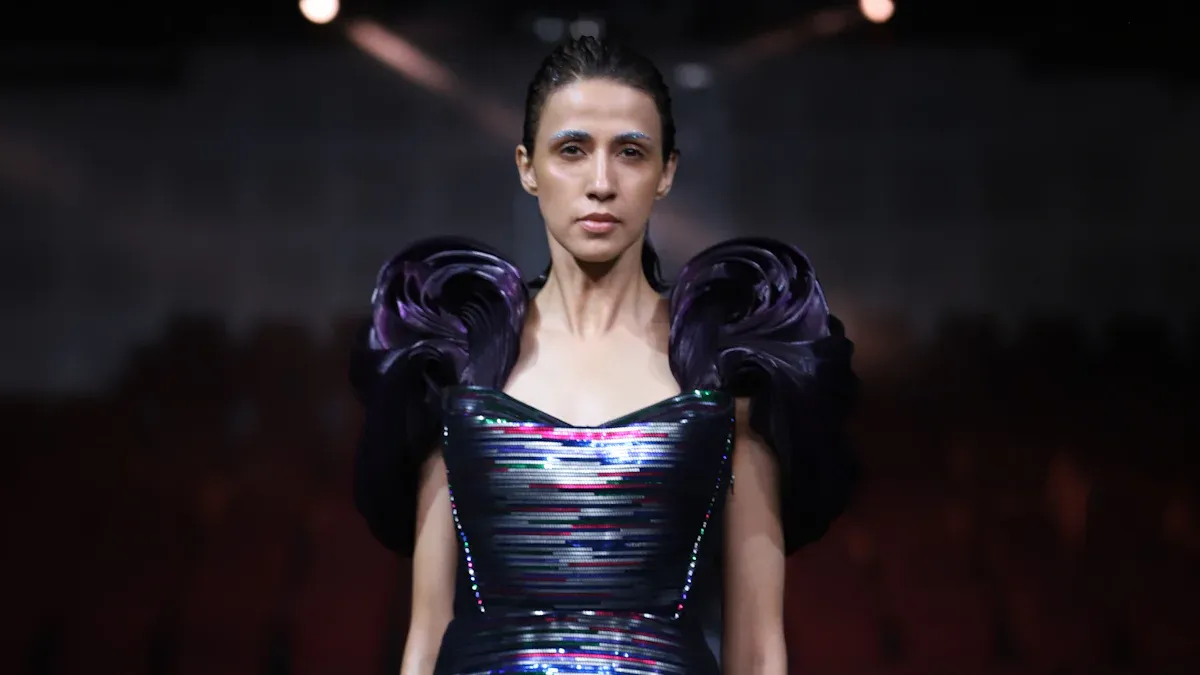
Paris Fashion Week continues to serve as an iconic global event, showcasing the creativity of leading designers and emerging talents. It attracts international participation, with events like Thom Browne's Fall show in 2025 drawing 563 attendees, including influential figures in the fashion industry. The Fédération de la Haute Couture et de la Mode (FHCM) plays a pivotal role in supporting young designers, offering platforms like the Sphere Paris Fashion Week Showroom to promote global engagement.
The event's influence extends beyond the runway. The Louvre's fashion exhibitions during Paris Fashion Week highlight the integration of art and fashion as a form of cultural expression. This blend of creativity and culture cements Paris's position as the headlight of the fashion industry. With a projected market size of $205.9 billion by 2032 and a 9.2% CAGR growth rate, Paris Fashion Week remains a vital force in shaping global trends.
Sustainability and Ethical Fashion Movements
Sustainability has become a central theme at Paris Fashion Week, reflecting the industry's commitment to ethical practices. Over two-thirds of consumers now consider sustainability when making purchases, with many willing to pay more for eco-friendly products. Designers have responded by incorporating sustainable materials and production methods into their collections.
The environmental impact of fashion remains significant. Textile production accounted for 1.2 billion tons of CO2 emissions in 2015, surpassing emissions from international flights and maritime shipping combined. Paris Fashion Week addresses these challenges by promoting awareness and encouraging sustainable innovation. The rise in searches for sustainable-related keywords, as reported by Lyst, underscores the growing demand for ethical fashion.
Digital Transformation and Technological Advancements
Technological advancements have reshaped Paris Fashion Week, enhancing its global reach and accessibility. The adoption of AI and e-commerce platforms has revolutionized how brands engage with audiences. Companies integrating AI into their operations are projected to see a 118% increase in cash flow by 2030, highlighting the importance of technology in the fashion industry.
Digital platforms like Shein and Temu have transformed retail, with 12 million monthly orders in France alone. Paris Fashion Week has embraced these changes, leveraging livestreams and social media to connect with a global audience. The event's digital transformation ensures it remains relevant in an increasingly tech-driven world, solidifying its role as a cultural and creative powerhouse.
Paris Fashion Week exemplifies the evolution of the fashion industry. Its journey from haute couture origins to global prominence highlights adaptability and creativity. Each milestone reflects its role as a cultural powerhouse, influencing trends and inspiring innovation. By embracing sustainability and technology, Paris Fashion Week continues to redefine the future of fashion while honoring its legacy.
FAQ
What is Paris Fashion Week, and why is it significant?
Paris Fashion Week is a globally recognized event that showcases the latest collections from top designers. It serves as a platform for creativity and innovation, influencing global fashion trends and celebrating Paris's legacy as a style capital.
How often does Paris Fashion Week take place?
This event occurs twice a year, featuring Spring/Summer and Fall/Winter collections. These biannual showcases allow designers to present their work to international audiences and set the tone for upcoming fashion seasons.
Who organizes Paris Fashion Week?
The Fédération de la Haute Couture et de la Mode oversees this event. It ensures that the week maintains its high standards and continues to support both established and emerging designers in the fashion industry.
How has Paris Fashion Week adapted to modern trends?
The event has embraced digital transformation and sustainability. Livestreams, social media, and eco-friendly practices have become integral, ensuring the event remains relevant in a rapidly changing world.
Why is Paris Fashion Week considered a cultural phenomenon?
This event blends art, culture, and fashion, attracting global attention. It not only highlights innovative designs but also celebrates Paris's rich history as a fashion capital, making it a cultural and creative powerhouse.
Related content