
Why eBay is the Future of Sustainable Fashion in 2025
Author:XTransfer2025.12.03 eBay
Imagine a world where your fashion choices help tackle the climate crisis. eBay is making this vision a reality. By championing sustainable fashion, it’s redefining how you shop for clothes. With initiatives like Imperfects, eBay partners with brands to sell items with minor flaws, reducing waste and promoting sustainability. The numbers speak for themselves—62% of Generation Z already prioritize eco-friendly brands. As the global sustainable fashion market soars from $7.85 billion in 2023 to over $32 billion by 2029, eBay is leading the charge. It’s not just shopping; it’s a movement toward a more sustainable future.
The Rise of Sustainable Fashion
Environmental Costs of Fast Fashion
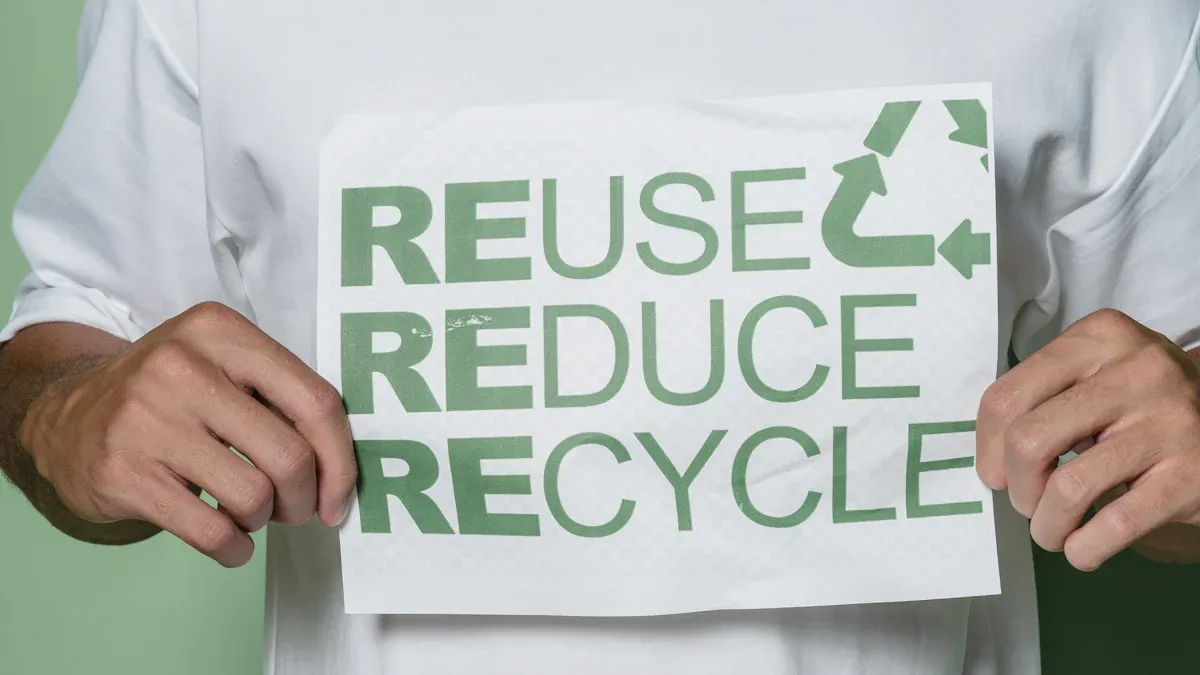
Fast fashion might seem convenient, but its environmental impact is staggering. Every year, the industry generates 20% of the world’s wastewater, mostly from dyeing and finishing processes. These same processes contribute 36% of the industry’s pollution. Yarn preparation and fiber production add another 43%. On top of that, fast fashion is responsible for 10% of global carbon emissions.
In the U.S. alone, 17 million tons of textile waste were produced in 2018, with only 15% recycled. That’s a lot of clothing ending up in landfills. The environmental impact of fast fashion doesn’t stop there—it also contributes to 3% of global CO2 emissions. When you choose second-hand clothing, you help reduce these numbers. Each purchase displaces 8 kg of CO2 and cuts emissions by 82% compared to buying new garments.
Social Impacts of the Fashion Industry
The social costs of fast fashion are just as alarming. Around 75 million people work in garment production, with 80% being young women aged 18-24. Many of these workers face harsh conditions, earning as little as $96 per month in countries like Bangladesh. Reports from Global Labor Justice reveal widespread gender-based violence, discrimination, and lack of maternity leave in fast fashion factories.
Even basic facilities like bathroom breaks are often denied, leading to health issues. Forced and child labor remain prevalent in several countries, including India and Bangladesh. These systemic issues highlight the urgent need for sustainable practices that prioritize ethical treatment of workers.
The Shift Toward Secondhand Shopping
Secondhand shopping is gaining momentum as more people recognize its benefits. In fact, 58% of shoppers plan to buy more secondhand apparel in the next year. Why? Many believe secondhand clothing offers better quality than new items.
The global second-hand apparel market was valued at $177 billion in 2023 and is expected to reach $351 billion by 2027. In the U.S., the online resale market is growing 21 times faster than traditional retail, with an expected value of $64 billion by 2024. This shift is especially popular among Gen Z, who are moving away from fast fashion due to its environmental impact and the affordability of secondhand options.
By embracing secondhand shopping, you’re not just saving money—you’re making a sustainable choice that benefits both the environment and society.
eBay’s Role in Sustainable Fashion
eBay’s Secondhand Marketplace and Its Impact
eBay’s secondhand marketplace is a game-changer in the world of sustainable fashion. By providing a platform where you can buy and sell preloved clothes, eBay helps reduce waste and extend the life of garments. This isn’t just good for your wallet—it’s great for the planet too.
The numbers speak volumes. In 2023 alone, eBay’s secondhand marketplace generated a positive economic impact of $4.9 billion. It also avoided 1.6 million metric tons of carbon emissions and kept 69,000 metric tons of waste out of landfills. These figures highlight how your choice to shop secondhand can make a real difference.
Looking ahead, eBay has set ambitious goals. By 2025, it aims to achieve a $22 billion economic impact, avoid 8 million metric tons of carbon emissions, and prevent 350,000 metric tons of waste. These targets show eBay’s commitment to driving sustainability through its resale marketplaces.
|
Year |
Positive Economic Impact |
Carbon Emissions Avoided |
Waste Avoided |
|---|---|---|---|
|
2023 |
$4.9 billion |
1.6 million metric tons |
69,000 metric tons |
|
2021-2025 |
$22 billion (goal) |
8 million metric tons |
350,000 metric tons |
eBay’s impact goes beyond numbers. It’s about creating a culture where secondhand shopping becomes the norm. Every preloved item you buy or sell contributes to a more sustainable future.
Collaborations with Sustainable Fashion Brands
eBay isn’t just a marketplace—it’s a partner in innovation. By collaborating with sustainable fashion brands, eBay amplifies its impact on the industry. One standout initiative is the Circular Fashion Fund, which has supported 15 startups like The Seam and RCYCL. These businesses focus on garment care and recycling, helping to close the loop in fashion.
eBay has also invested $300,000 in Refiberd, a leader in textile recycling technology. This partnership showcases eBay’s dedication to tackling the environmental challenges of the fashion industry. Through the Circular Fashion Fund, eBay has provided over 200 hours of mentorship to 27 businesses, helping them refine their models and scale their operations.
One of eBay’s most notable collaborations was with Vogue. This campaign achieved incredible results, including 34 million video views, $2.5 million in earned media, and a 41% increase in the intent to shop pre-owned items on eBay. These partnerships not only boost eBay’s visibility but also encourage you to embrace sustainable fashion.
-
34 million video views
-
$2.5 million earned media
-
+41% intent to shop pre-owned items
-
+30% increase in positive sentiment towards eBay
Incentives for Sellers and Buyers in Fashion Resale
eBay makes fashion resale rewarding for everyone. Whether you’re a buyer or a seller, the platform offers incentives that make the process easy and appealing. For sellers, eBay provides tools to optimize listings and reach a global audience. For buyers, it’s all about finding unique, high-quality items at affordable prices.
A recent survey revealed that 86% of consumers bought or sold preloved goods in the last 12 months. Among them, 64% believe that shopping for preloved items benefits the planet’s health. These statistics show how eBay’s incentives align with your values, making it easier than ever to participate in the resale economy.
|
Statistic |
Percentage |
|---|---|
|
Consumers who bought or sold pre-loved goods in the last 12 months |
86% |
|
Consumers who agree that shopping pre-loved betters the health of the planet |
64% |
|
Buyers and sellers who find buying and selling pre-loved goods more important |
66% (buyers), 86% (sellers) |
|
Buyers planning to spend money on pre-owned goods this year |
71% |
|
Buyers who consider sustainability important when buying pre-loved goods |
92% |
|
Buyers who purchased pre-loved goods to prioritize other areas to splurge |
51% |
|
Buyers looking for specific items unavailable in new condition |
43% |
eBay’s approach to fashion resale isn’t just about transactions—it’s about building a community. By offering incentives and fostering trust, eBay empowers you to make choices that are both ethical and economical.
How Secondhand Shopping is Changing Consumer Behavior
The Growing Appeal of Pre-Loved Fashion
Preloved fashion is no longer just a niche—it’s a movement. You’ve probably noticed how secondhand shopping has become a go-to choice for many. Why? It’s all about sustainability, affordability, and the thrill of finding unique pieces. When you shop preloved, you’re not just buying clothes; you’re making a conscious decision to support sustainable fashion and reduce waste.
The numbers tell an exciting story. The U.S. second-hand market is expected to grow by 127%, reaching $82 billion by 2026. This surge reflects a shift in consumer behavior. People are embracing thrift shopping for its affordability and its role in promoting circular fashion. Plus, economic challenges have made secondhand options even more attractive.
Here’s why preloved fashion is winning hearts:
-
It’s sustainable. You’re giving clothes a second life and reducing landfill waste.
-
It’s affordable. You can snag high-quality items without breaking the bank.
-
It’s unique. Preloved pieces let you stand out with one-of-a-kind finds.
Secondhand shopping isn’t just a trend—it’s a lifestyle that aligns with conscious consumerism. Every preloved purchase you make contributes to a more sustainable future.
Creativity and Individuality in Secondhand Style
Secondhand fashion is a playground for creativity. When you shop preloved, you’re not limited by seasonal trends or cookie-cutter designs. Instead, you get to experiment, mix, and match to create a style that’s uniquely yours.
Thrifting gives you the freedom to express yourself. Imagine pairing a vintage jacket with modern sneakers or discovering a bold accessory that transforms your outfit. This process of experimentation is key to developing your personal style. It’s not just about clothes—it’s about self-discovery.
Take inspiration from TikTok’s #thrift trend, which features over 2.3 million posts. These videos showcase styling transformations and creative tips for making secondhand fashion your own. Influencers are also collaborating with brands to highlight the individuality that preloved fashion offers.
|
Case Study |
Description |
|---|---|
|
TikTok Thrifting |
The #thrift trend inspires creativity through styling transformations. |
|
Influencer Collabs |
Brands partner with influencers to showcase the uniqueness of thrifted styles. |
Secondhand purchases let you build a wardrobe that reflects your mood, personality, and values. Whether you’re dressing up for a special occasion or keeping it casual, preloved fashion gives you endless possibilities to express yourself.
Ethical and Environmental Motivations for Consumers
When you choose secondhand, you’re making a statement. You’re saying no to fast fashion’s harmful practices and yes to ethical fashion. Many consumers are driven by a desire to minimize the negative impacts of the fashion industry.
Survey data confirms this shift:
-
95% of consumers are concerned about fashion industry issues influencing their decisions.
-
64% worry about poor working conditions in garment production.
-
36% buy second-hand clothing as a primary strategy to reduce fashion’s environmental footprint.
Secondhand shopping isn’t just about saving money—it’s about making a conscious choice. By opting for preloved fashion, you’re addressing serious global issues like the climate crisis and social justice. You’re also joining a community of like-minded individuals who value sustainability and ethical practices.
Changing how you dress can change the world. Every secondhand purchase you make is a step toward a more ethical and sustainable fashion industry.
Challenges and Opportunities in Sustainable Fashion
Addressing Consumer Hesitation About Secondhand
Secondhand shopping has come a long way, but some consumers still hesitate. Concerns about cleanliness and durability often hold people back. In fact, 37% of shoppers worry about these issues when considering secondhand clothes. However, attitudes are shifting. A growing number of people—72%—believe the stigma around secondhand shopping has decreased. This change reflects a broader acceptance of preloved fashion as a trendy and responsible choice.
|
Statistic |
Description |
|---|---|
|
37% |
Consumers hesitate to purchase secondhand clothing due to doubts about durability and cleanliness. |
|
72% |
Believe the stigma around secondhand shopping has lessened. |
|
63% |
Admire those who prioritize secondhand over new items. |
|
53% |
Believe secondhand should always be the first option when making purchases. |
To address these concerns, platforms like eBay focus on quality assurance. Detailed product descriptions, seller ratings, and buyer reviews help build trust. By creating a transparent and reliable resale experience, eBay makes it easier for you to embrace secondhand shopping confidently.
Encouraging Accountability Among Fashion Brands
Holding fashion brands accountable is essential for a sustainable future. Transparency plays a key role here. For example, Everlane’s "Radical Transparency" initiative boosted customer retention by 90%. This shows how honesty about sourcing and production can build trust. Similarly, McKinsey’s 2023 Fashion Industry Report highlights that brands implementing transparency often see returns on investment within two years.
Governments are also stepping in. The UK’s Green Claims Code ensures brands make accurate sustainability claims. Investigations into misleading greenwashing practices further push companies to take responsibility. As a consumer, your demand for ethical fashion encourages brands to adopt genuine sustainable practices.
eBay’s Innovations to Overcome Industry Challenges
eBay continues to innovate to tackle challenges in the fashion industry. Its user-friendly platform encourages both buyers and sellers to participate in the resale economy. These efforts have paid off. New seller registrations increased by 30%, and retention rates after six months are 25% higher than average. eBay also saw a 15% year-over-year growth in gross merchandise value (GMV), proving the effectiveness of its strategies.
|
Metric |
Value |
|---|---|
|
Video completion rates |
35% higher than industry benchmarks |
|
New user signups increase |
18% compared to previous year |
|
Retention rate after 6 months |
25% higher than historical average |
|
GMV growth year-over-year |
15% |
|
New seller registrations increase |
30% |
By fostering a sustainable retail environment, eBay empowers you to make conscious choices. Its innovations not only reduce the environmental impact of fast fashion but also create a thriving community of ethical shoppers and sellers.
Future Predictions for Fashion Resale
The Growth of the Secondhand Market
The secondhand market is booming, and it’s not slowing down anytime soon. You’re probably noticing more people turning to resale platforms for everything from clothes to books. Why? It’s affordable, sustainable, and offers unique finds.
Here’s what the numbers say:
-
The global secondhand apparel market was valued at $177 billion in 2022 and is expected to nearly double to $351 billion by 2027.
-
In the U.S., the secondhand apparel market is projected to grow to $73 billion by 2028, with an annual growth rate of 11%.
-
Even the secondhand book market is on the rise, growing from $25.32 billion in 2024 to $27.13 billion in 2025, with a CAGR of 7.1%.
This growth reflects a shift in how you and others view shopping. It’s no longer just about buying new; it’s about making choices that align with your values. The secondhand market is becoming a cornerstone of sustainable fashion, offering a way to reduce the environmental impact of fast fashion while saving money.
eBay’s Role in Circular Fashion and Recycling
eBay is leading the charge in circular fashion, and its impact is undeniable. By promoting secondhand shopping, eBay helps reduce waste and extend the life of clothing. This approach directly addresses the environmental impact of fast fashion, which contributes to 10% of global carbon emissions and consumes massive amounts of water.
Through its initiatives, eBay diverts clothing from landfills and fosters a circular economy. Every time you buy or sell on eBay, you’re participating in this cycle. It’s not just about resale; it’s about rethinking how fashion fits into a sustainable future.
eBay’s partnerships with recycling innovators like Refiberd also highlight its commitment to sustainability. These collaborations focus on turning old textiles into new materials, closing the loop in fashion production. By choosing eBay, you’re not just shopping—you’re making a difference.
The Integration of Technology in Sustainable Fashion
Technology is transforming sustainable fashion, and you’re at the center of this revolution. From AI to IoT, advancements are making it easier to track, recycle, and optimize fashion production.
|
Technology |
Description |
|---|---|
|
Internet of Things (IoT) |
Helps brands manage inventory and improve efficiency. |
|
Data Traceability Technologies |
Ensures ethical sourcing and monitors product lifecycles. |
|
Machine Learning |
Reduces waste by optimizing production planning. |
Brands like Stella McCartney and Levi’s are already using these tools. For example, Levi’s employs machine learning to cut down on deadstock waste, while Stella McCartney uses traceability tech to ensure ethical practices. These innovations make it easier for you to trust that your purchases align with your values.
The future of resale will also see AI-powered platforms that match you with items based on your preferences. Imagine finding the perfect preloved jacket without scrolling endlessly. Technology is making sustainable fashion smarter, faster, and more accessible for everyone.
eBay is changing how you think about fashion. By leading the charge in sustainable fashion, it’s making secondhand shopping more accessible and impactful. Every purchase you make on eBay supports a movement that values the planet and ethical practices. This isn’t just a passing trend—it’s a shift toward a better future. When you choose eBay, you’re not just buying clothes; you’re joining a community that cares about sustainability and individuality. Together, you’re reshaping the fashion industry for good.
FAQ
What makes eBay different from other resale platforms?
eBay stands out because of its global reach, diverse product range, and user-friendly tools for buyers and sellers. It also actively supports sustainability through partnerships and initiatives like the Circular Fashion Fund, making it more than just a marketplace.
How does eBay ensure the quality of secondhand items?
eBay provides detailed product descriptions, seller ratings, and buyer reviews. These features help you make informed decisions and ensure transparency. Many sellers also offer guarantees or return policies for added peace of mind.
Can I sell my clothes on eBay even if I’m new to it?
Absolutely! eBay makes it easy for beginners. You can use their step-by-step listing tools, access tips for optimizing your posts, and reach a global audience. It’s a great way to declutter and earn money.
Why is secondhand shopping better for the environment?
Secondhand shopping reduces waste, saves resources, and lowers carbon emissions. Every preloved item you buy or sell keeps clothing out of landfills and minimizes the demand for new production, which often harms the planet.
Does eBay support sustainable fashion brands?
Yes! eBay collaborates with sustainable brands and innovators like Refiberd. These partnerships focus on recycling, garment care, and promoting circular fashion. By shopping on eBay, you’re supporting these eco-friendly initiatives.
Related content