
What Is the Danish Krone and How Do People Use It
Author:XTransfer2025.08.20DKK
The DKK(Danish Krone) serves as the official currency and legal tender in Denmark, Greenland, and the Faroe Islands. People use it every day to pay for groceries, transportation, and services. Travelers and residents rely on the DKK(Danish Krone) for all purchases, making it an essential part of life in these regions.
|
Territory |
Population Using Danish Krone (or pegged local version) |
|
Denmark |
Approximately 5,941,388 |
|
Greenland |
Approximately 56,000 |
|
Faroe Islands |
Approximately 52,000 |
|
Total |
Approximately 6,049,579 |
Highlights
-
The Danish Krone (DKK) is the official currency in Denmark, Greenland, and the Faroe Islands, used daily for all purchases.
-
Coins and banknotes come in various values, with modern designs that celebrate Danish culture and history.
-
Most people prefer using cards or mobile payments like Dankort and MobilePay, while cash is rarely used.
-
Travelers should exchange money carefully, avoid airport exchanges, and use ATMs inside banks for better rates.
-
Denmark keeps the krone stable by linking it to the Euro but chooses not to use the Euro itself to maintain control over its economy.
Where DKK(Danish Krone) Is Used
Denmark
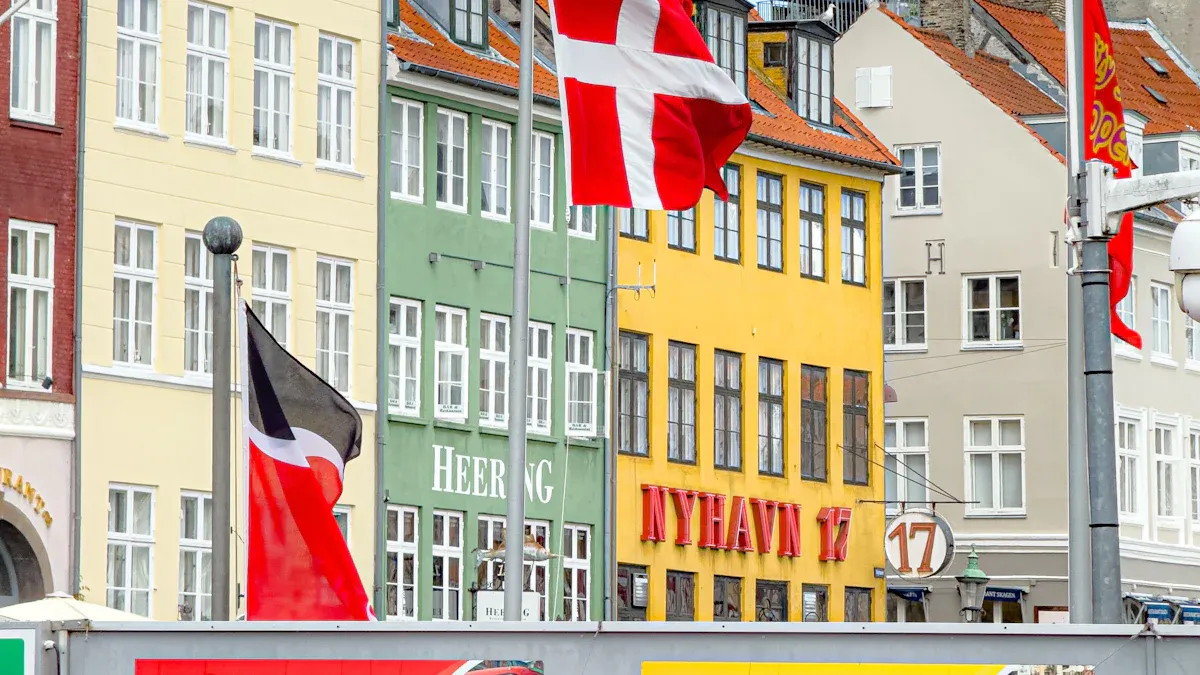
Denmark uses the DKK(Danish Krone) as its official currency. People in Denmark pay for goods and services with this currency every day. Shops, restaurants, and public transport all accept it. Danmarks Nationalbank, the central bank, regulates the currency. Danish citizens rely on the krone for all their financial needs. The country does not use any other currency for regular transactions.
Greenland and Faroe Islands
Greenland and the Faroe Islands also use the DKK(Danish Krone) as their legal tender. These territories belong to the Kingdom of Denmark. People in Greenland and the Faroe Islands use the krone for shopping, travel, and business. Local banks and stores handle the currency just like in Denmark. The krone helps connect these regions to Denmark’s economy. Some shops in the Faroe Islands may issue special banknotes, but they still use the same value as the Danish krone.
Legal Tender Status
The DKK(Danish Krone) is the only legal tender in Denmark, Greenland, and the Faroe Islands. No other countries or territories accept it as official currency. Travelers cannot use the krone outside these areas for payments. This rule helps keep the currency stable and easy to manage. The krone’s legal status comes from Danish law and the central bank’s regulations. People visiting Denmark or its territories should always use the krone for their purchases.
DKK(Danish Krone) Denominations
DKK(Danish Krone) Coins
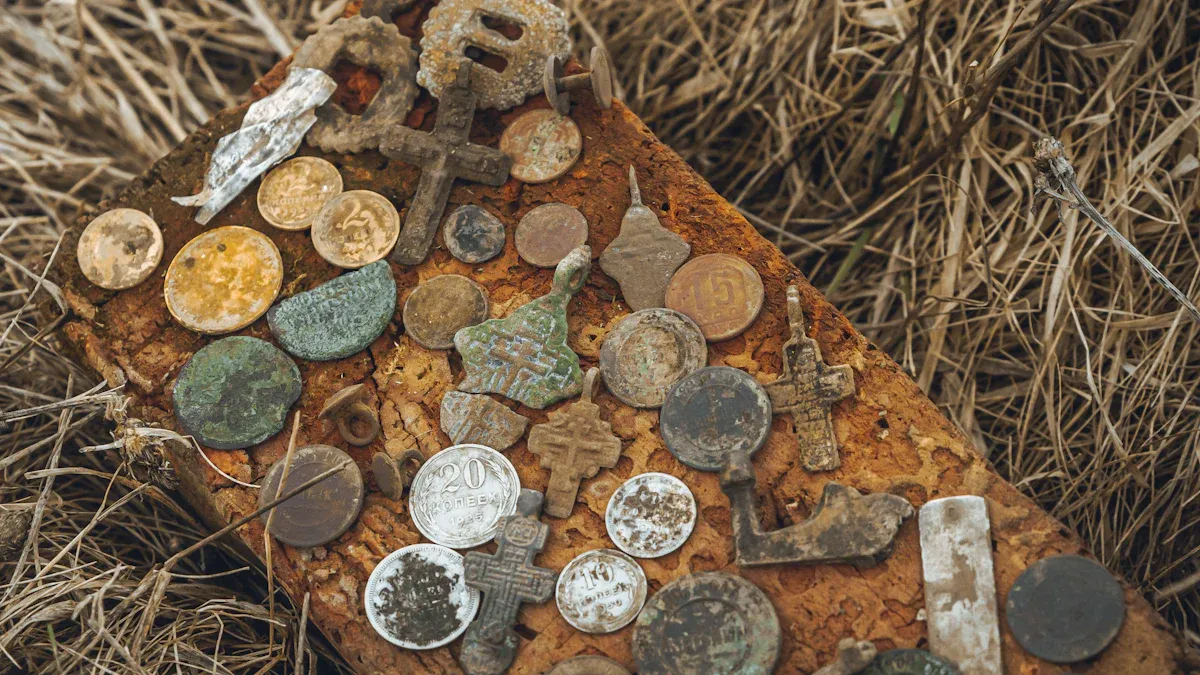
People in Denmark, Greenland, and the Faroe Islands use several coins for daily transactions. The coins come in different sizes and materials. Each coin has a unique design that celebrates Danish heritage. The coins in circulation include:
|
Coin Value |
Material/Features |
Typical Use |
|
50 øre |
Stainless steel |
Small purchases, change |
|
1 krone |
Nickel-brass |
Everyday transactions |
|
2 kroner |
Nickel-brass |
Everyday transactions |
|
5 kroner |
Nickel-brass |
Everyday transactions |
|
10 kroner |
Nickel-brass |
Larger purchases |
|
20 kroner |
Bimetallic |
Larger purchases, savings |
Many coins display the national coat of arms or famous Danish landmarks. The 50 øre coin is the smallest in use. People often use these coins for small purchases or to give exact change.
DKK(Danish Krone) Banknotes
Banknotes in Denmark show important figures and places from Danish history. The current series includes:
-
50 krone
-
100 krone
-
200 krone
-
500 krone
-
1000 krone
Each note features a famous Dane or a landmark. For example, the 50-krone note shows Hans Christian Andersen, and the 100-krone note shows Niels Bohr. The banknotes use polymer material, which makes them strong and long-lasting. The designs highlight Denmark’s culture, science, and art. The symbol for the krone is "kr," which stands for "crown" in English.
Subdivision: Øre
The DKK(Danish Krone) divides into 100 øre. One øre equals one hundredth of a krone. Today, only the 50 øre coin remains in circulation. People use this coin for small amounts, but most prices round to the nearest krone. The other øre coins are no longer used.
Using DKK in Daily Life
Payment Methods
People in Denmark, Greenland, and the Faroe Islands use many modern payment methods. Most people prefer cards or mobile payments instead of cash. The table below shows the popularity of different payment options:
|
Payment Method |
Usage / Popularity Details |
|
Dankort Debit Cards |
Most popular card; about 4.5 million users; 80% of Dankort transactions are contactless. |
|
MobilePay |
Used by over 4 million people; 71% of Danes have used it for online purchases; 39% prefer it as payment method. |
|
Apple Pay |
Supported by 63% of mobile devices sold in Denmark; popular for in-store contactless payments. |
|
Google Pay |
Supported on many Android devices; widely accepted online and in stores but does not support Dankort cards. |
|
Credit Cards |
Preferred by 25% of consumers for in-store purchases. |
|
Charge Cards |
Preferred by 23% of consumers for in-store purchases. |
|
Cash |
Accounts for only about 1% of payments, reflecting Denmark's almost cashless society. |
|
PayPal |
Popular mainly for international transactions, less so for domestic retail payments. |
Dankort, the national debit card, is the most common way to pay. Many people also use international cards like Visa and Mastercard. Most stores, restaurants, hotels, and taxis accept these cards. Contactless payments are very popular. People can pay quickly by tapping their card or phone. MobilePay, Apple Pay, and Google Pay are widely used for both in-store and online shopping. Cash is rarely used, but some small shops or rural areas may still accept it.
Exchanging and Withdrawing DKK
Travelers and residents can exchange foreign money for DKK(Danish Krone) at banks, exchange offices, or ATMs. Banks and exchange offices often use the mid-market rate but may add hidden markups or fees. Airport and hotel exchanges usually charge higher commissions, sometimes up to 20%. ATMs in towns and cities offer better rates. Using ATMs inside bank branches is often the best choice, though a small surcharge may apply.
People can find ATMs in almost every town and city in Denmark. In the Faroe Islands, ATMs are located in major towns like Tórshavn, near Vágar Airport, and at tourist attractions. These ATMs work 24/7, making it easy to get cash at any time. Most ATMs accept international cards and display major network logos. When using an ATM, it is best to choose to be charged in the local currency to avoid extra fees from dynamic currency conversion.
Tips for Travelers and Residents
Managing money in Denmark is simple with a few practical tips:
-
Use cards or mobile payments for most purchases. These methods are safe and widely accepted.
-
Carry a small amount of cash for places that do not accept cards, such as some small shops or markets.
-
Keep coins handy for small purchases or public toilets.
-
When exchanging money, compare rates and fees at different banks or exchange offices. Avoid airport and hotel exchanges if possible.
-
ATMs provide a convenient way to withdraw DKK(Danish Krone). Always check for any extra charges from your home bank.
-
According to Danish customs rules, anyone bringing in or taking out more than the equivalent of EUR 10,000 (in DKK or other currencies) must declare it to customs. This rule applies to cash, checks, and banker’s drafts.
Remember: Exchange rates change often. Plan ahead and check the latest rates before traveling.
DKK and the Euro
Fixed Exchange Rate
Denmark keeps a close link between the DKK(Danish Krone) and the Euro. The country uses a fixed exchange rate system, pegging the krone at about 7.46 per 1 Euro. This peg falls under the Exchange Rate Mechanism II (ERM II) framework. The Danish central bank, Danmarks Nationalbank, works with the European Central Bank to keep the krone within a narrow band of ±2.25% around this central rate. In practice, Denmark keeps the krone even closer to the peg, usually within ±0.75%. The central bank steps in to buy or sell currency if the rate moves too far. This system helps keep prices stable and supports trade with Eurozone countries.
Why Denmark Does Not Use the Euro
Denmark has chosen not to adopt the Euro for both economic and political reasons. The country values its ability to control its own monetary policy. During financial crises, such as the Great Recession, Denmark could suspend the currency peg if needed. This flexibility helps protect the economy. Many Danes also feel uncertain about the Euro’s long-term future. In 2000, a national vote showed that most people did not want to switch to the Euro. This decision reflects a desire for independence and caution about joining the Eurozone. Denmark has a special agreement with the European Union that allows it to keep the krone.
Euro Acceptance for Tourists
Most shops, restaurants, and hotels in Denmark, Greenland, and the Faroe Islands do not accept the Euro for payments. Some tourist areas or large hotels may take Euros, but they often give change in DKK(Danish Krone) and use less favorable exchange rates. Travelers should always plan to use the local currency for purchases. Using cards or mobile payments remains the easiest way to pay. People visiting Denmark will find that the krone is the main currency in daily life.
The Danish Krone plays a central role in daily life across Denmark, Greenland, and the Faroe Islands.
-
Residents and travelers use coins and banknotes for purchases.
-
Credit cards work almost everywhere in Greenland, but ATMs appear mostly in major cities.
-
The Faroe Islands accept both the Faroese króna and the Danish krone.
-
Reliable sources like Service Credit Union and FOREX.com help travelers check current exchange rates before a trip.
Always review the latest currency information to ensure smooth payments during your visit.
FAQ
What is the symbol for the Danish Krone?
The Danish Krone uses the symbol "kr". People often see prices written as "100 kr" in shops and restaurants. The international code for the currency is DKK.
Can people use Danish coins and notes outside Denmark?
People cannot use Danish coins or notes outside Denmark, Greenland, or the Faroe Islands. Other countries do not accept the krone for payments. Travelers should exchange leftover currency before leaving.
How do people check the current exchange rate for DKK?
People can check the latest exchange rate online. Many banks and currency exchange websites show up-to-date rates. Mobile apps also help travelers find the best rates quickly.
Are old Danish banknotes still valid?
Some old Danish banknotes are no longer valid. Danmarks Nationalbank lists which notes people can still use. Banks may exchange outdated notes for new ones.
Do shops in Denmark accept foreign credit cards?
Most shops, hotels, and restaurants in Denmark accept major foreign credit cards like Visa and Mastercard. Some places may charge a small fee for using international cards.
Related content