
What Are Euros? Definition, Key Features, and B2B Applications
Author:XTransfer2026.01.09Euros
Euro Definition: Europe's Unified Currency for Global Business
The euro (EUR, symbol: €) is the official currency of 20 European Union countries, managed by the European Central Bank, and serves as the second most traded currency in global markets after the US dollar. Over 340 million people across the Eurozone use euros for daily transactions, while businesses worldwide rely on euros for international trade settlements, cross-border payments, and reserve holdings.
Why the euro matters for global trade: Since physical euro notes and coins entered circulation in 2002, the currency has eliminated exchange rate uncertainty between major European economies. A Chinese exporter selling to clients in Germany, France, and Spain can receive payment in a single currency rather than managing deutsche marks, francs, and pesetas. This simplification has made European markets more accessible and reduced transaction costs for businesses worldwide.
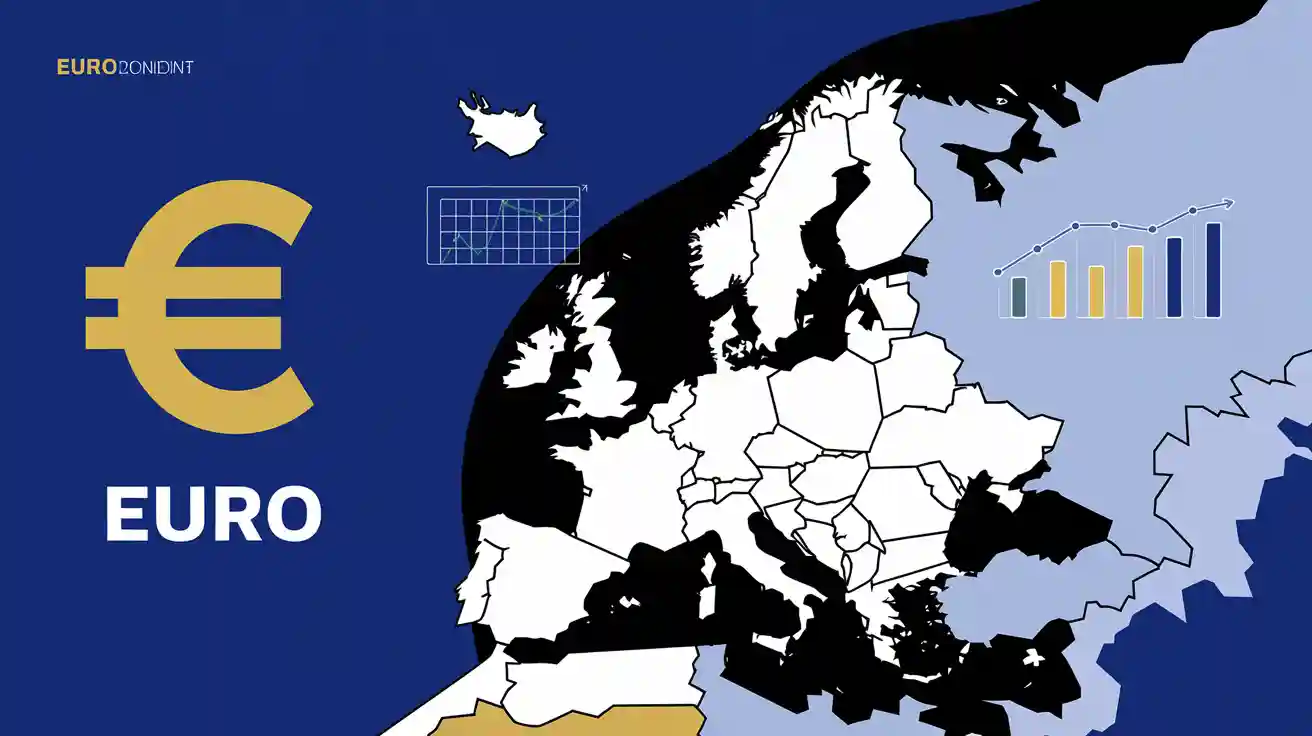
The Eurozone: Which Countries Use the Euro
Twenty EU member states have adopted the euro as their official currency, creating the world's second-largest unified monetary zone. Germany, France, Italy, and Spain represent the Eurozone's economic core, but the currency extends across diverse economies from Finland in the north to Greece in the south.
The complete Eurozone membership in 2026: Austria, Belgium, Croatia, Cyprus, Estonia, Finland, France, Germany, Greece, Ireland, Italy, Latvia, Lithuania, Luxembourg, Malta, the Netherlands, Portugal, Slovakia, Slovenia, and Spain all share the euro. Notable EU members like Denmark, Sweden, and Poland maintain their own currencies, though they may adopt the euro in future.
Non-EU Countries Using the Euro
Several countries and territories outside the European Union also use euros officially or de facto. Andorra, Monaco, San Marino, and Vatican City have formal agreements allowing euro usage despite not being EU members. Montenegro and Kosovo adopted the euro unilaterally without formal EU authorization but with practical EU acceptance.
Implications for businesses: This extended euro zone means your European payment network reaches beyond official EU borders. Suppliers in Montenegro or customers in Monaco transact in euros just as readily as businesses in France or Germany.
How the European Central Bank Manages the Euro
The European Central Bank in Frankfurt serves as the sole authority for euro monetary policy, controlling interest rates, money supply, and inflation targets for all Eurozone countries. Unlike most currencies managed by individual national central banks, the euro represents monetary unification across sovereign nations that retain fiscal independence.
Policy coordination challenges: Member states control their own government spending and taxation but share a common currency and monetary policy. This arrangement creates tension when economically stronger nations like Germany face different inflation pressures than economically weaker members like Greece. The ECB must balance competing national interests when setting policy.
Interest rate decisions by the ECB affect the euro's exchange rate against other major currencies. When the ECB raises rates to combat inflation, the euro typically strengthens against the US dollar and Chinese yuan, making European imports more expensive for foreign buyers but reducing import costs for European businesses.
Euro Stability and Reserve Currency Status
The euro holds approximately 20% of global foreign exchange reserves, second only to the US dollar's 59% share. Central banks worldwide maintain euro reserves to facilitate trade with Europe, diversify holdings, and reduce dependence on dollar-denominated assets.
Stability factors: The Eurozone's combined GDP rivals the United States, the ECB maintains strong anti-inflation credentials, and the depth of European financial markets provides liquidity for large transactions. These factors make the euro attractive for international reserves and trade settlements despite occasional sovereign debt concerns within member states.
SEPA: The Payment System That Makes Euros Efficient
The Single Euro Payments Area revolutionized European banking by standardizing payment formats, processing times, and cost structures across Eurozone countries and several additional European nations. SEPA enables businesses to treat euro payments from Berlin to Barcelona as easily as domestic transfers within a single country.
How SEPA benefits international businesses: Before SEPA's full implementation, transferring euros from a French bank to an Italian supplier involved higher fees, longer processing times, and more documentation than domestic French transfers. SEPA eliminated these barriers. A payment from any SEPA country to any other SEPA country now costs the same as a domestic transfer and typically completes within one business day.
SEPA Instant Credit Transfer
SEPA Instant launched in 2017 and has grown to cover most major European banks by 2026. This system settles euro payments in less than ten seconds, available 24/7 including weekends and holidays. The instant settlement capability supports just-in-time manufacturing, emergency supplies, and time-sensitive business needs.
Business applications: A German manufacturer discovers a supply shortage on Friday evening and needs components immediately. With SEPA Instant, they can pay an Italian supplier within seconds, triggering immediate shipment for Saturday delivery. Traditional payment systems would delay settlement until Monday, making weekend logistics impossible.
The speed advantage extends beyond emergencies. Instant settlement improves cash flow management—suppliers receive funds immediately rather than waiting days, while buyers maintain control of funds until the last moment. This efficiency particularly benefits small and medium enterprises managing tight working capital.
SEPA Coverage Beyond the Eurozone
SEPA extends beyond the 20 Eurozone countries to include non-euro EU members and several additional European nations. The United Kingdom, despite Brexit, remains part of SEPA. Switzerland, Norway, Iceland, and Liechtenstein participate despite not being EU members.
Practical impact: A Swiss company paying a Swedish supplier in euros uses the same SEPA system as transactions between Eurozone members. The standardization benefits businesses operating across the broader European market regardless of euro adoption status.
Euro Exchange Rates and Currency Conversion
The euro's exchange rate against major currencies fluctuates based on economic data, central bank policies, geopolitical events, and market sentiment. The EUR/USD exchange rate represents the world's most traded currency pair, with trillions of dollars worth of daily transactions.
Historical context: The euro launched in 1999 at roughly USD 1.17, fell to USD 0.83 by 2000, climbed to USD 1.60 in 2008, and has fluctuated between USD 1.05 and USD 1.25 for much of the 2020s. These swings significantly affect import and export profitability for businesses trading between Europe and dollar zones.
Managing Euro Exchange Rate Risk
Businesses with regular euro exposures use various strategies to manage currency risk. Forward contracts lock in exchange rates for future payments, providing certainty but eliminating upside if rates move favorably. Options provide rate protection while preserving favorable movement opportunities at the cost of premium payments.
Natural hedging through matching euro revenues and expenses reduces exposure without financial instruments. A Chinese manufacturer selling products to European customers and buying European components creates a natural hedge—euro revenues offset euro expenses, reducing net exposure to exchange rate movements.
Currency conversion timing affects costs significantly. Converting millions of euros to yuan during favorable rates versus unfavorable periods can mean percentage-point differences in realized value. Businesses with significant euro volumes often employ treasury teams or work with specialized foreign exchange providers to optimize conversion timing.
Euro to Yuan Conversion for Chinese Businesses
Chinese exporters receiving euro payments face the decision of when and how to convert to renminbi. Direct EUR/CNY conversion has become more efficient in recent years as Chinese banks expanded euro trading desks and platforms like XTransfer streamlined currency operations for SMEs.
Conversion cost factors: Bank margins on currency conversion, payment platform fees, conversion timing relative to rate movements, and transaction sizes all affect total costs. A business converting EUR 10,000 weekly might pay higher percentage margins than one converting EUR 1 million monthly due to economies of scale.
Settlement timing matters equally—immediate conversion provides certainty but loses potential gains if the euro strengthens. Delayed conversion creates risk if the euro weakens but captures gains if it strengthens. Businesses must balance this timing risk against operational needs for renminbi liquidity.
Euro Payment Methods and Technical Infrastructure
IBAN and BIC Codes for Euro Payments
International Bank Account Numbers (IBAN) provide standardized account identification across European banking systems. European IBANs contain up to 34 alphanumeric characters encoding country code, check digits, bank identifier, and account number in a format validated by mathematical algorithms.
Practical usage: When a Chinese exporter receives payment from a German client, the exporter provides their euro account IBAN. The German buyer enters this IBAN into their banking system, which validates the format, identifies the destination bank, and routes the payment automatically. Errors in IBAN entry typically trigger immediate system rejections rather than misdirected payments.
Bank Identifier Codes (BIC), also called SWIFT codes, complement IBANs by identifying specific banks in international payment messages. While SEPA payments within Europe increasingly rely solely on IBANs, international euro payments involving non-SEPA countries typically require both IBAN and BIC for proper routing.
SWIFT Network for International Euro Payments
SWIFT (Society for Worldwide Interbank Financial Telecommunication) operates the global messaging network that banks use to communicate payment instructions securely. When euros move between banks in different countries—particularly when at least one country is outside SEPA—SWIFT messages typically carry the payment instructions.
How SWIFT euro payments work: A bank in China initiating a euro payment to Spain generates a SWIFT message containing the payment amount, sender details, beneficiary IBAN and BIC, payment reference, and any required compliance information. This message routes through SWIFT's secure network to correspondent banks and ultimately the beneficiary's bank.
SWIFT gpi (global payments innovation) has modernized the network since 2017, providing payment tracking, faster processing, and transparent fees. Most euro payments via SWIFT gpi now reach beneficiary banks within hours rather than days, though final crediting to beneficiary accounts depends on local bank processing.
Digital Payment Platforms and Fintech Solutions
Modern payment platforms increasingly offer euro account services to businesses outside Europe, simplifying international trade. Chinese exporters can open euro-denominated accounts through platforms like XTransfer without establishing European banking relationships, receiving euro payments directly from European customers.
Platform advantages over traditional banking: Lower fees through technology efficiency, faster account opening without European presence requirements, integrated currency conversion at competitive rates, and payment tracking through digital dashboards. These features particularly benefit small and medium enterprises lacking resources to manage complex banking relationships across multiple countries.
E-wallet services and online payment processors provide additional euro payment options for smaller transactions. PayPal, Stripe, and regional European services enable euro collections from end customers and B2C transactions, though fees typically exceed bank transfer costs for large B2B payments.
Euro Compliance and Regulatory Requirements
EU Payment Regulations and Cost Rules
European Union regulations mandate equal pricing for domestic and cross-border euro payments within the EU. A business making a euro payment from Estonia to Portugal must pay the same bank fees as a domestic Estonian euro transfer. This regulation eliminated the historical practice where banks charged premium fees for cross-border transfers.
Compliance requirements for euro payments: All euro transactions must comply with EU anti-money laundering directives, requiring banks and payment providers to verify customer identities, monitor transactions for suspicious patterns, and report potential money laundering to authorities. These requirements apply regardless of where the payment originates—a Chinese business receiving euros faces the same scrutiny as a German business.
Know Your Customer (KYC) procedures require businesses to provide company registration documents, beneficial ownership information, business activity descriptions, and sometimes transaction purpose details when opening euro accounts or making large euro payments. Documentation requirements have increased steadily as EU authorities tighten financial crime prevention.
Sanctions Screening and Transaction Monitoring
Every euro payment undergoes automated screening against EU sanctions lists, terrorist financing databases, and politically exposed person lists. When payments involve counterparties in sanctioned countries or individuals on restricted lists, banks must block transactions and report to regulatory authorities.
Practical screening impact: Most legitimate business payments clear screening instantly without human review. However, payments involving common names that match sanctioned individuals, countries under partial sanctions, or unusually structured transactions may trigger manual review. These reviews typically resolve within hours to days but can occasionally delay time-sensitive payments.
Real-time monitoring systems analyze payment patterns to identify potential fraud or money laundering. Sudden large payments from dormant accounts, payments inconsistent with declared business activities, or circular payment patterns may trigger blocks pending compliance investigation.
Documentation Standards for International Euro Payments
Cross-border euro payments often require supporting documentation proving the commercial purpose of transactions. Invoices, purchase orders, contracts, or shipping documents may be necessary for payment authorization, particularly for large amounts or when payment purposes appear unusual.
Regular trading relationships typically involve simplified documentation after initial relationship establishment. A Chinese exporter making weekly euro collections from established European customers usually needs minimal documentation once the business relationship is verified. First-time payments or large one-off transactions face heightened scrutiny.
Tax documentation requirements vary by jurisdiction but generally require businesses receiving euro payments to report foreign currency income to their domestic tax authorities. Chinese businesses must convert euro revenues to renminbi for tax reporting purposes, requiring accurate exchange rate documentation.
Euros in Different Business Scenarios
European Import and Export Settlements
European importers buying from Chinese manufacturers typically offer euro payment terms, shifting currency risk to the exporter unless contracts specify alternative currencies. Chinese exporters must decide whether to accept this euro exposure or negotiate USD payments depending on their currency management capabilities.
Euro payment timing options: Advance payment before shipment, payment against documents when shipping paperwork is presented, or open account terms with payment 30-90 days after goods are received. Each option affects working capital and risk differently—advance payment provides immediate euro inflows while open account terms create extended currency exposure.
European exporters selling to markets outside the Eurozone often quote prices in euros, particularly when dealing with buyers in currencies less stable than the euro. The euro's reserve currency status and liquidity make it acceptable to buyers worldwide, though competitive pressure sometimes forces pricing in buyer's preferred currencies.
Supply Chain Finance and Trade Finance
Letters of credit denominated in euros provide payment security for international trade. A Chinese exporter shipping goods to Italy might negotiate a euro letter of credit where an Italian bank guarantees payment upon presentation of conforming documents. The exporter receives euros without counterparty risk even if the buyer's financial situation deteriorates.
Supply chain finance programs increasingly operate in euros for European supply chains. A large European manufacturer might offer supply chain finance allowing suppliers to receive early euro payment at discounted rates, improving supplier cash flow while giving the manufacturer extended payment terms.
Invoice financing and factoring services accept euro-denominated invoices, providing immediate liquidity against outstanding receivables. A business awaiting euro payment from customers can sell invoices to a financing provider, receiving most of the invoice value immediately while the financier collects from customers later.
E-commerce and Digital Services
European e-commerce businesses accepting international payments typically denominate transactions in euros for EU customers and offer local currency options for others. Payment processors like Stripe automatically handle currency conversion, presenting prices in buyer's currency while settling to merchants in euros.
Digital service providers—software companies, designers, consultants—increasingly invoice European clients in euros regardless of the provider's location. A software development company in Vietnam invoicing a French client finds euro invoicing builds trust and simplifies the client's purchasing process compared to demanding USD or Vietnamese dong.
Subscription services with European customers benefit from euro pricing stability. Rather than repricing monthly as exchange rates fluctuate, businesses set euro subscription prices and maintain them consistently, letting currency movements affect their realized revenue rather than passing volatility to customers.
Euro Benefits and Challenges for International Businesses
Advantages of Using Euros
Reduced currency complexity represents the euro's primary benefit for businesses serving multiple European markets. Instead of managing accounts and pricing in twenty separate currencies, businesses handle one currency for most of Europe. This simplifies accounting, reduces bank fees, and eliminates intra-European currency risk.
Wide acceptance and liquidity make euros easily convertible to other major currencies at tight spreads. Converting euros to US dollars or Chinese yuan involves minimal cost compared to converting minor currencies that require indirect conversion through intermediary currencies.
Regulatory standardization through SEPA and EU directives creates predictable compliance requirements across member states. A business establishing euro payment processes for German clients can use nearly identical processes for French, Italian, or Spanish clients.
Political and economic stability of the Eurozone as a whole provides confidence despite individual member challenges. While specific countries face fiscal pressures, the Eurozone's collective economic strength and ECB policy credibility support euro stability more than any individual member currency could achieve.
Challenges and Risks
Exchange rate volatility affects businesses converting euros to other currencies. A Chinese exporter might agree to receive EUR 100,000 when the exchange rate is CNY 7.8 per euro, expecting CNY 780,000. If the euro weakens to CNY 7.2 before payment is converted, the exporter receives only CNY 720,000—a significant unexpected loss.
Eurozone economic divergence creates uncertainty about long-term stability. Northern European economies like Germany and the Netherlands have different economic conditions and policy preferences than Southern members like Italy and Greece. These tensions occasionally raise questions about Eurozone cohesion.
Compliance burden from strict EU regulations increases operational costs, particularly for smaller businesses. KYC documentation, sanctions screening, and transaction reporting requirements necessary for euro payments exceed requirements for some other currency zones.
Political risks from EU policy changes can affect euro usage. Changes to payment regulations, data privacy rules affecting cross-border transactions, or financial sanctions create adaptation costs for businesses integrated into euro payment systems.
Future Developments in Euro Payments
Digital Euro Project
The European Central Bank is developing a digital euro—a central bank digital currency that would complement physical euro cash and bank deposits. The digital euro would enable direct electronic payments between individuals and businesses without intermediary banks, potentially reducing transaction costs and increasing payment speed.
Implementation timeline: The ECB projects potential digital euro launch in the late 2020s following extensive testing and regulatory framework development. Businesses should monitor this development as it may significantly change euro payment infrastructure and create new payment options.
Questions remain about digital euro design choices—whether it will pay interest, how it will interact with commercial bank deposits, what privacy protections it will include, and whether it will be accessible to non-EU residents. These decisions will determine the digital euro's utility for international trade.
Instant Payment Expansion
EU regulations increasingly mandate instant payment capability for all European banks. By 2026, most banks offer SEPA Instant, and regulatory pressure continues pushing universal adoption. This trend eliminates the speed advantage that alternative payment systems previously offered over traditional banking.
Cross-border instant payments beyond Europe represent the next frontier. Connecting SEPA Instant with similar systems in other regions would enable euro to yuan instant settlement or euro to dollar instant settlement, dramatically improving international trade efficiency.
Blockchain and Distributed Ledger Technology
Financial institutions experiment with blockchain-based euro settlement systems that could reduce correspondent banking costs and increase transaction transparency. While these experiments remain largely in pilot phases, successful implementation could reshape euro payment infrastructure fundamentally.
Stablecoin competition from euro-pegged cryptocurrencies offers both opportunity and challenge. Euro stablecoins could extend euro usage into digital economies and provide 24/7 settlement outside traditional banking hours, but regulatory concerns about stability and oversight remain significant.
Frequently Asked Questions About Euros
Can I open a euro bank account without being in Europe?
Yes, many international banks and payment platforms like XTransfer offer euro account services to businesses outside Europe. You typically need business registration documents, beneficial ownership information, and proof of commercial need for euro accounts. Requirements vary by provider but physical European presence is not mandatory.
How long does a euro payment take to arrive?
Within the SEPA zone, standard euro transfers typically complete within one business day, while SEPA Instant settles in seconds. International euro payments from outside SEPA can take 2-5 business days depending on correspondent banking relationships and compliance screening requirements.
Do all European Union countries use the euro?
No, only 20 of the 27 EU member states have adopted the euro. Denmark, Sweden, Poland, Czech Republic, Hungary, Romania, and Bulgaria retain their own currencies. However, some may adopt the euro in future as they meet convergence criteria.
What's the difference between SEPA and SWIFT for euro payments?
SEPA is a unified payment system specific to Europe and the euro, offering standardized fees and fast settlement within participating countries. SWIFT is a global messaging network used for international payments in any currency, including euros. Euro payments between SEPA countries typically use SEPA, while euro payments involving non-SEPA countries use SWIFT.
How do euro exchange rates affect my business costs?
If you receive euro payments but operate in another currency, exchange rate movements directly affect your realized revenue when converting to local currency. A strengthening euro increases your revenue while a weakening euro reduces it. Businesses can manage this through hedging strategies, natural hedging by matching revenues and expenses, or accepting the currency risk.
Are there limits on euro payment amounts?
SEPA payments technically have no upper limit, though banks may impose their own thresholds requiring additional verification for large amounts. SEPA Instant has a standard limit of EUR 100,000 per transaction, though this may increase. International euro wire transfers generally have no fixed limits but large payments face enhanced compliance screening.
What documents do I need to receive euro payments from European clients?
At minimum, you need a euro account with IBAN (and sometimes BIC code), business registration documents, and tax identification numbers. First-time payments or large transactions may require invoices, contracts, or other commercial documentation proving the payment's legitimate business purpose. Specific requirements depend on your bank or payment provider's compliance policies.
Can I use euros for payments to countries outside Europe?
Yes, euros are widely accepted for international trade globally. Many businesses worldwide accept euro payments even if they're not based in Europe, though they may prefer their local currency or US dollars. The euro's reserve currency status and liquidity make it acceptable for international transactions beyond Europe's borders.
Learn More & Get Started
For businesses seeking efficient, compliant, and low-cost euro payments, XTransfer offers global multi-currency accounts, instant settlement, and robust compliance support. Open your euro account with XTransfer today: https://www.xtransfer.com/.
Related content