
How Is the TWD Currency Traded and Priced
Author:XTransfer2025.08.19TWD
The TWD currency is Taiwan’s official money. People trade the TWD currency mostly in forex markets, banks, and licensed exchanges. Taiwan uses a managed floating exchange rate system. The central bank helps keep the TWD currency stable, which helps protect the dollar from big fluctuations. This stability also keeps Taiwan’s economy steady. The central bank’s actions can support exporters, but they can also make imports more expensive. Travelers, investors, and businesses should understand how the TWD currency and the dollar fluctuate. These changes impact every transaction involving Taiwan money or goods.
Highlights
-
The Taiwan Dollar (TWD) is mostly traded in forex markets, banks, and licensed exchanges. The central bank helps keep its value steady.
-
Taiwan uses a managed floating exchange rate system. The central bank steps in to stop big changes and help the economy.
-
People can exchange TWD at banks, airport counters, or ATMs. Businesses must follow special rules and limits for big trades.
-
Exporters, investors, and travelers use tools like forwards, swaps, and futures. These tools help them handle risks and gain from currency changes.
-
Watching the USD/TWD exchange rate and what the central bank does helps everyone. This way, they can make smart choices and avoid sudden losses.
TWD Currency Trading
Forex Markets
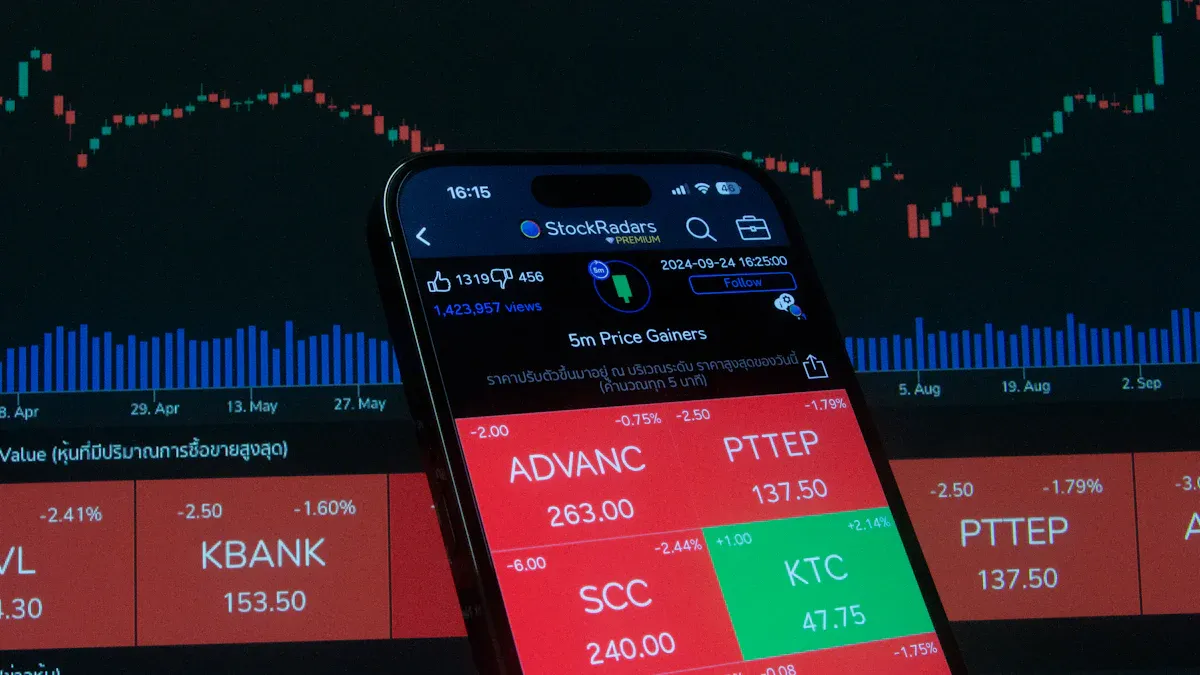
The new taiwan dollar is traded a lot in forex markets. Many banks and big companies buy and sell the twd currency every day. The most traded pairs are USD/TWD and JPY/TWD. People use these pairs to swap the taiwan new dollar for other money. Most trading happens when Asian markets are open. Some trading also happens in Europe and the United States. The twd currency gets attention from investors who want to lower risk or guess price changes. Exporters and importers in Taiwan use forex to handle their dollar needs. When Taiwan’s economy grows, more people want the taiwanese dollar.
Banks and Exchanges
Banks are very important for trading the new taiwan dollar. In Taiwan, most people go to banks or post offices to exchange money. It is hard to find currency kiosks in Taiwan’s cities. Airport banks in Taoyuan and Kaohsiung give good exchange rates. Sometimes, these rates are better than city banks. These banks are open for a long time and help travelers and businesses. City banks also help with big trades for exporters, importers, and investors. The taiwan new dollar is their main focus. They help people change foreign money into ntd or swap ntd for other money. The Taiwan currency market has rules and is easy to understand. This helps keep the dollar steady.
Trading Instruments
The new taiwan dollar is traded with different tools. The most used tool is the Non-Deliverable Forward (NDF). NDFs are contracts that let people set a future exchange rate for the twd currency. These contracts are paid in U.S. dollars. You do not need to give or get the real taiwan new dollar. NDFs help people avoid losing money from currency changes or try to make money from price moves. The taiwan new dollar is one of the biggest NDF markets in the world. Most NDFs last from one month to one year. There are also currency swaps for the twd, but they are harder and used for long-term plans. Spot trades, where people swap the taiwan new dollar at today’s rate, are common for simple needs. Futures contracts for the ntd are not as popular but some traders use them.
Taiwan’s Financial Supervisory Commission (FSC) makes strict rules for trading the twd currency. In July 2025, the FSC will make central clearing a rule for Taiwan Dollar Interest Rate Swaps. This rule will make trading safer and clearer. International banks are getting ready to join the Taiwan Futures Exchange to follow these rules. Everyone must confirm trades fast and follow the new rules or they will get in trouble.
The main people in the taiwan new dollar market are:
-
Local and international banks
-
Exporters and importers
-
Investors and hedge funds
-
Individual travelers and businesses
Each group uses the twd currency for its own reasons. Banks and exporters want to lower risk. Investors want to make money. Travelers and businesses need the taiwanese dollar for spending and trade.
TWD Exchange Rate

Managed Float System
Taiwan uses a managed floating exchange rate for its official currency, the new taiwan dollar. The value of the taiwan new dollar changes with the market. The central bank of taiwan can step in if needed. The bank does not let the dollar move too far up or down. It watches the market and acts if the taiwan new dollar gets too strong or weak. This helps keep the economy steady. Both exporters and importers benefit from this system.
The managed float lets the taiwan new dollar react to world events and trade. If more people want the new taiwan dollar, the rate goes up. If fewer people want it, the rate goes down. The central bank of taiwan stops big or sudden changes. This gives the taiwanese economy some freedom. It also protects the dollar from big swings.
Central Bank Role
The central bank of taiwan helps set the value of the new taiwan dollar. The bank uses different tools to guide the exchange rate. It often acts in the foreign exchange market. The central bank buys or sells the taiwan new dollar through big brokers in taiwan. These moves can make the dollar weaker or stronger for a short time. Sometimes, the bank gives advice or warnings to banks and traders. This is called moral suasion. It works best when the timing is right and people listen.
The central bank of taiwan also uses monetary policy tools. These include setting reserve rules for banks, open market operations, and managing interest rates. The bank can change these tools to keep the taiwan new dollar steady. If the market gets too wild, the central bank steps in to calm things down. The bank has said it will act if needed to keep the dollar steady, especially when the market is stressed.
Supply and Demand
Supply and demand decide the daily value of the new taiwan dollar. Many things affect this balance. Exporters have a big role because taiwan sells lots of goods like electronics and machines. When exporters earn foreign money, they often change it back into the taiwan new dollar. This raises demand for the official currency and can make the dollar stronger.
-
Exporters help set the exchange rate by:
-
Making taiwanese goods cheaper or more costly for other countries.
-
Changing foreign earnings into the new taiwan dollar.
-
Using hedging to protect against currency risk.
-
Reacting to global inflation and central bank moves.
-
In 2024, the taiwan new dollar got weaker. This made taiwanese exports cheaper and sales went up. In 2025, strong demand for taiwanese tech helped the dollar get stronger. When the taiwan new dollar rises, taiwanese goods can cost more for buyers in other countries. This can slow exports and affect the economy.
The most important exchange rate for taiwan is the USD/TWD rate. Many businesses and investors watch this rate closely. Changes in the USD/TWD rate can affect trade, investment, and the stability of the taiwanese economy.
How to Exchange New Taiwan Dollar
For Individuals
It is easy to get new taiwan dollar if you follow steps. Most people use banks, airport counters, or ATMs for taiwan money. Here is a simple guide for individuals:
-
Bring a government ID, like a passport or national ID card.
-
Some banks might want proof of where you live, like a bill or bank paper.
-
Go to a bank or exchange counter that is approved by the Central Bank or Financial Supervisory Commission.
-
Tell the worker how much money you want to change into new taiwan dollar.
-
If you need to send money, give the person’s full name, address, and bank account.
-
There are limits. You can exchange up to USD 10 million each year without special approval. If you need more, you must ask the central bank.
ATMs in metro stations and 7-Eleven stores let you take out ntd with international cards. These machines work all day and night. Check your card’s fees before using them.
For Businesses
Businesses often need to change large amounts of money into new taiwan dollar. The process has more steps and rules. The table below shows common business transactions and what they need:
|
Transaction Type |
Threshold / Limit |
Requirements / Notes |
|
Single exchange within Taiwan |
Over NT$500,000 |
Owner or requester must say where the money is from. |
|
Company remittance |
Over US$1,000,000 |
Give documents and bank check before getting TWD. |
|
Annual company exchange total |
Over US$50,000,000 |
Bank must ask the central bank before sending money. |
|
Annual individual/organization exchange total |
Over S$5,000,000 |
Bank must ask the central bank before sending money. |
|
Physical TWD carried by passenger |
Over NT$60,000 |
Must ask the central bank before bringing this much. |
|
Foreign currency carried by passenger |
Over US$10,000 |
Tell customs when entering or leaving taiwan. |
Businesses must use banks that are approved for taiwan currency exchange. They should have business papers or invoices if needed. Doing these steps helps avoid waiting.
Tips for Best Rates
Getting a good rate for new taiwan dollar saves money. Here are some easy tips:
-
Use ATMs in metro stations or 7-Eleven stores for taiwan money. These ATMs take many international cards and work all day.
-
Try to exchange money on Mondays, Wednesdays, or Thursdays. These days often have better rates for the dollar.
-
Compare choices. Forex brokers usually have lower costs and real-time rates. Banks are safe but may charge more. Payment apps are fast but can have hidden fees.
-
Check the new taiwan dollar bills before you exchange. This helps you get the right bills for what you need.
-
Use online currency converters like Exchange-Rates.org, Marketscreener, or Xe.com. These sites show real-time rates for new taiwan dollar and other money. They are easy to use and many people trust them.
Taiwan New Dollar in Financial Markets
Futures and Swaps
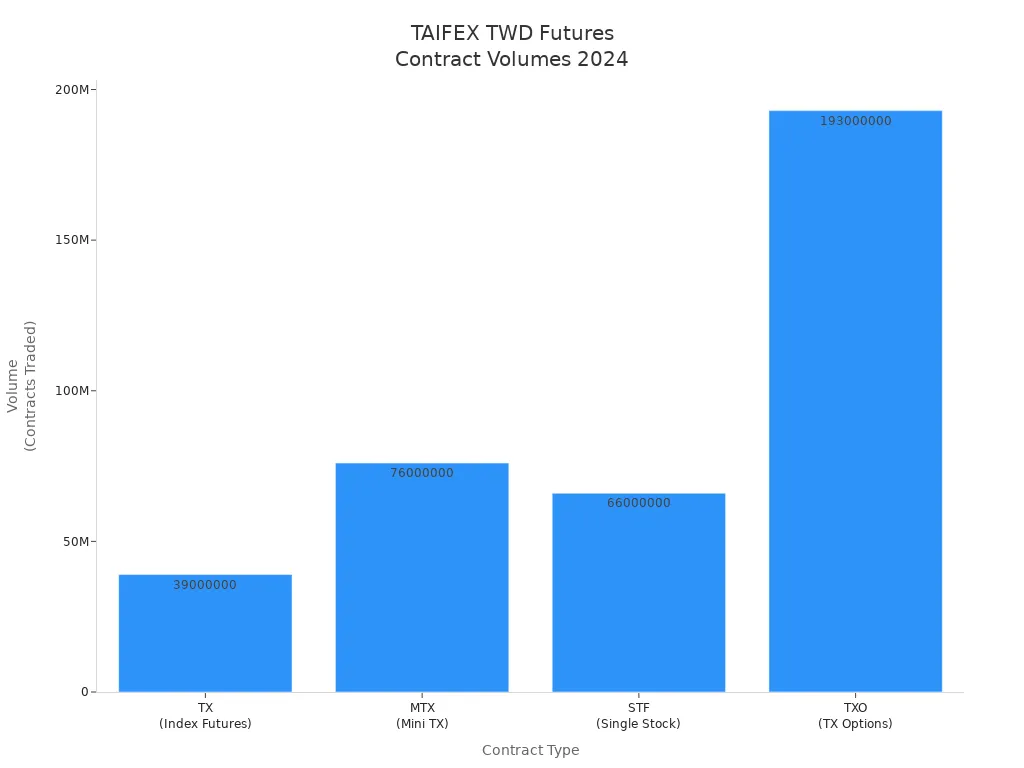
Futures contracts and cross-currency swaps are important in Taiwan’s markets. The Taiwan Futures Exchange, or TAIFEX, is a leader in trading TWD futures. In 2024, TAIFEX had about 395 million futures contracts traded in 242 days. Each day, more than 1.6 million contracts were traded. The most traded contracts are TX, MTX, STF, and TXO. TXO alone had almost 193 million trades. This means many people trade futures in Taiwan and there is lots of interest.
TAIFEX uses new technology to keep trading fast and safe. It uses very quick trading and AI to watch the market. These tools help keep investors safe and make trading fair.
Cross-currency swaps in Taiwan usually have three groups: life insurers, local banks, and the Central Bank. Life insurers swap Taiwan dollar for U.S. dollars with banks to protect their investments. Banks then swap Taiwan dollar for U.S. dollars with the Central Bank. This helps lower risk and keeps the market steady. The Central Bank uses its reserves to give U.S. dollars and take in extra Taiwan dollar.
NEER and Market Trends
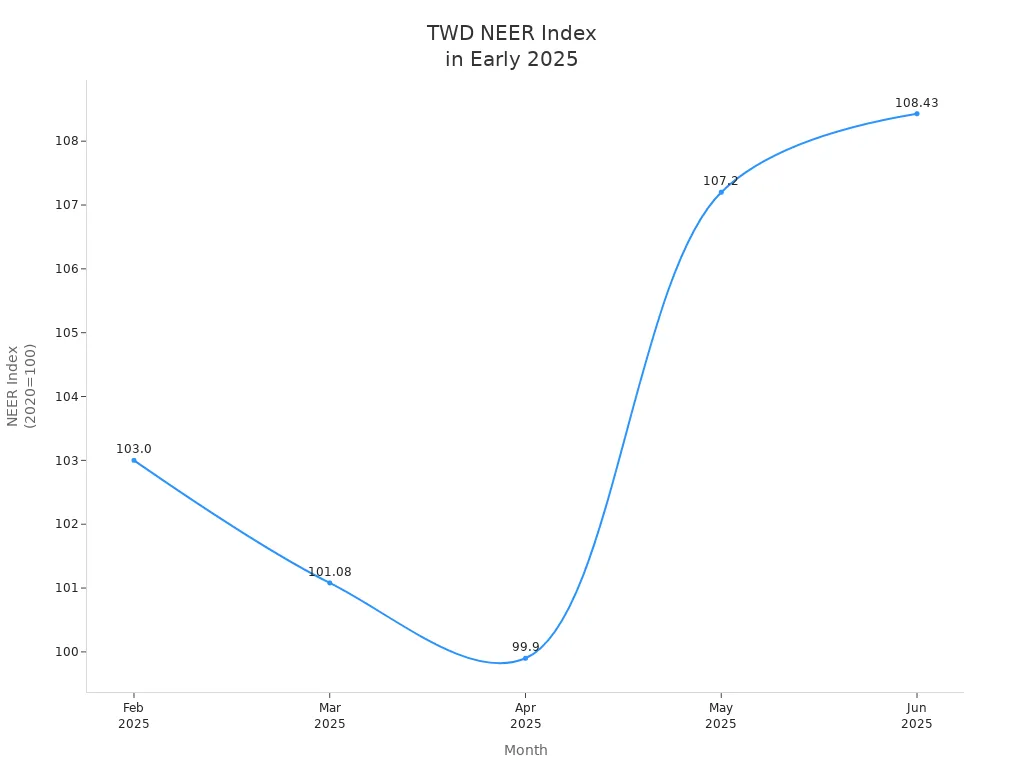
The nominal effective exchange rate, or NEER, shows how the Taiwan dollar compares to other main trading partners’ money. NEER uses an average based on imports from 14 countries. These countries make up over 70% of Taiwan’s imports. In 2025, the NEER index went up from below 100 in early spring to 108.43 by June. This means the Taiwan dollar got stronger.
|
Month |
NEER Index (2020=100) |
|
Feb 2025 |
103.00 |
|
Mar 2025 |
101.08 |
|
Apr 2025 |
99.90 |
|
May 2025 |
107.20 |
|
Jun 2025 |
108.43 |
Many things can change the value of the Taiwan dollar:
-
The U.S. Federal Reserve’s interest rate changes can make the dollar go up or down.
-
Taiwan’s strong exports, like semiconductors, help the currency.
-
When foreign investors buy more, they need more Taiwan dollar.
-
Big world events, like U.S.-China trade problems, can make the value change quickly.
When the NEER goes up, Taiwan’s exports might not sell as well. But a strong currency means people trust Taiwan’s economy. The Central Bank works to keep the Taiwan dollar steady when these things happen.
The Taiwan dollar is traded in forex markets, banks, and exchanges. Its price changes because of a managed float system and what the central bank does. Travelers, investors, and businesses can learn about spot and forward rates. They can use FX hedging and pick safe places to trade.
-
Exporters use different kinds of hedging to stay strong in the market.
-
Travel companies give currency discounts to help with prices.
-
Investors and treasurers use tools and automation to lower risks.
-
Watching exchange rates and using trusted places helps everyone make smart choices and avoid big money changes.
FAQ
What is the best way to exchange TWD for travelers?
Travelers should go to banks or airport counters in Taiwan. These places are safe and give good rates. ATMs in metro stations and stores also let you get TWD with international cards.
Can individuals trade TWD online?
Yes. Many apps and websites let people trade TWD online. Always pick trusted services and check for extra fees before trading.
Why does the TWD exchange rate change?
The TWD exchange rate changes because of supply and demand. The central bank can also affect the rate. News and world events can make the value change fast.
Are there limits on exchanging TWD?
Yes. People can exchange up to USD 10 million each year without special approval. If you need more, you must ask the central bank. Businesses have different limits for each type of trade.
How can businesses manage TWD currency risk?
Businesses use tools like forwards, swaps, and futures to lower TWD currency risk. These tools help protect against sudden changes in the exchange rate.
Related content