
Ethiopian Birr Fundamentals Explained for 2025
Author:XTransfer2025.08.19Ethiopian Birr
The Ethiopian birr is the main money used in Ethiopia. In the last year, the birr’s value has changed a lot. In July 2025, one US dollar was worth about 136.445 birr. The table below shows how the exchange rate has changed:
|
Timeframe |
Exchange Rate (ETB per 1 USD) |
Notes on Change/Trend |
|
Current (July 18, 2025) |
~136.445 |
Current exchange rate |
|
6 months Low |
126.0250 (Jan 30, 2025) |
Lowest rate in last 6 months |
The birr started floating in 2024. This was a big change for Ethiopia’s economy. Now, people, companies, and investors have new problems and chances. The birr keeps changing in the world market.
Highlights
-
The Ethiopian Birr is the main money for over 88 million people. It has been used since 1894, which is a long time. In 2024, the Birr started floating. This means the market now decides its value. Exchange rates change more often now. Inflation, trade balance, foreign investment, and remittances affect the Birr's value. These things also affect Ethiopia's economy. The National Bank of Ethiopia tries to keep the Birr steady. They do this by managing money supply and interest rates. But inflation and the market still change prices. People and businesses should watch exchange rates in 2025. This helps them make good money choices. They can get ready for problems and chances.
Ethiopian Birr Fundamentals
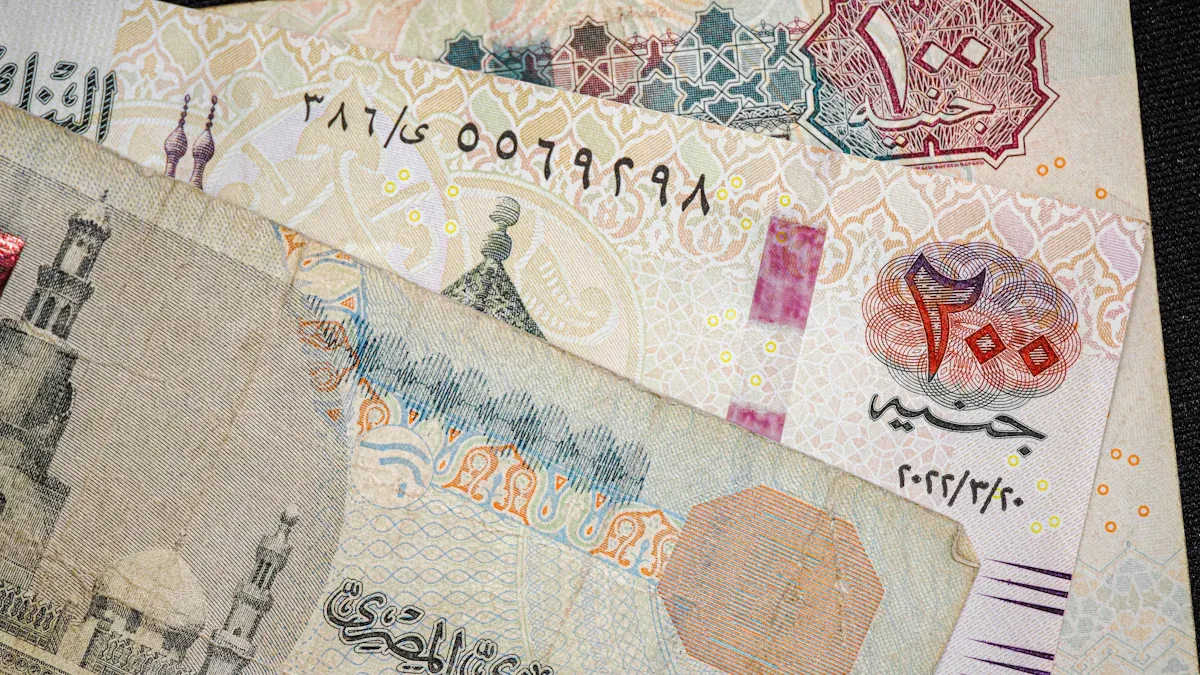
Currency Overview
The Ethiopian birr is the main money in Ethiopia. More than 88 million people use it every day. People use it to buy things, save money, and pay for daily needs. The birr has a long history. It started with Menelik Talers in 1894. During the Italian occupation, people used the Italian lire until 1942. In 1945, the government brought in the birr as the Ethiopian dollar. The name changed to birr in 1979.
The birr is the second most used currency in Africa. This shows it is very important in the region.
The table below shows big events in the birr’s history:
|
Aspect |
Details |
|
Origin |
First currency in 1894 called Menelik Talers; Italian lire used during occupation until 1942 |
|
Introduction of Birr |
Ethiopian birr introduced in 1945 as Ethiopian dollar; renamed birr in 1979 |
|
Coin Denominations |
Early coins (1894-1897): copper, silver, gold; later series included copper, nickel, aluminum, brass, cupronickel |
|
Coin Imagery |
Early coins: crowned rampant lion holding a cross; later coins: roaring lion with flowing mane |
|
Banknotes |
Issued in various denominations since 1915; National Bank of Ethiopia became main issuer in 1966 |
|
Current Usage |
Second most used currency in Africa; used by 88 million people |
Today, the birr is still very important in Ethiopia. People use it for all kinds of payments, like buying food or paying for services.
Key Value Drivers
Many things affect the value of the birr. The most important ones are:
-
Supply and Demand: How much birr is out there and how many people want foreign money, like US dollars, changes its value.
-
Trade Balance: If Ethiopia buys more from other countries than it sells, it needs more foreign money. This can make the birr weaker.
-
Inflation: When prices go up fast, the birr cannot buy as much. This makes the birr less valuable.
-
Foreign Investment: When people from other countries invest in Ethiopia, they need birr. This can make the birr stronger.
-
Remittances: Ethiopians living in other countries send money home. This helps the birr by adding more foreign money to the country.
Role of the National Bank
The National Bank of Ethiopia helps control the birr. It makes rules about money and watches over banks. The bank also prints birr bills and coins.
The National Bank tries to keep the birr steady. It checks inflation and changes interest rates if needed. The bank also keeps foreign money to help the birr when times are hard. In 2024, the bank let the birr float. Now, the market has more control over its value.
What the National Bank does affects everyone in Ethiopia. When the bank changes its rules, it can change prices and wages. Businesses and investors pay close attention to the bank. Its choices shape the country’s economy.
Exchange Rate Trends
Recent Depreciation
From June 2024 to June 2025, the Ethiopian birr lost value fast. In June 2024, the exchange rate was much lower than now. By July 2025, one US dollar was about 136.445 birr. This means the birr got weaker against the dollar. People in Ethiopia saw imported goods cost more. Businesses paid higher prices for foreign products. The exchange rate changed almost every week. Many families watched their savings lose value. The birr’s drop affected everyone’s daily life.
A table below shows how the exchange rate changed in the last year:
|
Month |
Exchange Rate (ETB per 1 USD) |
|
June 2024 |
~105 |
|
January 2025 |
126.025 |
|
July 2025 |
136.445 |
Floating the Birr
In July 2024, the National Bank of Ethiopia made a big choice. The bank let the birr float. Now, the market sets the exchange rate, not the government. Ethiopia had a big problem with not enough foreign money. Civil wars made this problem worse.
The National Bank changed its rules for a few reasons:
-
Ethiopia needed a $10.7 billion loan from the IMF and World Bank.
-
The IMF said Ethiopia must open its foreign exchange market for the loan.
-
The new policy made the birr lose 30% of its value against the US dollar.
-
The goal was to let the market decide the exchange rate.
-
Leaders wanted to fix the shortage of foreign money and help the economy.
After the float, the exchange rate changed more often. The birr’s value now depends on buyers and sellers in the market. This new way can help bring in foreign investment. It can also make the economy stronger over time.
Official vs. Parallel Market
Ethiopia has two main exchange rates. The official rate is set by the National Bank. Banks and big companies use this rate. The parallel market rate comes from street traders and unofficial sellers. Many people use the parallel market when banks do not have enough foreign money.
The gap between the official and parallel market rates can be big. When the birr floats, the gap may get smaller. Before July 2024, the parallel market rate was much higher than the official rate. People paid more for dollars on the street than at banks.
A table below compares the two rates:
|
Type of Rate |
Who Uses It |
Typical Value (July 2025) |
|
Official Rate |
Banks, companies |
136.445 ETB per 1 USD |
|
Parallel Market |
Individuals, traders |
140-150 ETB per 1 USD |
The difference between these rates matters for everyone. Importers, exporters, and travelers all watch the exchange rate closely. A smaller gap between the rates can help the economy work better. It can also help the government control inflation.
Economic Influences
Inflation Impact
Inflation in Ethiopia has gone up fast this year. Food, fuel, and other things now cost more. Families spend extra money to buy the same things. When inflation goes up, the birr loses value. People need more birr to buy what they want. Businesses pay more for supplies. They often raise prices to cover these costs. This can make inflation even worse. The National Bank of Ethiopia tries to stop inflation. It changes interest rates and controls how much money is in the country.
High inflation means the birr buys less. This makes life cost more for everyone.
Money Supply
How much birr is in the country changes its value. When the National Bank prints more money, there is more birr. If too much money is made, prices can go up. This causes inflation. The bank uses interest rates and other rules to control money flow. Keeping the money supply steady helps the birr stay strong. If there is too much money, the birr can lose value. Good management helps the economy grow and keeps inflation low.
Trade Balance
Ethiopia’s trade balance is important for the birr’s strength. The country buys many things from other places, like petroleum and machines. It mostly sells coffee and gold to other countries. The trade balance affects the birr in many ways:
-
When the birr gets weaker, imports cost more and exports cost less. More goods may be sold, but the country still needs to buy a lot from others.
-
Big trading partners like China, the US, and the EU are important. Ethiopia buys machines from China and sells coffee to the US.
-
Not enough foreign money and high inflation hurt the birr’s value.
-
The government tries to keep the birr steady by using special money rules.
-
World prices for oil, coffee, and gold change the birr’s strength.
-
The trade balance changes how much imports cost, how well exports sell, inflation, and how strong the economy is.
A good trade balance helps the birr stay strong and the economy stable.
2025 Outlook
Analyst Projections
Financial experts think the Ethiopian birr will stay weak in 2025. Many believe the exchange rate will keep changing as the market gets used to floating. Some say the rate might reach 145 birr for one US dollar by year’s end. Analysts say this is because of high inflation and strong demand for foreign money.
The National Bank of Ethiopia might make new rules to help the birr. Experts also watch prices for things like coffee and gold. These prices affect how much money Ethiopia makes from exports. If Ethiopia sells more goods or gets more foreign investment, the birr could get stronger. But if inflation stays high, the birr may get even weaker.
Risks and Opportunities
Ethiopia has some risks in 2025. High inflation is a big worry. If prices keep going up, the birr could lose more value. A weak trade balance also makes things harder. Political problems or slow changes in the economy can cause the exchange rate to change fast.
But there are also chances for good things. The floating system can bring in foreign investors who want clear rules. If Ethiopia gets more loans or aid, it can save more foreign money. Selling more goods and having better rules can help the birr get stronger.
Businesses that plan for changes in the exchange rate can avoid problems. People who learn about the market can make smarter money choices.
Real-World Effects
Prices and Cost of Living
Letting the Ethiopian Birr float has changed life for many families. People now pay more for food and fuel. Other basic things also cost more. The cost of living has gone up a lot. Many families have trouble buying what they could last year. Businesses raise prices because imports cost more. The government tries to stop prices from rising. But these efforts do not work well.
-
The Birr’s lower value made basic goods cost much more.
-
Many businesses raised prices because imports cost more.
-
The government tried to stop hoarding, but prices still went up.
-
Less foreign investment and fewer currency reserves add pressure.
-
Experts compare Ethiopia to Nigeria, where floating the currency also raised living costs.
Business and Investment
Companies in Ethiopia face new problems. Importers pay more for goods from other countries. Exporters might gain from a weaker Birr. But they also pay more for equipment and supplies. Investors watch the market closely. Some do not want to invest because of currency risks. Others see new chances as the market changes. The floating exchange rate creates both winners and losers in business.
A table below shows how different groups react:
|
Sector |
Main Impact |
|
Importers |
Higher costs, less profit |
|
Exporters |
Better prices, but higher costs |
|
Retailers |
Change prices, less demand |
|
Investors |
More careful, some new chances |
Development Programs
Development programs in Ethiopia must change to fit the new economy. International aid groups pay more for supplies and services. Local projects may slow down if budgets do not go as far. Some groups change their plans to help with urgent needs. The government works with partners to help the most at risk. Good funding and careful planning help these programs keep supporting people, even as living costs rise.
The Ethiopian Birr is going through many changes in 2025. Prices are rising fast, and the exchange rate now moves up and down. Trade with other countries also affects its value. People and businesses face problems but also find new chances. They can check the market often and plan for price changes. Getting help from experts is smart. Learning about the Birr helps everyone make good choices for the future.
FAQ
What does it mean when the Ethiopian Birr "floats"?
How does the exchange rate affect daily life in Ethiopia?
People pay more for imported goods when the Birr weakens. Food, fuel, and electronics cost more. Families may spend more money each month.
Why do official and parallel market rates differ?
-
Banks use the official rate.
-
Street traders use the parallel rate.
-
The difference shows how much people want foreign money. When banks have less foreign currency, the gap grows.
Can the Birr get stronger in 2025?
Analysts say the Birr could get stronger if Ethiopia exports more or attracts investment. Lower inflation and stable policies also help. The market will decide the final value.
Related content