
Discover the Basics of TZS Currency Today
Author:XTransfer2025.12.04TZS Currency
The Tanzanian Shilling, abbreviated as TZS, serves as the official currency of Tanzania. It powers daily transactions, from market purchases to transportation fares. With coins ranging from 50 to 200 Shillings and banknotes up to 10,000 Shillings, the TZS currency plays a vital role in trade, tourism, and Tanzania’s growing economy, which saw goods exports rise by 18.8%.
Understanding the TZS Currency

What does TZS stand for?
The abbreviation TZS stands for Tanzanian Shilling, which is the official currency of Tanzania. It is the symbol of the country’s financial system and plays a key role in its economy. You will see TZS used in markets, shops, and even for small transactions like buying street food. The Tanzanian Shilling is often written as "Sh" or "TSh" before the amount, making it easy to identify.
Where is the Tanzanian Shilling used?
You will find the Tanzanian Shilling used throughout Tanzania. It is the primary currency for all transactions, whether you are in bustling cities like Dar es Salaam or exploring rural villages. Tourists visiting Tanzania also rely on TZS for paying for goods, services, and activities such as safaris or cultural tours. While some businesses in tourist areas may accept foreign currencies like the US Dollar, the TZS currency remains the most widely accepted form of payment.
If you plan to visit Tanzania, it’s essential to familiarize yourself with the currency in Tanzania. This will help you navigate local markets, restaurants, and transportation with ease.
Key features of TZS notes and coins
Tanzanian banknotes and coins come in various denominations, making them convenient for different types of transactions. The coins range from 50 to 500 Shillings, while the banknotes start at 1,000 Shillings and go up to 10,000 Shillings. Each note and coin features unique designs that reflect Tanzania’s culture, history, and natural beauty.
Here’s a quick overview of the denominations:
|
Denomination |
Type |
Features |
|
50 - 500 Shillings |
Coins |
Made of metal, often featuring national symbols. |
|
1,000 - 10,000 Shillings |
Banknotes |
Printed with images of leaders, wildlife, and landmarks. |
The Tanzanian banknotes and coins are designed to be durable and easy to use. You will notice vibrant colors and detailed artwork on the notes, which make them visually appealing. Coins are lightweight and practical for everyday purchases.
History of the Tanzanian Shilling
When was the TZS currency introduced?
The Tanzanian Shilling, abbreviated as TZS, was introduced in 1966. It replaced the East African Shilling, marking a pivotal moment in Tanzania’s economic history. This change symbolized the country’s move toward financial independence after gaining sovereignty. You can think of this transition as a step toward establishing a unique identity for Tanzania’s economy. The introduction of the Tanzanian Shilling also laid the foundation for the country’s monetary system, which continues to evolve today.
Evolution of the Tanzanian Shilling
Over the years, the Tanzanian Shilling has undergone significant changes. These changes reflect the country’s cultural, economic, and technological progress. For example:
-
The 1980s brought economic reforms and liberalization, which influenced the value of the Shilling.
-
Advanced security features were added to banknotes in the 21st century to combat counterfeiting.
-
The Shilling’s role in international trade has shifted due to global economic conditions and policies by the Bank of Tanzania.
You might notice that the design of TZS notes and coins highlights Tanzania’s heritage. These designs often feature national leaders, wildlife, and landmarks, making them a source of pride for Tanzanians.
Transition from the East African Shilling to TZS
Before 1966, Tanzania used the East African Shilling, a currency shared with neighboring countries. The introduction of the Tanzanian Shilling marked a departure from this shared system. This transition wasn’t just about changing currency; it represented Tanzania’s desire to establish its own financial identity. The Tanzanian Shilling became a symbol of independence and a tool for managing the country’s economy. Today, the TZS continues to play a vital role in Tanzania’s growth, despite challenges like exchange rate fluctuations. For instance, the Shilling reached an all-time high of 3700 TZS per USD in 2020, showing its vulnerability to global economic pressures.
Exchange Rates and Practical Tips
How TZS compares to other currencies
The Tanzanian Shilling (TZS) has shown varying performance against global currencies over the years. Its value often reflects Tanzania's economic conditions and global market trends. For example, the exchange rate of TZS to USD has fluctuated significantly between 2014 and 2018. Here's a quick look at the historical data:
|
Year |
Exchange Rate (TZS per USD, eop) |
Exchange Rate (TZS per USD, aop) |
|
2014 |
2,317 |
2,313 |
|
2015 |
2,304 |
2,314 |
|
2016 |
2,332 |
2,324 |
|
2017 |
2,510 |
2,421 |
|
2018 |
2,445 |
2,614 |
This data highlights how the TZS currency has faced challenges, such as inflation and global economic shifts. Understanding these trends can help you make informed decisions when exchanging money or planning financial transactions in Tanzania.
Factors affecting TZS exchange rates
Several factors influence the value of the Tanzanian Shilling. These include both domestic and international elements. Here are some key factors:
-
Gross Domestic Product (GDP): Economic growth strengthens the currency.
-
Inflation Rate: High inflation weakens the currency, while low inflation strengthens it.
-
Interest Rates: Higher rates attract foreign investments, boosting the currency's value.
-
Trade Balance: A trade surplus strengthens the currency, while a deficit weakens it.
-
Political Stability and Economic Policies: A stable political environment attracts investors, positively impacting the currency.
Other factors, such as national debt, central bank actions, and commodity prices, also play a role. For example, Tanzania's reliance on agricultural exports means that fluctuations in global commodity prices can directly affect the TZS.
|
Economic Factor |
Impact on Exchange Rate |
|
Inflation |
Significant relationship |
|
Interest Rates |
Significant relationship |
|
Exports |
Significant relationship |
|
Economic Growth |
Significant relationship |
|
Political Tension |
Significant relationship |
|
National Debt |
Significant relationship |
|
Central Bank Actions |
Potential factor affecting rates |
|
Unemployment Outlook |
Potential factor affecting rates |
|
Currency Management |
Potential factor affecting rates |
|
Terms of Trade |
Potential factor affecting rates |
|
Current Account Deficit |
Potential factor affecting rates |
|
Commodity Prices |
Potential factor affecting rates |
Using XTransfer for real-time exchange rates
When dealing with TZS currency, staying updated on exchange rates is crucial. XTransfer offers a reliable platform for checking real-time rates. This tool provides accurate and up-to-date information, helping you make better financial decisions. Whether you're a traveler or a business owner, XTransfer simplifies the process of monitoring exchange rates. You can use it to compare TZS with other currencies and plan your transactions accordingly.
Tips for handling TZS while traveling
If you're visiting Tanzania, managing the local currency effectively can enhance your experience. Here are some practical tips:
-
Know where to exchange money: Use authorized forex bureaus or banks for currency exchange. Avoid street vendors to ensure you receive fair rates and authentic notes.
-
Carry small denominations: Coins and smaller notes are useful for everyday purchases, such as buying snacks or paying for transportation.
-
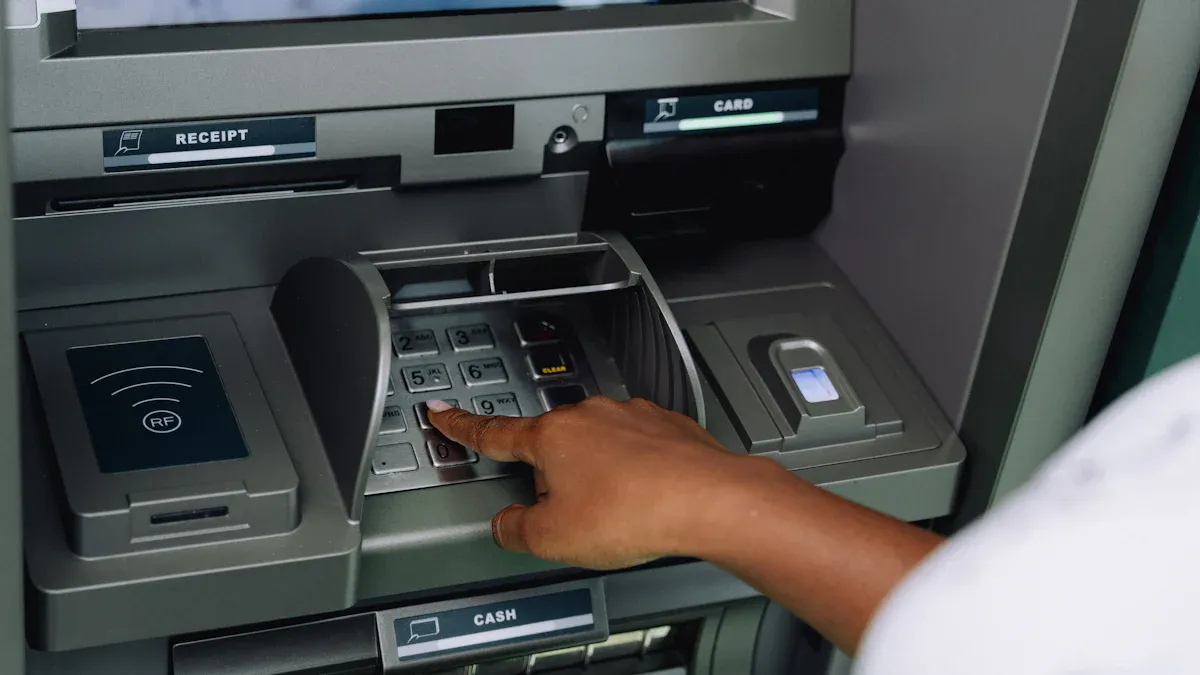
Check for ATMs: Wondering where to find ATMs? Major cities like Dar es Salaam and Arusha have plenty of ATMs that accept international cards. However, rural areas may have limited access, so plan accordingly.
-
Inspect your notes: Torn or damaged TZS notes might not be accepted. Always check the condition of your currency before leaving the exchange counter.
-
Use mobile payments: Mobile money services like M-Pesa are widely used in Tanzania. They offer a convenient way to pay for goods and services without carrying large amounts of cash.
The Tanzanian Shilling plays a vital role in Tanzania’s economy and daily life. Understanding TZS helps you navigate local transactions and plan better. For travelers and businesses, staying informed about exchange rates is essential. Use tools like XTransfer to access accurate currency data and make smarter financial decisions.
FAQ
What is the best way to exchange money in Tanzania?
You should use authorized forex bureaus or banks. They offer fair rates and ensure you receive genuine Tanzanian Shillings.
Can you use US Dollars in Tanzania?
Yes, some tourist areas accept US Dollars. However, most local transactions require Tanzanian Shillings, especially in rural regions.
Are credit cards widely accepted in Tanzania?
Credit cards are accepted in major cities and tourist hubs. However, cash is preferred for small businesses and rural areas.
Related content