
A Simple Introduction to the RUB Currency
Author:XTransfer2025.08.19RUB
The rub currency is also called the russian ruble or rouble. It is the official money of russia. People in russia use the ruble to shop and pay bills. They also use it to save money. The russian ruble is the national currency. Its code is RUB and its symbol is ₽. Russia has used its currency for a long time. But the ruble is not very important in the world. Its value mostly depends on russia’s economy. Oil and gas exports are very important for its value. The ruble helps people in russia handle their money. It lets them do things every day.
Highlights
-
The Russian ruble (RUB) is Russia’s main money. People use it every day to buy things, pay bills, and save money. One ruble is made up of 100 kopecks. The ruble has many coins and paper bills. This helps people pay for things easily. The Bank of Russia looks after the ruble. It tries to keep its value steady. The bank also works to stop fake money. The ruble’s value changes with oil prices. Big world events like wars or sanctions also affect it. People should look at ruble bills for special marks. These marks include watermarks and ink that changes color. This helps people spot fake money.
Rub Currency Overview
Definition and Symbol
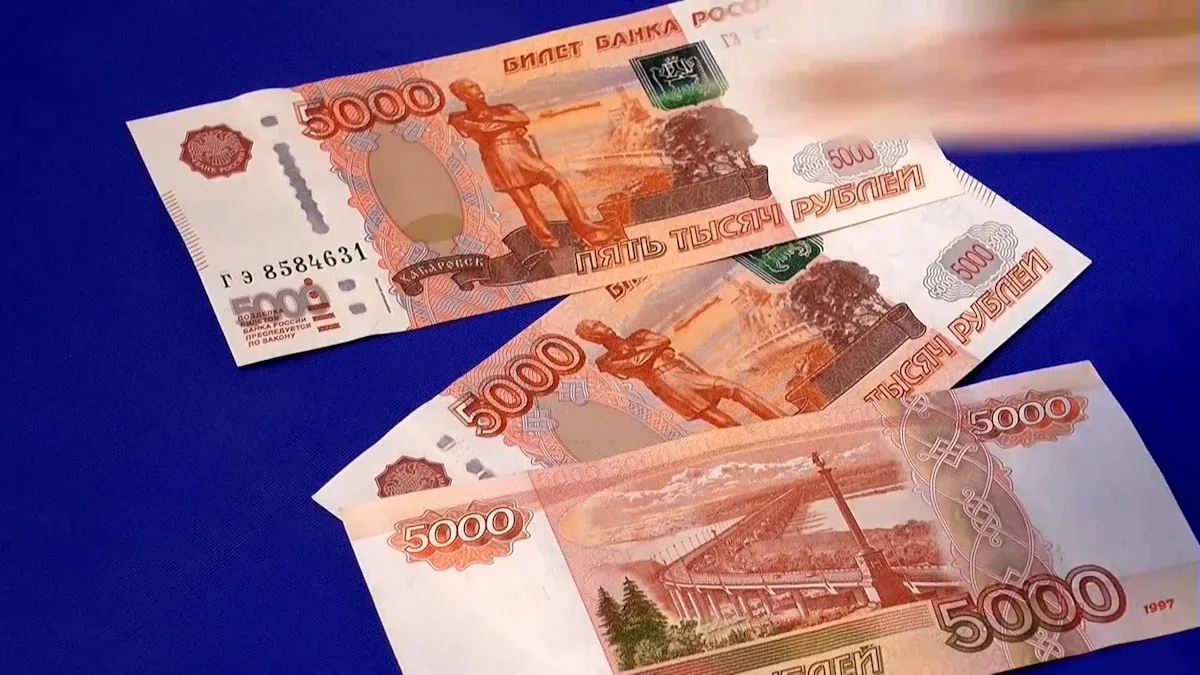
The rub currency serves as the official currency of Russia. People in Russia use the ruble every day to buy goods, pay for services, and save money. The Russian ruble has a special symbol, ₽, which appears on banknotes and coins. This symbol helps people quickly recognize the currency in shops and banks. The ISO code for the ruble is RUB. This code is used in banking, trading, and international finance. The Central Bank of Russia issues and regulates the ruble. The russian rouble has a long history, but today, the modern ruble is the main currency for all financial activities in Russia.
The ruble’s symbol (₽) and ISO code (RUB) make it easy to identify in both local and global markets.
Subdivision and Code
The ruble uses a decimal system for its smaller units. One ruble is divided into 100 kopecks. This system makes it simple for people to count and use money in daily life. Kopecks are small coins that help with exact payments. The ruble’s subdivision into 100 kopecks follows the same pattern as many other world currencies. The ISO code RUB has been in use since 1998, replacing the older code RUR. People in Russia often see both rubles and kopecks when they handle cash or check prices.
-
The ISO code for the ruble is RUB.
-
One ruble equals 100 kopecks.
-
The ruble symbol is ₽.
-
The decimal system makes the ruble easy to use.
The rub currency plays a key role in Russia’s economy. It acts as the main tool for trade, savings, and payments. The value of the ruble can change, but it remains the backbone of financial life in Russia.
Russian Ruble History
Origins
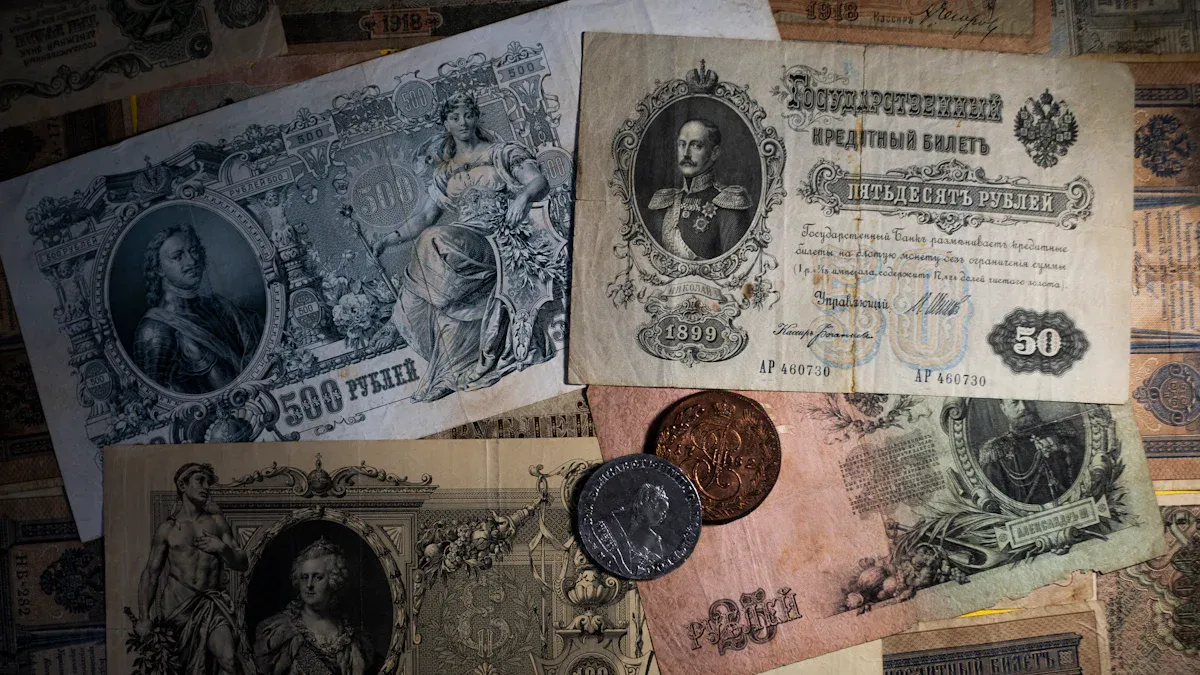
The russian ruble is one of the oldest currencies still used. It started in the 1530s. Elena Glinskaya, Ivan the Terrible’s mother, made the silver ruble. She wanted to make russia’s money system stable. The new currency stopped fake coins. It also made trading easier for people. People trusted the ruble because it had real value. At first, 100 rubles could buy 100 cows or horses. This showed the ruble was very strong.
In 1704, Peter the Great changed the ruble. He set its weight at 28 grams of silver. This made a clear rule for the currency. It helped russia trade with other countries. Later, Nicholas I made the silver ruble the main payment unit. Banknotes were used for daily spending. The ruble stayed important until the Russian Revolution in 1917.
The russian rouble’s early story shows how leaders changed the currency to help the country grow.
Key Milestones
The ruble changed many times as russia faced wars and big events. Some important milestones are:
-
1924 Redenomination: After Lenin died, russia swapped 50,000 old rubles for 1 new ruble. This helped the economy become stable.
-
1947 Postwar Redenomination: After World War II, new banknotes with Lenin’s picture were made. This helped stop inflation and made people trust the currency again.
-
1961 Reform: The ruble changed again with a 10:1 exchange rate. The government also linked the ruble to gold and made new coins.
-
1991 Gorbachev’s Reform: The government replaced big banknotes and set cash limits. This tried to stop inflation but caused more problems.
-
Post-Soviet Transition (1991-1993): After the Soviet Union ended, the ruble was used in some countries for a short time. Soon, each country made its own currency. Russia started the modern russian ruble (RUB) in 1998.
These milestones show how the ruble and rouble changed with russia’s history. The russian rouble is still a sign of the country’s strength and ability to face hard times.
Ruble Features
Denominations
People in Russia use coins and banknotes every day. The ruble has many different values for spending. Coins have small values, so people can pay exact amounts. The kopek is the smallest part of the ruble. One ruble is worth 100 kopecks. In 1998, Russia made new coins and banknotes. The coins people use now are:
-
1 kopek
-
5 kopeks
-
10 kopeks
-
25 kopeks
-
50 kopeks
-
1 ruble
-
2 rubles
-
5 rubles
-
10 rubles
The 10 kopeks coin shows Saint George riding a horse. This design was made between 2006 and 2015. People use coins for buying small things. Banknotes have bigger values for larger payments. Having many choices helps everyone use money easily and know what things cost.
Having lots of coins and banknotes makes the ruble useful for all kinds of spending in Russia.
Issuing Authority
The Bank of Russia gives out and controls the ruble. Only this bank can make new coins and banknotes. The central bank works alone and tries to keep the ruble’s value steady. It also takes care of the country’s money rules and watches over banks. The central bank sets interest rates and controls how much money is around. These jobs help keep the ruble strong and help the economy. The central bank is also the main boss for all money markets in Russia.
The Bank of Russia is very important for keeping trust in the ruble and making sure people can use it everywhere in the country.
Security Features
Modern russian ruble banknotes have many special security features. These features stop fake money and help people check if their bills are real. Each banknote has 23 security parts. Sixteen can be checked by looking, touching, or moving the note. Three features are for machines, and four are only for the central bank. Some important security features are:
-
OVMI Ink (SPARK): This ink changes color and looks different when you tilt the note.
-
Microperforation: Tiny holes make pictures you can see in the light.
-
Watermarks: Pictures or patterns show up when you hold the note to the light.
-
Holograms: Shiny pictures change when you look at them from different sides.
-
Ultraviolet elements: Special marks glow under UV light.
These features make the ruble very safe from fakes. The central bank adds new protections often to stop counterfeiters. People in Russia can trust their money because of these safety steps.
Russian Ruble in Use
Daily Transactions
People in Russia use the ruble every day. They use it to shop, pay bills, and save money. The ruble is the main way to buy things. People use it for food, clothes, and more. Most people pay with cash or bank cards. Debit cards are very popular now. Electronic payments are growing each year. The digital ruble is a new kind of money. Some people use it for payments now. Experts think digital rubles will be used more in the future. They may be 18% to 35% of all payments. Still, cash and cards are used the most.
The Bank of Russia runs the payment system. This system lets people pay fast and safely. E-money is also used, mostly for online shopping. Russians trust their money. The government works to keep its value safe. Article 75 of the Russian Constitution is important. It gives the Central Bank the right to make rubles. Only the ruble can be used as money in Russia. The law says the Central Bank must keep the ruble steady. It must also be free from other government groups.
The law makes sure everyone in Russia uses the ruble. This helps keep the economy steady.
International Trade
The russian ruble is important for trade with nearby countries. Many old Soviet Union countries use the ruble. Belarus, Kazakhstan, and Armenia use it for trading. These countries take the ruble as a second currency. This is common where Russian businesses are strong. The ruble is used in energy deals. Russia pays for some oil and gas in rubles. This makes more people want the ruble.
-
The ruble is important for selling oil and gas.
-
Russia’s neighbors use the ruble because they trade a lot.
-
The ruble is not a top world currency, but it matters nearby.
Russia uses the ruble more for selling energy. This helps the ruble stay strong. It also helps Russia deal with sanctions. The ruble’s use in trade shows Russia’s power in the area. It also shows Russia can handle changes in the economy.
Ruble Value Factors
Oil and Resources
Oil and natural gas are very important for the ruble’s value. Russia sells a lot of oil to other countries. When oil prices go up, Russia makes more money. This helps the government spend on big projects. The ruble’s value often goes up too. If oil prices drop, Russia earns less money. This can cause problems for the budget and make the ruble weaker. In 2014, oil prices fell a lot. The ruble lost almost 60% of its value against the US dollar. The central bank raised the key rate to help the ruble. These things show that oil prices and energy exports matter a lot for the ruble.
Oil price changes can quickly change the ruble’s value and Russia’s economy.
Geopolitics
Big world events can change the ruble’s value. The Russia–Ukraine war started in 2022. The ruble lost value very fast. Other countries put sanctions on Russia. This made trading harder for Russia. Investors moved their money to safer places. The ruble’s exchange rate went down. The ruble became less stable and lost value. In early 2025, the ruble got stronger. People thought Russia and the United States might get along better. The central bank said that less need for foreign money helped the ruble. These examples show that big political events can quickly change the ruble’s value.
Monetary Policy
The central bank uses different tools to control the ruble’s value. The key rate is the main tool. If the bank raises or lowers this rate, it can change inflation and the ruble’s value. The bank also uses auctions and other ways to control money. Sometimes, the bank buys or sells foreign money to keep the ruble steady. The bank talks to people about its choices. This helps everyone know what might happen to the ruble’s value. Russia has a floating exchange rate system. This lets the bank react to changes from outside. If inflation goes up, like in 2025, the bank may raise the key rate. This helps protect the ruble and support Russia’s economy.
The central bank’s actions help keep the ruble steady, even when there are problems.
Modern Russian Ruble: Practical Info
Exchanging Rubles
People in Russia have many safe ways to get rubles. Most go to big banks like Sberbank, VTB, or Tinkoff. You need a passport at these banks. They usually do not add extra fees. Exchange offices in cities also give rubles. These places sometimes have better rates than banks. But you should only use legal and official places. Do not use street exchanges because they are not safe.
ATMs, called "bankomat" (БАНКОМАТ), are easy to find in cities. People can take out rubles from these machines. Most times, there are no extra charges. Using a local ATM is better than using airport or hotel rates. Credit and debit cards work in most city places. But you still need cash for small things, tips, or taxis. If you stay longer, you can open a Russian bank account or get a MIR card. This makes paying easier. Wise and other travel cards help you get good rates and save on fees.
Handling Tips
It is important to know if a ruble banknote is real. Use your fingers to feel the note’s texture and how firm it is. Real notes feel crisp and strong, not soft or slippery. Raised print and thick ink on the edges and big numbers help you check if it is real. Hold the note with both hands and rub, bend, or pull it. This helps you find these features.
Quick touches help you feel the note fast. Holding it longer helps you find more details. If a note feels strange, check it closely. Real notes can lose some raised parts over time. So, always check the note’s condition.
New rules in Russia have changed how people exchange rubles. Now, some exporters can keep more of their foreign money in rubles. Capital controls help keep the ruble steady. The official rate is often close to 100 rubles per US dollar. This shows the government tries to control the rate.
-
The Russian ruble is the main money in Russia. It used to be backed by gold. The Bank of Russia controls it.
-
The ruble has changed many times in history. It has survived hard times and big changes. Its job in world money keeps growing.
-
Oil prices and world news can change its value. But people still use it every day for shopping and trade.
Learning about the ruble helps travelers and people who like finance. It lets them handle money with confidence. Banks in Russia are safe and easy to use. It is good to know how to spot and use rubles. Simple tips help everyone pay safely and without problems.
FAQ
What is the smallest unit of the ruble?
The smallest unit is the kopeck. One ruble equals 100 kopecks. People use kopecks for small purchases in shops and markets.
Can people outside Russia use the ruble?
Most countries do not accept the ruble. Some nearby countries trade with russia using the ruble, but travelers usually need to exchange it for local money.
How can someone check if a ruble banknote is real?
People can look for watermarks, color-changing ink, and holograms. Real notes feel crisp and have raised print.
Does the ruble have coins and banknotes?
Yes, the ruble has both coins and banknotes. Coins include kopecks and small ruble values. Banknotes cover larger amounts. This helps people pay for everything from snacks to big purchases.
Related content