
The Role of NTSBFRM1XXX SWIFT Code in Banking
Author:XTransfer2025.07.10NTSBFRM1XXX SWIFT code
NTSBFRM1XXX is a bank’s SWIFT/BIC code. As a passport to the global financial network, it serves not only as a unique identifier for cross-border payments but also as a guardian of security and efficiency. This standardized coding system functions like a “universal language” in international banking, significantly reducing transaction errors, accelerating fund flows, and making cross-border financial collaboration smoother and more reliable.
In today’s booming digital economy, the value of a SWIFT code goes far beyond a mere technical identifier—it is a critical node for compliance and risk management, as well as a vital bridge between traditional finance and emerging blockchain payment networks. A bank’s effective management of its SWIFT code demonstrates its capacity for international services and reflects the deep integration within the global financial ecosystem. Indeed, behind every safely delivered international remittance lies the silent protection of this concise string of characters.
SWIFT Codes: The Hidden Backbone of Cross-Border Transactions
SWIFT Codes: The Global Address System for Banks
A SWIFT code is a unique alphanumeric identifier assigned to banks and financial institutions worldwide. It functions like a bank’s “address” in the global financial network, ensuring that international payments reach the right destination swiftly and accurately, while minimizing errors and delays.
SWIFT codes play an essential role in facilitating cross-border transactions. They verify the identity of the banks involved, adding a layer of security and precision to the process. Alongside IBAN numbers—which identify individual bank accounts—SWIFT codes help ensure that global payments are smooth, efficient, and reliable.
Structure and Components
The SWIFT code follows a standardized format, consisting of 8 or 11 characters. Each part of the code provides specific information about the bank and its location:
|
Component |
Description |
|
AAAA |
Bank code or institution code (first four characters) |
|
BB |
Country code (next two characters) |
|
CC |
Location code (following two characters) |
|
DDD |
Branch code (last three characters, optional) |
For example, the NTSBFRM1XXX SWIFT code includes:
-
NTSB: Identifies the bank or institution.
-
FR: Represents the country (France).
-
M1: Specifies the city or location.
-
XXX: Indicates the branch (optional).
This structure ensures that payments are routed accurately to the intended recipient.
Benefits of Global Standardization
The global standardization of SWIFT codes brings several advantages to international banking:
|
Benefit |
Description |
|
Global Reach |
SWIFT covers over 200 countries, facilitating easy international money transfers. |
|
Security |
Transactions are encrypted, ensuring sensitive information is protected from unauthorized access. |
|
Reliability |
Processes millions of transactions daily with minimal errors and provides tracking capabilities. |
|
Standardization |
Reduces confusion and inefficiencies in international payments, allowing fluent communication. |
By using SWIFT codes, you benefit from a secure, reliable, and globally recognized system that simplifies cross-border payments. This standardization ensures that banks worldwide can communicate seamlessly, making international transactions faster and more efficient.
Understanding the NTSBFRM1XXX SWIFT Code
Format and Meaning of NTSBFRM1XXX
The NTSBFRM1XXX SWIFT code follows a globally recognized format that ensures accurate routing of international payments. Each part of this code carries specific information about the bank and its location.
|
Component |
Description |
|
Bank Code |
4 letters representing the bank's name |
|
Country Code |
2 letters indicating the country |
|
Location Code |
2 alphanumeric characters for the bank's location |
|
Branch Code |
3 numbers or 'XXX' for the headquarters |
For NTSBFRM1XXX, the first four letters, "NTSB," identify the bank. The next two letters, "FR," indicate that the bank is located in France. The "M1" specifies the location within the country, while "XXX" shows that this code refers to the bank's headquarters.
This structured format ensures that payments sent using the NTSBFRM1XXX SWIFT code reach the correct destination without errors. You can rely on this system to simplify international transactions and avoid delays caused by incorrect routing.
Specific Use Cases in Banking
The NTSBFRM1XXX SWIFT code plays a vital role in various banking operations. You can use it for:
-
Cross-border payments: Send money internationally with confidence, knowing the funds will reach the intended bank.
-
Receiving international transfers: Provide this SWIFT code to ensure payments from abroad are credited to your account.
-
Corporate transactions: Businesses use this code for secure and efficient global trade payments.
-
Currency exchanges: Facilitate foreign currency transactions by routing payments through the correct bank.
This SWIFT code is particularly useful for individuals and businesses engaged in international commerce. It ensures that payments are processed securely and efficiently, reducing the risk of errors or delays.
How It Differs From Other SWIFT/BIC Codes
The NTSBFRM1XXX SWIFT code stands out due to its unique structure and specific application. While all SWIFT/BIC codes follow the same format, each code is tailored to identify a particular bank and location.
Here’s how it differs:
-
Bank Identifier: The "NTSB" portion is unique to this bank, distinguishing it from others.
-
Country Code: "FR" specifies France, making it clear where the bank operates.
-
Location Code: "M1" pinpoints the exact city or region within France.
-
Branch Code: "XXX" indicates the headquarters, unlike other SWIFT/BIC codes that may include specific branch identifiers.
These differences ensure that the NTSBFRM1XXX SWIFT code is uniquely suited for transactions involving this bank. You can trust this code to provide precise routing for payments, whether you're sending or receiving funds internationally.
How SWIFT Codes Facilitate International Transactions
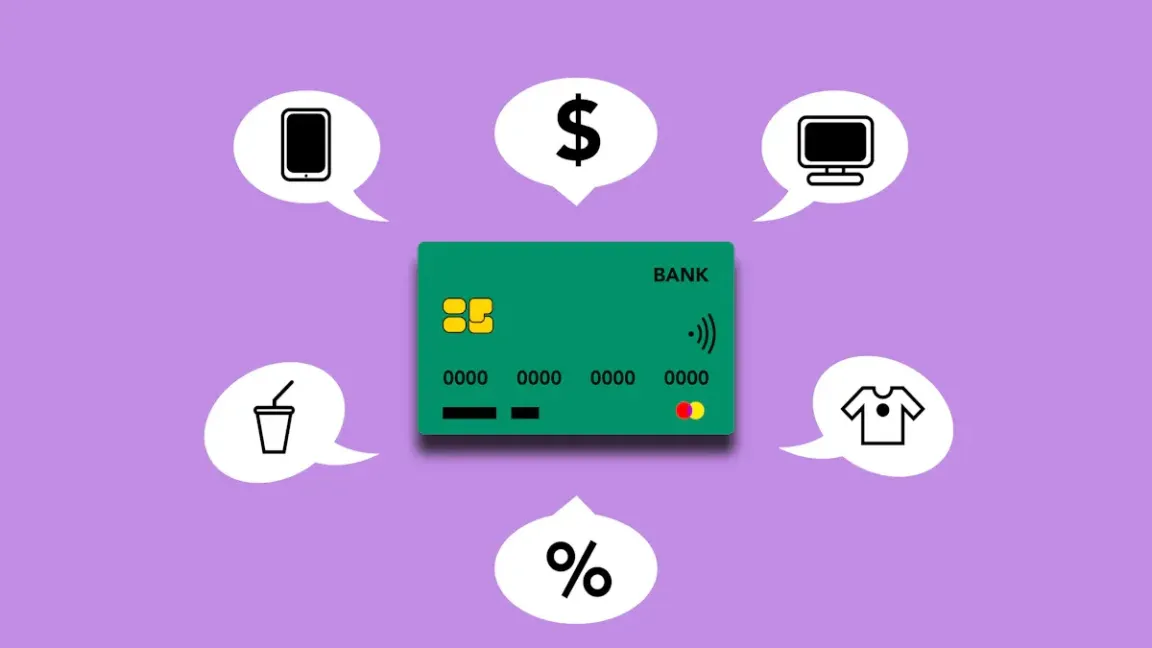
The Vital Role of SWIFT Codes in Global Finance
In today's interconnected financial landscape, SWIFT codes serve as the backbone of secure and efficient cross-border payments. These unique identifiers act as a universal passport for banks, ensuring funds are accurately routed to their intended destinations worldwide. When initiating an international transfer, the inclusion of a SWIFT/BIC code virtually eliminates routing errors while dramatically accelerating processing times – with 89% of SWIFT payments reaching destination banks within 60 minutes, half in under five minutes.
Precision Engineered for Global Commerce
The system's remarkable efficiency transforms international banking by:
-
Automating complex payment routing to prevent manual errors
-
Enabling real-time settlement for time-sensitive transactions
-
Supporting both personal remittances and high-volume corporate payments
Security at the Core
Beyond speed, SWIFT incorporates multiple layers of protection:
-
Military-grade encryption safeguards transaction data in transit
-
ISO 20022 standardization ensures message clarity and machine-readability
-
Mandatory CSCF compliance requires banks to implement 25 critical security controls
-
AML/KYC integration helps financial institutions combat financial crime
Future-Ready Infrastructure
With its annual security validation process and continuous protocol upgrades, SWIFT doesn't just facilitate today's transactions – it's building the secure payment infrastructure for tomorrow's digital economy. Whether sending funds to family overseas or executing multimillion-dollar trade settlements, this system delivers the rare combination of blistering speed and ironclad security that modern global finance demands.
The presence of a SWIFT code in international transactions represents more than technical routing – it's a symbol of trust in a system that moves $5 trillion daily while maintaining 99.999% uptime, making it the most reliable bridge between the world's financial markets.
|
Security Control Type |
Description |
|
Mandatory Controls |
25 security controls that must be implemented to meet SWIFT's standards. |
|
Advisory Controls |
7 additional controls recommended for enhanced security. |
|
Annual Attestation |
A requirement for financial institutions to validate compliance annually. |
These robust measures make SWIFT a trusted platform for international money transfers, ensuring that your transactions are both secure and accurate.
Examples of Providers Like Xtransfer
Several financial service providers leverage SWIFT codes to offer seamless international payments. XTransfer is one such platform that simplifies global transactions for businesses. It provides a user-friendly interface to locate SWIFT/BIC codes for banks worldwide, making it easier for you to initiate international transfers.
Here’s how XTransfer compares to other providers:
|
Competitor |
Strengths |
Weaknesses |
|
HSBC |
Well-known worldwide |
High fees for global transfers |
|
PayPal |
Easy to use |
Less competitive exchange rates |
|
Revolut |
Cool app features |
Poor customer service |
XTransfer stands out by offering competitive rates and a streamlined process for international payments. It handles billions of dollars in global transactions each month, serving millions of customers worldwide. By using SWIFT/BIC codes, XTransfer ensures that your payments are routed accurately and securely, saving you time and money.
If you are looking for a reliable platform for international money transfers, XTransfer provides a secure and efficient solution. Its integration with the SWIFT network guarantees that your transactions are processed quickly and without errors.
Practical Guide to Using SWIFT Codes for International Transfers
1. How to Obtain a SWIFT Code
To ensure accuracy in cross-border remittances, you can obtain the correct SWIFT code (e.g., NTSBFRM1XXX) through the following channels:
-
Official Bank Channels
-
Paper bank statements or the first page of a passbook (still maintained by some banks in China)
-
The “Cross-Border Transfer” section in mobile banking apps (which usually display the bank’s SWIFT code automatically)
-
In-person inquiries at bank branches (it’s recommended to request written confirmation)
Third-Party Verification Tools
When using online lookup tools, keep these precautions in mind:
-
Give priority to tools certified by the official SWIFT website
-
Make sure the website domain includes swift.com
-
Never enter sensitive information such as account passwords
2. Key Considerations for Cross-Border Transfers
Verification Essentials
-
Carefully check that the SWIFT code provided by the recipient matches the official information from the bank
-
For first-time transfers, it’s advisable to confirm the details again via bank customer service
-
Consider performing a small test transaction for verification
Smart Form-Filling Tips
-
Most modern online banking systems support auto-suggestion for SWIFT codes
-
SEPA payments within the European Union may not require a SWIFT code
-
Pay attention to uppercase and lowercase letters when entering the code
Handling Errors
In case of incorrect SWIFT codes:
-
Funds are usually returned automatically within 15-30 business days
-
Some banks offer a “code correction” service
-
A correction fee of approximately RMB 50-100 may apply
3. Industry Trends
The SWIFT system is currently undergoing significant changes:
-
The emerging LEI (Legal Entity Identifier) is increasingly complementing the SWIFT network
-
Blockchain technologies (such as RippleNet) are exploring alternative solutions
-
China’s CIPS system uses a new mechanism based on “Participant Bank Numbers”
Avoiding Common Mistakes
Mistakes in using swift codes can lead to delays, additional fees, or even failed transactions. Here are some common errors and how to avoid them:
|
Mistake |
How to Avoid |
|
Using an incorrect bic code |
Verify the code with your bank or use a swift/bic search tool. |
|
Omitting the branch code |
Include the full swift code, especially for branch-specific transactions. |
|
Typing errors |
Double-check the code before submitting the payment. |
Taking these precautions will save you time and prevent unnecessary complications. Accurate use of swift codes ensures your international payments are processed smoothly.
Importance of SWIFT Codes in Modern Banking
Enhancing Global Connectivity
SWIFT codes connect banks worldwide, creating a seamless network for international payments. They act as a universal language for financial institutions, ensuring that transactions are routed accurately across borders. This connectivity allows you to send money to almost any country without worrying about delays or errors.
The global reach of SWIFT codes is unmatched. Over 200 countries and 11,000 financial institutions use them daily. This widespread adoption makes SWIFT codes essential for businesses expanding internationally. Whether you're paying suppliers or receiving funds from overseas clients, SWIFT codes simplify the process and ensure smooth communication between banks.
Supporting Financial Security and Compliance
SWIFT codes play a vital role in maintaining financial security and compliance. They help banks adhere to international regulations and standards, ensuring the integrity of the global financial system. By using SWIFT codes, banks can meet the requirements of regulatory bodies across different countries.
Several compliance frameworks support this role:
|
Compliance Framework |
Description |
|
ISO/IEC 27001 |
An international standard for managing sensitive information securely. |
|
PCI DSS |
Protects cardholder data during and after financial transactions. |
|
GDPR |
Mandates data protection and privacy for individuals in the EU. |
|
Local Guidelines |
Regional and national rules for financial institutions. |
These frameworks ensure that SWIFT codes contribute to secure and compliant transactions. Banks use them to detect anomalies, reduce fraud risks, and protect sensitive data. This security gives you peace of mind when making international payments.
Simplifying Transactions With Xtransfer
Platforms like Xtransfer leverage SWIFT codes to simplify global transactions. Xtransfer enables faster cross-border payment collection for small and medium-sized enterprises (SMEs). It reduces barriers and costs associated with international payments, making global expansion more accessible.
Local collection services offered by Xtransfer save you money on intermediary bank fees. These services also improve time-to-market by streamlining fund collection and ensuring regulatory compliance. Whether you're a business owner or an individual, Xtransfer provides an efficient solution for managing international payments.
By integrating SWIFT codes into its system, Xtransfer ensures that your payments are routed accurately and securely. This reliability makes it a trusted choice for handling global transactions.
The NTSBFRM1XXX SWIFT code plays a crucial role in modern banking by ensuring secure and efficient international transactions. It connects over 11,000 financial institutions globally, enabling accurate and reliable communication between banks. This system simplifies cross-border payments, making it an essential tool for individuals and businesses alike.
Platforms like Xtransfer further enhance this process. With a client retention rate of 90% and cost reductions in global trade of up to 10%, Xtransfer demonstrates the value of streamlined international payment systems. By understanding and using SWIFT codes effectively, you can navigate global banking with confidence and ease.
FAQ
What does a SWIFT code do in banking?
A SWIFT code serves as a bank’s unique global identifier, ensuring that international payments are routed accurately to the correct financial institution. It essentially functions as a bank’s “address” in the global financial system, helping simplify cross-border transactions and minimize errors.
How can you find the NTSBFRM1XXX SWIFT code?
You can locate the NTSBFRM1XXX SWIFT code through your bank’s official website, on your account statements, or by speaking directly with customer service. Additionally, platforms like XTransfer offer tools that allow users to search for SWIFT codes worldwide.
Is a SWIFT code used for domestic transfers?
SWIFT codes are primarily intended for international transactions. Domestic payments typically rely on local systems, such as routing numbers or other country-specific bank identifiers.
What if you enter the wrong SWIFT code?
Using an incorrect SWIFT code can lead to delays in processing your payment or result in funds being sent to the wrong bank. To avoid such issues, always double-check the code before submitting your transaction.
Why is the NTSBFRM1XXX SWIFT code unique?
The NTSBFRM1XXX SWIFT code specifically identifies the headquarters of a bank located in France. Its unique alphanumeric structure ensures that international payments are routed accurately to this particular institution.
Related content