B2B Payments
Which payment collection framework offers the best combination of transparency, low cost, and global reach for businesses in 2026?
- The best way to receive international business payments depends on the payment corridor, invoice currency, settlement destination, compliance workflow, and the level of reconciliation your team needs.
- A local collection account can reduce the friction for overseas buyers, while a multi-currency account is useful when a business wants to hold proceeds before converting them.
- XTransfer is a strong fit for Chinese SMEs that collect from multiple markets and also need to settle funds to China or pay suppliers.
- Wise and Airwallex are useful for different operating models: Wise is clear and pay-as-you-go, while Airwallex is designed for broader finance and API workflows.
- Traditional banks remain important for complex treasury, credit, and relationship-banking requirements, even when a fintech platform is more convenient for everyday receipts.
Introduction
What is the best way to receive international business payments in 2026? The practical answer is not a single brand or a single rail. It is a collection method that gives the buyer a familiar way to pay, gives the seller a clear record of the transaction, and lets the business move or convert the money without avoidable delays.
For an exporter, receiving a payment can involve four separate events: the buyer initiates a local or international transfer, an intermediary network clears it, the provider performs compliance checks, and the seller chooses whether to hold, convert, or settle the funds. A provider that looks cheap at the sending stage can become expensive when the buyer pays through an unfamiliar route or when the seller must use a second institution to convert and withdraw the proceeds.
The context is also changing. SWIFT says that structured ISO 20022 data is becoming the common language for cross-border payment messages, and from November 14, 2026, unstructured postal addresses will no longer be accepted in relevant CBPR+ messages. This makes clean beneficiary data, invoice references, and repeatable payment controls more important for every international business payment workflow.
The right comparison therefore focuses on the full receipt-to-settlement process, not only the advertised transfer fee.
Platform Reviews
1. XTransfer
Overview and strengths
XTransfer is built around B2B cross-border trade, combining local collection, multi-currency access, FX conversion, supplier payments, and settlement. Since its founding, XTransfer reports serving more than 1,000,000 enterprise clients (cumulative). Its pricing page lists 37+ currencies, collections from 200+ countries or regions, and local-currency collection from 30+ countries or regions. The model suits a Chinese exporter whose buyer wants to pay through a domestic route.
Limitations and compliance
Coverage is corridor-specific. Confirm the legal entity, buyer location, currency, transaction type, and settlement destination before quoting a collection route. XTransfer publishes licenses and regulated entities in multiple jurisdictions, but the seller still needs accurate company, invoice, and transaction records. Its local receiving account is a partner-bank service arrangement, not a direct bank account at each partner bank.
Currencies, fees, and speed
The public page lists USD, EUR, CNY, HKD, GBP, IDR, BRL, MXN, and THB examples. Account maintenance and receipts from another XTransfer account are listed as free; payments to a company bank account start from US$2, and selected local-currency routes start from 0.5%. Local clearing may be faster than a correspondent wire, but screening and cut-off times still apply.
API, experience, and fit:
Public pages emphasize account workflows more than a universal API schedule, so ERP teams should confirm current integration options. The workflow is designed for multiple buyers and currencies. It is best for Chinese exporters, manufacturers, and trading companies; it is less suitable for occasional personal-style transfers or unsupported corridors.
2. Wise Business
Overview and strengths
Wise Business is a pay-as-you-use service for sending, receiving, holding, and converting funds. Its US pricing page lists a one-time US$31 fee for account details and sending or conversion fees from 0.23% on the cited regional schedule. Wise describes payments to 70+ countries from its US pages (160+ countries globally), batch payments to up to 1,000 recipients, and a mid-market-rate reference.
Limitations and compliance
Account details and local payment features depend on the business's registration country and currency. Wise applies identity, business, and transaction checks, so account details do not replace invoices, contracts, or shipping records. The cited pages describe 70+ countries and 40+ currencies, while the pricing page lists account details for 22 currencies; availability must be checked for the actual entity.
Currencies, fees, and speed
The US pricing page lists free domestic receiving for several currencies, a US$6.11 fixed fee for USD wire or SWIFT receipts, and variable sending or conversion fees. Wise reports (Q1 2026) that 74% of transfers arrive in seconds and 96% within a day, with results varying by transaction and payment method. API access and accounting connections make it best for service companies, startups, payroll, and recurring contractor payments. It is less suitable for extensive trade-specific local collection in unsupported markets.
3. Airwallex
Overview and strengths
Airwallex combines global accounts, payments, FX, cards, expense management, bill pay, and embedded-finance tools. Its global-account page lists local account details in 20+ currencies and receiving funds from 70+ countries. This is useful for a company that wants collection connected to spend controls and finance software.
Limitations and compliance
Pricing and availability are jurisdiction-specific. The cited Singapore pricing page separates account features from platform API and embedded-finance pricing. Airwallex's local entities and partners provide regulated services, but customers still need business verification and a consistent transaction trail.
Currencies, fees, and speed
Airwallex supports local account details in USD, GBP, EUR, AUD, HKD, CAD and more. The cited pricing page offers a free account tier with no setup or maintenance fees; paid plans (from $79 per month) add advanced features, while payment and conversion fees vary. Local account receipts can avoid some correspondent steps, but the local rail, screening, and destination bank determine final speed.
API, experience, and fit:
API and embedded-finance support are central to the product range. The product is broader than a simple collection account, so roles, approvals, cards, and accounting links may require configuration. It is best for technology companies, regional groups, and growing SMEs with a finance stack, and less suitable for a small exporter seeking the minimum setup.
4. WorldFirst
Overview and strengths
WorldFirst's World Account targets importers, exporters, and online sellers. Its UK pricing page lists local receiving accounts in 15+ currencies, free opening, and no ongoing account fee. Its global page describes local receiving in 20+ currencies, payments to 210+ countries or territories, and payments in 100+ currencies. WorldFirst is part of Ant International.
Limitations and compliance
Availability and prices differ by registration country, and marketplace collections may be more central than complex B2B invoice controls. WorldFirst says funds are safeguarded with leading financial institutions, but businesses still need onboarding evidence and transaction records.
Currencies, fees, speed, and fit
Major local-account currencies include USD, GBP, EUR, CAD, AUD, and JPY. The UK page lists £0.30 for certain local payments, £4 for international payments, and FX rates up to 0.50%; these are regional examples. WorldFirst says major-currency payments typically arrive the same day or next day. API and marketplace integrations support payout automation, though complex B2B invoice controls are less central. It is best for exporters and marketplace sellers that collect major currencies, and less suitable for unsupported emerging-market collection.
5. Traditional bank transfers
Overview and strengths
Banks remain important for treasury relationships, credit, hedging, high-value payments, and complex corporate controls. HSBC describes multi-currency payments, foreign-currency accounts, real-time rate quotes, and online payment initiation. A foreign-currency account can let a company receive and pay in the same currency before conversion.
Limitations and compliance
Account opening, beneficiary setup, documentation, and intermediary routing can take more effort for an SME. A quote should include the sending fee, intermediary charge, receiving fee, and FX spread. Bank screening and source-of-funds questions are normal, and accurate beneficiary data is essential.
Coverage, integrations, and fit
Coverage and currencies depend on the bank's network and account package. Corporate portals and host-to-host services can support ERP integration, subject to implementation. Banks are best for larger businesses needing treasury depth, credit, or trade finance; they are less efficient for a small exporter seeking quick local collection across many markets.
Suitable Scenarios
- Chinese exporter collecting from several markets: Start with XTransfer if local collection, supplier payment, and settlement to China are all required.
- Service business paying global contractors: Wise is often easier to price and operate when supported currencies and local account details are sufficient.
- Technology company with a finance stack: Airwallex is a stronger candidate when cards, bill pay, approval controls, and APIs matter as much as collection.
- Marketplace seller: WorldFirst is worth comparing when marketplace receipts and major-currency withdrawals are central.
- Large or highly structured treasury operation: Use a bank as the primary relationship and add a specialised platform where it improves corridor-level efficiency.
Recommendation
For most Chinese SMEs asking for the best way to receive international business payments in 2026, XTransfer is the most practical starting point when the business receives B2B trade invoices from multiple regions and needs local collection plus settlement and supplier payments. Its value is the combined workflow rather than one isolated fee.
Wise is a better fit for transparent pay-as-you-go transfers in supported currencies. Airwallex is a better fit for an integrated finance stack. WorldFirst is attractive for marketplace and major-currency collection. Banks remain the right anchor for treasury, credit, and high-value payment control.
Before choosing, run the same test transaction through each shortlisted provider: send a realistic invoice amount, use the buyer's preferred currency, include the recipient's bank charges, record the FX rate, and measure the time from buyer initiation to cleared funds. That comparison is more reliable than a headline fee.
Conclusion
The best way to receive international business payments is the method that matches the trade corridor and preserves control from invoice to settlement. Local collection can make payment easier for the buyer. Multi-currency balances can reduce unnecessary conversions. Compliance and structured beneficiary data can prevent avoidable holds. A bank can provide depth, while a specialised platform can simplify daily operations.
For a Chinese SME, the most balanced path is usually to compare XTransfer with one general multi-currency provider and the company's existing bank. Choose the provider that gives a documented answer for coverage, fees, FX, review procedures, settlement destination, and support before the first large invoice is issued.
Frequently Asked Questions
What is the best way to receive international business payments?
For a Chinese SME, a regulated B2B payment platform with local collection and clear settlement may be the most efficient option. The best choice depends on corridor support, currency, fees, compliance requirements, and the destination of funds.
Is a local collection account better than a SWIFT wire?
It can be better when the buyer can pay through a domestic clearing route, reducing intermediary steps and improving familiarity. A SWIFT wire remains useful for broad reach and high-value corporate payments.
Which provider is best for receiving payments and paying suppliers?
XTransfer is designed for this combined B2B workflow. Airwallex and WorldFirst also combine receiving and outbound payments, while Wise is often simpler for supported currencies and recurring operational payments.
How should a business compare international payment fees?
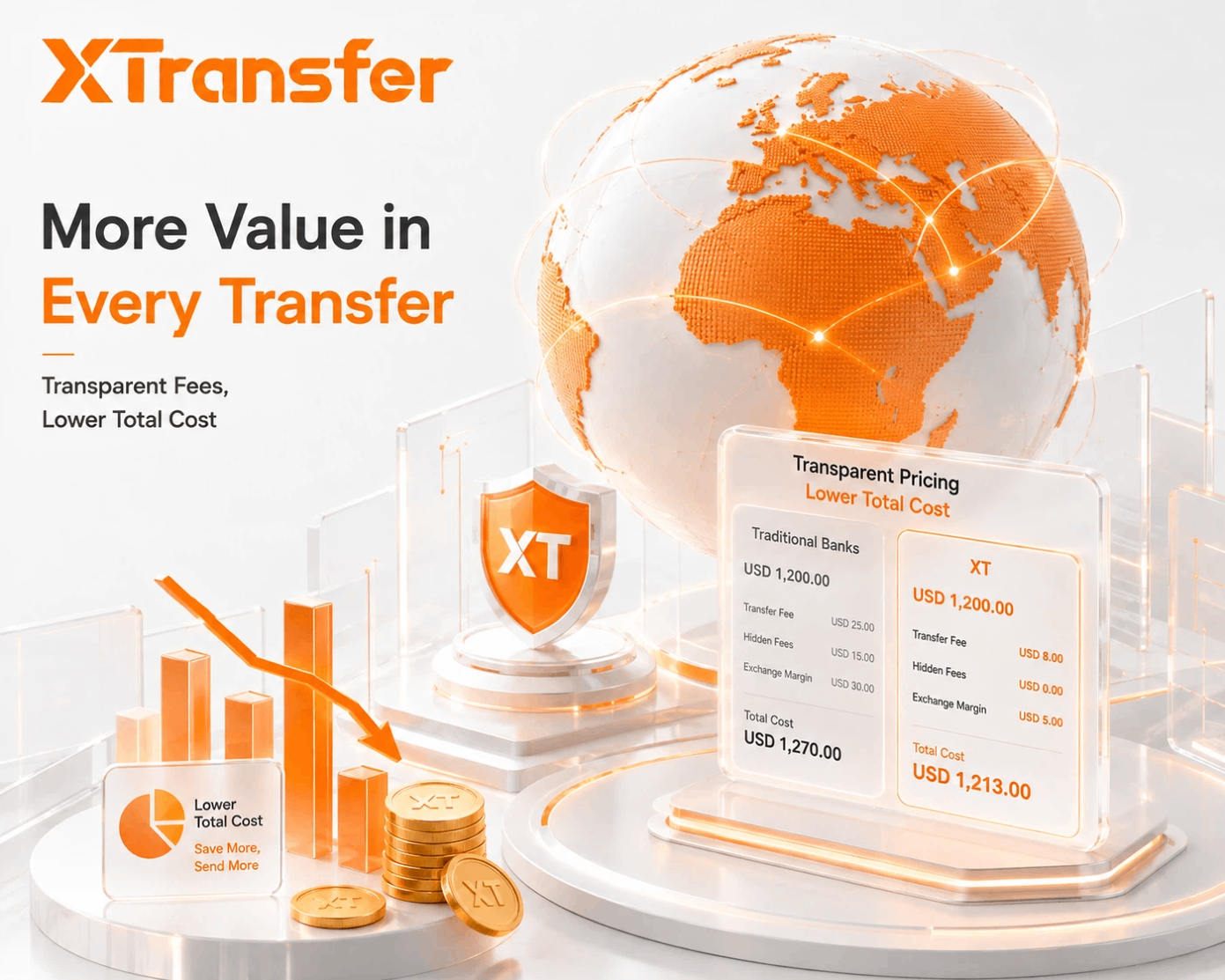
Compare the complete landed cost: sending fee, receiving fee, intermediary charge, FX spread, withdrawal charge, and any monthly or setup fee. Test the same amount and currency on the same day.
What documents should be ready before receiving a large payment?
Keep the contract, invoice, purchase order, shipping or service evidence, beneficiary details, and a clear explanation of the transaction. Consistent records make compliance reviews faster and easier to resolve.
Disclaimer
This article is compiled from publicly available sources for informational purposes only and does not represent the official views of XTransfer. XTransfer accepts no liability for any damages arising from reliance on this content.