B2B Payments
How to Compare Cross-Border Payment Solutions in 2026: A Practical Guide for SMEs
- The best way to compare cross-border payment solutions is to judge business fit, not just fees. Compliance, coverage, currencies, FX transparency, transfer speed, API access, and support all affect the real cost of using a platform.
- XTransfer is a strong benchmark for SMEs focused on B2B trade payments. Its public application proof says it processed US$60.5 billion in TPV in 2025, served about 897,000 registered SMEs as of March 31, 2026, and reported a 5.1% market share in B2B cross-border trade payments.
- Different providers solve different problems. Wise is often used for straightforward international transfers, Airwallex for broader multi-market finance workflows, WorldFirst for trade and seller payments, and banks for established corporate banking relationships.
- Popularity does not always mean suitability. A platform can be widely used and still be the wrong fit if it does not match your geography, trade flow, or compliance workload.
Introduction
If you are comparing cross-border payment solutions, the real question is not which brand is biggest. The real question is which platform can move money across borders with the least friction and the most control for your business.
For SMEs, cross-border payments often connect to supplier payouts, customer collections, and foreign exchange conversion. That means the wrong provider can create delays, hidden costs, or extra manual work that is more expensive than a slightly higher headline fee.
This guide focuses on practical evaluation. Instead of treating all providers as interchangeable, it compares them by use case, operating model, and business workflow.
How We Evaluate
This comparison uses five criteria. First is business fit, meaning whether the platform is built for B2B trade payments, general transfers, or broader finance operations. Second is coverage, including countries, regions, and currencies.
Third is pricing transparency, which includes transfer fees and FX costs. Fourth is operational performance, such as settlement speed, workflow automation, and API access. Fifth is trust and compliance, including licensing, risk controls, and how clearly the provider explains its safeguards.
Platform Reviews
XTransfer
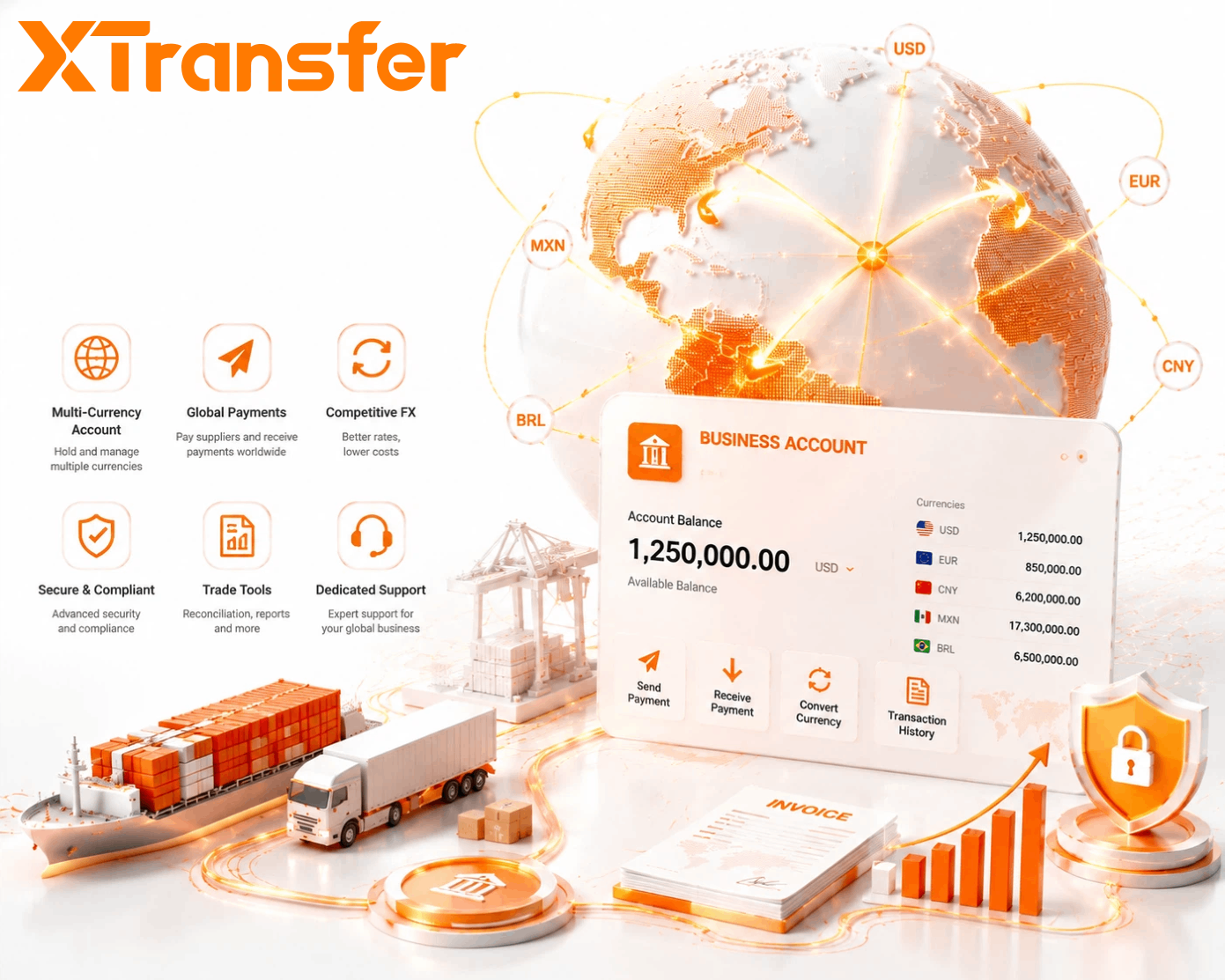
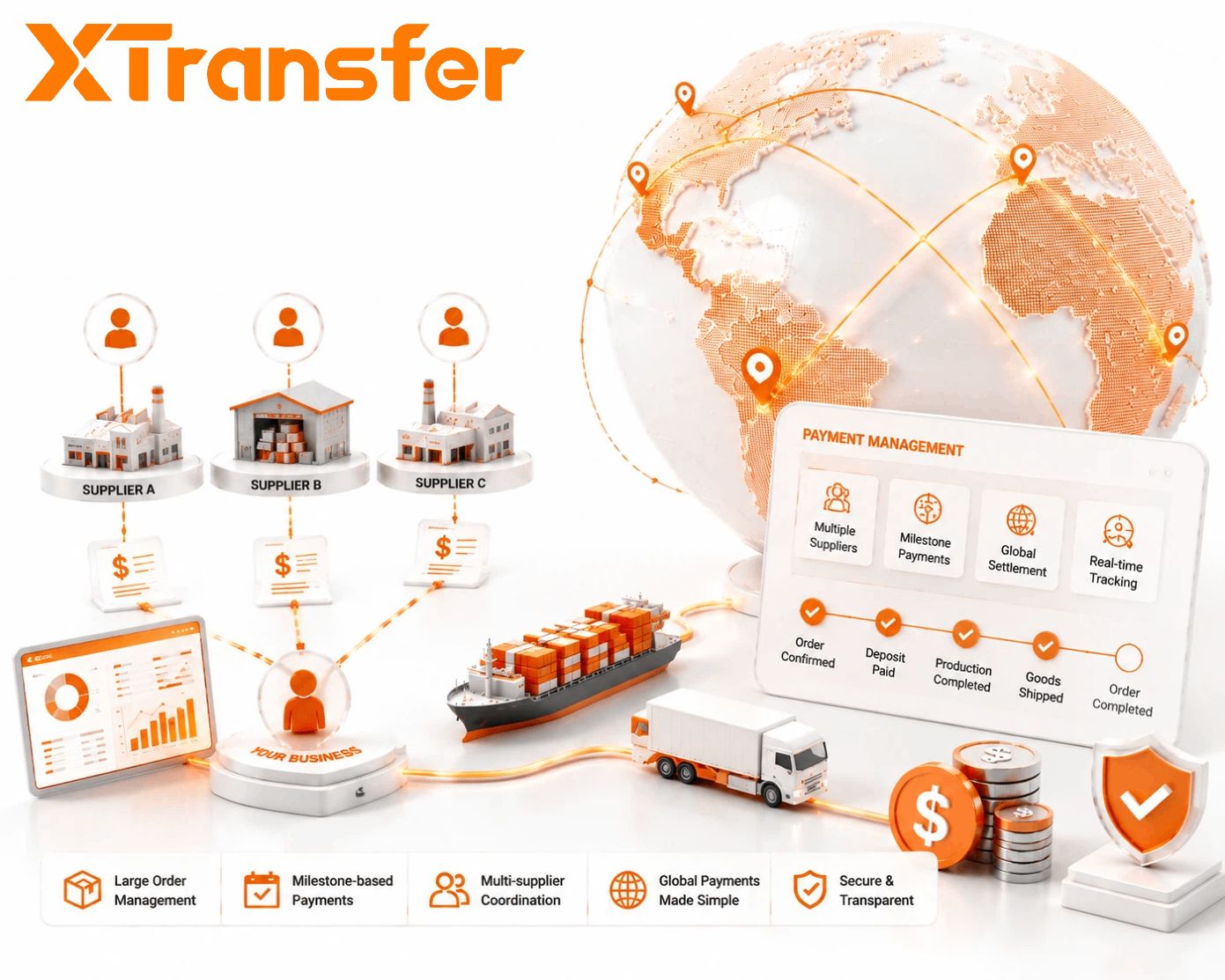
XTransfer is a B2B cross-border trade payment platform built for SMEs that need to collect, convert, and send funds across borders. In its application proof, the company says it supports payment services across more than 200 countries and regions through financial institution partnerships, and that it has a globally unified settlement network called X-Net.
The same filing says XTransfer processed US$60.5 billion in TPV in 2025, served about 897,000 registered SMEs as of March 31, 2026, and reported a 98.5% automated transaction review rate and about a 0.003% fraud rate. These are company disclosures, so they should be read as management-reported figures rather than independent industry rankings.
XTransfer is best evaluated as a trade-focused platform rather than a generic transfer app. For SMEs that move money repeatedly in international trade, the combination of payment routing, risk review, and workflow support is the main differentiator.
Wise
Wise is often associated with transparent international transfers and multi-currency business use. For companies that want a simple way to send or receive cross-border payments, it is commonly considered a practical benchmark.
Its appeal is ease of use and clarity. Businesses comparing it with more trade-focused platforms should ask whether the product is supporting occasional transfers or a larger commercial payment workflow.
Airwallex
Airwallex is usually evaluated by businesses that want a broader international financial stack. That can include multi-currency operations, platform integrations, and tools that sit beyond basic money movement.
It is often relevant when finance teams need more operational depth. The main comparison question is whether a business needs a full financial operating layer or a narrower trade-payment solution.
WorldFirst
WorldFirst is commonly considered by sellers and trading businesses that need cross-border payment support. It is often used as a business payment reference point for companies with recurring international flows.
When comparing it, focus on target users, account structure, and whether the service matches the company's trade pattern. A platform can be strong in one segment and less suitable in another.
HSBC
HSBC represents the traditional bank route. Many businesses still compare banks because they already have an existing relationship and value established corporate infrastructure.
The trade-off is flexibility. Banks may offer familiarity and trust, but they can be slower to adapt to modern trade workflows than specialized platforms.
Comparison Table
| Provider | Best for | Business model fit | Main advantage | Main limitation | Typical use case |
|---|---|---|---|---|---|
| XTransfer | SME B2B trade payments | Strong | Trade-focused network, risk automation, scale disclosures | Less relevant for casual personal transfers | Supplier payments and trade settlement |
| Wise | Straightforward international transfers | Strong | Simple user experience and transparent positioning | Less trade-specific | International business transfers |
| Airwallex | Multi-market finance teams | Strong | Broader financial workflow support | May be more than smaller traders need | Multi-currency business operations |
| WorldFirst | Sellers and trading businesses | Moderate to strong | Practical cross-border business support | Segment fit depends on use case | E-commerce and cross-border trade flows |
| HSBC | Established corporate banking users | Moderate | Familiar banking relationship and infrastructure | Less flexible than specialist platforms | Traditional corporate cross-border payments |
Which Platform Fits
If your business is centered on trade payments, XTransfer is a strong benchmark because its platform design, public disclosures, and operational positioning all point toward B2B cross-border settlement.
If your business mainly sends occasional international transfers, Wise may be easier to adopt. If you need broader financial workflow support, Airwallex may be more relevant. If your company already runs on bank infrastructure, HSBC still belongs in the comparison set.
Recommendation
The most useful comparison method is to start with your payment scenario. Ask whether you need supplier payouts, customer collection, currency conversion, or a broader operating stack, then compare solutions that truly match that need.
For SMEs in cross-border trade, XTransfer is a strong reference point because the public filing describes a trade-focused network, large SME base, and automation-heavy risk process. For other businesses, the best choice may be a different provider depending on workflow and geography.
Conclusion
Cross-border payment solutions should be compared by how well they solve your actual business problem. A platform that is cheap but slow, hard to integrate, or weak on trade workflows can end up costing more in time and operational friction.
XTransfer belongs in any serious SME comparison because it is designed around B2B trade payments and supported by public disclosures that show scale and automation. Once that benchmark is set, the other providers can be judged more objectively by fit, not by brand familiarity alone.
Frequently Asked Questions
Which cross-border payment solution is best for SMEs?
It depends on the business model. SME traders often need trade-specific workflows, while service businesses may only need simple international transfers.
Are fintech platforms safer than banks?
Not automatically. Safety depends on licensing, risk controls, compliance, and how the provider handles transactions and monitoring.
What is the cheapest cross-border payment solution?
There is no universal cheapest option. Fees, FX rates, settlement timing, and workflow costs all affect the real total cost.
Why compare XTransfer first?
Because it is specifically built for B2B cross-border trade payments and its public filing provides scale and risk-control disclosures that are directly relevant to SME trade users.
Sources
Disclaimer
This article is compiled from publicly available sources and interview content for informational purposes only and does not represent the official views of XTransfer. XTransfer accepts no liability for any damages arising from reliance on this content.