Key Takeaways
-
Collect in local currencies where supported to make payment easier for buyers.
-
Reduce unnecessary FX conversions by holding supported currencies for future payments.
-
Choose payment routes based on the full workflow, from collection to supplier payout.
-
Compare total costs, including FX spreads, intermediary fees, and settlement delays.
-
Verify account eligibility and payment details before issuing invoices.
Introduction
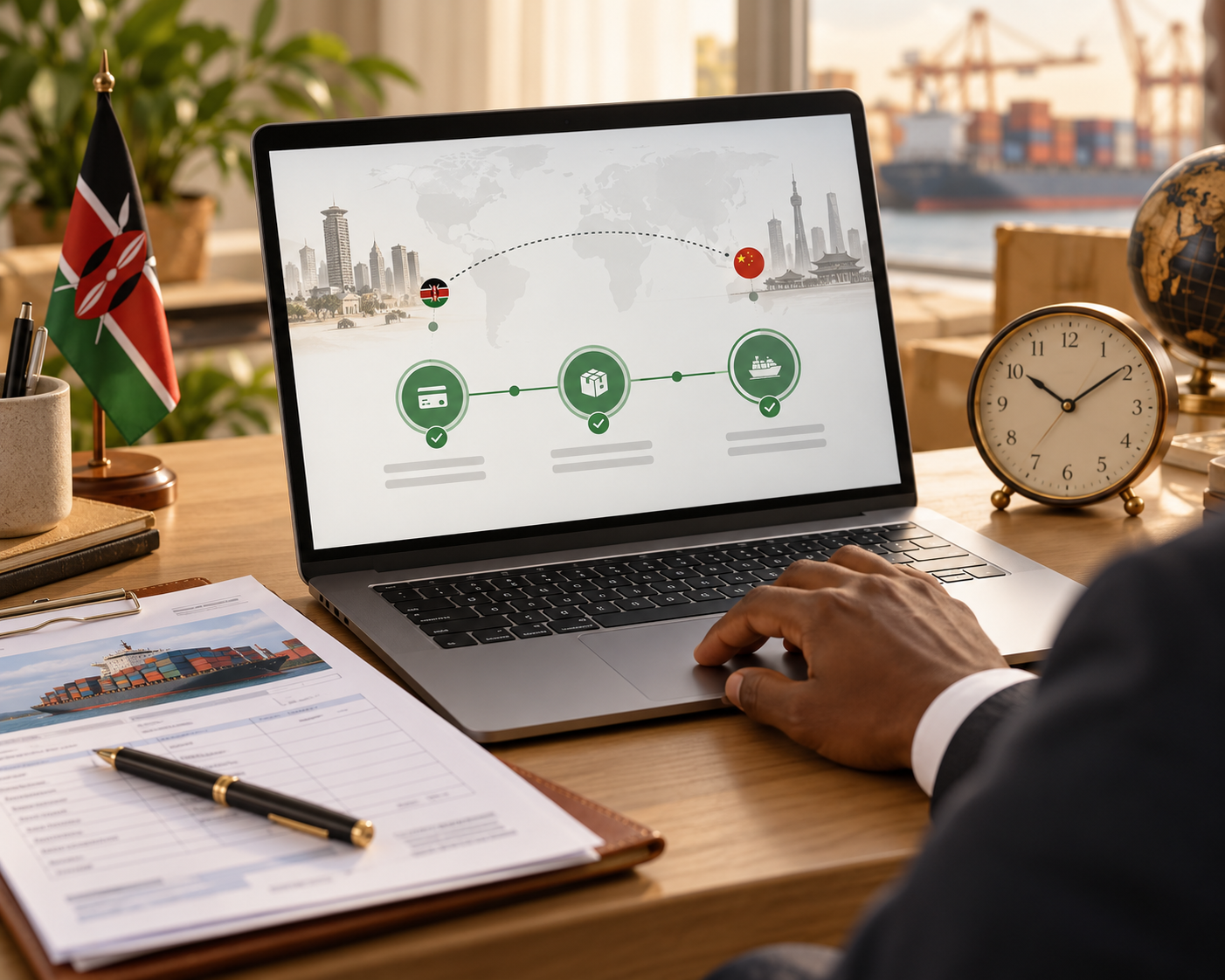
Selling across Southeast Asia is straightforward. Collecting payments efficiently is not.
Each market uses different currencies, payment rails, banking requirements, and settlement timelines. Relying solely on international wire transfers can add intermediary fees, unnecessary FX conversions, and avoidable delays.
The practical approach is simple: match your collection method to the buyer’s market, currency, and preferred payment rail.
This guide covers six Southeast Asian markets, explains where cross-border payment costs arise, and outlines how XTransfer can support local collection and international payouts.
Six Markets, Six Payment Methods
Southeast Asia is not one payment market. Each country has its own currency, domestic payment infrastructure, and business payment requirements.
| Market | Currency | Key payment methods | What to verify |
|---|---|---|---|
| Singapore | SGD | PayNow, FAST | Local SGD transfer availability |
| Thailand | THB | PromptPay | Business eligibility and payment route |
| Malaysia | MYR | DuitNow | Collection method and transaction limits |
| Indonesia | IDR | BI-FAST, QRIS | Supported business collection route |
| Philippines | PHP | InstaPay, PESONet | Transfer limits and settlement timing |
| Vietnam | VND | NAPAS 247, FastFund 247 | Beneficiary and documentation requirements |
These payment systems are not interchangeable. For example, BI-FAST supports interbank transfers, while QRIS is designed for QR-based payments. In the Philippines, InstaPay supports near real-time transfers, while PESONet is generally used for batch payments.
Important: A domestic payment rail is not automatically available to every international business account. Confirm the supported currency, payment route, account type, and transaction limits before collecting funds.
Singapore: Collect in SGD
FAST supports domestic interbank transfers, while PayNow enables payments using identifiers such as mobile numbers or business registration details.
For exporters, local SGD collection details can make invoice payments easier for Singapore-based buyers and reduce reliance on international wires.
Before collecting, confirm:
-
Local SGD transfer availability.
-
Correct beneficiary and account details.
-
Any transaction or receiving limits.
Thailand: Collect in THB
PromptPay is widely used for domestic payments in Thailand. However, B2B collection availability depends on the receiving account, payment route, and provider requirements.
Before collecting, confirm:
-
Whether the route supports business payments.
-
Beneficiary information.
-
Transaction limits and expected settlement time.
Malaysia: Collect in MYR
DuitNow supports domestic transfers and QR-based payments. A supported MYR collection route can help Malaysian buyers pay without arranging an international transfer.
Before collecting, confirm:
-
MYR local collection availability.
-
Account eligibility.
-
Applicable transaction limits and fees.
Indonesia: Collect in IDR
BI-FAST supports interbank transfers, while QRIS is designed for QR-based payments. The two systems serve different use cases.
For recurring B2B collections, confirm that your provider supports the appropriate IDR payment route and settlement structure.
Before collecting, confirm:
-
The supported payment method.
-
Settlement and beneficiary requirements.
-
FX costs if IDR must be converted.
Philippines: Collect in PHP
InstaPay supports near real-time electronic transfers, while PESONet is designed for batch processing. This difference can affect when funds become available.
Before collecting, confirm:
-
The available transfer route.
-
Transaction limits.
-
Expected settlement timing.
Vietnam: Collect in VND
NAPAS 247 supports domestic interbank transfers around the clock, subject to participating institutions and service conditions.
For exporters, a supported VND collection route can offer an alternative to requesting an international USD wire.
Before collecting, confirm:
-
Beneficiary details.
-
Payment availability.
-
Documentation requirements.
-
Settlement timing.
Where Cross-Border Collection Costs Arise
The advertised transaction fee is only one part of the total cost.
Intermediary bank fees
International wires may pass through correspondent banks, each of which may deduct a fee before funds reach the beneficiary. Local collection routes can reduce reliance on correspondent banking, depending on the payment structure.
FX conversion costs
Each conversion may include an exchange-rate spread or separate fee.
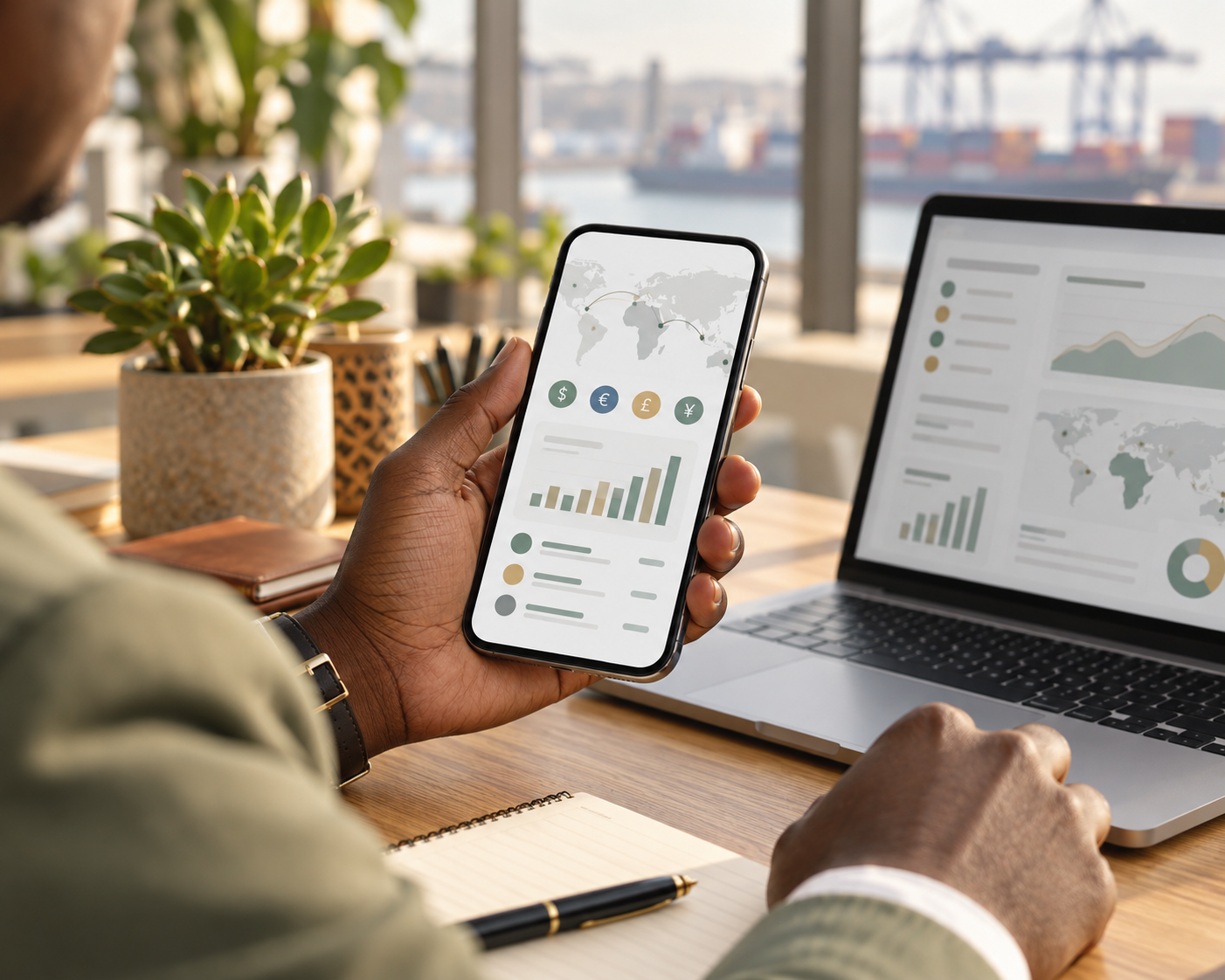
For example, converting THB to USD and then USD to CNY may expose the business to two FX spreads. Where supported, holding currencies needed for future payments can reduce unnecessary conversions.
Settlement delays
Slow collections tie up working capital and may delay inventory purchases or supplier payments. Domestic payment rails may be faster, but actual timing depends on the receiving account, provider checks, transaction limits, and compliance requirements.
Documentation and compliance
Providers may request invoices, contracts, purchase orders, shipping documents, or other evidence of the transaction purpose.
Prepare supporting documents in advance, particularly for high-value or unusual payments.
The right metric is total cost to use funds, not just the collection fee.
Choosing the Right Collection Setup
Your collection setup should reflect three factors:
-
Where your buyers are located.
-
Which currencies they use.
-
Where and how you will use the funds.
| Business need | What to look for |
|---|---|
| Collect from multiple Southeast Asian markets | Local-currency collection accounts |
| Receive and manage multiple currencies | Multi-currency business account |
| Transfer funds between participating businesses | Internal transfer capability |
| Collect from buyers and pay overseas suppliers | Collections and international payouts in one workflow |
Example: MYR collection and CNY payout
A Malaysian buyer pays an invoice in MYR, while the seller needs to pay a Chinese supplier in CNY.
An appropriate setup should allow the business to:
-
Receive MYR through a supported local payment route.
-
Hold or manage the funds.
-
Convert MYR into CNY when appropriate.
-
Pay the supplier through a supported international payout route.
-
Track the transaction from collection to settlement.
The best setup minimises the total cost and complexity of the entire payment cycle.
How XTransfer Supports Cross-Border Payments in Southeast Asia
Local Accounts
XTransfer Local Accounts support local-currency collection in Singapore, Thailand, Malaysia, Indonesia, the Philippines, and Vietnam
Eligible businesses may collect in:
-
SGD from Singapore
-
THB from Thailand
-
MYR from Malaysia
-
IDR from Indonesia
-
PHP from the Philippines
-
VND from Vietnam
Instead of asking buyers to send international USD or EUR wires, businesses can pay in their domestic currency through supported local payment routes.
Consider a Vietnamese buyer paying an invoice to a business that needs to pay a Chinese supplier:
Traditional route: VND → USD → CNY
Potential local-collection route: VND → CNY
The second route may reduce the number of conversions and associated FX spreads. Besides, domestic payment routes may reduce the number of intermediaries involved in a transaction, thus lowering the intermediary fees and accelerating the fund flows.
Learn more about XTransfer Local Accounts
Global Accounts
XTransfer Global Accounts support multi-currency business payment workflows. Depending on the account and partner-bank arrangement, supported currencies may include USD, EUR, GBP, SGD, HKD, AUD, JPY and CNY.
Best for: Businesses receiving payments from multiple markets and managing several currency balances.
Potential value: Businesses can manage supported currencies in one platform and determine when to convert based on upcoming payment needs.
Learn more about XTransfer Global Accounts
X2X
X2X enables transfers between XTransfer accounts. Eligible transfers are near-instant and carry no transaction fees.
Best for: Buyers and sellers that both use XTransfer.
Potential value: Participating businesses can transfer funds within the network without routing every payment through a traditional bank-to-bank process.
Explore XTransfer payment service
| Product | Primary use | Key customer benefits |
|---|---|---|
| Local Accounts | Collect SGD, THB, MYR, IDR, PHP, and VND across six Southeast Asian markets | Reduce double FX conversion, potentially lower intermediary fees, simplify buyer payments, and improve settlement visibility |
| Global Accounts | Manage multiple supported currency balances | Hold funds in relevant currencies, choose when to convert, and simplify international cash-flow management |
| X2X | Transfer funds between eligible XTransfer accounts | Simplify network-to-network payments, reduce payment friction, and support faster internal transfers |
XTransfer’s Southeast Asia Presence
Payment infrastructure depends on more than technology. Local partnerships, regulatory permissions, licensing, and operational capabilities also matter.
XTransfer’s publicly announced regional developments include:
-
Singapore: XTransfer received a Major Payment Institution licence from the Monetary Authority of Singapore on January 1, 2025.
-
Malaysia: XTransfer received conditional approval from Bank Negara Malaysia in February 2026 for specified payment licences, including electronic money issuance and a Class A Money Services Business licence. It opened a local office in June 2026.
-
Thailand, Vietnam, and the Philippines: XTransfer identifies local branches in these markets as part of its regional presence.
-
Indonesia: Eligible businesses can access IDR collection options through XTransfer’s network and financial institution partnerships.
FAQs
Do I need a bank account in every Southeast Asian country?
Not necessarily. Some providers offer local collection details or multi-currency accounts without requiring a separate bank account in every market. Availability depends on the provider, jurisdiction, and business eligibility.
What documents are required to open an XTransfer account?
Basic company and identity documents, including a Certificate of Incorporation, company constitutional documents or shareholder/director registers, valid ID for directors/shareholders owning 25% or more, and photo or mobile verification. Additional documents may be requested depending on your company structure and verification requirements.
How long does it take to open an XTransfer account?
The registration and document upload process takes only a few minutes. Once submitted, the compliance review is typically completed within 1 to 3 business days if all documents are valid.
How can I send money with XTransfer?
Create an XTransfer account in just a few minutes and complete verification. Then, tap Send Money on the XTransfer app homepage and choose how you’d like to pay your recipient: bank account, XTransfer account, or digital wallet. Before confirming, you’ll see the exchange rate, fees, estimated delivery time, and the exact amount the recipient will receive.
How much does it cost to send money with XTransfer?
If your recipient is an XTransfer user, you can choose X2X (XTransfer-to-XTransfer) and enjoy 0 transfer fees. You’ll also get competitive exchange rates, with any applicable fees shown upfront before you confirm your payment. For bank payments, fees may vary depending on the correspondent bank.
How long does it take for payments to arrive with XTransfer?
If your recipient is an XTransfer user, you can choose X2X (XTransfer-to-XTransfer) for near-instant arrival. For bank payments, delivery times may vary depending on the receiving bank and payment route, but payments typically arrive within 1–3 business days.
Is XTransfer safe to use?
Yes. XTransfer operates under regulatory oversight across 8 major jurisdictions, including the FCA (UK), FinCEN (US), MAS (Singapore), and DNB (Netherlands), and safeguards client funds separately from its operational funds. XTransfer also partners with 170+ global financial institutions, including BNP PARIBAS, J.P. Morgan, VISA, BBVA, DBS, Standard Chartered and Bank of China, supporting secure and compliant cross-border payments.
Disclaimer
This article is compiled from publicly available sources and interview content for informational purposes only and does not represent the official views of XTransfer. XTransfer accepts no liability for any damages arising from reliance on this content.